

 English
  中文简体
中文简体  Español
 News
Home / News / Industry News / How Long Does Heavy Duty Tarpaulin Last, and What Factors Affect Its Longevity?


Content
Heavy duty tarpaulin is a highly versatile and durable material used in various industries for covering and protecting goods, machinery, and other items from harsh weather conditions. Given its widespread use in construction, agriculture, transportation, and even domestic settings, understanding the lifespan of heavy-duty tarpaulin and the factors influencing its durability is essential.
Before we explore the longevity of heavy duty tarpaulin, it’s important to understand what makes it “heavy-duty.” Tarpaulins are typically made from different materials, with heavy-duty versions being reinforced with additional layers or using stronger fabrics. The common types of heavy-duty tarpaulin include:
Polyethylene (PE) Tarpaulins: Known for their waterproof and UV-resistant properties.
Polyvinyl Chloride (PVC) Tarpaulins: Used for tougher, industrial applications due to their increased strength and resistance to punctures.
Canvas Tarpaulins: Traditionally used for agriculture and military purposes.
Each material has specific properties that contribute to its durability, making it suitable for various environments and applications.
The lifespan of heavy-duty tarpaulin can vary significantly depending on several key factors. These factors influence how well the tarpaulin resists damage from wear and tear, weather conditions, and other external stresses.
One of the significant factors affecting the longevity of heavy duty tarpaulin is exposure to ultraviolet (UV) rays. Prolonged UV exposure can cause the material to break down over time, resulting in brittleness, fading, and eventual tearing. UV-resistant tarpaulins, often treated with special coatings, are designed to withstand prolonged sun exposure.
Impact: UV rays degrade the polymer structure of the fabric, which results in a loss of strength and flexibility.
Lifespan Impact: Tarpaulins used outdoors in areas with high UV exposure may last between 2 to 5 years without UV protection. With UV-resistant coatings, this can be extended to 5 to 10 years.
Environmental factors such as wind, rain, and temperatures can have a considerable impact on the lifespan of heavy-duty tarpaulin. Continuous exposure to rain can weaken the material, especially if it’s not waterproof. On the other hand, heat can cause the material to shrink or warp, while freezing temperatures can make the tarpaulin brittle.
Impact: Continuous moisture exposure and temperature extremes contribute to material degradation.
Lifespan Impact: Tarpaulins in environments may experience wear much quicker, reducing their lifespan by several years.
The type of material and the thickness of the tarpaulin also play a vital role in determining its lifespan. Thicker tarpaulins made from high-quality PVC or polyethylene tend to last longer because they are more resistant to punctures, tearing, and abrasion. Tarpaulins with multiple layers or those that are reinforced for specific industrial applications offer higher durability.
Impact: Stronger materials withstand more pressure and stress without deteriorating.
Lifespan Impact: Thicker and reinforced tarpaulins can last 5 to 10 years or more, depending on usage.
Regular maintenance and proper care are crucial in extending the lifespan of any heavy-duty tarpaulin. This includes cleaning it properly, ensuring it is stored correctly, and checking for damage such as holes or tears. Tarpaulins that are frequently moved, exposed to chemicals, or subjected to abrasive conditions may degrade more quickly.
Impact: Regular maintenance and cleaning remove debris and prevent additional stress on the material.
Lifespan Impact: Well-maintained tarpaulins can last significantly longer, often exceeding their expected lifespan.
The more frequently a heavy-duty tarpaulin is used, the quicker it may wear out. Heavy-duty tarpaulins used in high-traffic or high-stress applications, such as covering construction sites or transporting goods, are more likely to experience wear and tear compared to those used in more static, less demanding situations.
Impact: Frequent movement or use increases the risk of punctures, abrasions, and stress on the fabric.
Lifespan Impact: Regularly used tarpaulins can last 2 to 5 years, depending on the intensity of the use.
While heavy-duty tarpaulins are designed to be durable, there are several steps you can take to extend their lifespan:
Store Properly: When not in use, store your tarpaulin in a dry, cool place away from direct sunlight.
Clean Regularly: Remove any dirt or debris that may cause abrasion or damage. Wash the tarpaulin using mild detergent and cold water.
Inspect Regularly: Look for signs of wear and tear, such as small holes or fraying edges, and repair them promptly.
Use Protective Covers: If the tarpaulin is used for covering equipment, consider using a protective cover over it to reduce direct exposure to the elements.
Avoid Sharp Objects: Keep sharp objects away from the tarpaulin to prevent punctures.
1. How long does a heavy-duty tarpaulin last?
A heavy-duty tarpaulin typically lasts 2 to 10 years depending on factors such as material type, usage, and environmental conditions.
2. Can heavy-duty tarpaulins be repaired?
Yes, small tears and punctures can often be repaired with adhesive patches or specialized tarpaulin repair kits.
3. Do heavy-duty tarpaulins offer full UV protection?
Some heavy-duty tarpaulins are treated with UV-resistant coatings, offering better protection from sun damage. However, not all tarpaulins come with this feature.
4. Can heavy-duty tarpaulins be used in weather conditions?
Yes, heavy-duty tarpaulins can withstand various weather conditions, but heat, cold, or moisture can still reduce their lifespan.
5. How do I clean and maintain my tarpaulin?
Clean your tarpaulin with mild soap and water, avoid harsh chemicals, and ensure it is thoroughly dried before storing it away.

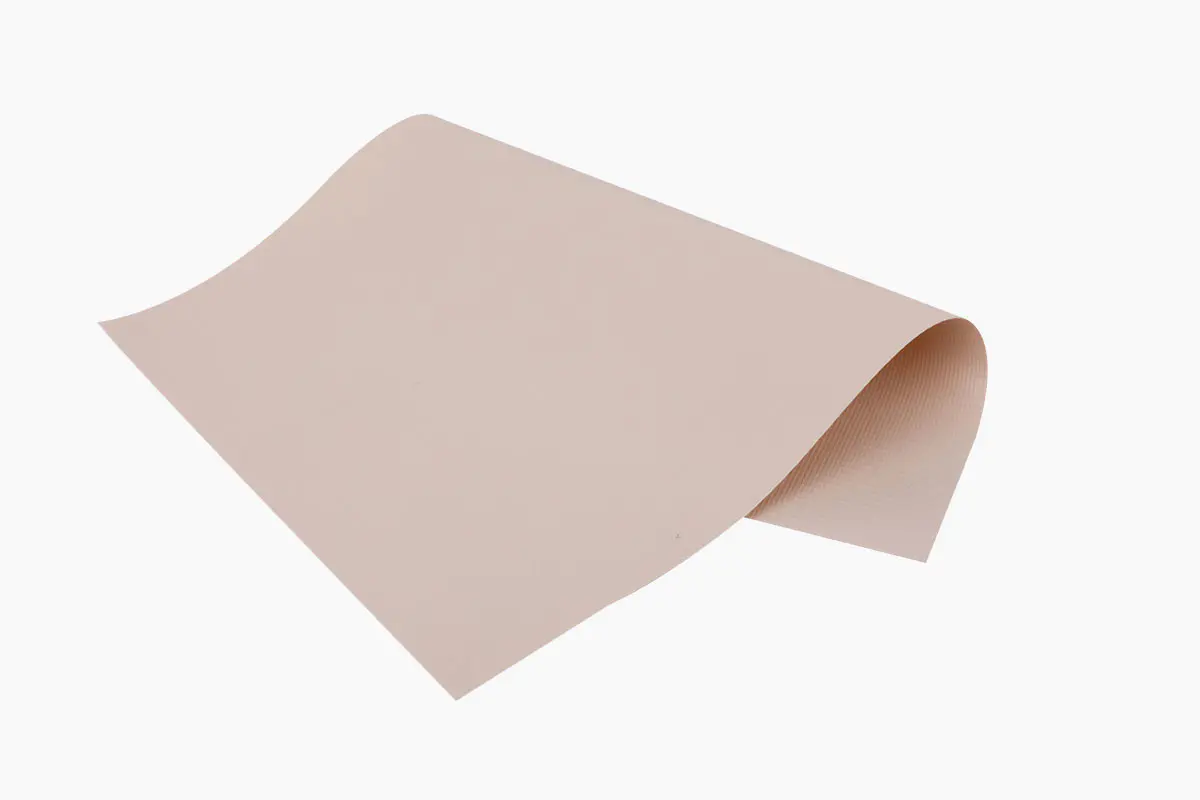 Heavy-Duty Reinforced Waterproof Tarpaulin
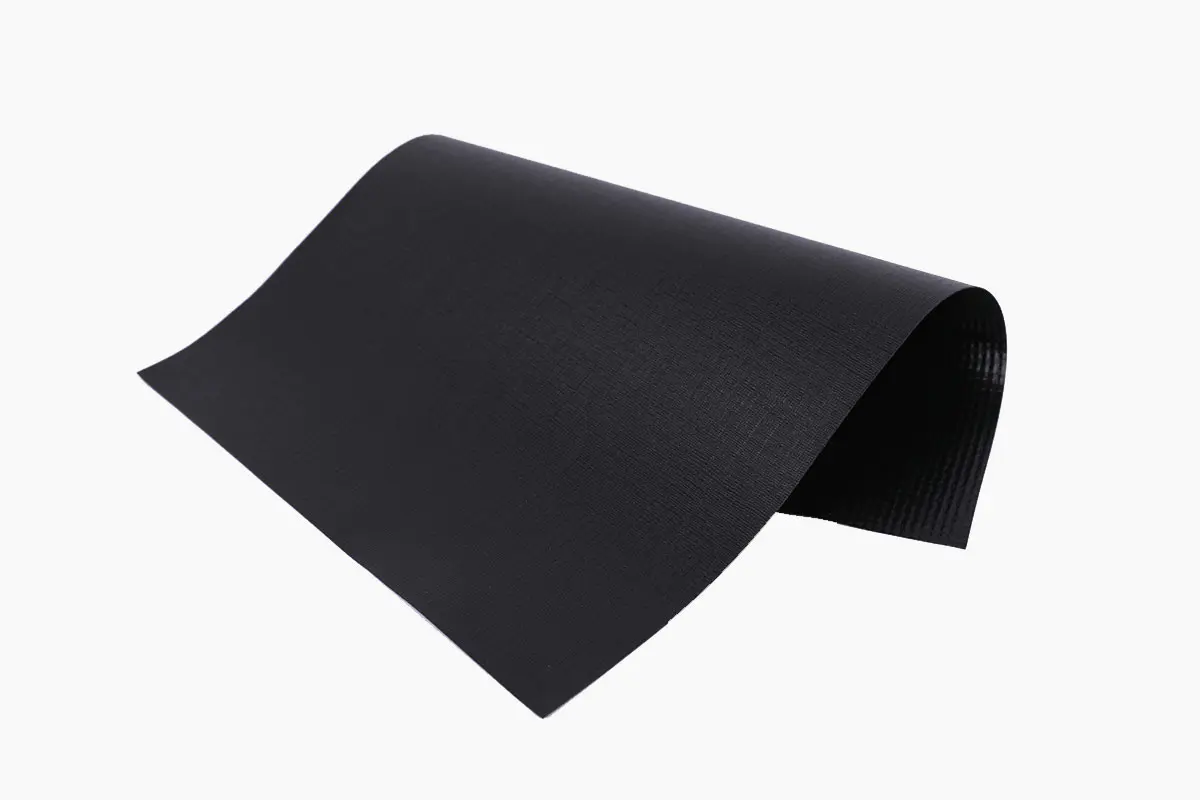 Heavy-Duty High-Performance Camouflage-Printed Tarpaulin
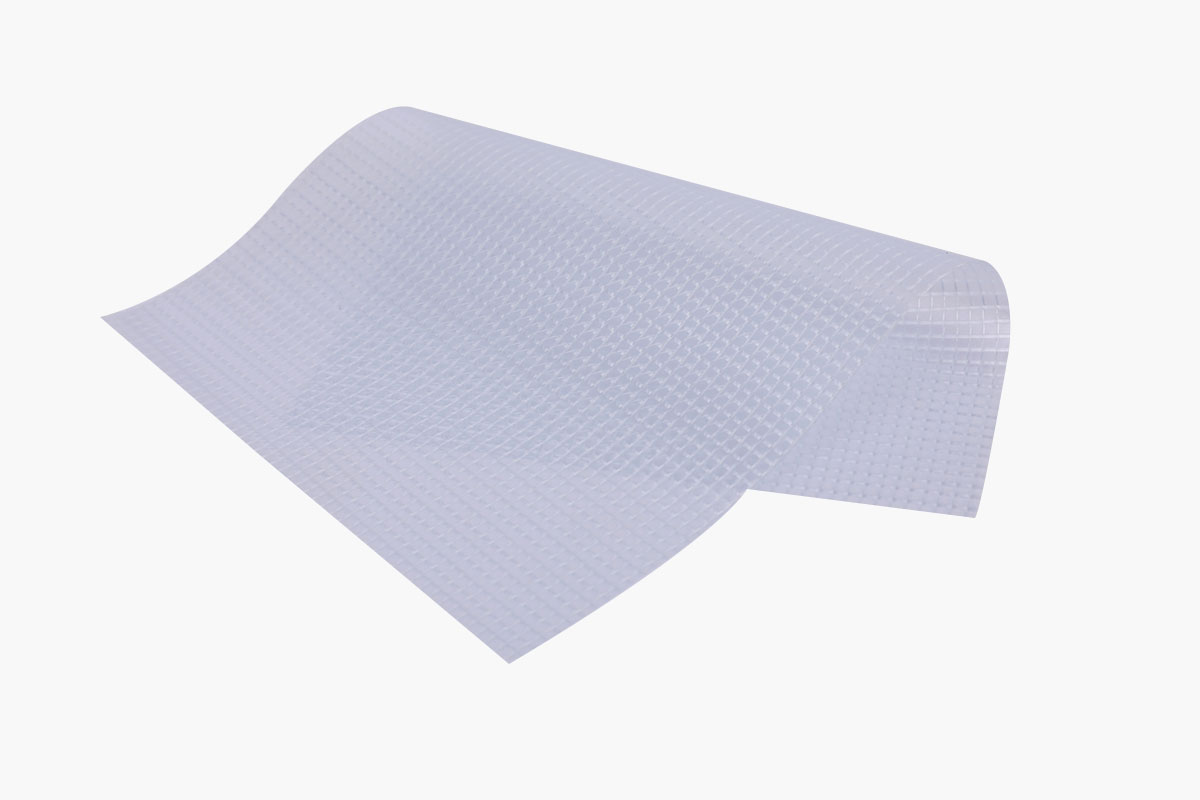 Heavy-Duty Waterproof Clear Tarpaulin
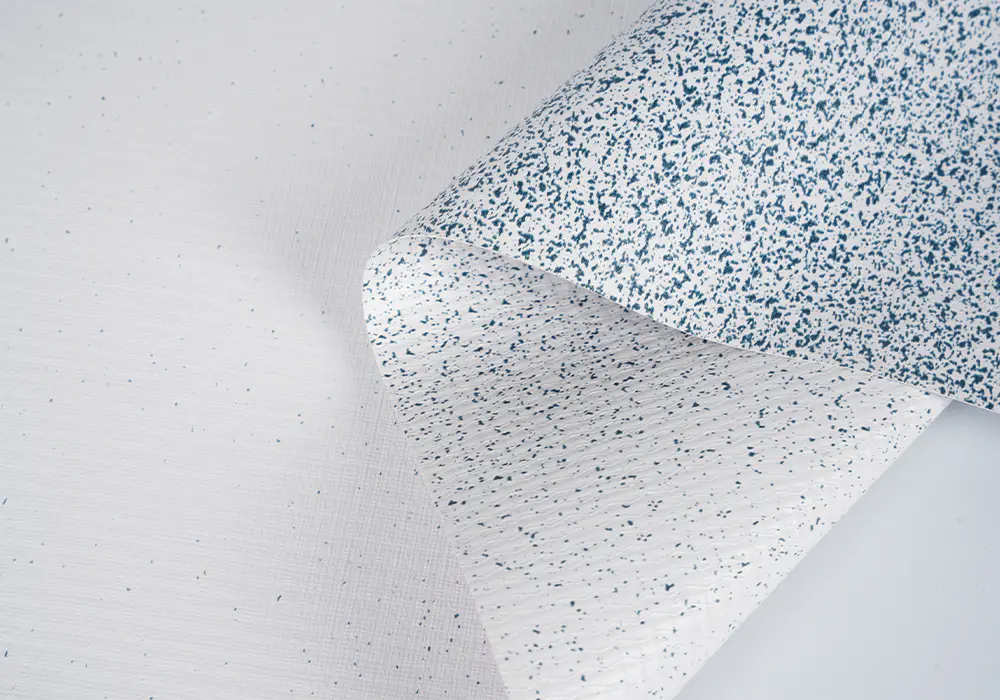 Heavy Duty Printable UV Block Tarpaulin For RV Awning
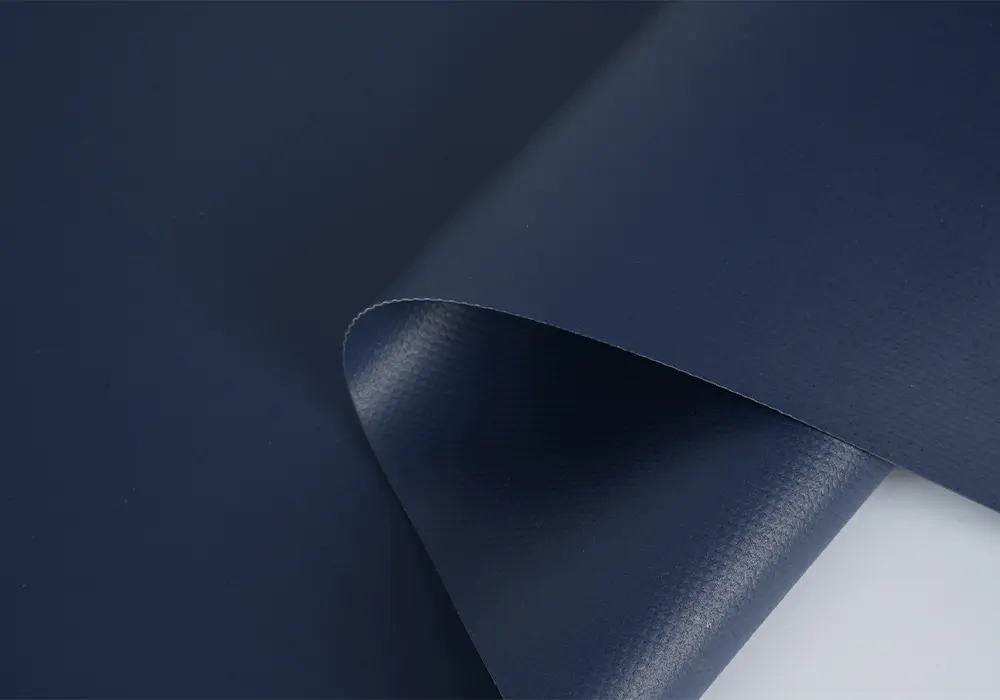 Heavy Duty Waterproof Tarpaulin For Truck Side Curtain
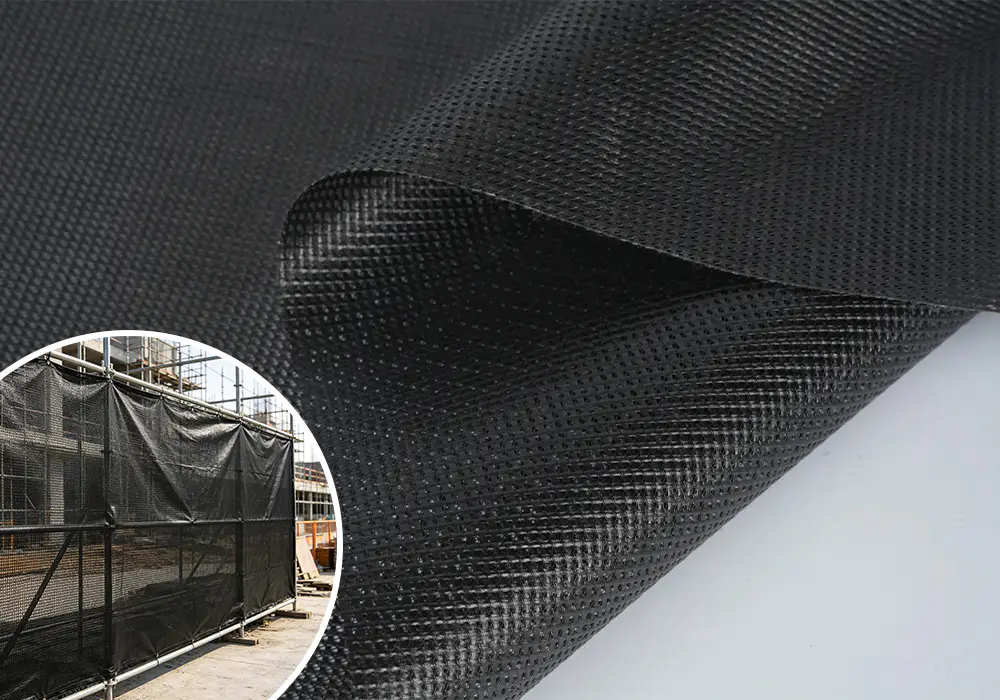 All Weather Heavy Duty Mesh Tarpaulin for Barrier Fencing
 Custom Digital Printing Fabric Manufacturers
 Previous