

 English
  中文简体
中文简体  Español
 News
Home / News / Industry News / UV-Resistant Clear Tarpaulin vs. Regular Tarps: What’s the Difference?


Content
In the world of outdoor covers and protective sheeting, tarpaulins (or tarps) serve an essential role in protecting goods and equipment from the elements. Whether you’re using a tarp for temporary shelter, protecting materials, or covering vehicles, understanding the differences between various types of tarps is crucial. Among the important considerations is the level of UV protection, and one of the popular options on the market today is UV-resistant clear tarpaulin.
A UV-resistant clear tarpaulin is a protective covering designed specifically to withstand prolonged exposure to ultraviolet (UV) rays from the sun. These tarps are constructed with advanced materials that provide a high level of UV protection, significantly extending their lifespan when used outdoors. Typically made from clear or translucent PVC or polyethylene, UV-resistant tarps allow light to pass through while offering protection against UV degradation.
The UV-resistant coating helps prevent the tarp from breaking down, fading, or becoming brittle under the intense sun exposure that is common in many outdoor environments. These tarps are used in a wide range of applications, including construction, agriculture, event coverings, and more.
Regular tarps, on the other hand, are more general-purpose protective covers made from a variety of materials such as canvas, polyethylene, or PVC. While they are designed to provide basic weather protection, regular tarps typically do not have any special UV-resistant properties. As a result, they can deteriorate faster under direct sunlight exposure. Over time, regular tarps may become weak, lose their color, or develop holes, especially when subjected to prolonged UV exposure.
Regular tarps come in various grades and qualities, but are not designed to withstand constant sun exposure. This makes them suitable for short-term use or in situations where UV protection is not a primary concern.
| Feature | UV-Resistant Clear Tarpaulin | Regular Tarps |
|---|---|---|
| UV Protection | High UV resistance, extends lifespan | Limited UV protection, can degrade quickly |
| Material Composition | Often made from clear PVC or polyethylene | Can be made from canvas, PVC, or polyethylene |
| Durability | Durable, withstands sun, rain, and wind | May weaken under sun exposure, less durable |
| Transparency | Clear or translucent, allows light through | Usually opaque or colored |
| Applications | Long-term outdoor use, agriculture, construction | Short-term outdoor use, covering materials |
| Cost | Higher due to UV resistance | Typically less expensive |
The primary advantage of UV-resistant clear tarpaulins is their ability to provide long-lasting protection from the sun’s harmful rays. This UV protection is critical for industries and applications that require tarps to be used outdoors for extended periods. Some key benefits of UV-resistant clear tarps include:
Longer Lifespan: The UV-resistant properties ensure the tarp lasts longer, saving you money on replacements.
Enhanced Durability: These tarps can withstand harsh weather conditions, including rain, snow, and high winds, without deteriorating as quickly as regular tarps.
Light Transmission: Unlike opaque tarps, clear tarps allow light to pass through, making them ideal for agricultural applications, such as greenhouses or plant covers, where sunlight is essential.
Protection for Valuable Items: UV-resistant clear tarps protect equipment, vehicles, and goods from UV-induced damage, preventing fading and cracking.
Due to their exceptional durability and UV resistance, UV-resistant clear tarpaulins are commonly used in various industries. Some typical applications include:
Agriculture: Protecting crops, greenhouses, and plants from UV rays while allowing sunlight to pass through.
Construction: Covering building materials or temporary structures exposed to the sun.
Event Coverage: Providing shade for outdoor events or temporary shelters where light transmission is needed.
Marine and Vehicle Covers: Protecting boats, cars, and trucks from UV damage.
While UV-resistant clear tarps are ideal for long-term exposure, regular tarps still have their own set of advantages, particularly when UV protection is not a top priority. These include:
Cost-Effective: Regular tarps are typically more affordable, making them a option for short-term use.
Variety of Materials: Available in a wide range of materials, regular tarps can be chosen for different needs, such as canvas for heavier-duty applications.
Quick and Easy Use: They are ideal for temporary covering, such as during a quick project or for seasonal storage.
When choosing between UV-resistant clear tarpaulin and regular tarps, consider the following factors:
Duration of Use: If you need a tarp for long-term outdoor exposure, a UV-resistant clear tarpaulin is a better choice.
Budget: For temporary applications, regular tarps may be more cost-effective.
Exposure to Sunlight: If the tarp will be exposed to the sun regularly, investing in UV protection will help prolong its life.
To ensure the longevity of your UV-resistant clear tarpaulin, it’s important to perform routine maintenance. Here are a few tips:
Clean Regularly: Dust, dirt, and debris can accumulate on the surface, reducing the tarp’s effectiveness. Clean the tarp with mild soap and water to remove buildup.
Store Properly: When not in use, store the tarp in a dry, cool place to prevent unnecessary wear and tear.
Inspect for Damage: Check the tarp for any holes or signs of wear, especially if it has been exposed to weather conditions.
1. How long does a UV-resistant clear tarpaulin last?
UV-resistant tarps can last several years, depending on usage and maintenance. Proper care can significantly extend their lifespan.
2. Can UV-resistant clear tarpaulins be used indoors?
Yes, they can be used indoors, especially in applications like protecting equipment or creating temporary enclosures.
3. Are UV-resistant clear tarps waterproof?
Most UV-resistant clear tarps are also waterproof, but it’s essential to check the specific product details to ensure full protection against moisture.
4. How do I choose the UV-resistant tarpaulin for my needs?
Consider factors like size, material, transparency, and the level of UV protection required. For outdoor applications, a clear UV-resistant tarp will provide the protection.

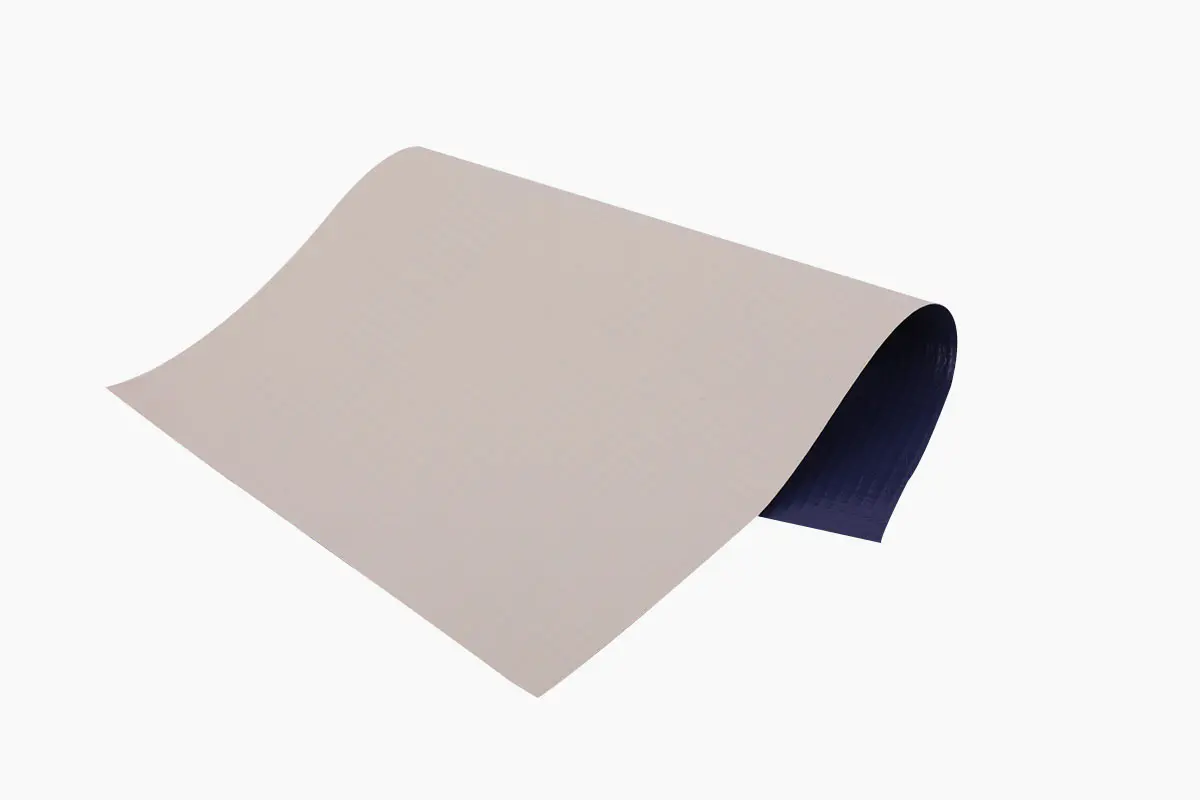 Premium Tear-Resistant All-Weather UV-Resistant Tarpaulin Fabric
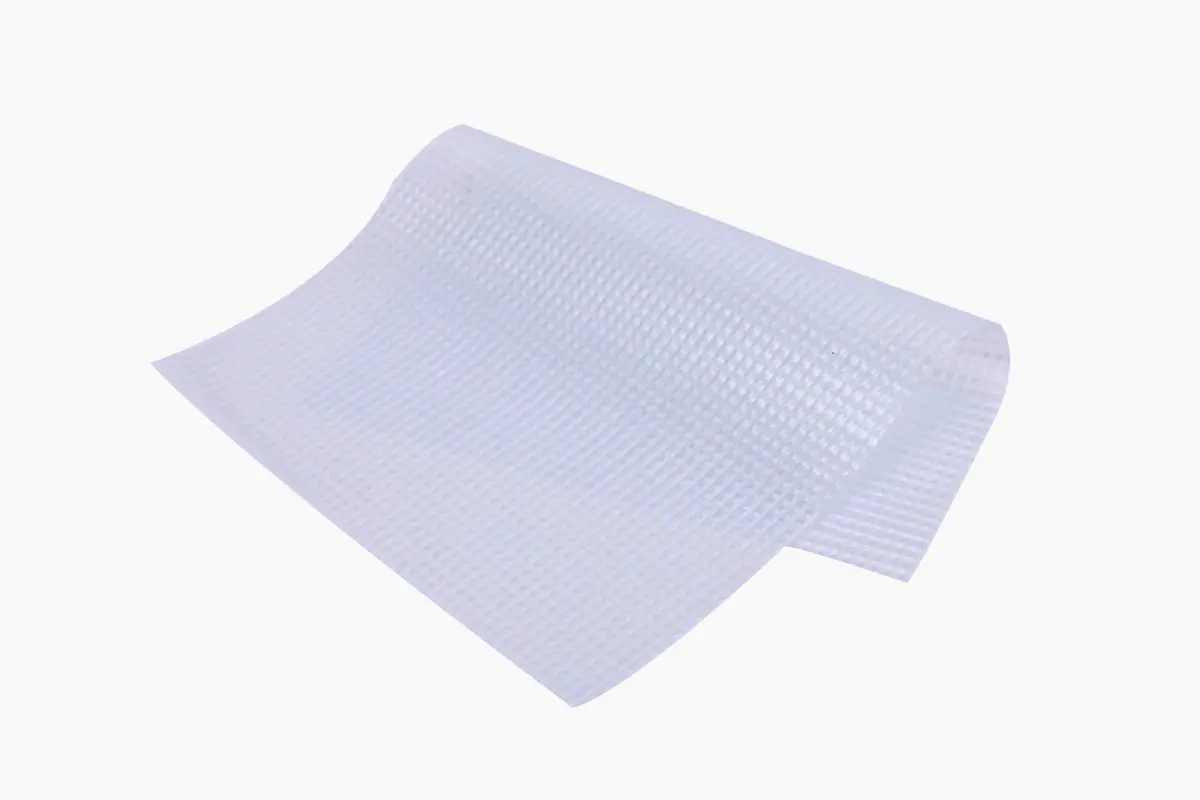 Industrial-Grade Reinforced UV-Resistant Clear Tarpaulin
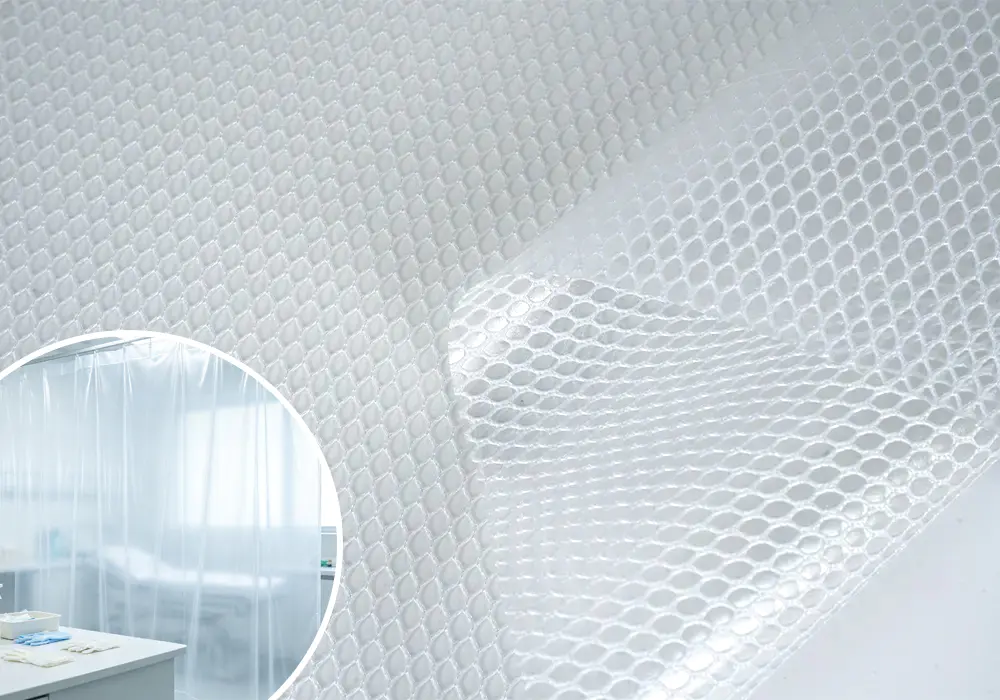 Clear Liquid Isolation Sterilizable Tarpaulin For Medical Application
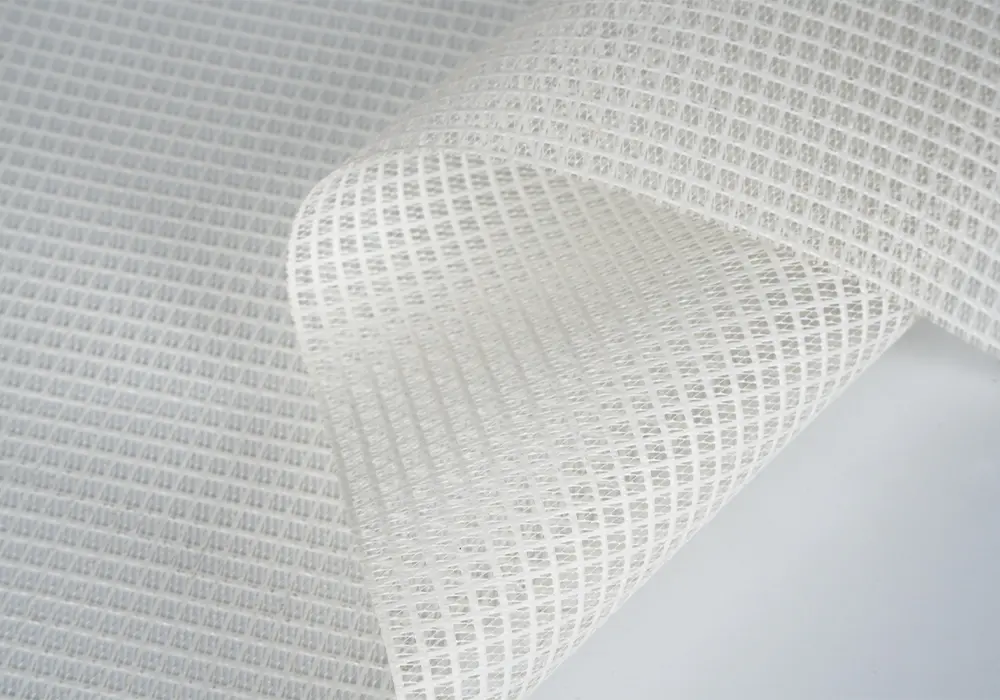 Breathable Wind Resistant Mesh Tarpaulin for Advertising
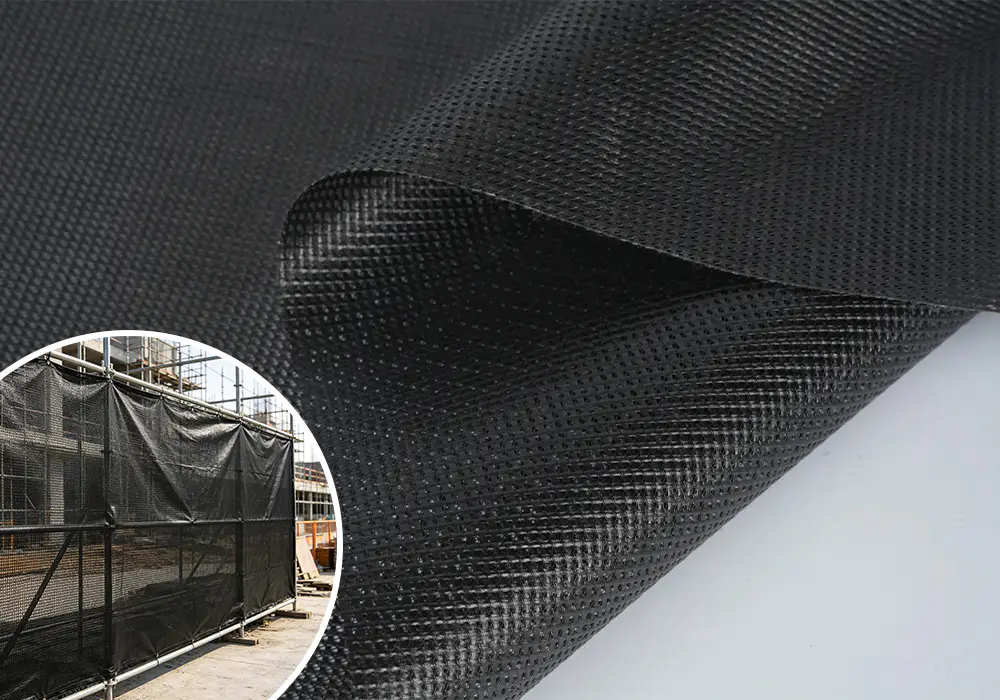 All Weather Heavy Duty Mesh Tarpaulin for Barrier Fencing
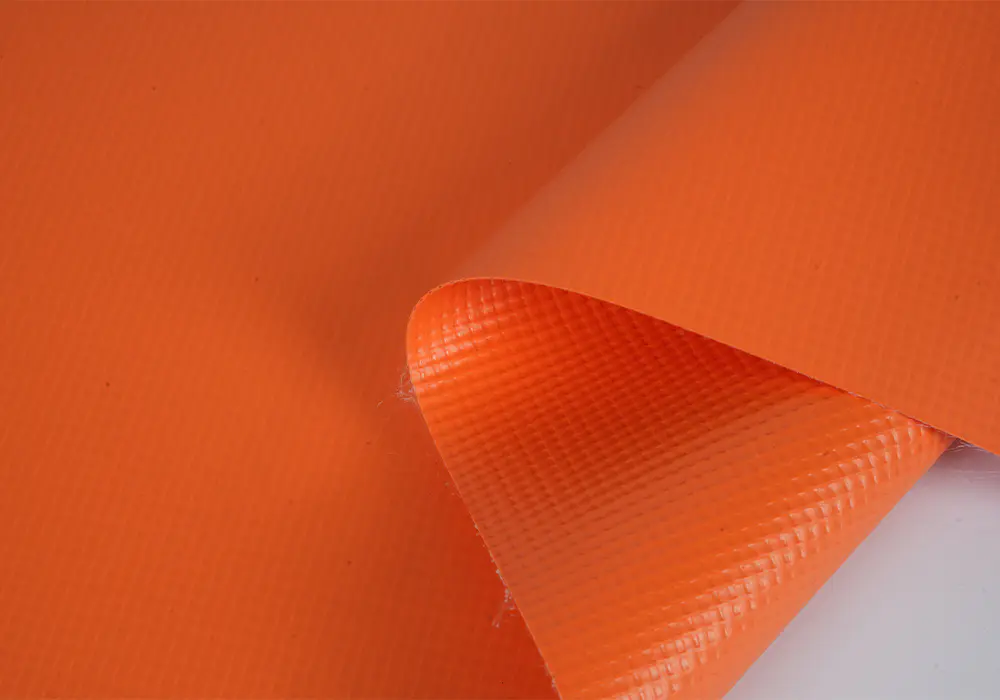 Flexible Wear Resistant PVC Tarpaulin For Luggage Bags
 Custom Digital Printing Fabric Manufacturers
 Previous