

 English
  中文简体
中文简体  Español
 News
Home / News / Industry News / What Factors Determine the Durability of a Waterproof Clear Tarpaulin?


Content
Waterproof clear tarpaulins have become essential solutions in outdoor protection, long-term storage, and shelter applications. Their versatility spans from industrial use to residential and agricultural settings, providing reliable coverage in a range of environmental conditions. However, not all tarpaulins offer the same longevity, and understanding the factors that determine durability is crucial for optimizing their performance and cost-effectiveness.
The durability of a waterproof clear tarpaulin begins with the materials used in its production. High-quality tarpaulins are often made from polyethylene, PVC, or a blend of synthetic fibers that offer resistance to tearing, stretching, and environmental degradation. The clarity of the tarpaulin does not compromise its protective qualities; advanced polymerization techniques ensure that the film remains transparent while maintaining strength.
The fabric structure, including weave density and lamination, plays a critical role in performance. A denser weave enhances tear resistance and minimizes puncture risks. Laminated tarpaulins provide an additional protective layer that increases tensile strength and prevents water infiltration.
Material Properties of a Waterproof Clear Tarpaulin
| Property | Description |
|---|---|
| Base Material | Polyethylene, PVC, or synthetic fiber blend |
| Weave Density | High-density weave improves tear resistance |
| Lamination | Single or double-layer lamination increases waterproofing |
| UV Stabilization | Additives protect against sun-induced degradation |
| Thickness | Typically ranges from 0.15mm to 0.35mm depending on intended use |
Exposure to sunlight, rain, snow, and wind significantly impacts the lifespan of tarpaulins. Ultraviolet (UV) radiation degrades polymer chains over time, causing the polymer to become brittle and crack. Therefore, the inclusion of UV stabilizers during manufacturing is a key factor in durability. A waterproof clear tarpaulin with proper UV resistance maintains both its transparency and structural integrity over extended periods.
Weatherproofing is equally important. Resistance to rain, snow, and wind ensures that the tarpaulin continues to provide a reliable barrier against moisture and debris. Reinforced edges and corner grommets prevent tearing under high wind conditions, while heat-sealed seams ensure that water does not penetrate the covering.
Tear strength is a direct measure of how well a tarpaulin withstands punctures, abrasions, and mechanical stress. Durable waterproof clear tarpaulins are designed with reinforced fibers, cross-laminated layers, and heavy-duty coatings to resist tearing. For outdoor applications, these properties are essential to prevent damage from branches, tools, or constant handling.
Mechanical performance also includes flexibility. While high tear strength is desirable, the tarpaulin must remain pliable enough to fold, transport, and install without cracking. A balance between rigidity and flexibility ensures both durability and usability.
The weakest points of any tarpaulin are often the seams and edges. Seam construction—whether stitched, heat-sealed, or welded—greatly influences long-term durability. Heat-sealed seams are preferred in waterproof clear tarpaulins as they create a continuous barrier without perforations that could allow water entry.
Edge reinforcement with extra layers or fabric binding prevents fraying, which is a common cause of tearing under tension. Tarpaulins used in high-stress environments, such as industrial sites or agricultural storage, particularly benefit from reinforced edges.
Edge and Seam Reinforcement Techniques
| Technique | Advantage |
|---|---|
| Heat-Sealed Seams | Waterproof and puncture-resistant |
| Double Stitching | Enhanced mechanical strength |
| Fabric Binding | Prevents fraying and extends life span |
| Corner Grommets | Secure anchoring points reduce stress on fabric |
Tarpaulins are frequently exposed to chemicals, oils, or fertilizers in agricultural and industrial settings. Resistance to chemical degradation is therefore essential. High-grade waterproof clear tarpaulins utilize polymers that do not react with common substances, maintaining structural integrity and transparency even under harsh conditions.
Temperature fluctuations, from freezing winters to hot summers, also affect durability. Materials must resist cracking in cold and softening in heat. UV-stabilized polyethylene and PVC blends are particularly effective, maintaining performance across a wide temperature range.
Even the durable tarpaulins require proper maintenance to maximize lifespan. Routine cleaning, avoiding prolonged exposure to abrasive surfaces, and correct storage when not in use are critical. Rolling or folding tarpaulins rather than crumpling them prevents stress points, and storing in a dry, shaded area minimizes UV and moisture damage.
Practical installation practices, such as avoiding overstretching and securing corners properly, reduce the likelihood of premature failure. Long-term durability is not only a product of material quality but also of correct handling and application.
The durability of a waterproof clear tarpaulin directly affects its performance in several applications:
Durability Factors vs. Application Benefits
| Durability Factor | Key Benefit in Application |
|---|---|
| UV Resistance | Maintains clarity and strength under prolonged sun exposure |
| Tear Strength | Protects contents from punctures and mechanical damage |
| Seam and Edge Reinforcement | Ensures long-term waterproofing and resistance to stress |
| Chemical Resistance | Safe for use in agricultural and industrial environments |
| Flexibility | Easy to handle, transport, and install |
The durability of a waterproof clear tarpaulin is determined by a combination of material properties, environmental resistance, mechanical performance, seam and edge construction, chemical tolerance, and proper maintenance. Each factor contributes to the overall ability of the tarpaulin to provide reliable, long-term protection in diverse applications. Understanding these elements ensures that users select the appropriate product for their specific requirements, both performance and lifespan.
High-quality waterproof clear tarpaulins with UV resistance, strong tear strength, reinforced edges, and chemical stability offer versatile solutions across construction, agriculture, storage, and outdoor shelter needs. Proper installation and maintenance further enhance durability, ensuring that the investment in these protective coverings delivers consistent, long-term value.
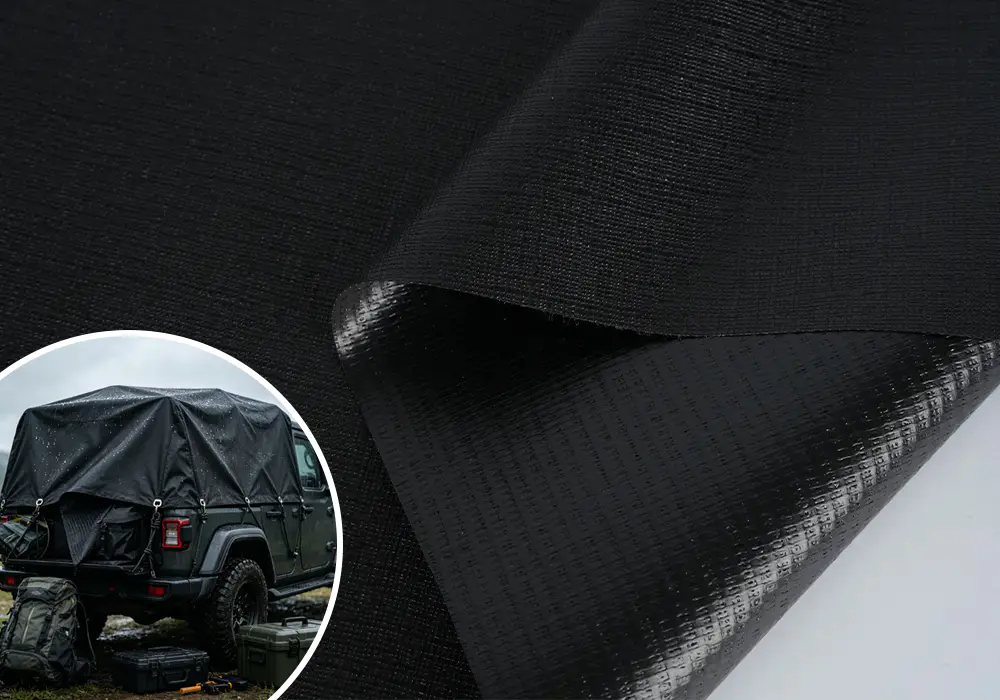 Weatherproof Printable Waterproof Tarpaulin For Camper RV
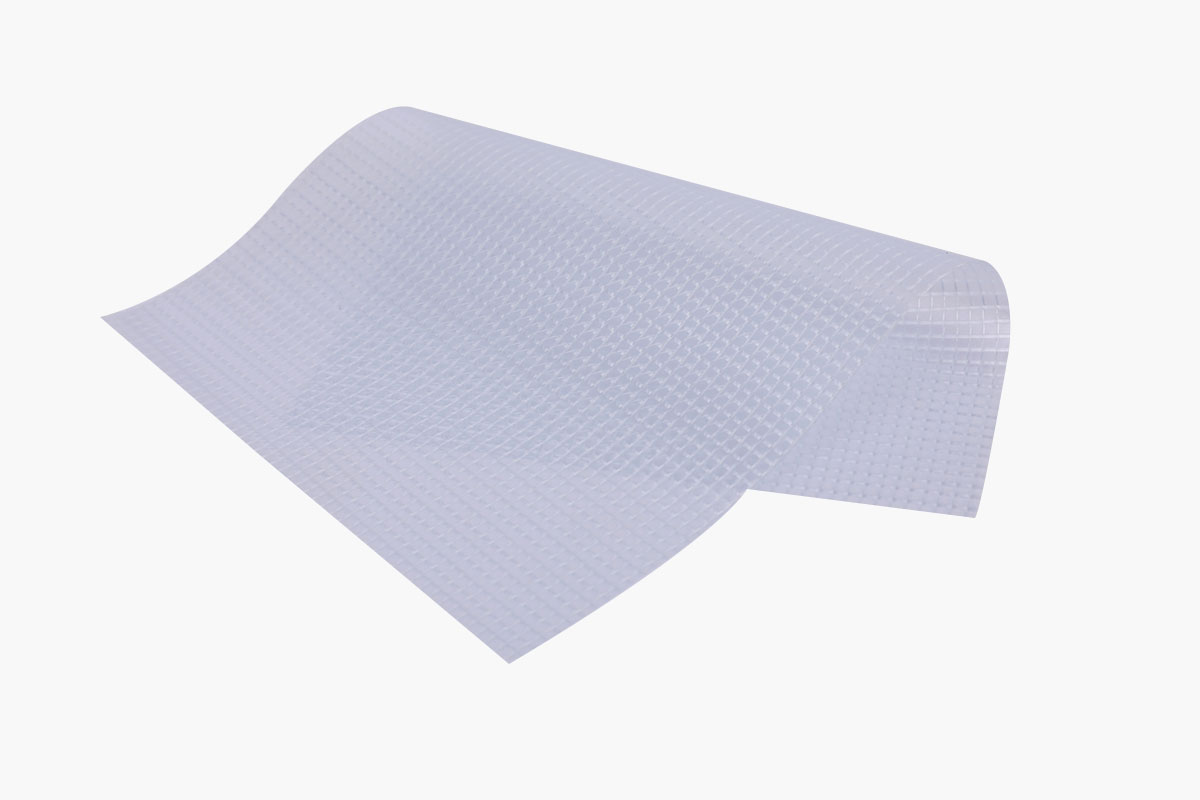 Heavy-Duty Waterproof Clear Tarpaulin
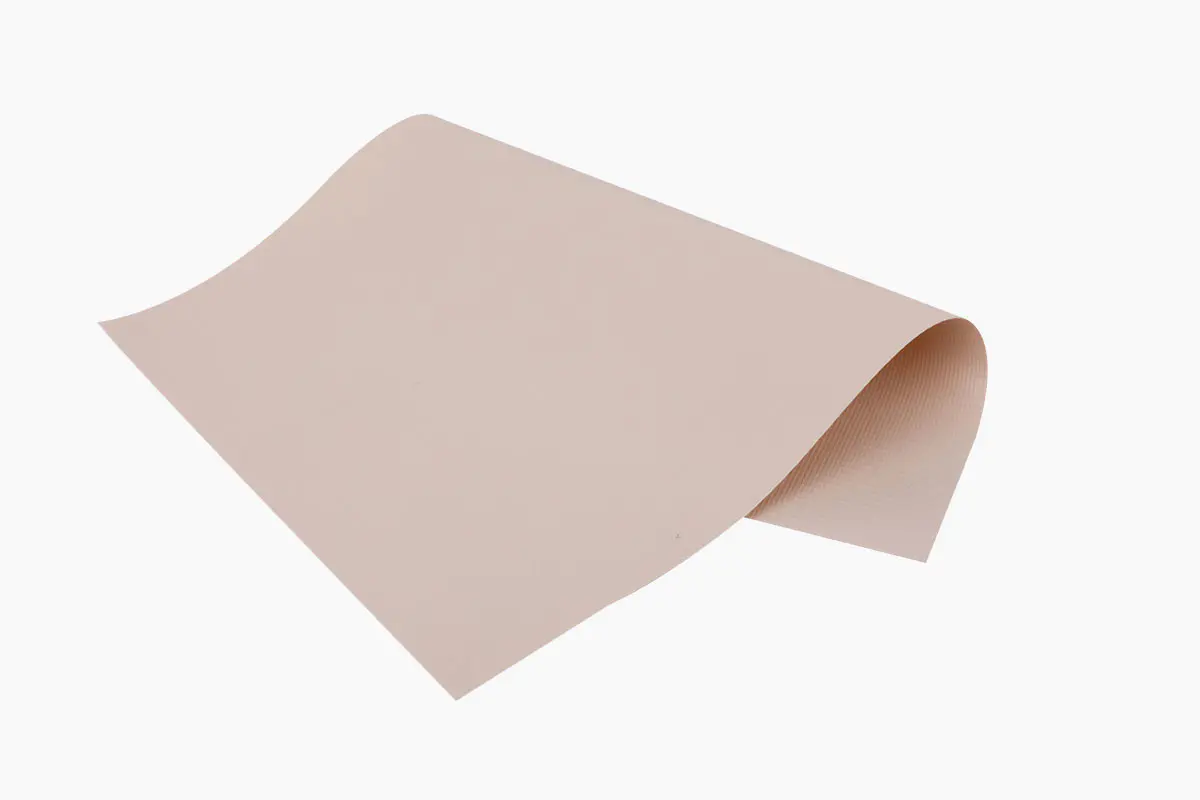 Heavy-Duty Reinforced Waterproof Tarpaulin
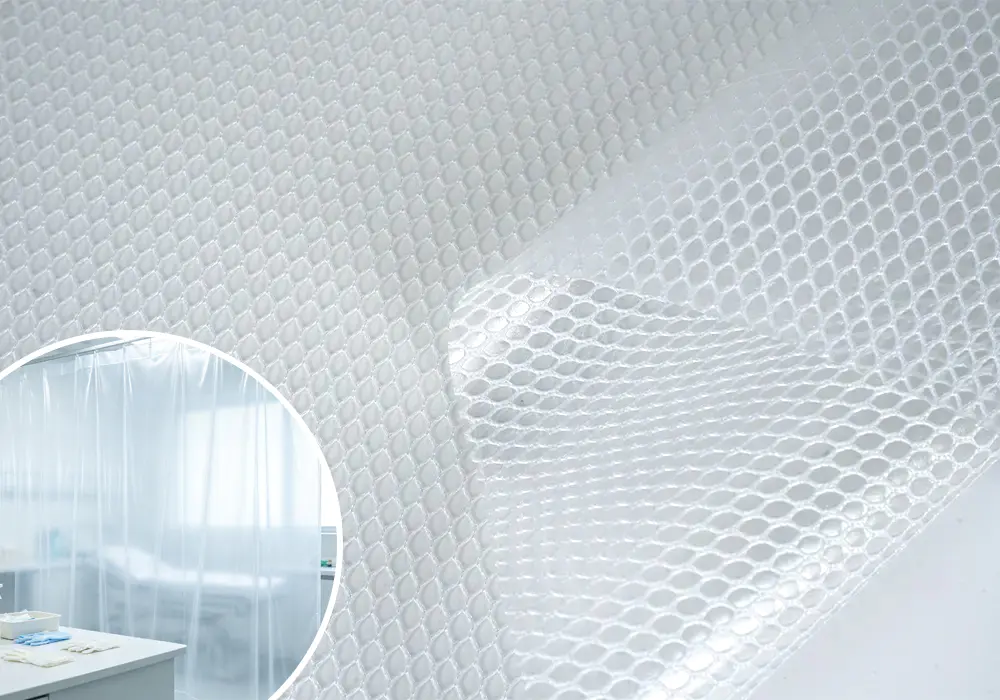 Clear Liquid Isolation Sterilizable Tarpaulin For Medical Application
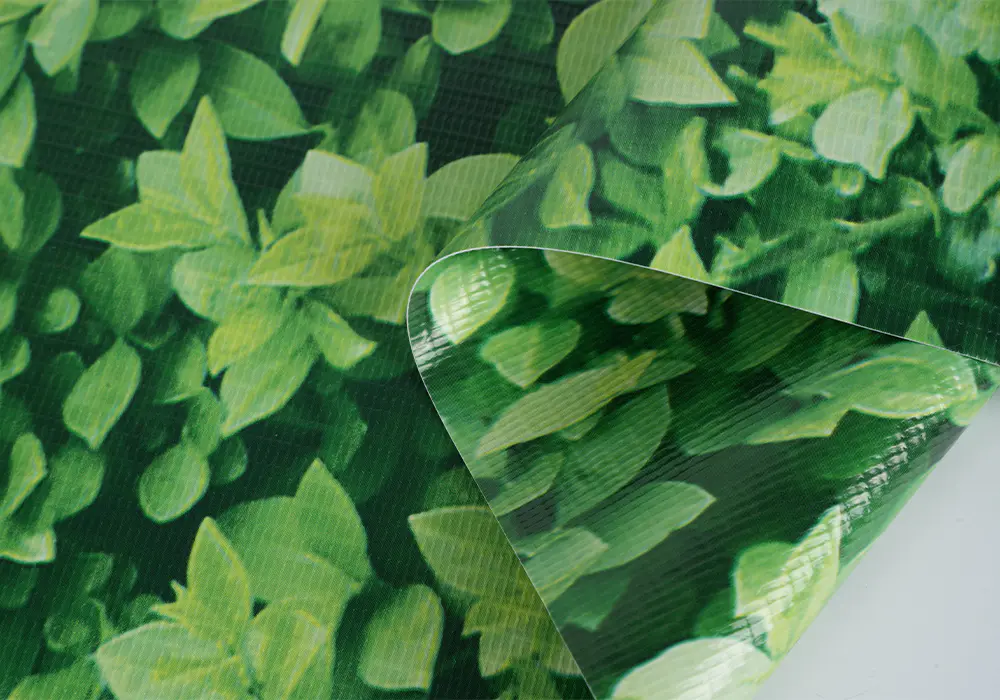 Thickened Privacy Waterproof Tarpaulin For Garden Barrier Fence
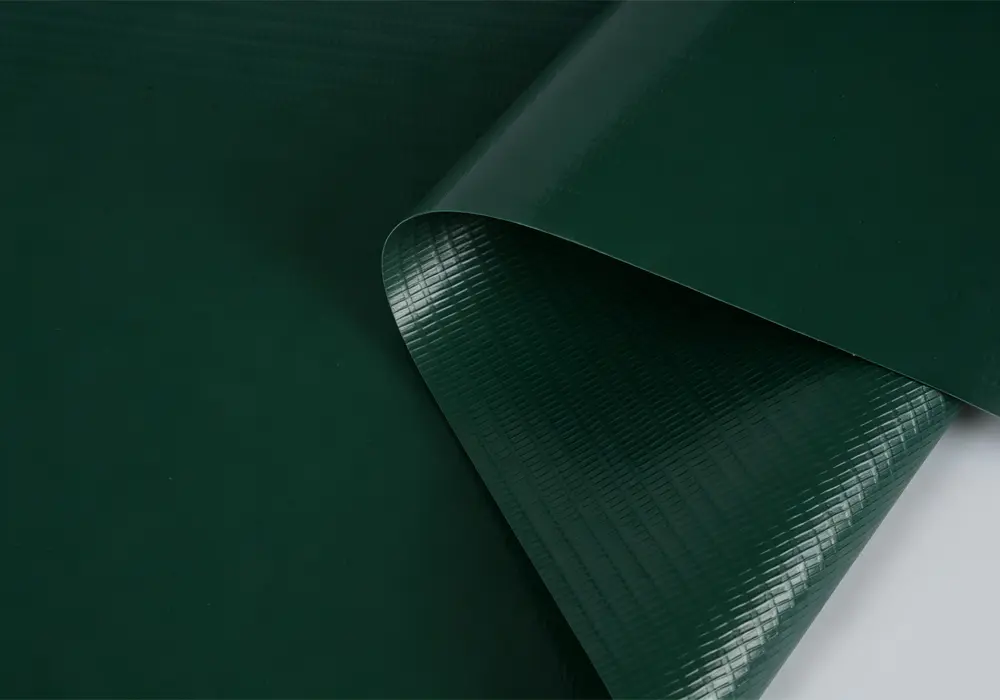 Decorative Waterproof Tarpaulin For Garden Fence Screening
 Custom Digital Printing Fabric Manufacturers
 Previous