

 English
  中文简体
中文简体  Español
 News
Home / News / Industry News / Exploring the Durability of Heavy Duty Waterproof Tarpaulin Fabric in Modern Applications


Content
Heavy duty waterproof tarpaulin fabric has become an essential material in a variety of industries due to its unique combination of strength, flexibility, and resistance to environmental challenges. Its durability ensures long-lasting protection for goods, equipment, and structures exposed to harsh conditions. As industries seek reliable solutions for outdoor applications, understanding the durability features of heavy duty waterproof tarpaulin becomes crucial for procurement and planning.
Durability is the core feature that defines heavy duty waterproof tarpaulin. The fabric’s ability to withstand repeated stress, resist tearing, and maintain waterproofing under varying weather conditions makes it highly valuable in outdoor and industrial environments. Unlike standard tarpaulin materials, heavy duty waterproof tarpaulin is engineered to endure conditions without compromising its structural integrity.
Durable tarpaulin fabric ensures that investment in protective covering is worthwhile over long-term use, reducing replacement costs and minimizing the risk of exposure to moisture, dust, and UV damage.
| Feature | Description |
|---|---|
| Tear Resistance | Reinforced fibers provide high resistance to punctures and rips. |
| UV Protection | Special coatings prevent degradation from prolonged sunlight exposure. |
| Waterproofing | Multi-layer construction ensures complete water repellency. |
| Heavy Duty Strength | Can withstand heavy loads, wind pressure, and frequent handling. |
| Flexibility | Maintains form and usability even under bending or folding. |
The exceptional durability of heavy duty waterproof tarpaulin fabric is largely determined by its material composition and reinforcement techniques. Most heavy duty waterproof tarpaulin uses a combination of high-density polyethylene (HDPE) or polyvinyl chloride (PVC) coatings over woven polyester or polypropylene fibers. These materials are not only waterproof but also resistant to stretching and mechanical stress.
Additional reinforcement techniques, such as double-stitched hems, heat-welded seams, and edge binding, significantly improve the tear resistance and overall longevity of the tarpaulin. These methods ensure that even under prolonged exposure to harsh conditions, the fabric maintains its protective qualities.
Heavy duty waterproof tarpaulin fabric is widely applied in multiple areas due to its durability:
Construction Sites: Covering equipment and materials to prevent water damage.
Transportation: Truck covers and cargo protection during shipment.
Agriculture: Protecting crops, feed, and machinery from rain and UV exposure.
Camping and Outdoor Events: Temporary shelters and protective covers.
Industrial Storage: Shielding machinery and inventory in warehouses and open yards.
By focusing on durability, industries ensure that the fabric performs under repeated use and exposure to diverse environmental conditions, which is a primary requirement for heavy duty waterproof tarpaulin.
| Application | Key Requirement | Role of Durability |
|---|---|---|
| Construction | Cover heavy machinery | Prevents tear and ensures waterproofing under wind pressure |
| Transport | Cargo protection | Maintains integrity during loading, unloading, and transit |
| Agriculture | Protect crops and equipment | Resists UV and water damage |
| Outdoor Events | Temporary shelters | Provides consistent protection against weather |
| Industrial Storage | Long-term equipment coverage | Supports heavy weight and prolonged exposure |
Durability in heavy duty waterproof tarpaulin fabric is closely tied to its resistance to environmental factors. High-quality fabric maintains structural integrity when exposed to:
UV radiation, which can cause cracking and fading in inferior materials
Heavy rainfall, ensuring waterproofing is retained
High winds and abrasive surfaces, preventing tearing or punctures
Temperature fluctuations, avoiding brittleness in cold or softening in heat
These factors ensure that heavy duty waterproof tarpaulin remains reliable for long-term outdoor use, making it a preferred choice for industries that require consistent protection.
| Environmental Factor | Performance Requirement | Fabric Response with Heavy Duty Tarpaulin |
|---|---|---|
| UV Exposure | Maintain tensile strength | Coated with UV-resistant material |
| Rain and Moisture | Ensure waterproofing | Multi-layer structure prevents leaks |
| Abrasion | Resist wear and tear | Reinforced woven fibers |
| Temperature Variations | Retain flexibility and shape | Thermally stable materials |
The durability of heavy duty waterproof tarpaulin fabric is a decisive factor in its widespread adoption across industries. Its resistance to tearing, UV degradation, water infiltration, and mechanical stress ensures long-term usability and cost-efficiency.
Selecting the right tarpaulin fabric involves understanding its durability features, material composition, and reinforcement techniques. By prioritizing these aspects, industries can secure effective protection for their assets, reduce replacement cycles, and maintain operational efficiency.
Heavy duty waterproof tarpaulin fabric stands out as a versatile, resilient, and indispensable material for modern industrial and outdoor applications.
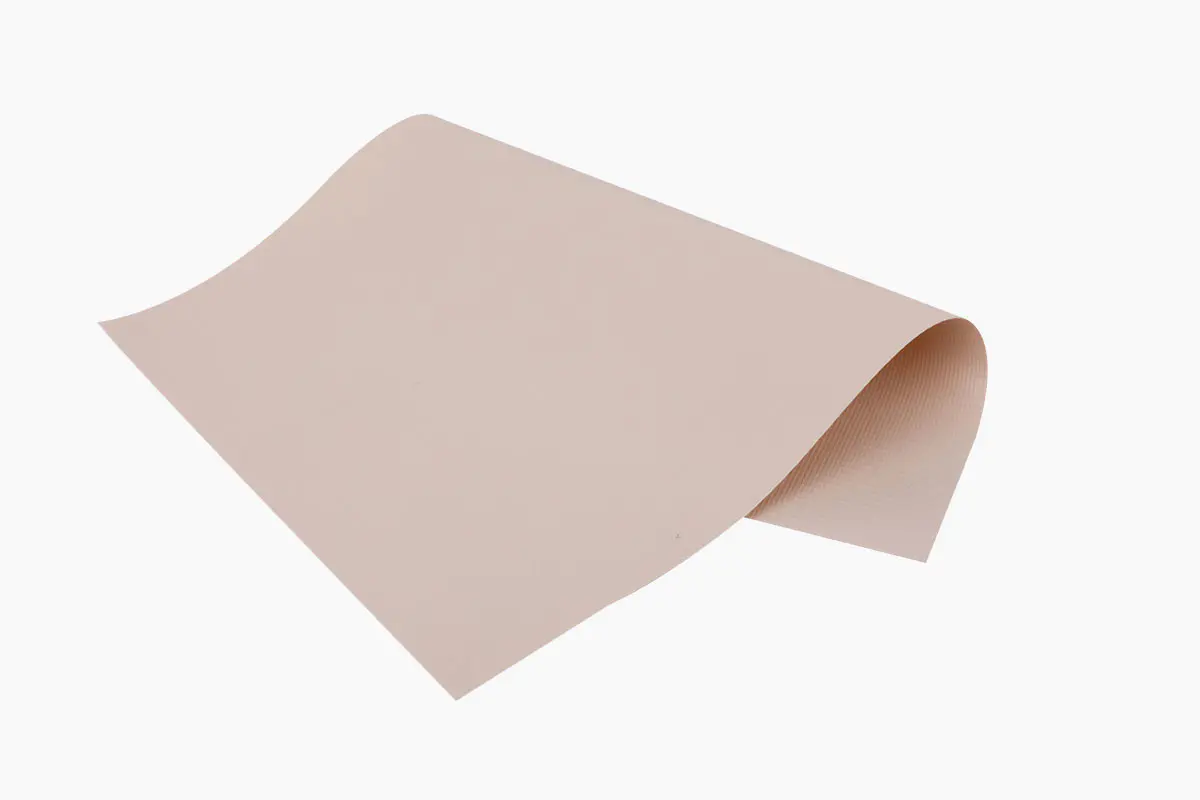 Heavy-Duty Reinforced Waterproof Tarpaulin
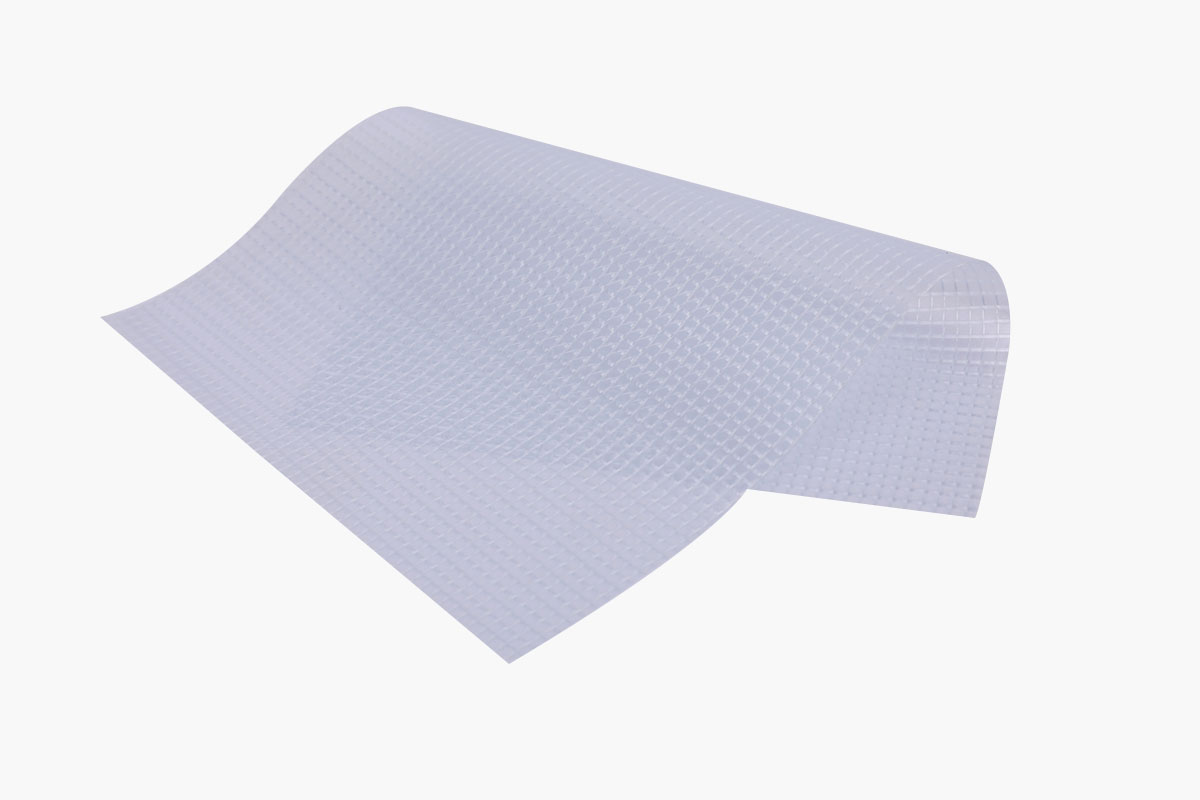 Heavy-Duty Waterproof Clear Tarpaulin
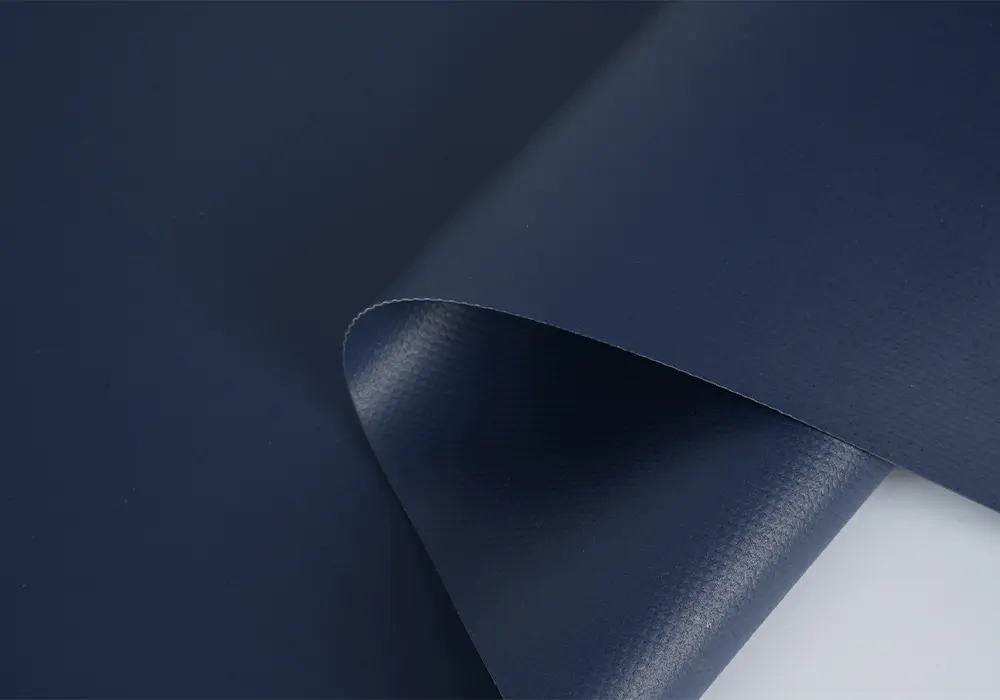 Heavy Duty Waterproof Tarpaulin For Truck Side Curtain
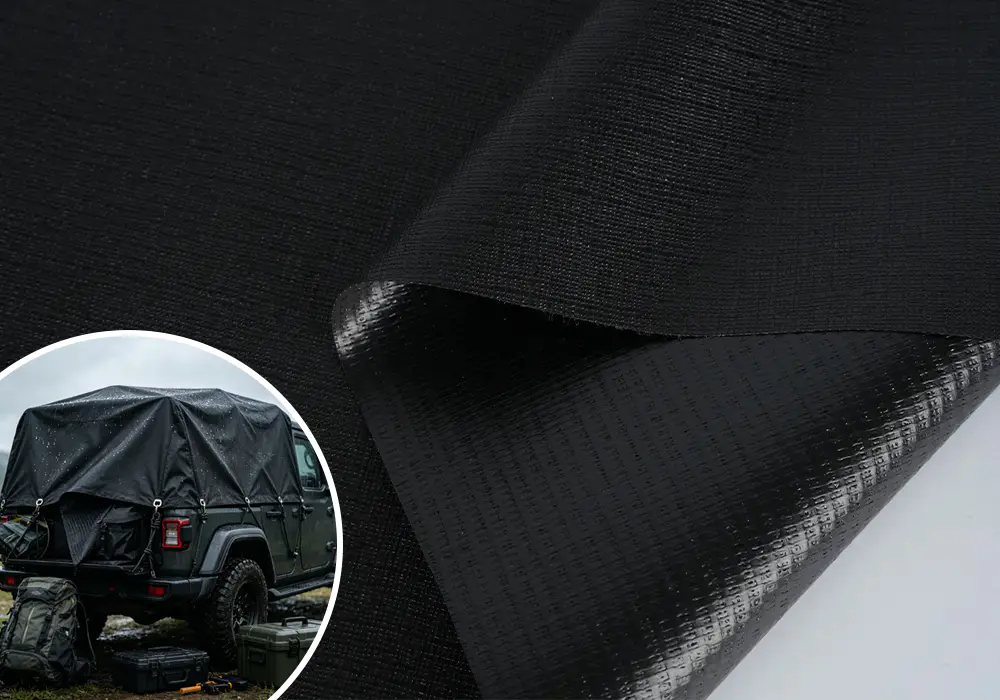 Weatherproof Printable Waterproof Tarpaulin For Camper RV
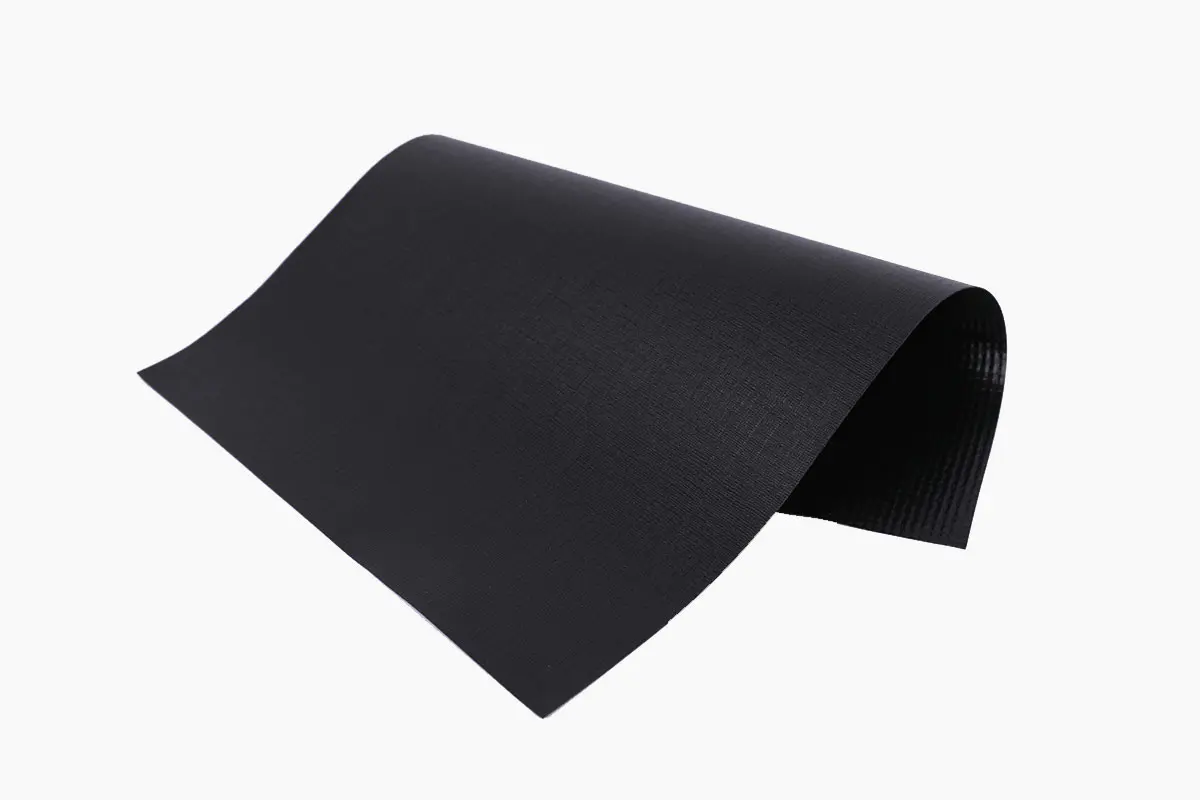 Heavy-Duty High-Performance Camouflage-Printed Tarpaulin
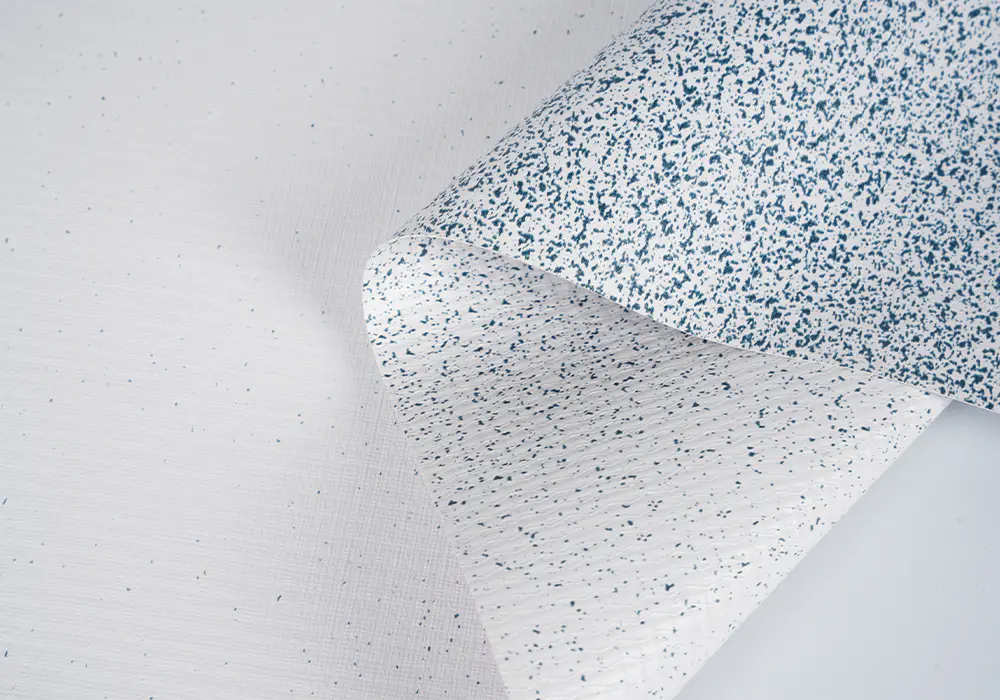 Heavy Duty Printable UV Block Tarpaulin For RV Awning
 Custom Digital Printing Fabric Manufacturers
 Previous