

 English
  中文简体
中文简体  Español
 News
Home / News / Industry News / Heavy-Duty PVC Tarps: Complete Specification, Applications and Selection Guide


Content
Heavy-duty PVC tarpaulins protect cargo, machinery, building materials and agricultural produce in some of the most demanding outdoor conditions in the world. A correctly specified and well-maintained PVC tarp can remain serviceable for more than a decade, while a low-cost polyethylene sheet often fails within a single season. For procurement professionals and end users, the difference lies not in the look of the fabric, but in measurable manufacturing parameters.
This guide explains how heavy-duty PVC tarps are constructed, which technical figures on a data sheet really matter, how PVC compares with polyethylene and canvas, and how to choose the correct specification for construction, transport, agriculture, mining and emergency use. The information reflects the manufacturing practices typical of established PVC tarpaulin producers that export to Europe, North America, the Middle East and Southeast Asia. These producers usually combine in-house coating lines with custom cutting and finishing, which makes non-standard sizes and customized products easier to source.
Heavy-duty means more than a thick sheet. Real performance comes from the woven scrim, the coating formulation, the seam construction and the edge finishing. Each element is examined in this guide.
A heavy-duty PVC tarp is a composite sheet made from a woven polyester scrim encapsulated between outer layers of plasticized polyvinyl chloride. Each layer performs a distinct mechanical task. The woven polyester core carries tensile loads and resists tearing. The PVC coatings create a waterproof barrier, shield the fabric from ultraviolet radiation, and protect the scrim from abrasion and chemical attack.
Scrim density is the first indicator of genuine heavy-duty performance. Professional tarp fabrics are woven from high-tenacity polyester yarns in dense thread counts. When a tarp is pulled taut over a load or exposed to strong wind, the scrim must absorb the force without stretching permanently or allowing a rip to propagate. A loose or lightweight scrim is the most common reason a product labeled as heavy duty fails prematurely.
The complete product, however, also depends on finishing. Heavy-duty tarps always include a folded and reinforced hem, corrosion-resistant eyelets spaced around the perimeter, and welded or stitched seams wherever panels are joined. These details decide how well the tarp survives handling, repeated installation and long exposure.
| Component | Main function | Typical specification |
|---|---|---|
| Woven polyester scrim | Load-bearing core, tear resistance | 500 to 1,100 gsm finished fabric |
| PVC top coating | Weathering, UV protection, color retention | 0.25 to 0.45 mm per side |
| PVC bottom coating | Waterproof barrier, reduces wicking | 0.25 to 0.45 mm per side |
| Reinforced hem | Prevents edge tearing and unraveling | 20 to 40 mm fold, stitched or welded |
| Eyelets | Secure anchoring and rope attachment | Brass or stainless steel, spaced 45 to 60 cm |
Buyers frequently compare PVC tarps with polyethylene tarps and traditional canvas tarps. Each material has a different balance of durability, weight, flexibility and initial price. The choice depends on how long the tarp must last, how often it will be moved, and what weather conditions it will face.
| Property | PVC tarp | Polyethylene tarp | Canvas tarp |
|---|---|---|---|
| Tear resistance | Excellent | Fair | Good |
| Waterproofing | Fully waterproof | Fully waterproof | Water-resistant, not fully waterproof |
| Outdoor service life | 5 to 12 years | 1 to 3 years | 1 to 3 years |
| Cold weather flexibility | Good | Becomes stiff and brittle | Good |
| Mold and mildew resistance | Excellent | Excellent | Poor |
| Ease of repair | Easy with patch and adhesive | Difficult | Moderate |
| Relative cost | Medium to high | Low | Medium |
Polyethylene tarps are inexpensive and light, but their short service life and poor resistance to cold and UV make them a recurring expense. Canvas absorbs moisture, develops mildew in humid climates and is difficult to keep fully waterproof. Heavy-duty PVC offers the best combination of long-term weather resistance, cleanability and structural strength. The higher purchase price is recovered through much longer replacement cycles.
A technical data sheet can tell you whether a tarp is genuinely heavy duty. The following specifications are the most relevant for outdoor covering work. When comparing quotes, ask every supplier to provide the same set of data, otherwise the comparison is meaningless.
| Specification | Typical heavy-duty range | What it affects |
|---|---|---|
| Fabric weight | 500 to 1,100 gsm | Puncture resistance, stiffness, handling weight |
| Total thickness | 0.45 to 0.90 mm | Protection level, abrasion life |
| Tensile strength | 1,800 to 3,500 N per 5 cm | Resistance to pulling forces and wind load |
| Tear strength | 200 to 450 N | Stops rips from spreading after a puncture |
| Coating adhesion | 60 to 120 N per 5 cm | Keeps PVC layer bonded to the scrim |
| UV stabilizer level | 24 to 60 months protection | Service life under direct sunlight |
| Operating temperature | -30 C to +70 C | Flexibility in winter, strength in summer |
Fabric weight alone does not describe quality. Two fabrics with identical grammage can have very different tear strength if the scrim construction, yarn tenacity and coating formulation are not the same. Ask specifically for tensile and tear values, and verify that the test direction covers both warp and weft orientation.
The manufacturing route determines uniformity, dimensional stability and long-term performance. Understanding the main steps helps buyers ask better questions when auditing a factory or reviewing a production schedule.
Large PVC tarp factories in coastal areas of China operate their own coating and lamination lines and ship most production through nearby container ports. Buying directly from such a factory allows a customer to specify custom dimensions, colors and printing without paying brand margins.
Selection is a specification task, not a price comparison. Work through environment, load, duration and fixing method before requesting a quote. The table below shows the three common weight classes and their typical uses.
| Grade | Fabric weight | Typical applications |
|---|---|---|
| Medium-duty | 500 to 650 gsm | Temporary shelters, events, light equipment covers |
| Heavy duty | 650 to 850 gsm | Construction sites, agriculture, logistics |
| Extra heavy | 850 to 1,100 gsm | Mining, quarrying, long-term outdoor storage |
For temporary shading and event use, 500 to 650 gsm fabrics are adequate. For construction sites, agriculture and logistics, 650 to 850 gsm covers most requirements. For mining, quarrying and long-term outdoor storage, choose 850 to 1,100 gsm fabrics to survive heavy abrasion and repeated handling.
Black tarps are popular for heavy-duty work because carbon black pigment gives outstanding UV resistance and blocks light completely. White tarps reflect solar heat, which keeps covered equipment cooler in hot climates. Green, blue and custom printed colors are usually selected for visual identity or site safety standards.
Verify the hem width, stitching density and eyelet spacing. A professional heavy-duty tarp normally has a 20 to 40 mm hem, reinforced corners and eyelets every 45 to 60 cm. Edge finishing is the first place where cost cutting becomes visible, and a poorly finished edge shortens the whole tarp life.
Ask for test certificates for tensile strength, tear strength, flame retardancy and UV resistance before placing an order. If the tarp will be used in food or pharmaceutical logistics, check that the formulation is free of heavy-metal stabilizers. Flame retardancy should be confirmed on the finished fabric, not only on the raw resin.
When you need a non-standard size, a shape with cutouts or a printed surface, provide a dimensioned drawing. Producers with in-house coating lines can adapt width and lamination more easily than trading companies, and custom production usually remains surprisingly cost-effective at container volume.
Heavy-duty PVC tarps are not single-purpose products. Their combination of flexibility, strength and weather resistance makes them practical in a wide range of environments.
Flatbed trailers, side curtains, rail wagons and barge covers spend most of their working life exposed to sun, rain and wind. Heavy PVC tarps keep cargo dry, resist the abrasion of lashing straps and remain flexible enough for daily folding. Corrosion-resistant eyelets are essential for secure rope tensioning.
Construction sites use heavy-duty tarps to protect sand, cement, rebar, scaffolding and unfinished roofs. Puncture resistance matters because building materials have sharp edges. Flame retardancy is often a site safety requirement, and large covers may need welded panels to prevent leaks along the joints.
Grain piles, hay bales, fertilizer pallets and farming machinery are commonly covered with PVC tarps. Black tarps block light and reduce heating inside covered material. In humid regions, the mold-resistant surface of PVC is a major advantage over natural fiber fabrics.
Mining operations use extra-heavy tarps to suppress dust on stockpiles, protect crushers and conveyors, and line temporary containment areas. High tear strength is critical because these tarps are dragged over rough ground and repositioned with heavy equipment. Abrasion resistance can be improved by requesting thicker coating layers.
Disaster relief shelters, temporary warehouses and expedition bases rely on lightweight and medium-weight PVC tarps. Welded seams and strong hems make the difference between a shelter that survives a storm and one that fails at the first strong gust. The same properties make PVC tarps popular for camping, events and field operations.
Even the strongest tarpaulin lasts longer with basic care. The maintenance routine is simple and follows a few practical rules.
Small punctures can be repaired with a PVC patch and adhesive or hot-air welding. For industrial tarps, ask the supplier for a patch kit when you place the initial order. Early repair of a 5 cm tear costs minutes, while ignoring it can turn into a complete panel replacement.
With a 650 gsm or heavier fabric and adequate UV stabilizers, expect five to ten years of service in most climates. In regions with intense year-round sunlight, the range drops to roughly three to six years. Regular maintenance, proper fastening and drainage will push the service life toward the upper end of the range.
GSM stands for grams per square meter and describes the total fabric weight, including the scrim and both PVC coatings. Heavier fabric generally means better puncture protection and stiffness, but gsm is not the only quality factor. Scrim density, yarn tenacity and coating adhesion must also be checked before judging a tarp.
Yes. Flame-retardant additives are incorporated into the PVC plastisol before coating, so the property is built into the entire sheet rather than sprayed on the surface. Specify flame retardancy at the inquiry stage and ask for a test certificate on the finished fabric. Flame-retardant material is not non-burning; it resists ignition and limits flame spread.
Clean the area around the damage, cut a PVC patch with rounded corners, and bond it with PVC adhesive or hot-air welding. Overlap the patch by at least 5 cm on every side and press it firmly under uniform pressure. For damaged eyelets, a professional repair shop can punch a new hole and insert a replacement eyelet without replacing the whole tarp.
Yes. Most manufacturers with in-house coating lines accept custom lengths, widths, colors and printed surfaces. Provide a dimensioned drawing or a sample for shapes with cutouts or irregular panels. Custom colors and full-surface printing usually involve a minimum order quantity, while simple size changes are generally available from one container load upward.
Choosing a heavy-duty PVC tarp is ultimately an engineering decision. Weight, scrim construction, coating formulation, edge finishing and test data determine how long the tarp will protect your assets. For buyers with custom requirements, a direct discussion with the manufacturer is the fastest way to convert a drawing or a list of operating conditions into a production-ready specification.
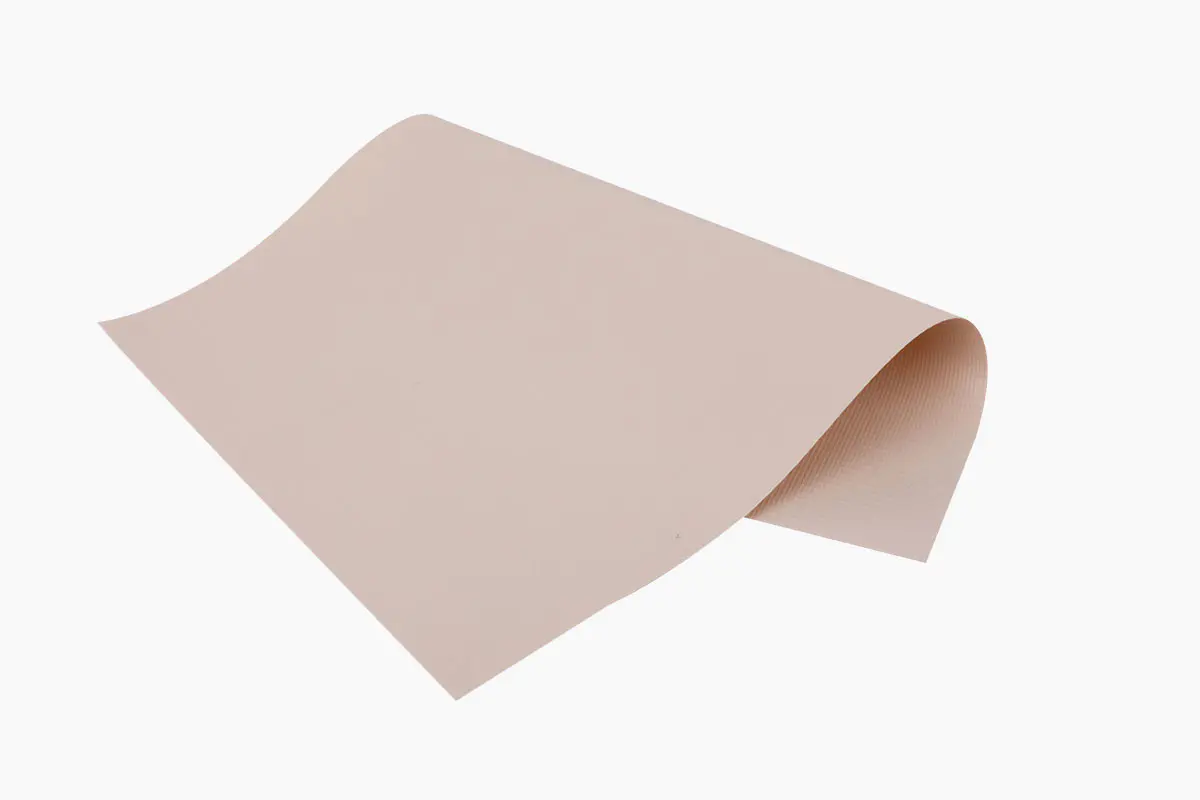 Heavy-Duty Reinforced Waterproof Tarpaulin
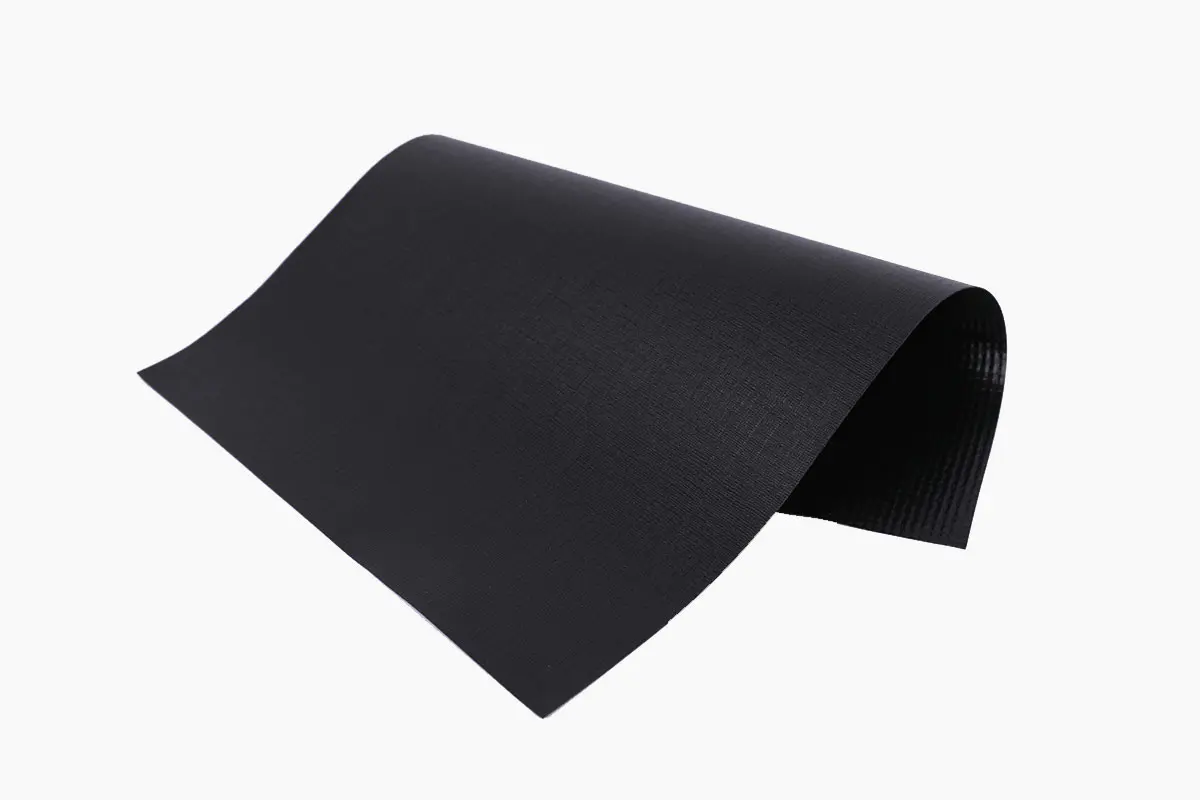 Heavy-Duty High-Performance Camouflage-Printed Tarpaulin
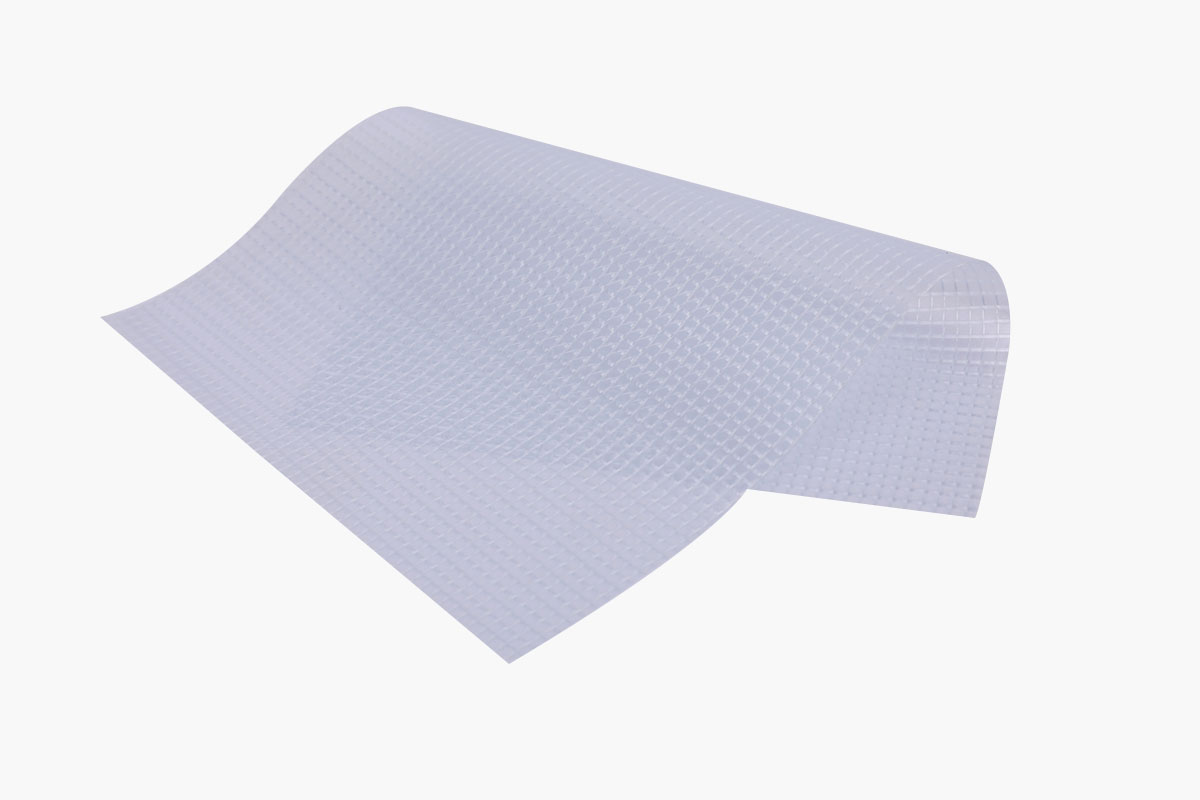 Heavy-Duty Waterproof Clear Tarpaulin
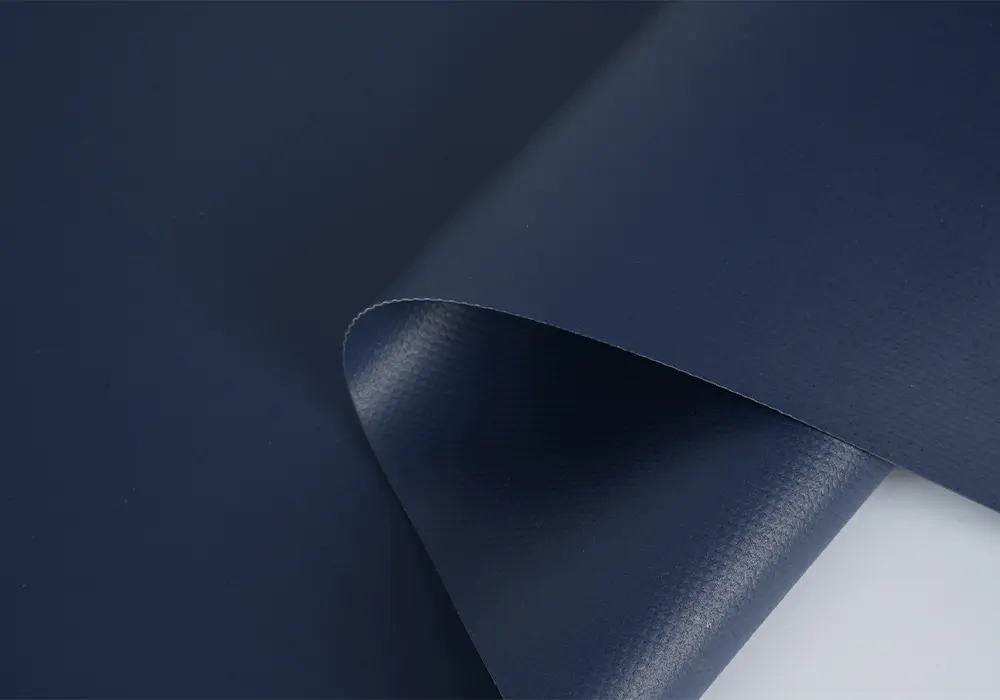 Heavy Duty Waterproof Tarpaulin For Truck Side Curtain
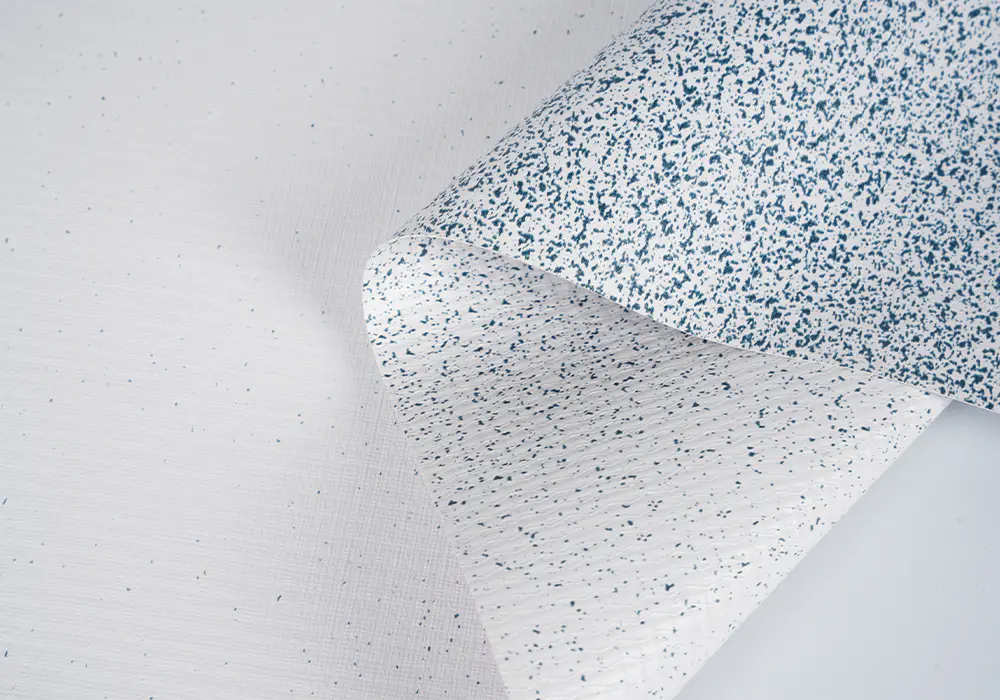 Heavy Duty Printable UV Block Tarpaulin For RV Awning
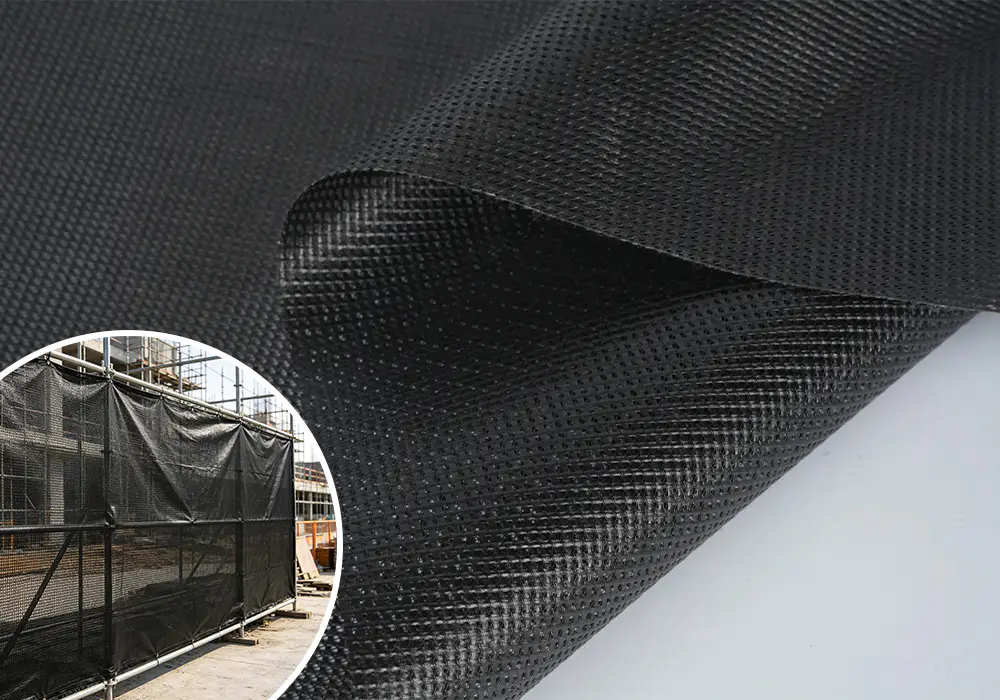 All Weather Heavy Duty Mesh Tarpaulin for Barrier Fencing
 Custom Digital Printing Fabric Manufacturers
 Previous