

 English
  中文简体
中文简体  Español
 News
Home / News / Industry News / How Does Industrial Tarpaulin Protect Your Equipment from the Elements?


Content
Industrial tarpaulin is an essential tool for protecting various equipment and machinery against environmental factors like rain, snow, wind, and harsh sunlight. These durable sheets, typically made from materials such as polyethylene, PVC, or canvas, are designed to shield equipment from potential damage, ensuring its longevity.
Industrial tarpaulin refers to a large, flexible sheet made from durable materials used primarily to cover and protect machinery, tools, and large equipment. The primary purpose is to shield the underlying items from the elements, whether it be for outdoor storage or during transport. This protective sheet helps maintain the functionality and aesthetic of the equipment by preventing exposure to environmental stressors such as rain, dust, and UV rays.
| Feature | Description |
|---|---|
| Durability | Industrial tarpaulin is designed to withstand harsh conditions, including UV exposure, heavy rainfall, and temperatures. |
| Water Resistance | The material is usually waterproof, preventing water from seeping through and damaging the equipment beneath. |
| Weatherproofing | Provides protection from a range of weather conditions, including snow, rain, and wind, safeguarding valuable machinery and equipment. |
| Lightweight & Flexible | Tarpaulins are typically lightweight, making them easy to handle and transport. They also come in flexible forms that can be molded to different shapes. |
| Fire Resistance | Certain industrial tarpaulins are treated to resist fire, which adds an extra layer of safety when covering flammable equipment or materials. |
Protection from Moisture
One of the significant benefits of using industrial tarpaulin is its ability to prevent moisture damage. In industrial settings, equipment exposed to moisture can rust, corrode, or develop mildew. Industrial tarpaulin’s waterproof quality creates an effective barrier against rain, humidity, and snow, ensuring that sensitive machinery and equipment remain dry and functional.
Prevention of Rust and Corrosion
When equipment is left uncovered, it is vulnerable to oxidation and rust formation due to exposure to the elements. Industrial tarpaulin offers a protective layer that prevents water from contacting metal surfaces, significantly reducing the risk of rust and corrosion over time.
UV Protection
Industrial tarpaulin is often treated with UV inhibitors that prevent damage from prolonged exposure to the sun. Without UV protection, materials such as rubber, plastic, and metal can deteriorate, becoming brittle and weakened. By using industrial tarpaulin, you ensure that your equipment remains safe from harmful UV rays, which can expensive repairs or replacements.
Temperature Regulation
Extreme temperatures can cause equipment parts to warp, crack, or become less effective. Tarpaulin offers a level of insulation, helping to regulate the temperature of your equipment by preventing it from overheating during hot weather and freezing in cold temperatures.
Dust and Debris Protection
In many industrial environments, dust and debris are constant threats to machinery. Industrial tarpaulins prevent the buildup of dust and other particles, keeping your equipment clean and functioning smoothly. This is particularly beneficial in sectors such as construction, agriculture, and mining, where dust is abundant.
Cost-Effective Solution
Compared to other protection methods, industrial tarpaulins are a cost-effective solution. They offer a budget-friendly way to protect large equipment without the need for complex installation processes. The material is reusable and can serve its purpose for extended periods if properly maintained.
Easy to Use and Maintain
Industrial tarpaulins are designed to be user-friendly. They can be easily installed, removed, and maintained, making them an ideal choice for businesses requiring quick and hassle-free protection for their equipment.
Several types of materials are used to manufacture industrial tarpaulins, each with its specific advantages and applications.
Polyethylene (PE) Tarpaulin
Polyethylene tarpaulins are among the common due to their affordability and water resistance. They are often used in situations where long-term durability is not as critical but protection from rain and snow is necessary.
PVC Tarpaulin
PVC-coated tarpaulins offer durability and are resistant to weather conditions. They are commonly used for heavy-duty applications, such as in transportation or for covering large industrial equipment.
Canvas Tarpaulin
Known for its strength, canvas tarpaulin is ideal for protecting equipment that requires high durability. While canvas is more expensive than polyethylene, it offers protection against wear and tear and is breathable, preventing moisture buildup underneath.
Polypropylene Tarpaulin
Lightweight yet strong, polypropylene tarpaulins are used for both short-term and long-term applications. They are particularly effective in environments where protection from UV rays and weathering is needed.
| Industry | Application |
|---|---|
| Construction | Protects heavy machinery, tools, and building materials from dust, rain, and other environmental factors. |
| Agriculture | Used for covering crops, equipment, and machinery to shield them from rain, snow, and pests. |
| Transportation | Protects goods in transit, particularly in open vehicles, from moisture and dirt. |
| Mining | Safeguards mining equipment and tools from harsh weather conditions. |
| Marine and Boating | Provides protection for boats and marine equipment from saltwater and UV degradation. |
When selecting an industrial tarpaulin, there are several factors to consider:
Size: Ensure that the tarpaulin is large enough to cover the equipment completely.
Material: Choose the appropriate material based on the specific needs of your equipment, considering factors like weather exposure and weight.
Durability: Consider the expected lifespan of the tarpaulin, depending on the environment it will be exposed to.
Ease of Use: Look for tarpaulins that are easy to handle and install, especially for large machinery or equipment.
1. How long does industrial tarpaulin last?
The lifespan of industrial tarpaulin depends on the material and exposure conditions, but high-quality tarpaulins can last for several years with proper maintenance.
2. Is industrial tarpaulin waterproof?
Yes, industrial tarpaulins are designed to be waterproof, providing effective protection from rain and moisture.
3. Can industrial tarpaulin be used outdoors?
Yes, industrial tarpaulin is commonly used for outdoor applications due to its resistance to harsh weather conditions, including rain, snow, and UV rays.
4. How do I maintain my industrial tarpaulin?
To extend the lifespan of your tarpaulin, regularly clean it to remove dirt and debris, and store it properly when not in use.
5. Can industrial tarpaulin be used for all types of equipment?
Yes, industrial tarpaulin can be used for a wide range of equipment, from heavy machinery to smaller tools, providing versatile protection.

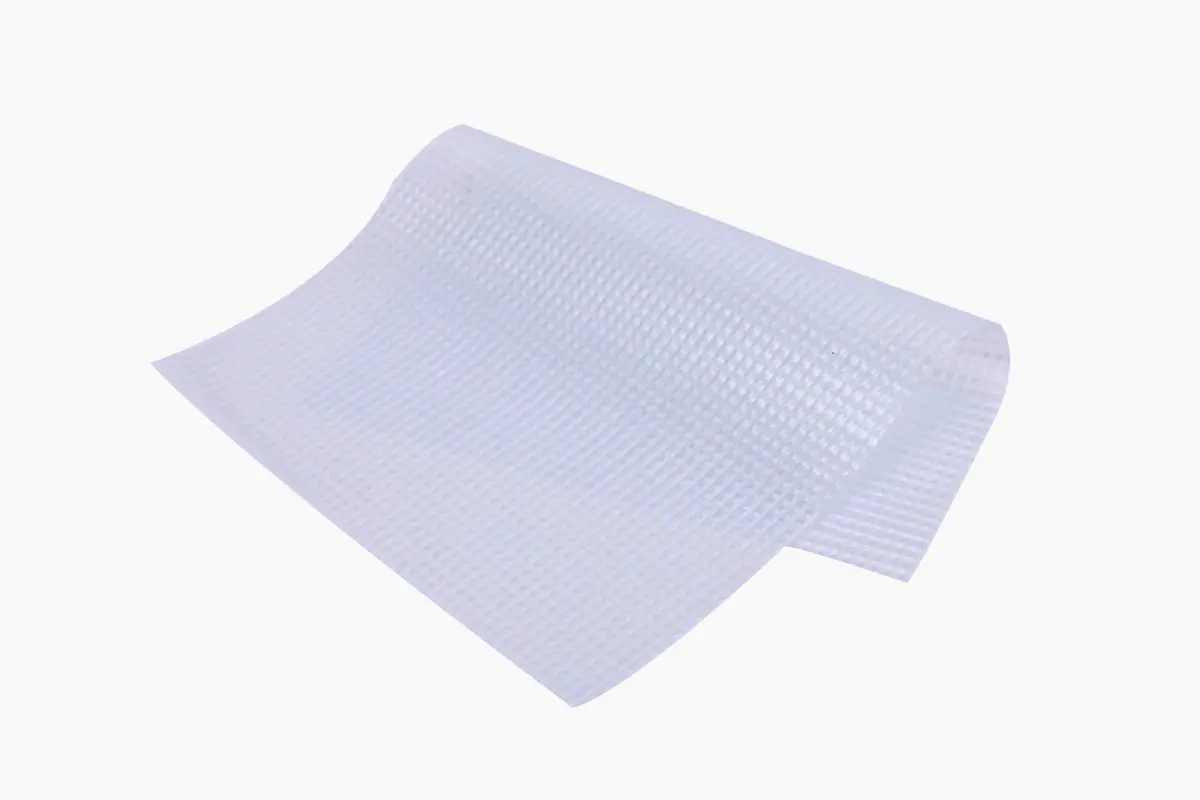 Industrial-Grade Reinforced UV-Resistant Clear Tarpaulin
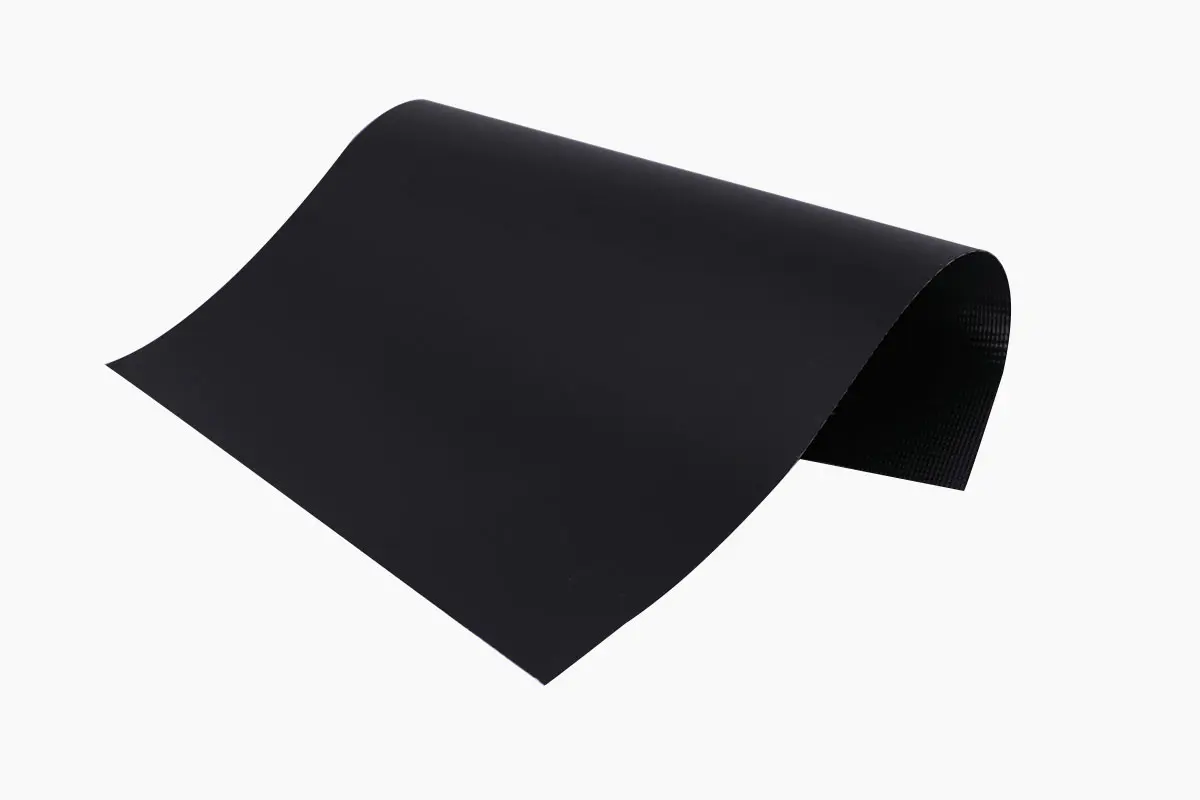 Fire-Retardant Professional-Grade Industrial Tarpaulin
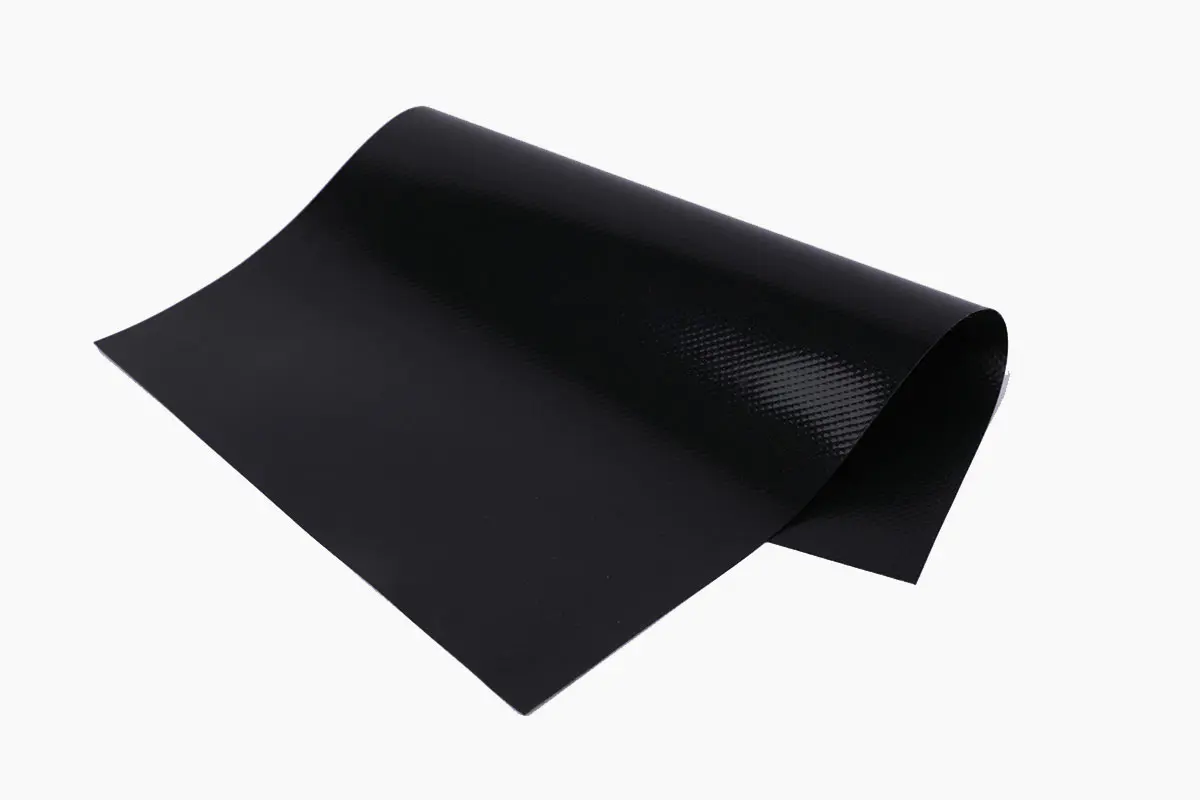 Multi-Purpose Insulated Cold-Weather Tarpaulin
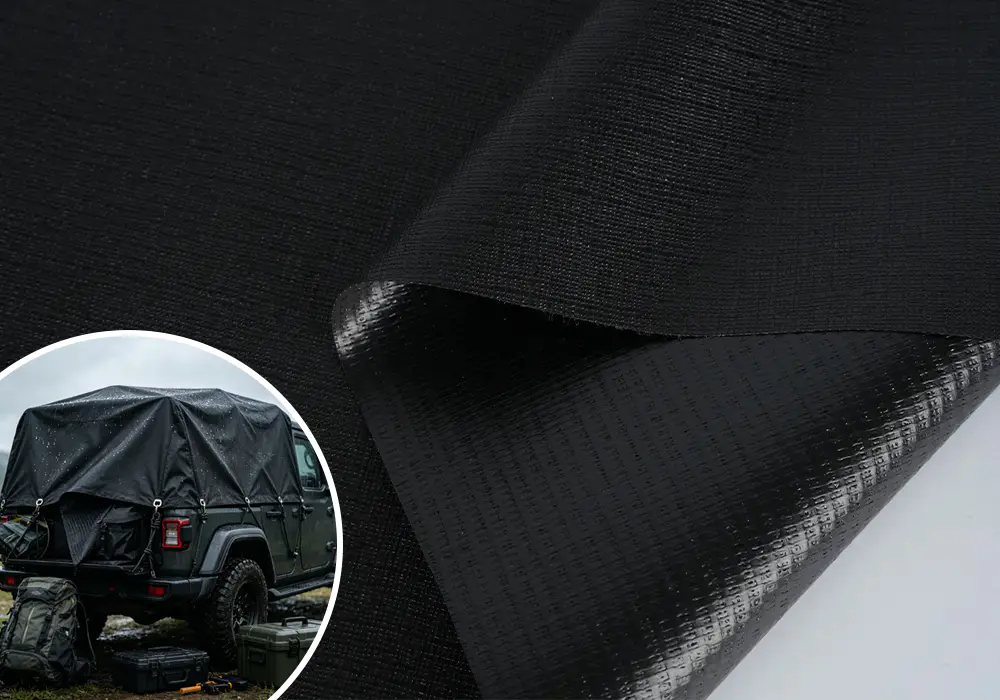 Weatherproof Printable Waterproof Tarpaulin For Camper RV
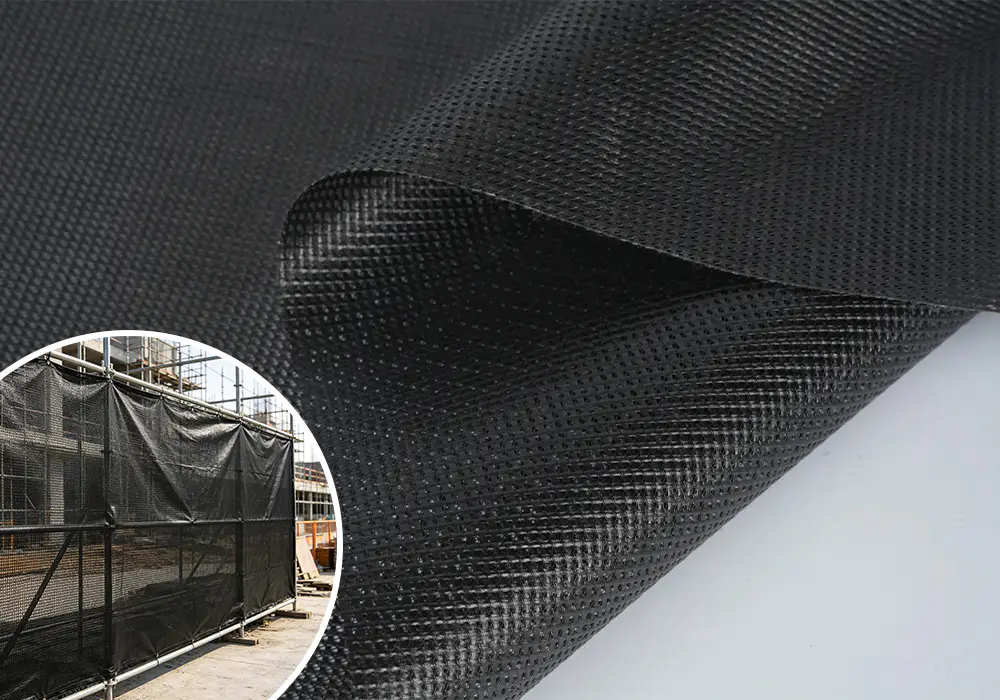 All Weather Heavy Duty Mesh Tarpaulin for Barrier Fencing
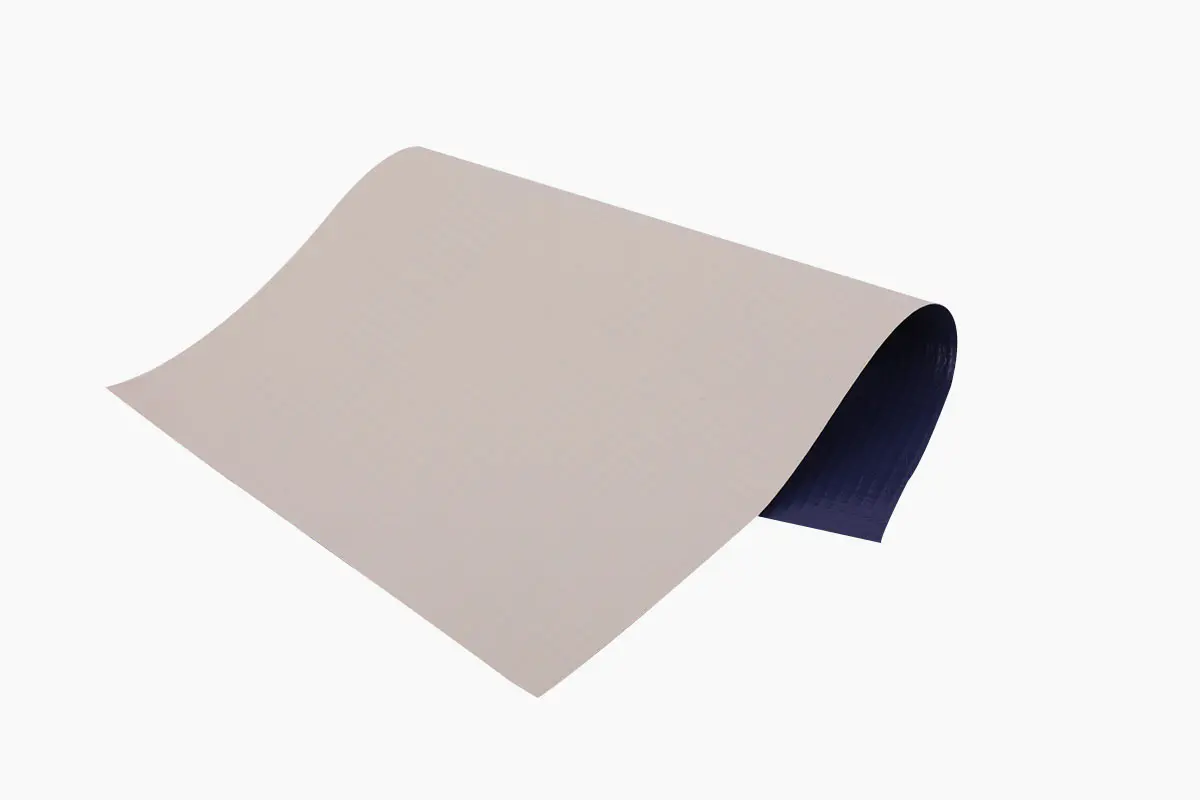 Premium Tear-Resistant All-Weather UV-Resistant Tarpaulin Fabric
 Custom Digital Printing Fabric Manufacturers
 Previous