

 English
  中文简体
中文简体  Español
News
Content
- 1 Understanding Wind Load and Why Material Choice Matters
- 2 Key Factors That Determine Wind Resistance
- 3 What Material Is Best for Cover Banners in Windy Conditions
- 4 PVC Cover Banner: Strengths and Limitations
- 5 Waterproof Cover Banner Considerations Beyond Wind
- 6 Installation Practices That Improve Wind Performance
- 7 Visualizing Wind Force Distribution
- 8 How Long Does a Cover Banner Last
- 9 How Much Does a Cover Banner Cost
- 10 Frequently Asked Questions
Understanding Wind Load and Why Material Choice Matters
When wind speeds climb above 30 miles per hour, a poorly chosen cover banner can tear, billow, or rip free from its mounting hardware within hours. Wind load is not just a nuisance factor; it directly determines the lifespan, safety, and visual performance of any outdoor signage installation. A banner that looks identical to another on the shelf can behave completely differently once exposed to gusting conditions, depending on its fabric weave, coating, and reinforcement.
This guide breaks down the technical factors that separate a banner that survives a coastal storm season from one that shreds after a single windy afternoon, giving you a practical framework for material selection rather than generic marketing claims.
Key Factors That Determine Wind Resistance
Before comparing materials, it helps to understand what actually causes banner failure in wind. Four variables interact to determine whether a banner cover survives or fails:
- Porosity - how much air passes through the fabric instead of pushing against it
- Tensile strength - the fabric's resistance to tearing under pulling force
- Grommet spacing and reinforcement - how evenly stress is distributed along the edges
- Hem and welding quality - whether seams hold under repeated flexing
A banner that scores well on only one or two of these factors will still underperform in sustained wind. For example, a thick vinyl sheet with excellent tensile strength but no ventilation acts like a sail, transferring the full force of the wind onto grommets and frame anchors, often causing failure at the hardware rather than the fabric itself.
What Material Is Best for Cover Banners in Windy Conditions
Not all outdoor banner materials behave the same way once wind enters the equation. The table below compares the most common options used for large-format outdoor signage.
| Material Type | Wind Performance | Typical Use Case | Relative Cost |
|---|---|---|---|
| Solid PVC Vinyl | Moderate, needs wind slits | Storefronts, event signage | Low to Medium |
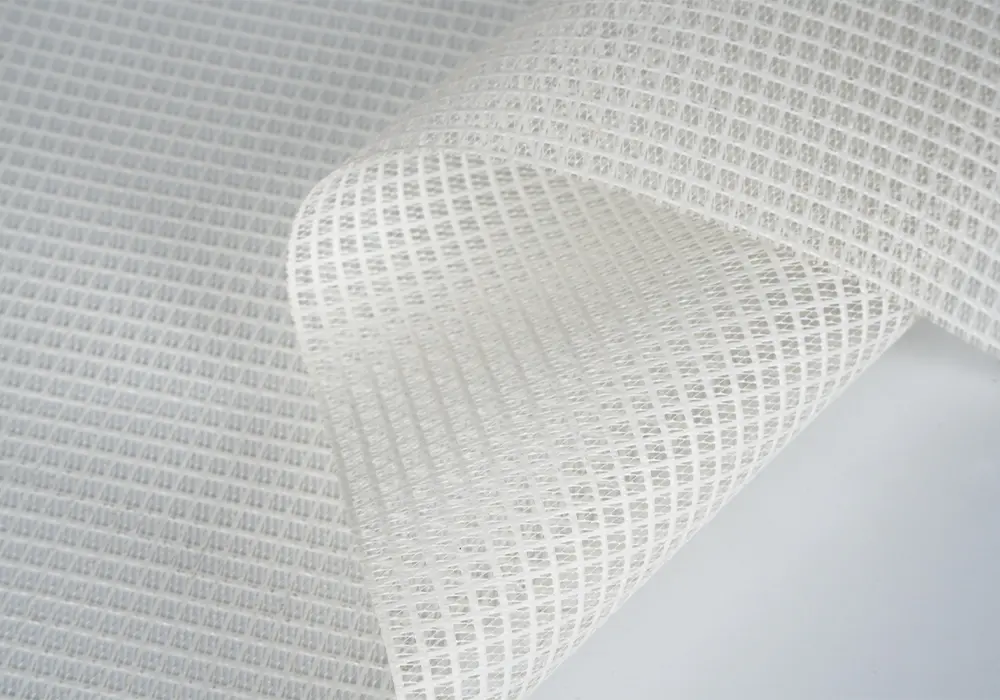
| Mesh Vinyl Banner | High, air passes through | Building wraps, fences | Medium |
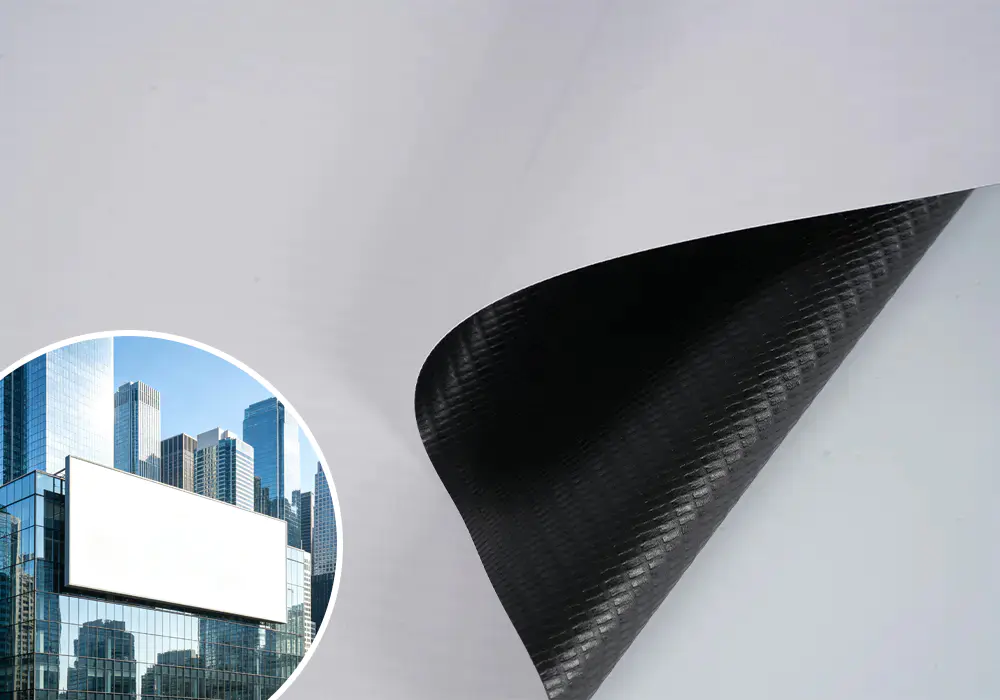
| Reinforced Heavy Duty Fabric | High, tear-resistant weave | Construction sites, billboards | Medium to High |
| Laminated Coated Polyester | Moderate to High | Long-term outdoor displays | High |
Mesh and reinforced fabrics consistently outperform solid vinyl in open, exposed installations because they reduce the surface area that wind can push against, a principle borrowed directly from fencing and scaffolding cover design.
PVC Cover Banner: Strengths and Limitations
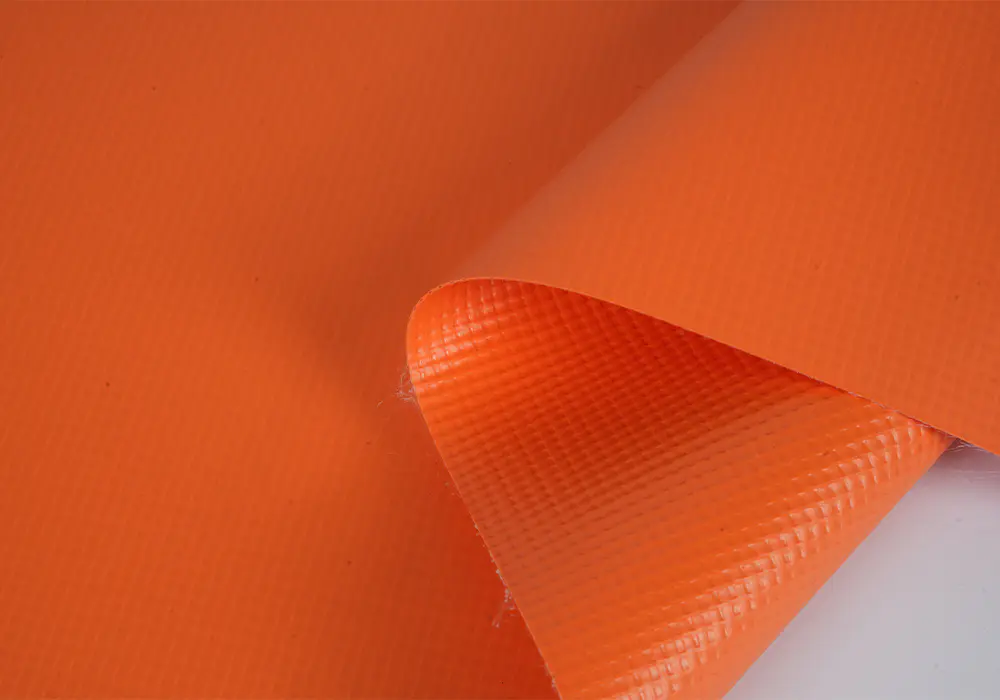
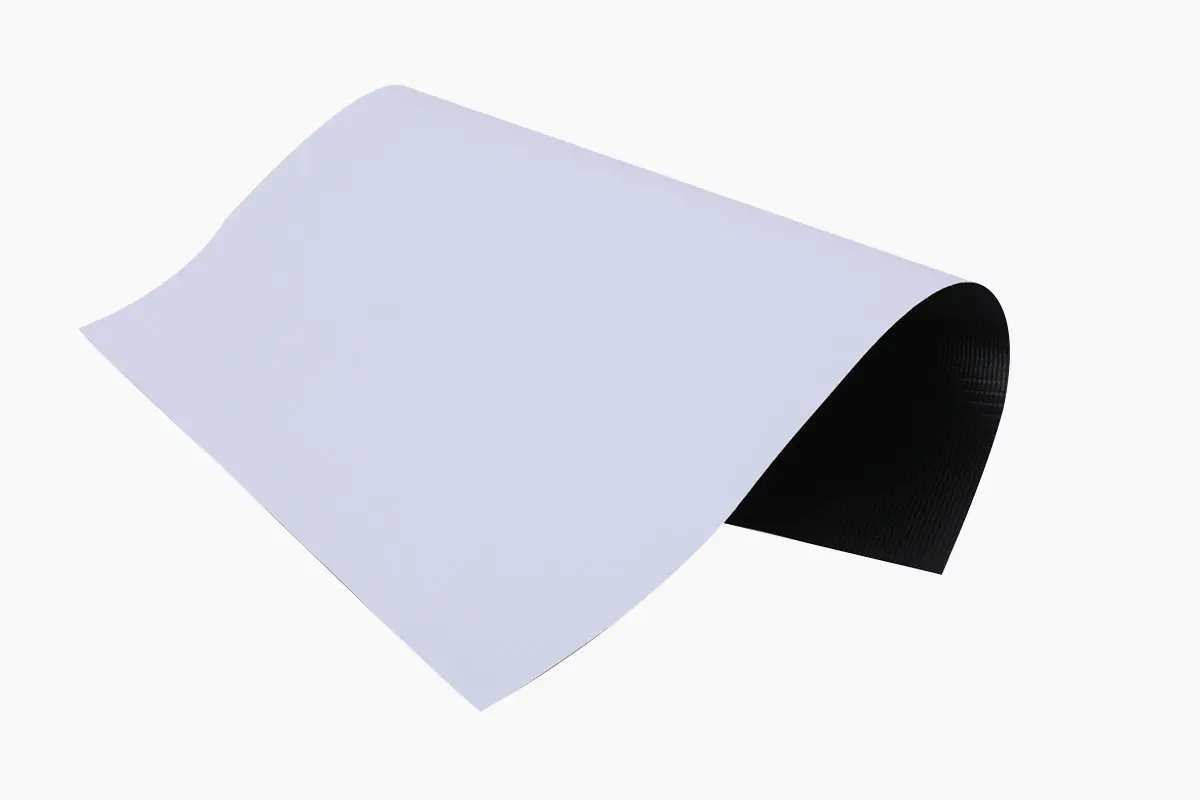
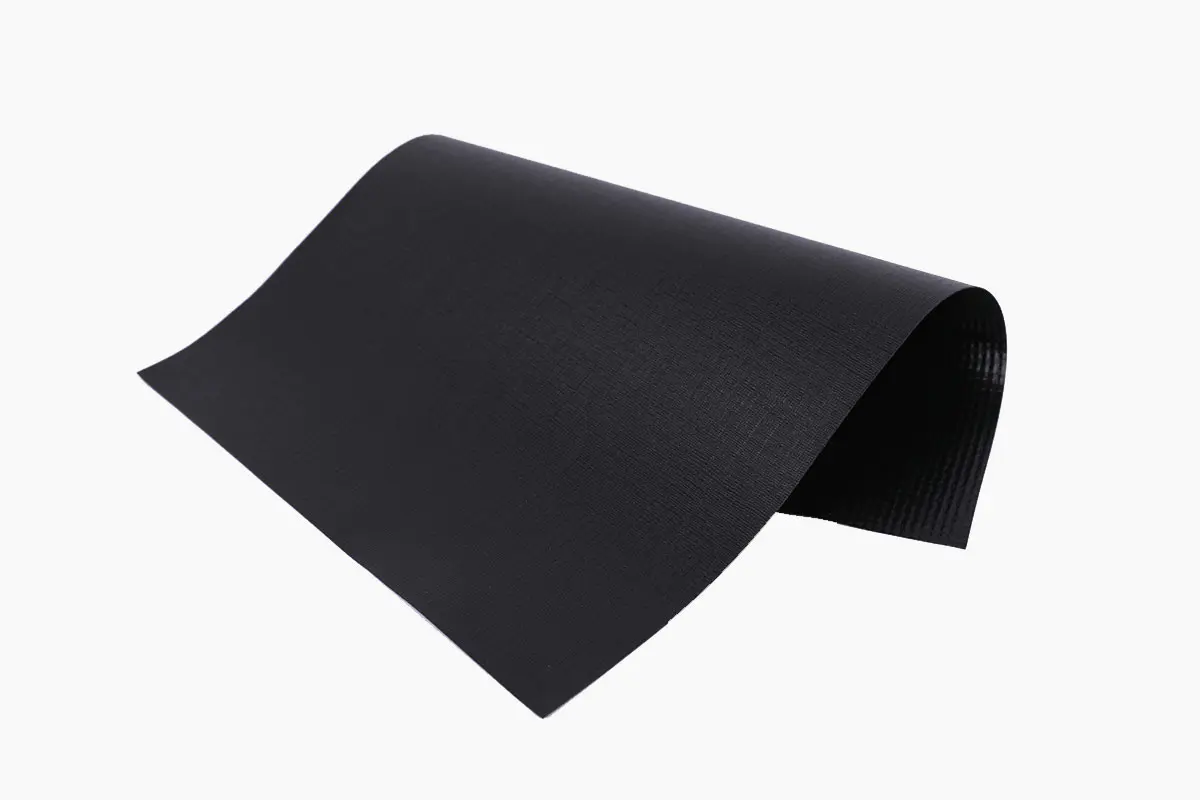
PVC remains one of the most widely used substrates for printed signage because of its balance of cost, print clarity, and general durability. A well-made PVC cover banner typically ranges from 13 to 18 ounces per square yard, with higher weights offering better resistance to stretching and puncture.
However, solid PVC without ventilation is vulnerable in open, unobstructed areas such as rooftops, coastal properties, or elevated billboards. The fix is straightforward and widely practiced in the industry: adding wind slits or opting for a mesh variant in these specific environments. Wind slits allow air to pass through small cut channels, reducing the sail effect by a significant margin without compromising the overall visual impact of the print.
Waterproof Cover Banner Considerations Beyond Wind
Wind rarely acts alone. Rain, humidity, and UV exposure compound stress on banner material, so a waterproof cover banner needs to resist moisture absorption that would otherwise add weight and encourage mildew growth along seams. Coated or laminated fabrics prevent water from soaking into the fibers, which keeps the banner lighter and reduces the load transferred to grommets during storms.
UV-stabilized coatings also matter here, since prolonged sun exposure gradually breaks down fiber bonds, making a banner more prone to tearing exactly when wind resistance matters most, often during the second or third season of outdoor use.
Installation Practices That Improve Wind Performance
Material choice only tells half the story. Installation technique has a measurable effect on how long a printed cover banner survives outdoors. Consider the following practical adjustments:
- Space grommets no more than 24 inches apart along all edges exposed to wind
- Use bungee cords instead of rigid zip ties to absorb gust energy
- Angle large installations slightly to deflect direct wind pressure
- Reinforce corners with additional grommets or webbing
- Inspect hems quarterly for early signs of fraying or stitch separation
These steps apply regardless of material, but they matter most for a large cover banner, where surface area and total wind load scale up significantly compared to smaller signage.
Visualizing Wind Force Distribution
The diagram below illustrates how wind pressure concentrates differently across a solid banner versus a mesh or slitted banner, helping explain why ventilation reduces structural stress.
How Long Does a Cover Banner Last
Lifespan depends heavily on climate exposure, material grade, and installation quality. The following ranges reflect typical field performance for outdoor signage under regular exposure:
Standard PVC vinyl: 1 to 2 years in moderate climates, shorter in high-wind coastal zones
Mesh vinyl: 2 to 3 years due to reduced wind and water resistance stress
Heavy duty reinforced fabric: 3 to 5 years with proper installation and periodic inspection
Regular maintenance, including cleaning debris from grommets and retightening loose fasteners after storms, can extend these figures noticeably, while neglected installations often fail well before the material's rated lifespan.
How Much Does a Cover Banner Cost
Pricing varies by size, material grade, and printing complexity, but general market ranges are useful for budgeting purposes:
| Banner Type | Approximate Price Range | Best For |
|---|---|---|
| Standard PVC, small to medium | Low cost per square foot | Short-term promotions |
| Mesh vinyl, medium to large | Moderate cost per square foot | Fences, scaffolding, wraps |
| Heavy duty reinforced, large format | Higher cost per square foot | Construction, long-term display |
While upfront cost matters, factoring in expected lifespan often makes reinforced or mesh options more economical over a two to three year period, since fewer replacements are needed compared to standard vinyl in exposed locations.
Frequently Asked Questions
Q1: What Is a Cover Banner?
A cover banner is a large-format printed material used to cover, wrap, or display information across surfaces such as scaffolding, fences, buildings, or event structures, typically made from vinyl, mesh, or reinforced fabric.
Q2: How to Choose a Cover Banner?
Choosing the right banner involves assessing wind exposure, expected duration of use, budget, and whether the installation site requires waterproof or heavy duty reinforcement to withstand environmental stress.
Q3: What Material Is Best for Cover Banners?
Mesh vinyl and reinforced heavy duty fabric generally perform best in windy or long-term outdoor conditions, while solid PVC works well for short-term, sheltered installations.
Q4: How Long Does a Cover Banner Last?
Depending on material and climate, banners typically last between one and five years, with reinforced fabrics and proper installation extending durability significantly.
Q5: How Much Does a Cover Banner Cost?
Costs vary based on size, material, and print complexity, ranging from budget-friendly standard vinyl to higher-priced reinforced fabrics designed for long-term or high-stress environments.
 Previous