

 English
  中文简体
中文简体  Español
 News
Home / News / Industry News / What Are the Environmental Considerations When Using PVC Flex Banners?


Content
PVC flex banners are widely used in advertising and promotional materials due to their durability, high-quality printability, and weather resistance. These banners serve various purposes in industries ranging from outdoor advertising to event promotions. However, like many synthetic materials, the environmental impact of PVC flex banners has become a subject of increasing concern.
PVC flex banner is a versatile material made from a flexible polyvinyl chloride (PVC) base. It is designed to offer robust durability and resistance to outdoor elements, making it a popular choice for billboards, signage, and other advertising applications. The material’s structure consists of a PVC layer that is often combined with polyester fibers for added strength. Its ability to withstand various weather conditions without losing its visual appeal has made it a top choice for large-scale outdoor prints.
Despite its advantages in terms of performance, PVC flex banners are not without their environmental concerns. These materials are made from synthetic polymers, which are derived from fossil fuels. As a result, their production and disposal raise environmental issues that must be considered carefully.
The production of PVC flex banners involves the extraction and processing of petroleum-based raw materials, which results in the consumption of non-renewable resources. The manufacturing process requires energy-intensive procedures that contribute to carbon emissions. Additionally, PVC production generates by-products such as chlorine, which can have harmful environmental effects if not properly managed.
The high energy demand and reliance on non-renewable resources are important factors when evaluating the sustainability of PVC flex banners. As demand for banners continues to grow, it is crucial to consider the broader environmental implications of producing such materials.
One of the significant environmental concerns surrounding PVC flex banners is their contribution to plastic pollution. Although PVC banners are known for their durability, this characteristic can be a double-edged sword when it comes to disposal. PVC is non-biodegradable and can persist in landfills for decades. Over time, PVC banners may break into smaller pieces, contributing to microplastic pollution in the environment.
Another concern is the difficulty in recycling PVC flex banners. Due to the complex composition of PVC banners, which often includes inks, laminates, and coatings, recycling can be challenging. Many recycling facilities do not accept PVC materials, which results in the disposal of used banners in landfills or incineration plants.
PVC flex banners often contain additives and stabilizers to enhance their durability, flexibility, and weather resistance. Some of these chemicals, such as phthalates, are used to soften the material, while others serve as flame retardants. These chemicals can pose health risks to workers involved in the manufacturing process, as well as to consumers who come into contact with the banners over time.
Moreover, when PVC flex banners are incinerated, they release harmful gases, including dioxins, which are toxic and can contribute to air pollution. The potential for these chemicals to enter the environment during the production, usage, and disposal phases makes the management of PVC flex banners a critical environmental issue.
To mitigate the environmental impact of PVC flex banners, several alternatives have been developed, focusing on sustainability and recyclability.
In response to growing concerns over the environmental impact of PVC, some manufacturers have begun producing eco-friendly versions of PVC flex banners. These versions use fewer toxic additives, incorporate recycled materials, and are designed for easier recyclability. However, while these banners are a step in the right direction, they still rely on PVC as the base material, which presents ongoing environmental challenges.
Fabric banners made from materials like polyester or cotton offer a more sustainable alternative to PVC flex banners. These materials are biodegradable and can be recycled more easily than PVC. Additionally, fabric banners are lighter and more flexible, making them easier to handle and transport. However, fabric banners may not offer the same durability as PVC flex banners, especially in harsh outdoor conditions.
The development of biodegradable and compostable banner materials is another promising solution. These materials are designed to break down naturally in the environment, reducing the impact of waste and plastic pollution. While still in the early stages of adoption, biodegradable materials could offer a sustainable option for the future of advertising.
Given the challenges associated with recycling PVC flex banners, it is crucial to develop strategies to manage their disposal in an environmentally responsible way. Proper recycling methods must be established to ensure that PVC materials are handled safely and do not contribute to pollution.
In many cases, PVC flex banners are not separated from other waste materials at disposal sites, which makes it difficult to recycle them effectively. To improve recycling rates, more advanced collection and sorting systems need to be implemented, particularly in industries that generate large volumes of PVC banners.
Advanced recycling technologies, such as chemical recycling, may help break down PVC materials into their constituent components, allowing them to be reused in the production of new PVC products. However, these technologies are not yet widely available and may require significant investment to scale.
Extended producer responsibility (EPR) programs are designed to hold manufacturers accountable for the end-of-life management of their products. Under EPR, manufacturers of PVC flex banners would be responsible for the collection, recycling, and disposal of their products once they are no longer in use. This system encourages producers to design products that are easier to recycle and helps reduce the environmental burden associated with their disposal.
PVC flex banners play a significant role in modern advertising and promotion, but their environmental impact cannot be overlooked. From the production phase to disposal, PVC flex banners contribute to resource depletion, plastic pollution, and the release of harmful chemicals. However, there are alternatives available, such as eco-friendly PVC, fabric banners, and biodegradable materials, which offer more sustainable options for the future. By adopting responsible recycling practices and exploring sustainable materials, the environmental footprint of PVC flex banners can be reduced.
1. What are PVC flex banners made from?
PVC flex banners are made from a polyvinyl chloride (PVC) base material, often combined with polyester fibers for added strength and durability.
2. Can PVC flex banners be recycled?
Recycling PVC flex banners can be challenging due to their complex composition, including inks and coatings. However, some facilities accept PVC for recycling, and eco-friendly alternatives are being developed to make recycling easier.
3. What are the environmental alternatives to PVC flex banners?
Eco-friendly PVC, fabric banners, and biodegradable materials offer more sustainable alternatives to traditional PVC flex banners, although they come with their own set of limitations.
4. How can PVC flex banners be disposed of responsibly?
Responsible disposal of PVC flex banners requires proper sorting and recycling methods. Advanced recycling technologies and extended producer responsibility programs can help manage PVC waste in an environmentally friendly way.

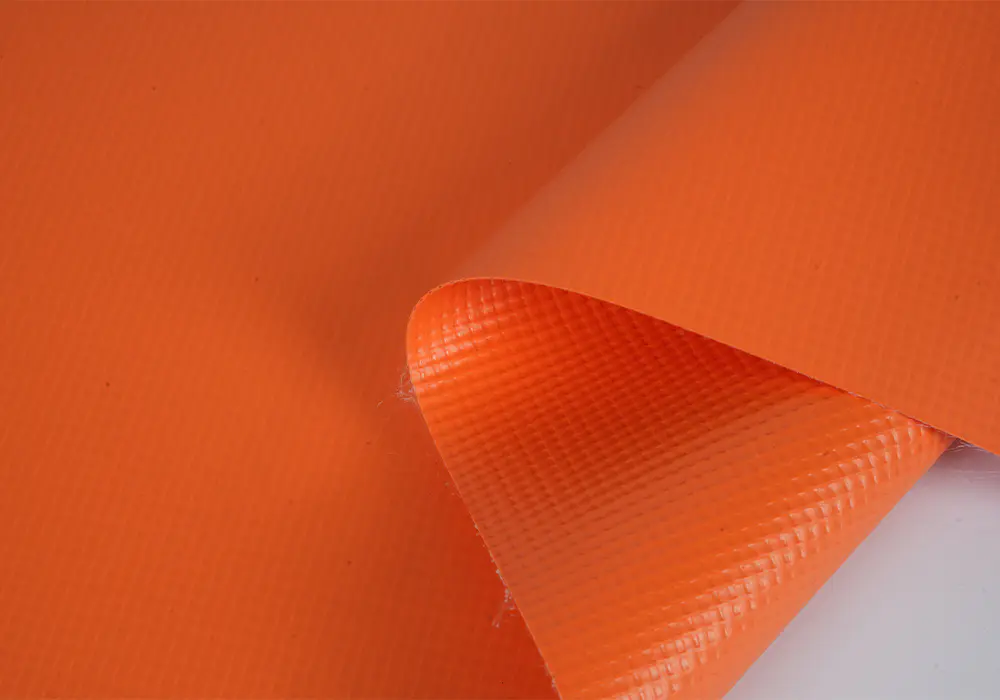 Flexible Wear Resistant PVC Tarpaulin For Luggage Bags
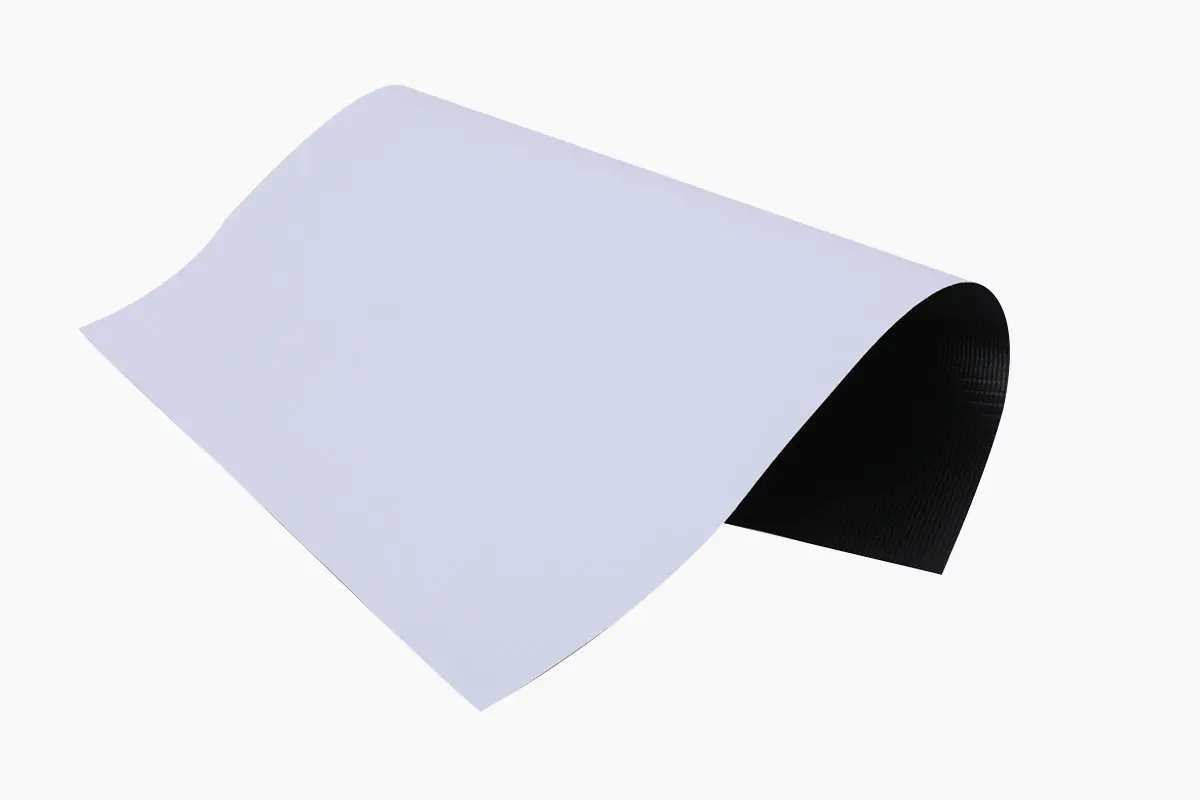 High-Resolution Durable PVC Flex Banner
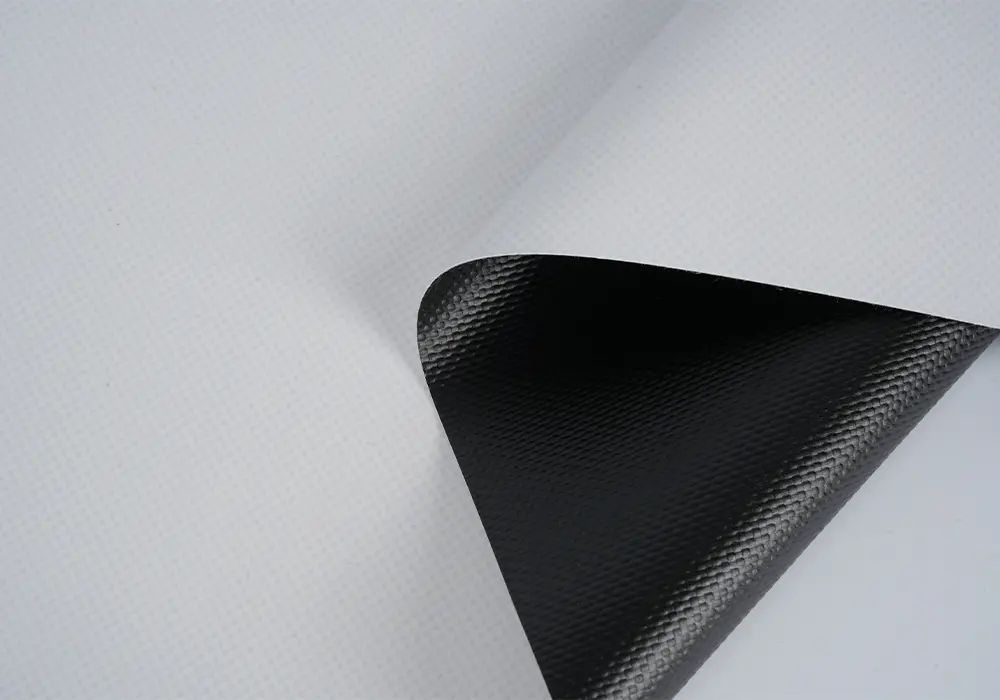 Weatherproof Blackback Opaque Advertising Flex Banner
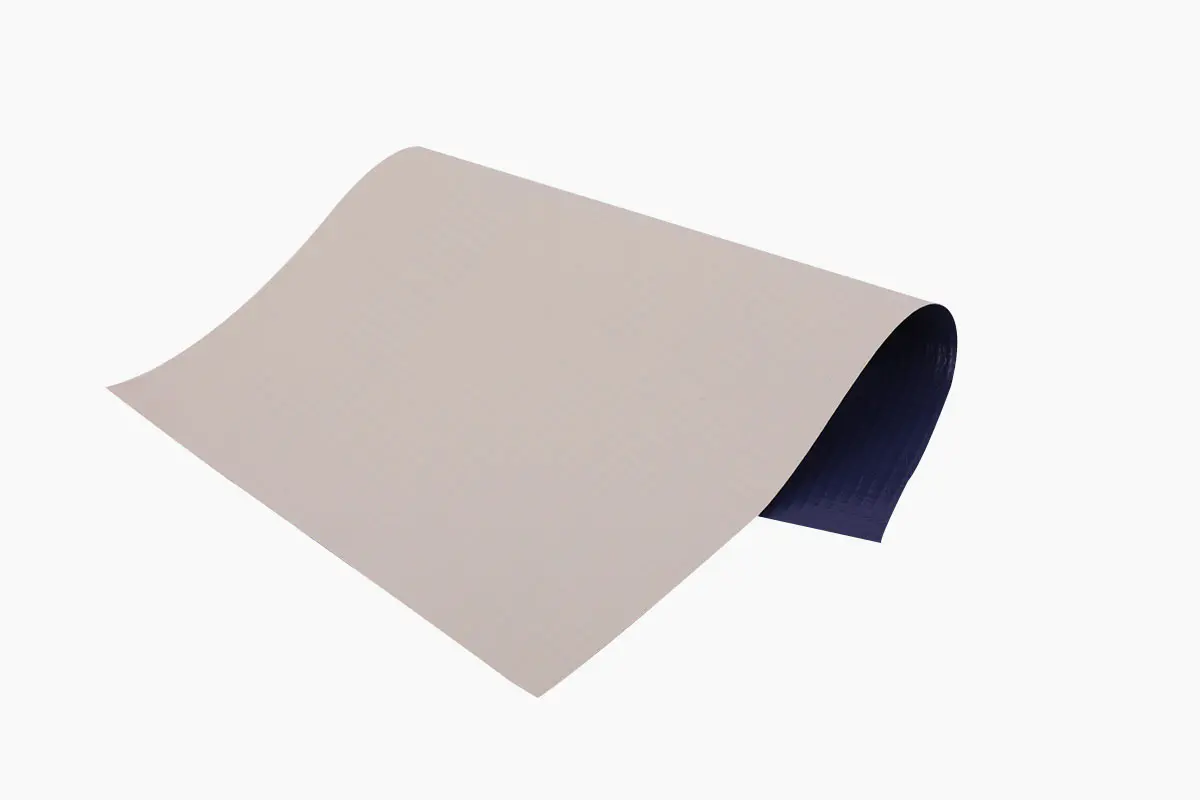 Premium Tear-Resistant All-Weather UV-Resistant Tarpaulin Fabric
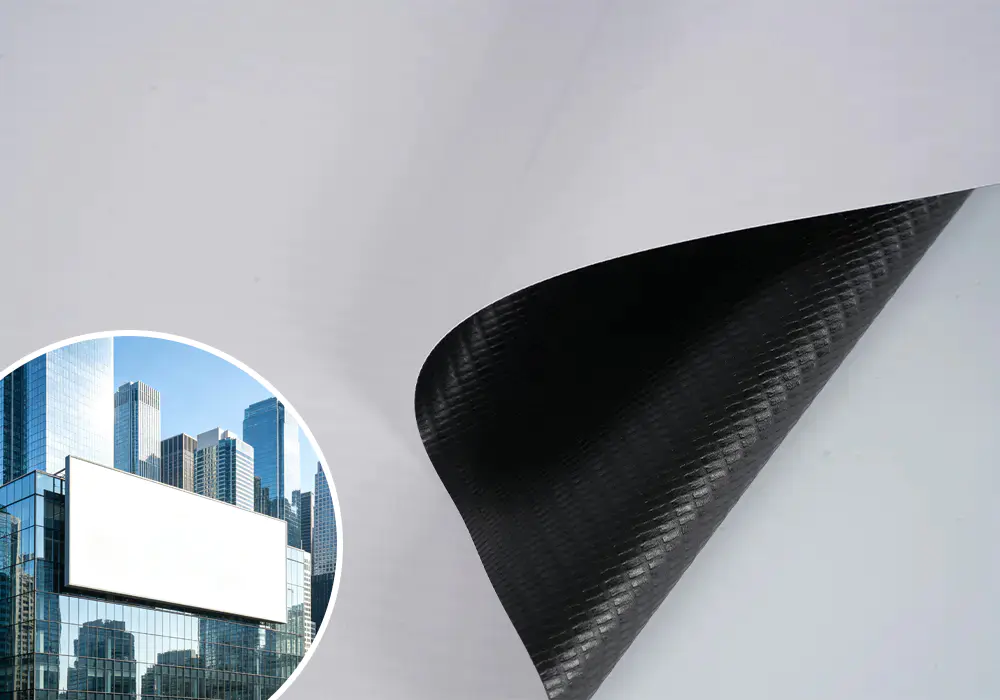 High Ink Absorption Blackback Commercial Promo Flex banner Material
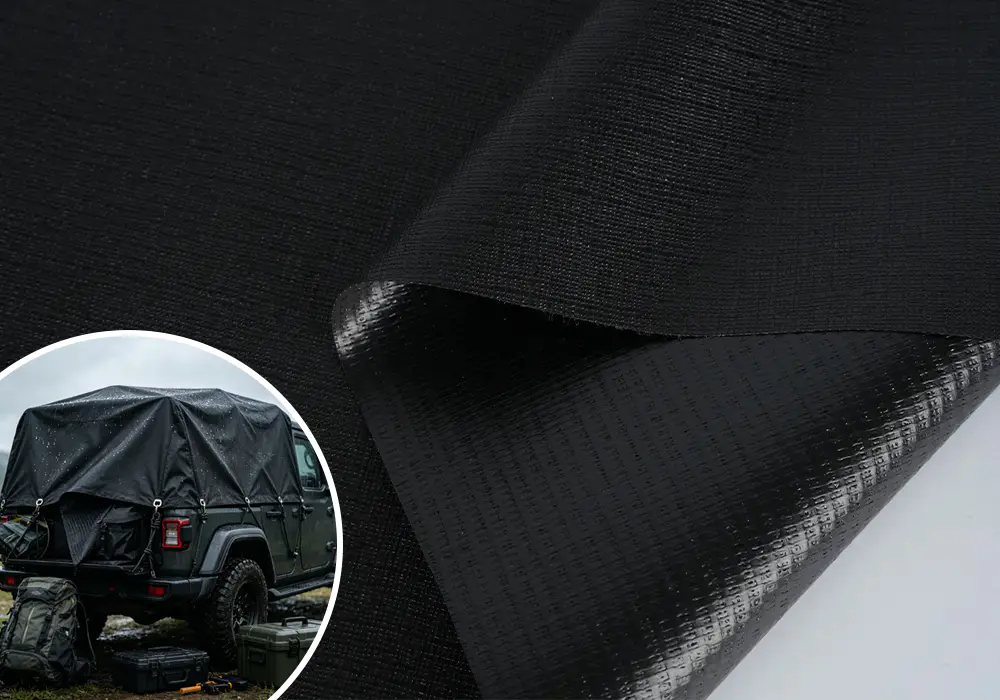 Weatherproof Printable Waterproof Tarpaulin For Camper RV
 Custom Digital Printing Fabric Manufacturers
 Previous