

 English
  中文简体
中文简体  Español
 News
Home / News / Industry News / How Does Heavy Duty Tarpaulin Compare to Other Tarpaulins in Terms of Durability?


Content
Tarpaulins are versatile materials used in a wide range of industries, from construction to agriculture, transportation, and outdoor recreation. When choosing a tarpaulin, durability is often a top priority. However, not all tarpaulins are created equal. Heavy duty tarpaulin stands out among its counterparts due to its strength, resilience, and longer lifespan.
A heavy duty tarpaulin is typically made from high-density polyethylene (HDPE) or PVC, materials known for their strength and resistance to wear and tear. These tarpaulins are designed to withstand harsh weather conditions, heavy loads, and other physical stresses. Their primary use is in environments where durability is a critical factor, such as construction sites, industrial applications, and outdoor storage.
The durability of any tarpaulin begins with the material used. Heavy duty tarpaulins are commonly made from stronger, thicker fabrics, often coated with an additional layer for extra protection.
HDPE (High-Density Polyethylene): Known for its tensile strength and resistance to chemicals, HDPE is a popular choice for heavy duty tarpaulins. It is durable, waterproof, and resistant to UV rays, making it ideal for outdoor applications.
PVC (Polyvinyl Chloride): PVC-coated tarpaulins are another heavyweight option, offering additional resistance to abrasions and punctures. The PVC coating also enhances water resistance and UV protection.
Compared to regular tarpaulins, which might use materials like low-density polyethylene (LDPE) or non-coated fabrics, heavy duty tarpaulins provide a significant increase in durability.
| Material Type | Durability | UV Resistance | Water Resistance | Abrasion Resistance | Best Use |
|---|---|---|---|---|---|
| HDPE | High | Excellent | Excellent | Moderate | Construction, agriculture |
| PVC | Very High | Excellent | Excellent | Excellent | Industrial, transportation |
| LDPE | Moderate | Low | Moderate | Low | Budget applications |
| Non-coated | Low | Low | Low | Low | Temporary uses, light-duty |
The thickness of a tarpaulin is another factor that significantly influences its durability. Heavy duty tarpaulins typically feature thicker material compared to standard ones, which directly impacts their resistance to tears, punctures, and abrasions.
Heavy Duty Tarpaulins: Usually have thicknesses ranging from 0.5mm to 1mm. The additional thickness provides strength against mechanical damage.
Standard Tarpaulins: Often thinner, with thicknesses below 0.5mm, making them less resistant to physical stress and environmental wear.
The additional thickness in heavy duty tarpaulins ensures they can handle heavier loads and remain intact even in demanding situations.
Several factors contribute to the overall durability of a heavy duty tarpaulin, including the weaving technique, coating, and seam construction.
The weaving technique used in the production of tarpaulins determines the strength of the fabric. Heavy duty tarpaulins are typically woven with a tighter, denser weave compared to standard options. This dense weave provides greater resistance to tearing and abrasion, ensuring the tarpaulin can withstand heavy-duty applications without compromising its integrity.
The coating or treatment applied to a tarpaulin affects its ability to withstand external elements, such as UV rays, moisture, and temperature fluctuations. Heavy duty tarpaulins often undergo additional treatments, such as:
UV Stabilization: To prevent degradation from prolonged sun exposure.
Waterproof Coatings: To ensure moisture does not penetrate the fabric.
Flame Retardant Coatings: For use in environments where fire resistance is required.
Regular tarpaulins may lack these coatings or may only have basic water resistance, making them less durable in harsh weather conditions.
The construction of the seams is critical to the overall strength of a tarpaulin. Heavy duty tarpaulins typically feature reinforced seams with double or triple stitching to ensure they hold up under stress. Some tarpaulins even use heat-sealed seams for a stronger bond. Regular tarpaulins often have weaker seams that are more prone to failure when exposed to heavy loads.
In this section, we will compare the durability of heavy duty tarpaulins against other common types of tarpaulins used in various industries.
Material: Light duty tarpaulins are usually made from thinner, less durable materials like LDPE or non-coated fabric. These materials offer limited protection against UV rays and water penetration, making them less suitable for long-term outdoor use.
Strength: Light duty tarpaulins lack the thickness and robust weave of heavy duty options. As a result, they are more prone to tears, punctures, and other damage under stress.
Use Case: Light duty tarpaulins are better suited for temporary covers, such as for outdoor events or light-duty transport, where the material is not exposed to conditions.
Material: Medium duty tarpaulins often use stronger materials like HDPE, but the thickness and reinforcement are still lower compared to heavy duty tarpaulins.
Strength: Medium duty tarpaulins are more resilient than light duty tarpaulins, but they still cannot match the abrasion and puncture resistance offered by heavy duty options.
Use Case: Medium duty tarpaulins are ideal for applications where moderate protection is required, such as for vehicle covers or temporary construction site coverings.
Longer Lifespan: The increased thickness and enhanced materials ensure heavy duty tarpaulins last significantly longer than lighter options, even in harsh environments.
Increased Protection: They offer protection against UV rays, water, and physical wear, making them ideal for long-term outdoor storage or industrial applications.
Versatility: Due to their durability, heavy duty tarpaulins can be used across a wide range of industries, from agriculture to construction, mining, and logistics.
1. What makes heavy duty tarpaulins more durable than regular tarpaulins?
Heavy duty tarpaulins are made from stronger materials, often coated with additional layers for protection against UV rays, water, and abrasion. They also feature reinforced seams and thicker fabric, which contribute to their increased durability.
2. How can I ensure that my heavy duty tarpaulin lasts longer?
To extend the lifespan of your heavy duty tarpaulin, store it in a cool, dry place when not in use, avoid sharp objects that could cause punctures, and clean it regularly to prevent buildup of dirt and debris that may degrade the fabric.
3. Can heavy duty tarpaulins be used for industrial applications?
Yes, heavy duty tarpaulins are commonly used in industrial applications where robust, long-lasting materials are required to withstand harsh conditions such as temperatures, chemical exposure, and heavy-duty use.
4. Are heavy duty tarpaulins waterproof?
Yes, heavy duty tarpaulins are designed to be waterproof, thanks to their material composition and coating, making them ideal for outdoor and industrial use where water resistance is crucial.
5. How do I choose the right heavy duty tarpaulin for my needs?
Consider factors like the material (HDPE or PVC), thickness, UV resistance, and any special coatings for waterproofing or fire resistance. The specific needs of your project or environment will guide your choice.
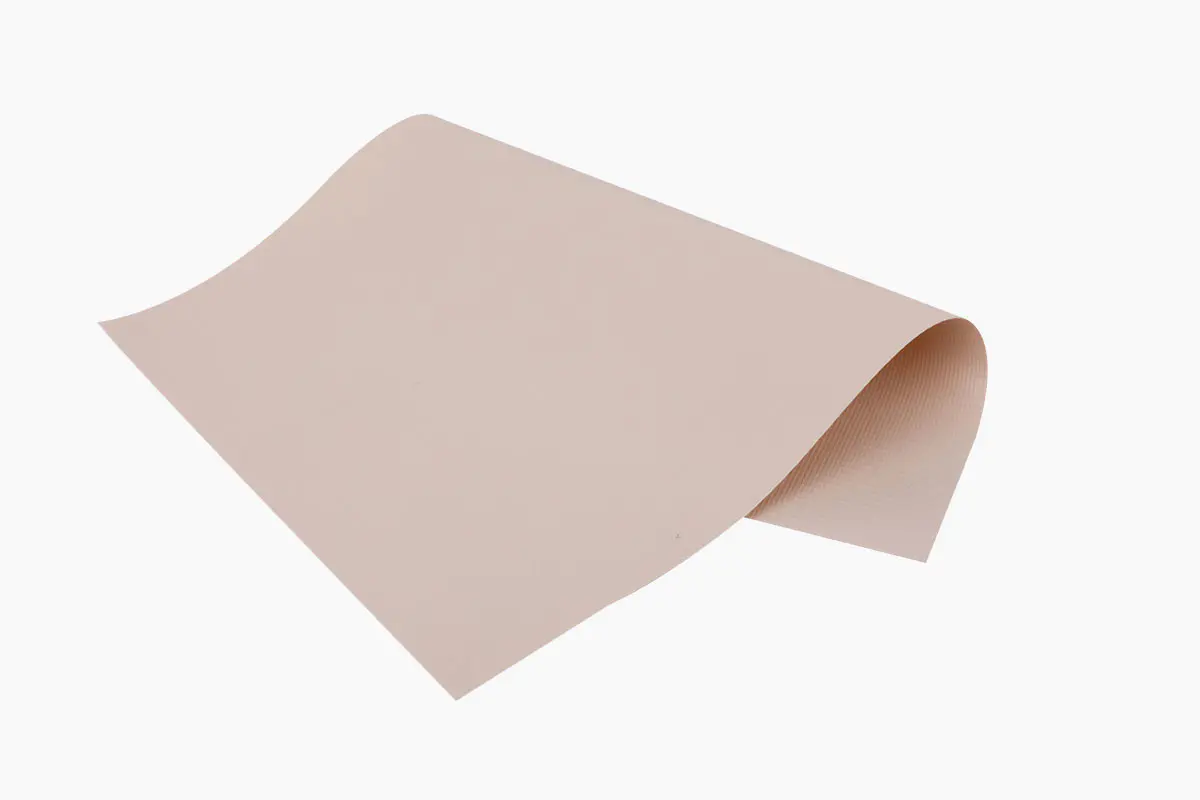 Heavy-Duty Reinforced Waterproof Tarpaulin
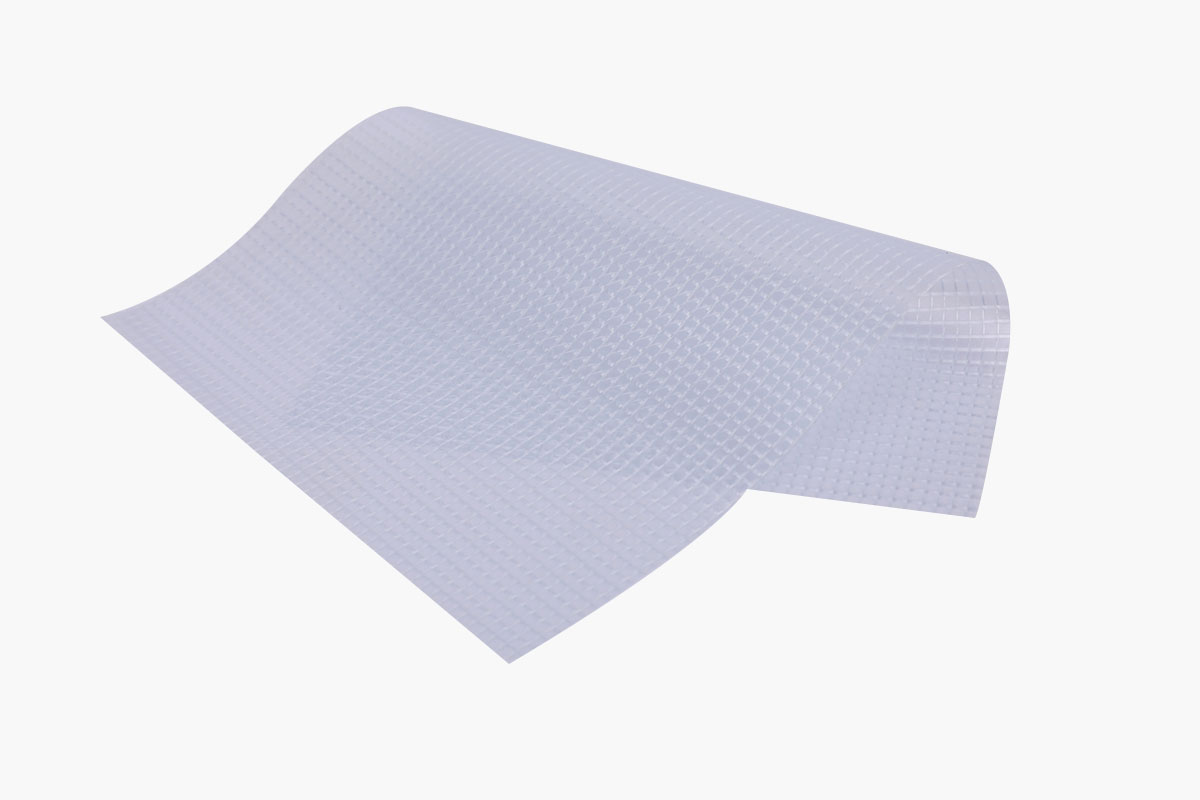 Heavy-Duty Waterproof Clear Tarpaulin
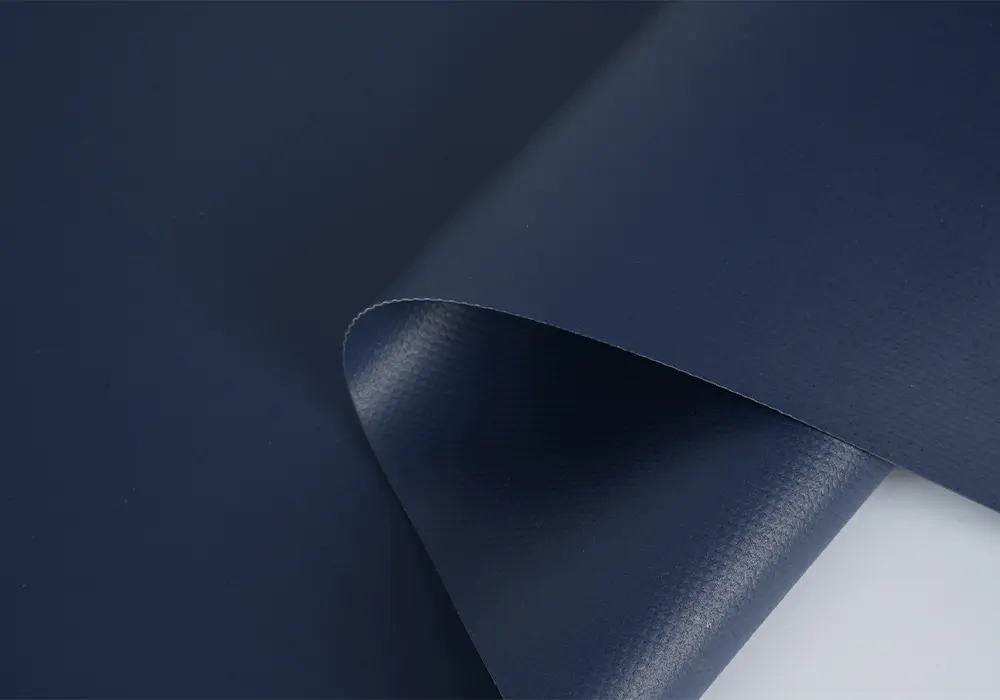 Heavy Duty Waterproof Tarpaulin For Truck Side Curtain
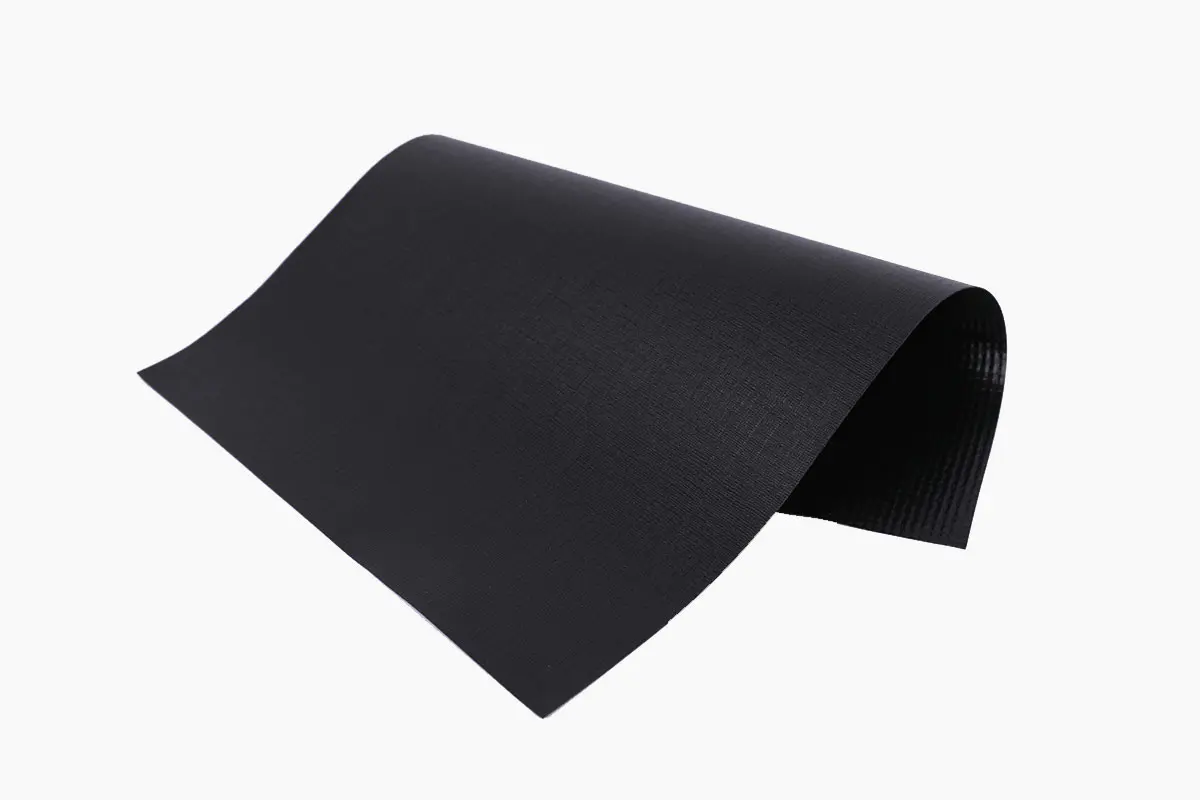 Heavy-Duty High-Performance Camouflage-Printed Tarpaulin
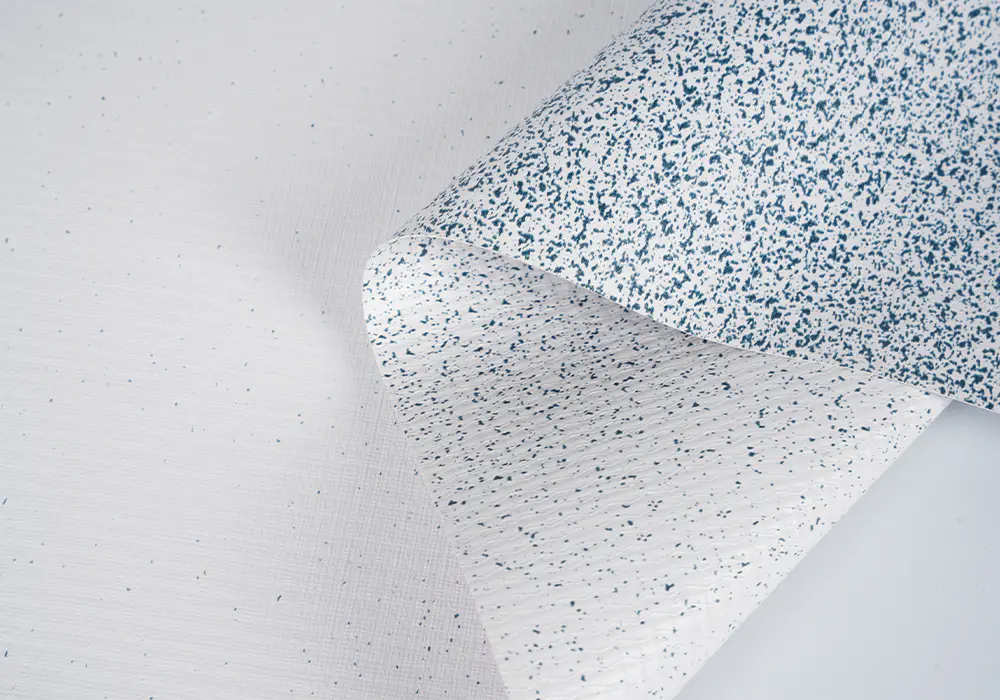 Heavy Duty Printable UV Block Tarpaulin For RV Awning
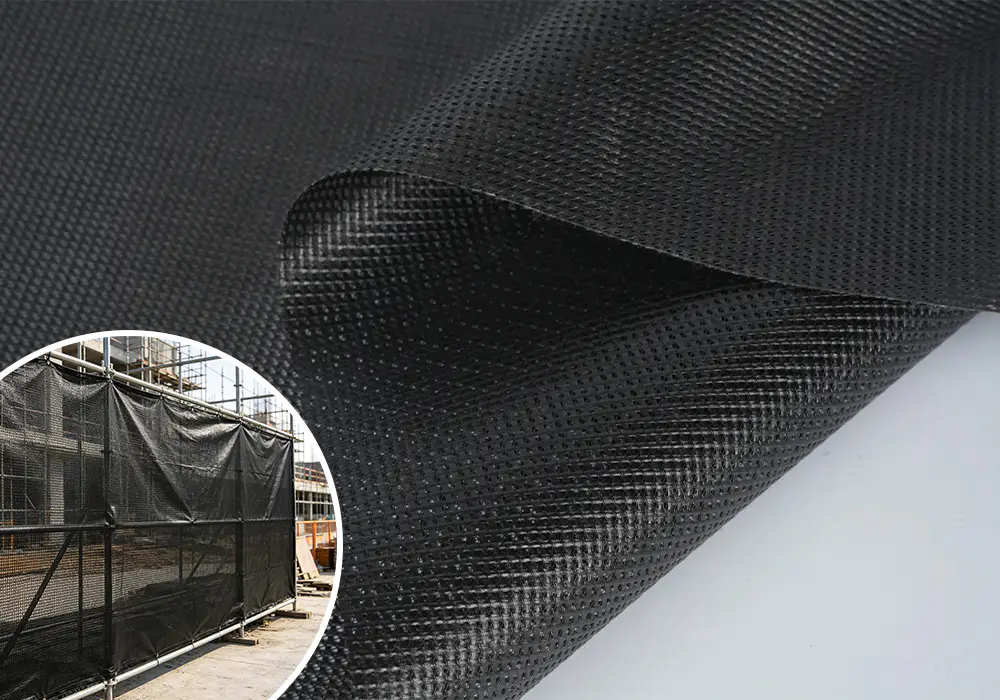 All Weather Heavy Duty Mesh Tarpaulin for Barrier Fencing
 Custom Digital Printing Fabric Manufacturers
 Previous