

 English
  中文简体
中文简体  Español
 News
Home / News / Industry News / What Makes Waterproof Clear Tarpaulins Suitable for Harsh Weather Applications?


Content
Waterproof clear tarpaulins have become a widely adopted protective material across industrial, agricultural, construction, and outdoor-use environments due to their ability to withstand challenging weather conditions. Their transparent structure, robust physical properties, and multi-scenario adaptability enable users to protect equipment, goods, and workspaces without sacrificing visibility. In applications where durability, clarity, and environmental resistance must coexist, this type of tarp provides a practical and reliable solution.
The durability of a waterproof clear tarpaulin begins with its material formulation. Most products in this category are built using reinforced transparent polymer films designed to retain strength while maintaining clarity. The combination of high-tensile fibers and a weatherproof coating ensures the sheet remains stable under prolonged environmental exposure.
The internal polymer structure determines how effectively the sheet resists tearing, stretching, and puncturing. In severe weather scenarios such as high winds and heavy rainfall, material fatigue is a common issue. The tensile-support layers within a waterproof clear tarpaulin minimize this risk by distributing stress throughout the sheet.
While the main body provides transparency and flexibility, the edges and anchor points absorb of the external force. Reinforced hems and pressure-resistant eyelets help maintain stability when the sheet is tensioned across frames or fixed to outdoor structures.
Waterproofing is the central functional requirement. A waterproof clear tarpaulin relies on multi-layer coating systems and a dense molecular film to block moisture penetration. This performance remains stable even during extended exposure to heavy rain, snowfall, or condensed moisture environments.
Even if the surface is fully waterproof, seams can be the weak point. Heat-sealed seams ensure continuity across the tarpaulin surface, preventing water ingress where sections connect.
Some materials become brittle or deform after absorbing moisture; however, a high-quality waterproof clear tarpaulin maintains elasticity and structural consistency, avoiding shrinkage or warping.
Harsh environments often include intense ultraviolet radiation, which can degrade plastic surfaces. UV inhibitors embedded in the clear film reduce molecular breakdown and help maintain transparency, flexibility, and tensile strength.
Prolonged UV exposure causes yellowing, cracking, and loss of clarity. UV-resistant transparent tarp sheets slow this process significantly, enabling long-duration outdoor usage for tasks requiring clear visibility, such as greenhouse coverings or protective windows on temporary structures.
A critical reason many industries rely on waterproof clear tarpaulin is the ability to protect materials while still allowing visibility. UV-stabilized surfaces prevent haze formation, enabling a consistent transparent barrier.
Flexibility determines how efficiently the tarp adapts to irregular shapes, tight installation areas, and dynamic outdoor settings. A well-designed waterproof clear tarpaulin maintains pliability across temperature variations, ensuring installation remains smooth without cracks or stiffness.
Cold environments can harden standard plastic sheets. Weatherproof sheet structures with elastic polymer bases continue to perform at low temperatures, reducing fracturing risks.
High winds place heavy stress on covering materials. A clear pvc tarp with reinforced mesh or layered polymer films distributes wind force to avoid tears, making it suitable for coastal and high-altitude environments.
Visibility is one of the defining characteristics that sets waterproof clear tarpaulin apart from opaque coverings.
In agricultural, industrial, or construction settings, workers can observe equipment or materials without removing the protective layer. This reduces handling time and prevents heat or moisture loss.
Transparent materials allow natural light to pass through, improving indoor brightness for temporary workspaces or greenhouse structures. This reduces reliance on artificial lighting and enhances energy efficiency.
In harsh conditions, physical impacts or friction against rough surfaces are unavoidable. The mechanical durability of waterproof clear tarpaulin is key to preventing material shortening, tearing, or surface damage.
The smooth polymer coating reduces friction damage, allowing the sheet to slide over surfaces without excessive wear.
Outdoor environments may include debris, sharp edges, or pressure from equipment. High-density film structures improve puncture resistance and extend the usable life of the tarpaulin.
A waterproof clear tarpaulin is valuable because it adapts to different application structures. From fixed installations to temporary shelters, its versatility supports durability under shifting environmental conditions.
Typical harsh-weather applications include:
Even heavy duty tarp materials can be designed for manageable weight distribution, enabling quick installation and repositioning when weather conditions change.
Below is a reference table summarizing typical characteristics relevant to waterproof clear tarpaulin performance:
| Attribute | Description |
|---|---|
| Material Type | Transparent polymer film / reinforced clear PVC |
| Core Feature | Waterproof, tear-resistant, UV-stabilized |
| Thickness Range | Medium to heavy-grade depending on application |
| Light Transmission | High visibility for monitoring and daylight use |
| Weather Resistance | Suitable for rain, UV exposure, wind, temperature fluctuations |
| Common Uses | Outdoor covering, greenhouse panels, temporary shelters, industrial protection |
| Related Keywords | clear pvc tarp, transparent tarp, heavy duty tarp, weatherproof sheet, outdoor covering |
The combination of waterproof sealing, UV stability, mechanical strength, clarity, and environmental adaptability ensures a waterproof clear tarpaulin remains dependable even under severe conditions.
By blocking moisture, UV rays, and wind, the sheet provides a consistent barrier that maintains the integrity of stored or protected items.
High durability reduces the need for frequent replacements, contributing to long-term cost efficiency.
The reinforced design ensures that the tarpaulin retains performance even as it endures repeated environmental stress cycles.
A waterproof clear tarpaulin is engineered to handle weather conditions through its balanced combination of waterproofing, UV resistance, mechanical strength, clarity, and structural stability. Its broad adaptability across harsh outdoor applications makes it an essential protective solution in various industrial and environmental settings. The ability to maintain visibility while providing strong weatherproof performance distinguishes it from standard opaque coverings, ensuring reliability in scenarios where both protection and transparency are required.
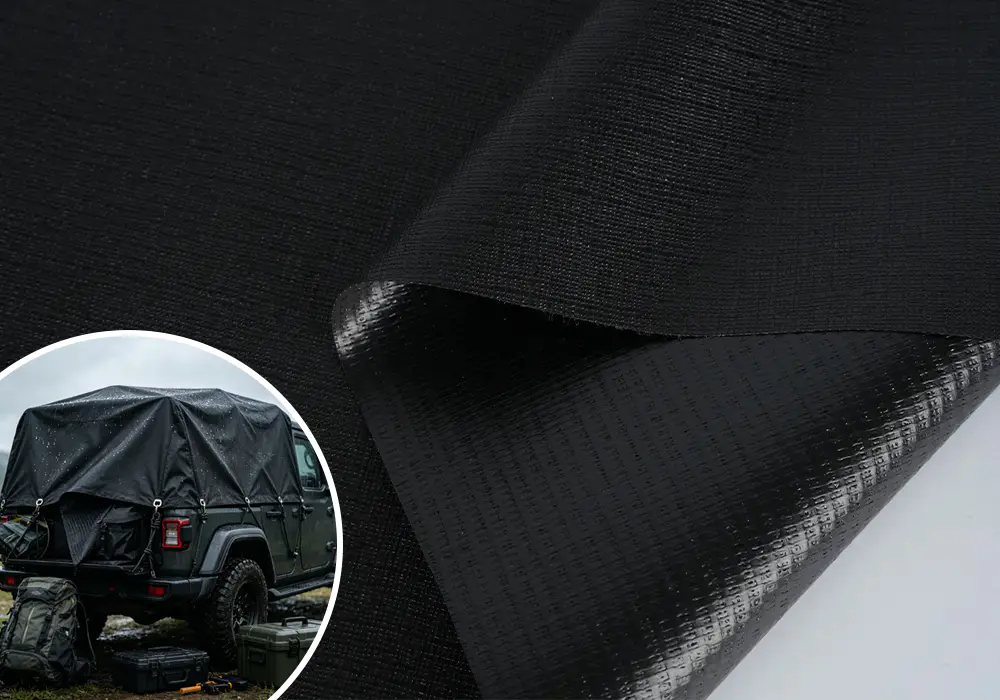 Weatherproof Printable Waterproof Tarpaulin For Camper RV
 Heavy-Duty Reinforced Waterproof Tarpaulin
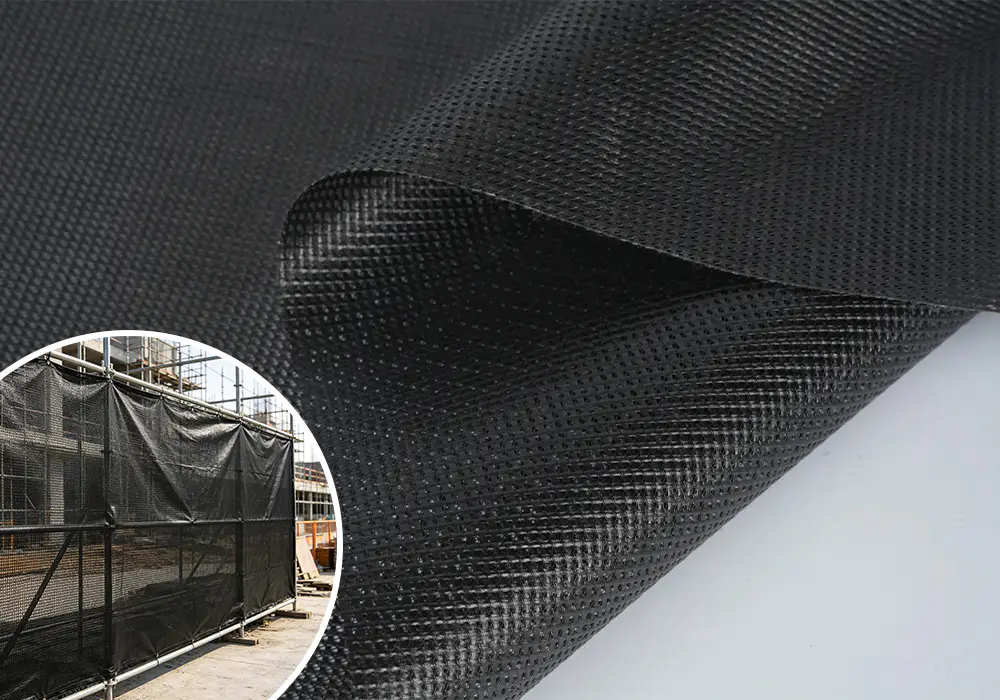 All Weather Heavy Duty Mesh Tarpaulin for Barrier Fencing
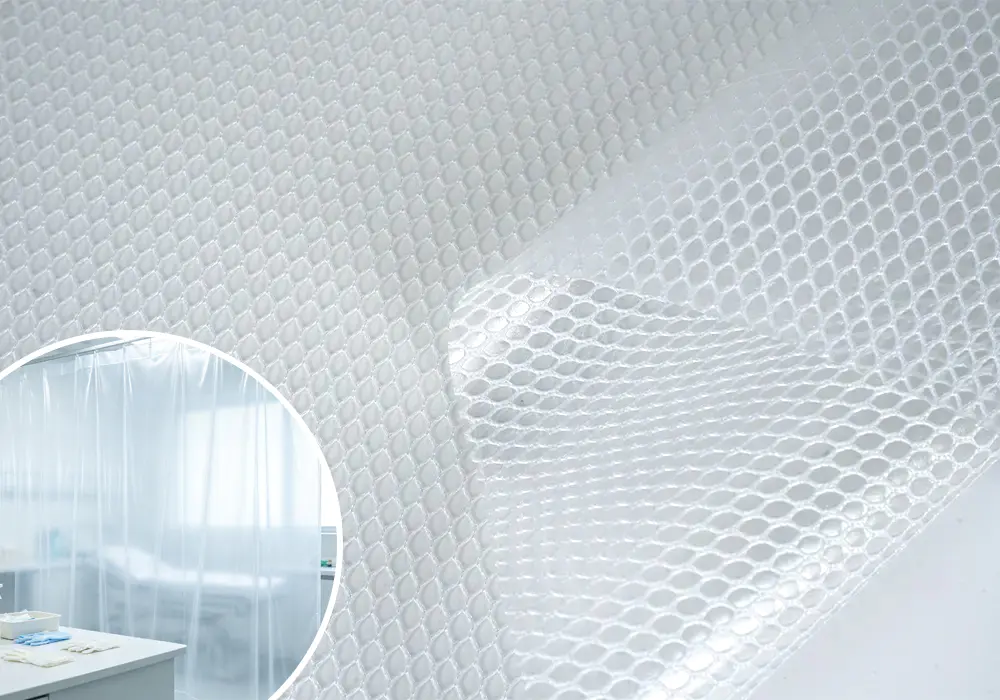 Clear Liquid Isolation Sterilizable Tarpaulin For Medical Application
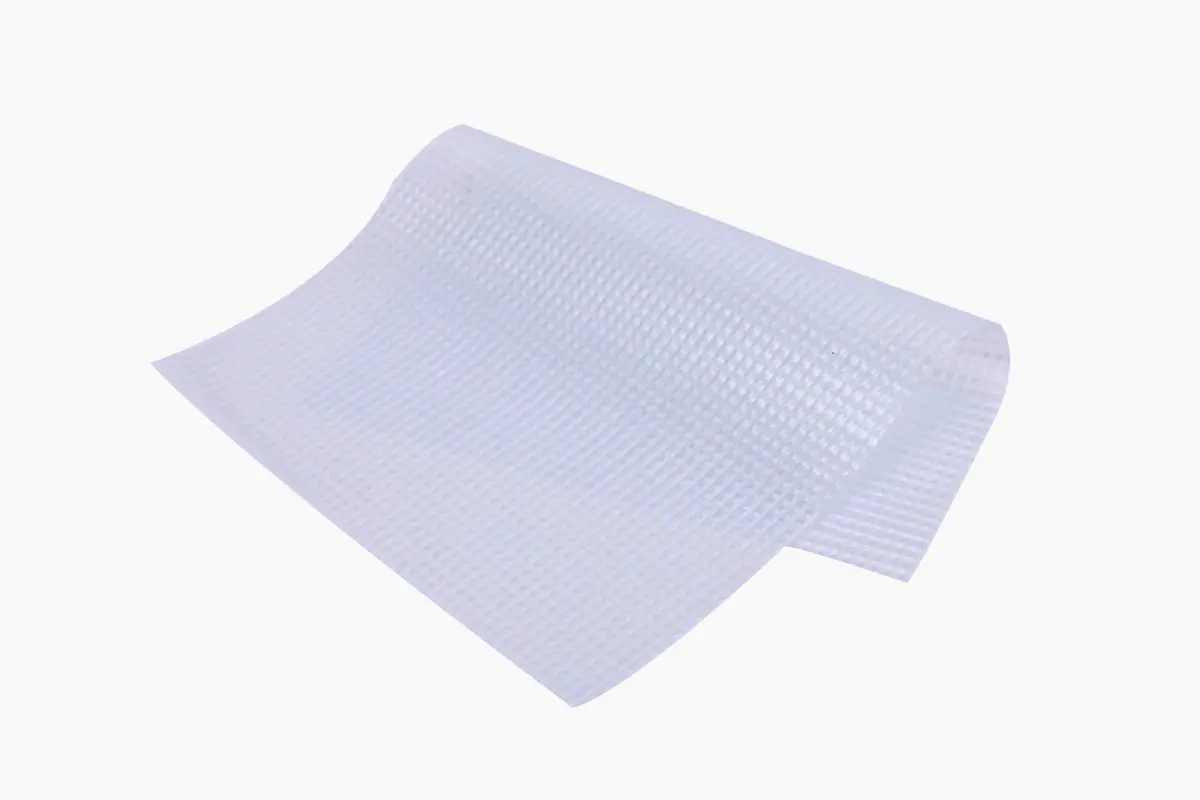 Industrial-Grade Reinforced UV-Resistant Clear Tarpaulin
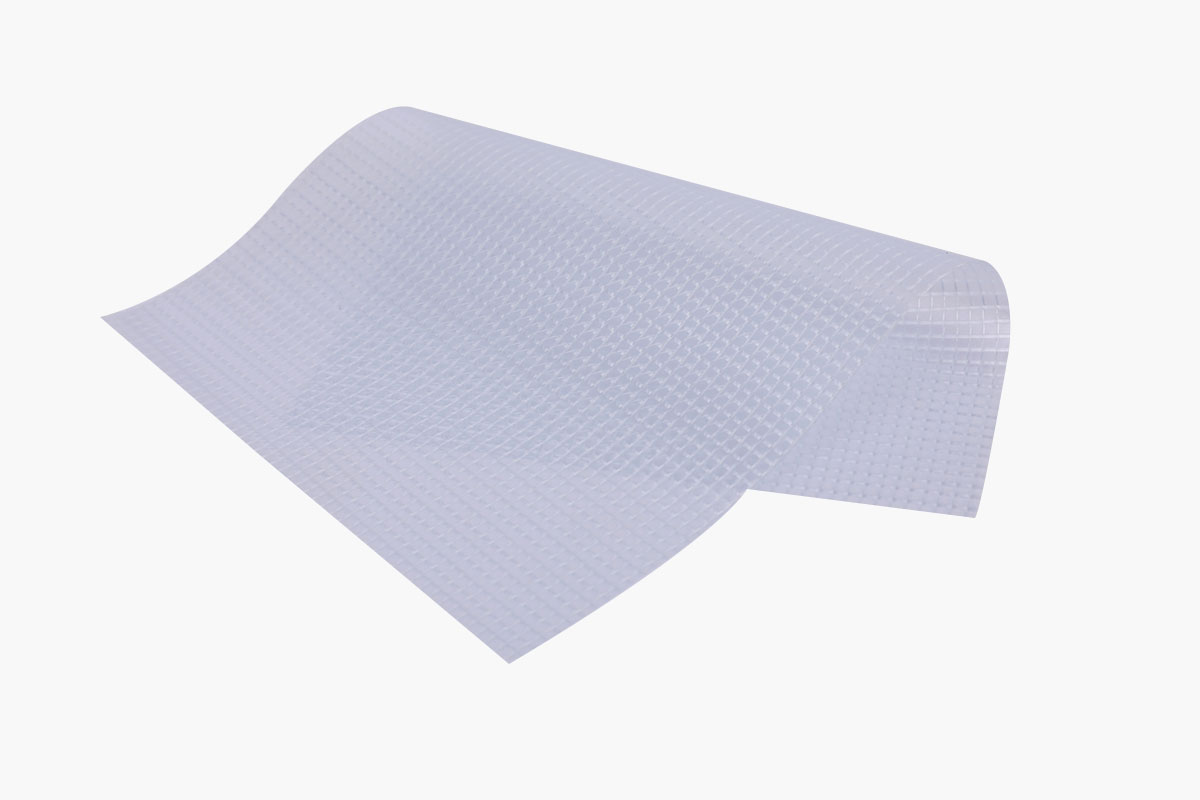 Heavy-Duty Waterproof Clear Tarpaulin
 Custom Digital Printing Fabric Manufacturers
 Previous