

 English
  中文简体
中文简体  Español
 News
Home / News / Industry News / How Do Light Transmission Properties Affect PVC Flex Banner Applications?


Content
PVC flex banner has become a staple in outdoor advertising and signage due to its durability, versatility, and cost-effectiveness. While factors such as tensile strength, waterproofing, and ink adhesion are often discussed, one critical feature that significantly impacts application performance is light transmission. Understanding how the optical properties of PVC flex banner materials influence visual output, installation options, and overall effectiveness is essential for marketers, designers, and end-users seeking results.
Light transmission refers to the amount of light that passes through a material. For PVC flex banners, this property varies depending on the thickness, coating, and formulation of the base PVC film. Typically, PVC flex banners are categorized into opaque, semi-translucent, and backlit types, each with distinct light transmission characteristics.
Opaque banners allow minimal light passage, making them ideal for high-contrast graphics in direct sunlight.
Semi-translucent banners permit moderate light diffusion, which softens colors and reduces glare in bright environments.
Backlit banners are engineered for illuminated displays, light penetration to enhance vibrancy and uniformity when used with lightboxes or LED systems.
The choice of banner type directly influences visual quality, viewer engagement, and application flexibility.
Light transmission properties affect both aesthetic and functional aspects of PVC flex banner installations. For outdoor environments, high light transmission may cause overexposure of colors under direct sunlight, whereas low transmission can improve contrast but limit backlighting options. Conversely, for indoor or backlit signage, optimized transmission ensures uniform illumination, prevents hot spots, and enhances readability from various angles.
| Application Environment | Recommended Light Transmission | Key Benefits |
|---|---|---|
| Outdoor billboard | Low (opaque) | High contrast, durable under sunlight |
| Semi-outdoor signage | Medium (semi-translucent) | Balanced brightness, reduced glare |
| Indoor backlit displays | High (translucent/backlit) | Even illumination, vibrant color display |
By selecting the appropriate PVC flex banner type based on light transmission, designers can tailor installations to specific environmental conditions, ensuring both durability and visual impact.
Light transmission also affects perceived color vibrancy. When light passes through the banner material, it interacts with printed inks, influencing saturation, hue, and overall visual clarity. High-transparency materials can amplify backlit colors, producing vivid, eye-catching displays. However, excessive transparency may color washout under strong light sources, reducing legibility.
Printing techniques play a crucial role in mitigating these challenges. Solvent-based, UV, and eco-solvent inks interact differently with PVC flex banners of varying light transmission. Selecting ink types compatible with the banner’s optical properties ensures consistent color reproduction and minimizes fading or bleeding.
| Banner Type | Printing Technique | Visual Effect |
|---|---|---|
| Opaque | Solvent-based inks | Sharp contrast, high durability |
| Semi-translucent | UV inks | Balanced vibrancy, soft glow |
| Backlit | Eco-solvent or UV inks | Enhanced luminosity, uniform backlight |
Understanding the synergy between light transmission and printing technology allows for optimized design outcomes, particularly for high-traffic advertising spaces where visibility and clarity are paramount.
The PVC flex banner’s composition significantly influences light transmission. Manufacturers adjust polymer blends, additive concentrations, and coating layers to control opacity and translucency. Anti-glare coatings, UV stabilizers, and diffusive layers further refine optical properties, enhancing visual consistency in varied lighting conditions.
By manipulating these factors, PVC flex banners can achieve tailored light diffusion for specialized applications, from storefront backlit panels to large-format outdoor billboards. Designers and installers benefit from knowing the exact transmission range, enabling precise planning for visual effects and illumination.
Light transmission properties dictate installation strategies. Backlit banners require secure mounting and even light distribution behind the panel, whereas opaque banners are less sensitive to light source placement but demand precise alignment to prevent shadows or wrinkles. Semi-translucent banners often serve as flexible solutions in transitional environments where both natural and artificial lighting coexist.
Proper evaluation of ambient lighting, display orientation, and intended viewing distance ensures that the banner’s light transmission properties complement its functional and aesthetic purpose.
| Installation Type | Transmission Impact | Notes |
|---|---|---|
| Outdoor wall-mounted | Minimal impact | Opaque banners perform |
| Lightbox or illuminated | Critical | High-translucency ensures uniform brightness |
| Temporary event displays | Moderate | Semi-translucent banners balance visibility and portability |
Such planning reduces post-installation issues, improves audience engagement, and extends the service life of the PVC flex banner.
Backlit applications often involve continuous illumination, making light transmission properties relevant to energy consumption. High-transparency PVC flex banners require lower light intensity for the same visual effect, offering potential energy savings. Moreover, optimized transmission reduces the need for multiple lighting layers, minimizing material and operational costs.
Sustainable design considerations are increasingly important for large-scale advertising campaigns, where energy-efficient solutions enhance both environmental responsibility and cost-effectiveness.
Advances in PVC flex banner technology continue to refine light transmission properties. Innovations such as micro-perforated backlit films, gradient-opacity coatings, and hybrid multilayer constructions allow precise control over light diffusion. These developments enable creative design possibilities while maintaining durability, weather resistance, and print compatibility.
As the advertising and signage market evolves, understanding and leveraging light transmission properties will remain a key differentiator for impactful visual communication.
Light transmission properties play a critical role in PVC flex banner applications, influencing color vibrancy, readability, installation options, and energy efficiency. By considering these optical characteristics alongside printing techniques, material composition, and installation strategies, professionals can maximize the visual and functional performance of PVC flex banners across diverse environments.
| Feature | Benefit |
|---|---|
| Controlled opacity | Optimized contrast in outdoor use |
| Semi-translucent layers | Balanced illumination and color diffusion |
| High transparency | Enhanced backlit vibrancy |
| Coatings and additives | Improved durability and optical stability |
Selecting the appropriate PVC flex banner based on light transmission ensures effective communication, lasting performance, and visually compelling displays in any application scenario.
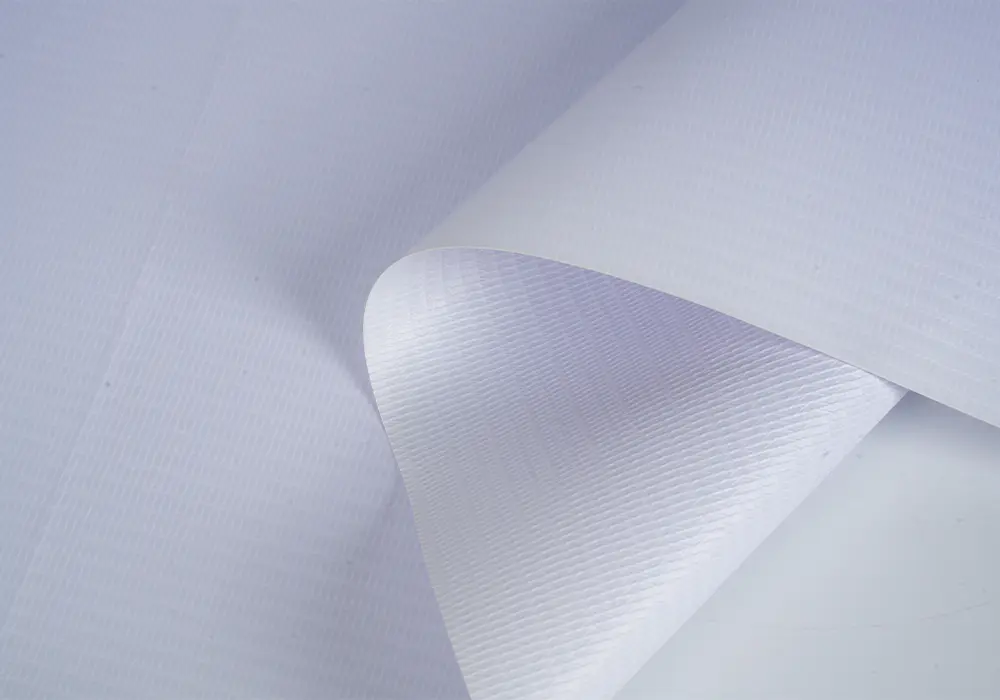 Light Flexible Light Transmitting Flex Advertising Banner
 Large Format Transparent Lightweight inkjet cover Flex Banner
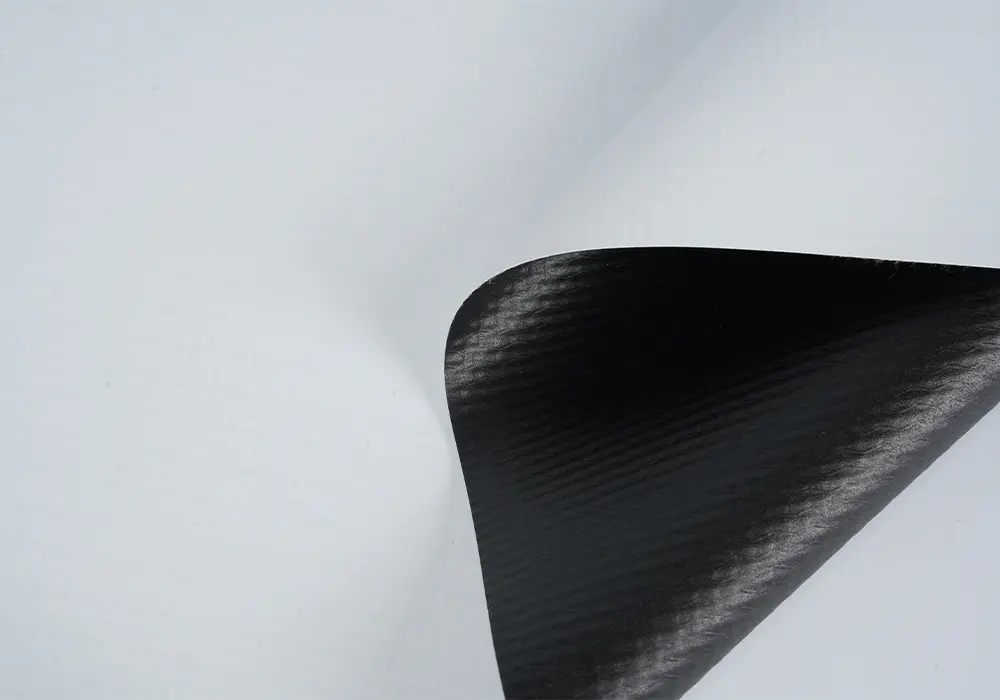 Blackback Light Block HD Printing Flex Banner Fabric
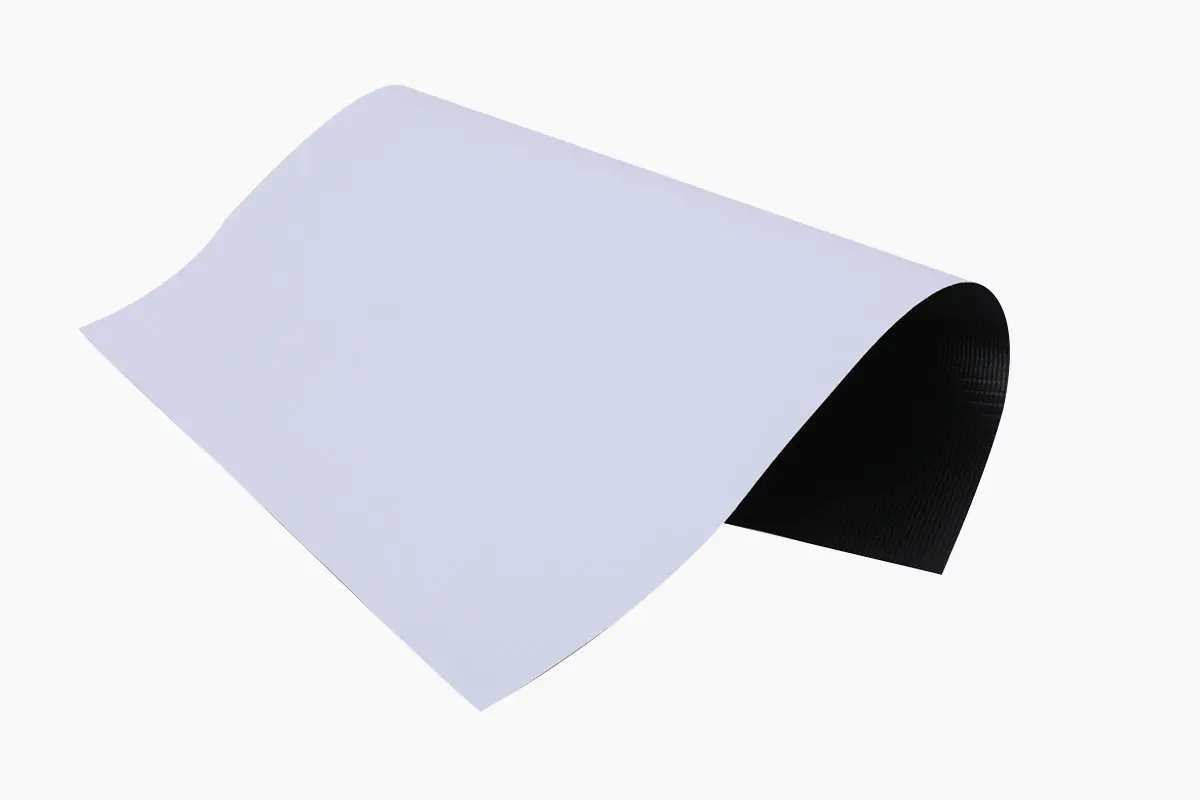 High-Resolution Durable PVC Flex Banner
 Flexible Wear Resistant PVC Tarpaulin For Luggage Bags
 Reflective Outdoor Advertisement Flex Banner
 Custom Digital Printing Fabric Manufacturers
 Previous