

 English
  中文简体
中文简体  Español
News
Content
In the modern packaging industry, extending the shelf life of perishable goods has become a key concern for manufacturers and retailers alike. Consumers demand products that remain fresh, safe, and visually appealing for longer periods, while logistics chains require packaging that can withstand diverse environmental conditions. Among various materials available, PVC film has emerged as a preferred choice due to its exceptional barrier properties, mechanical strength, and adaptability to both indoor and outdoor advertising applications.
Barrier Properties: The Key to Freshness
PVC film’s ability to act as an effective barrier against gases, moisture, and other external contaminants is fundamental to preserving food quality. Its semi-crystalline structure allows it to limit oxygen transmission, which is crucial for delaying oxidation and spoilage in packaged goods. Moisture vapor barrier properties further prevent unwanted water exchange, maintaining texture and preventing microbial growth. These characteristics make PVC film suitable for a wide range of products, including fresh produce, dairy, meat, and bakery items.
Oxygen and Moisture Barrier Performance
To better understand the protective capacity of PVC film, consider the following table summarizing typical barrier properties:
| Property | Measurement | Effect on Shelf Life |
|---|---|---|
| Oxygen Transmission Rate (OTR) | 10–30 cm³/m²/day | Reduces oxidation and spoilage |
| Water Vapor Transmission Rate (WVTR) | 0.5–2 g/m²/day | Maintains moisture balance |
| Chemical Resistance | High | Protects against contamination |
| Tensile Strength | 40–50 MPa | Ensures packaging integrity |
The data indicates that PVC film can significantly slow down chemical and biological processes that cause product degradation. Compared to standard plastics, its tailored barrier properties allow manufacturers to optimize packaging thickness and layering without compromising flexibility or printability.
Versatility in Packaging Formats
Beyond its barrier efficiency, PVC film offers remarkable versatility in packaging formats. It can be extruded into shrink films, cast into clear sheets, laminated with other materials, or coated to enhance barrier performance. This adaptability allows manufacturers to create packaging solutions that not only extend shelf life but also improve handling, stacking, and display.
Functional Benefits for Manufacturers
Shrink Films: Provide tight-fitting packaging for irregularly shaped products, preventing air pockets and microbial exposure.
Coated Laminates: Integrate additional moisture and oxygen barriers for sensitive goods.
Clear PVC Sheets: Allow consumers to visually inspect the product while retaining protective properties.
The inherent strength of PVC film ensures that even in high-volume logistics operations, packages remain intact, reducing product loss and returns.
Sustainability Considerations
While extending shelf life is critical, sustainability is becoming an equally important factor. Modern PVC films can be formulated with recyclable additives and optimized thickness to reduce material usage without compromising barrier performance. Additionally, advanced processing techniques allow for energy-efficient production, aligning with growing environmental awareness in the packaging industry.
Role in Indoor and Outdoor Advertising
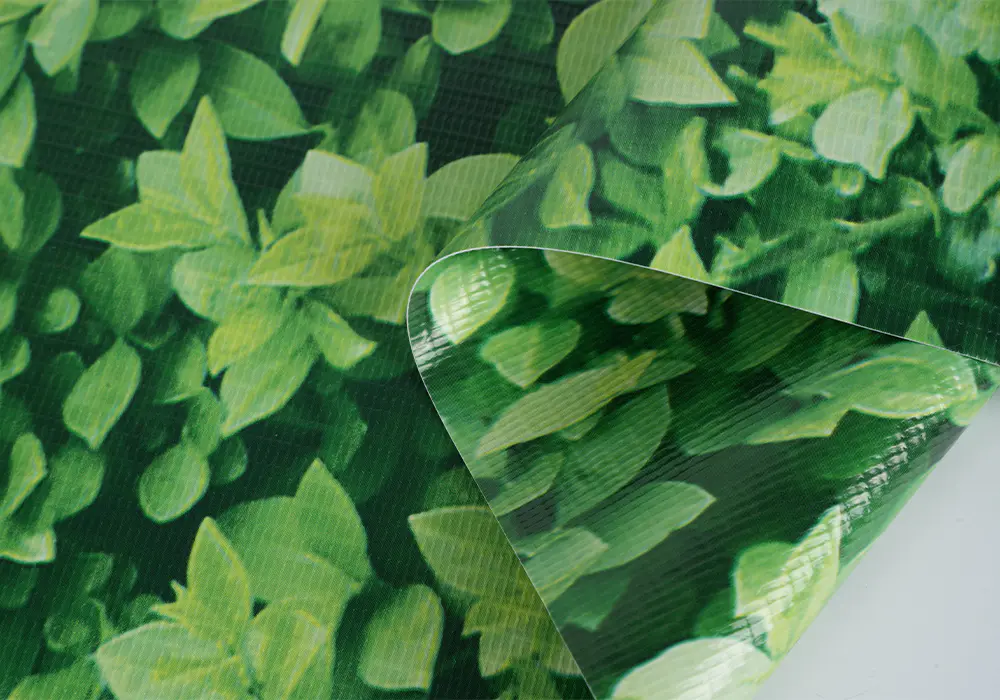
Interestingly, the utility of PVC film extends beyond food packaging. Its durability and printability make it a popular medium for indoor and outdoor advertising. High-quality graphics printed on PVC film remain vibrant over extended periods, even under exposure to sunlight, rain, or wind. This dual functionality—serving both as a packaging material and a display medium—demonstrates the flexibility and economic value of PVC film in various commercial applications.
Printing and Display Advantages
| Feature | Application | Benefit |
|---|---|---|
| High Gloss Finish | Retail displays | Enhances visual appeal |
| UV Resistance | Outdoor advertising banners | Maintains color vibrancy |
| Dimensional Stability | Indoor point-of-sale signage | Prevents warping and curling |
| Compatibility with Multiple Inks | Flexographic and digital printing | Expands creative design options |
The ability to print durable, high-quality graphics while maintaining barrier performance in packaging makes PVC film a uniquely versatile material in commercial production environments.
Temperature and Environmental Stability
One of the critical aspects in preserving packaged goods is temperature control. PVC film maintains mechanical integrity across a wide temperature range, making it suitable for cold chain distribution, ambient storage, and even moderate heating processes. Its dimensional stability prevents wrinkling or shrinking under fluctuating temperatures, ensuring consistent barrier performance throughout the product lifecycle.
Applications Across Product Categories
The application of PVC film spans numerous sectors, including:
Food Industry: Fresh fruits, vegetables, dairy, and baked goods benefit from oxygen and moisture control.
Pharmaceuticals: PVC blister packs provide sterile, hermetic sealing for tablets and capsules.
Consumer Goods: Household products and electronics use PVC film to prevent moisture ingress and physical damage.
Each application leverages PVC film’s customizable thickness, clarity, and printability to meet both functional and aesthetic requirements.
Future Trends in PVC Film Packaging
As consumer expectations evolve, manufacturers are increasingly seeking smart packaging solutions. PVC films can be integrated with active and intelligent technologies, such as oxygen scavengers, antimicrobial coatings, and freshness indicators, to further extend shelf life and enhance consumer trust. Moreover, ongoing innovations in biodegradable additives and recycling compatibility are likely to make PVC film an even more sustainable choice for packaging industries.
Conclusion
PVC film plays a pivotal role in extending the shelf life of packaged goods, thanks to its exceptional barrier properties, mechanical strength, and versatility. By preventing oxygen and moisture penetration, PVC film maintains product quality, reduces spoilage, and ensures that goods reach consumers in condition. Its applications in indoor and outdoor advertising further highlight its adaptability, while advancements in sustainability and smart packaging reinforce its relevance in modern industries. For manufacturers seeking to enhance product preservation while maintaining aesthetic appeal and commercial viability, PVC film remains an indispensable material in the packaging toolkit.
 Previous