

 English
  中文简体
中文简体  Español
 News
Home / News / Industry News / What Printing Techniques Maximize Color Vibrancy on PVC Flex Banner Media?


Content
In the contemporary advertising landscape, PVC flex banner has emerged as one of the versatile and durable media for outdoor and indoor displays. Its widespread application ranges from large-format billboards and event banners to promotional signage and exhibition backdrops. While the physical durability of PVC flex banner ensures long-term usability, achieving color vibrancy is critical to capturing audience attention and conveying impactful visual messages.
PVC flex banner is composed of a polyester scrim core sandwiched between layers of polyvinyl chloride (PVC). This structure offers tensile strength, dimensional stability, and resistance to environmental factors such as sunlight, moisture, and wind. A key feature of PVC flex banner is its smooth surface, which is compatible with multiple printing techniques, including solvent-based, UV, and latex printing. The surface coating of the banner also plays a vital role in how ink adheres, spreads, and maintains its visual intensity over time.
| Property | Description | Impact on Printing |
|---|---|---|
| Base Material | Polyester scrim | Provides tensile strength and dimensional stability |
| Surface Coating | Smooth PVC finish | Enhances ink adhesion and color absorption |
| Durability | High resistance to UV and moisture | Maintains visual quality in outdoor conditions |
| Flexibility | Tear-resistant and bendable | Suitable for large-format and roll-to-roll printing |
Understanding these inherent characteristics of PVC flex banner allows printers to select techniques that maximize color vibrancy while preserving the banner’s structural integrity.
Solvent-based printing has long been favored for large-format applications due to its ability to penetrate PVC flex banner surfaces effectively. Solvent inks contain pigments that chemically bond with the PVC surface, creating a durable and vivid finish. Key advantages of solvent-based printing include outdoor longevity, resistance to fading, and deep color saturation, particularly for reds, blues, and greens.
Modern solvent printing techniques often involve eco-solvent inks, which are less aggressive on the media while maintaining comparable vibrancy. By optimizing ink formulation and print head resolution, operators can achieve high-density color layers without compromising flexibility, a critical consideration for banners that require frequent handling or rolling.
UV printing has emerged as a cutting-edge solution for enhancing color vibrancy on PVC flex banner. Unlike traditional inks, UV-curable inks polymerize instantly when exposed to ultraviolet light, forming a solid layer that adheres tightly to the banner surface. This method ensures sharp, high-definition graphics with consistent color across complex designs.
UV printing is particularly effective for multi-layered designs or gradients, as the ink’s rapid curing minimizes spreading and blurring. Moreover, UV printing eliminates the need for pre-coating or post-treatment processes, reducing production time while maintaining color fidelity. For banners used in high-visibility environments, UV printing ensures that graphics remain vibrant under prolonged exposure to sunlight.
| Printing Technique | Ink Type | Color Advantages | Durability Features |
|---|---|---|---|
| Solvent Printing | Solvent/Eco-solvent | Deep, saturated colors | High UV and moisture resistance |
| UV Printing | UV-curable | Sharp, high-definition graphics | Instant curing prevents smudging and fading |
| Latex Printing | Water-based latex | Bright, consistent colors | Flexible, suitable for indoor/outdoor use |
Water-based latex printing offers a balance between environmental responsibility and color performance. Latex inks penetrate PVC flex banner surfaces without relying on harsh chemicals, resulting in bright, consistent tones that maintain clarity across large graphics. Additionally, latex inks remain flexible after curing, reducing cracking or flaking on banners subjected to bending or folding.
For indoor banners or temporary outdoor installations, latex printing delivers vibrant visuals with minimal preparation. The method is compatible with standard roll-to-roll PVC flex banner formats and allows for quick turnaround times, making it a preferred choice for event signage or promotional campaigns with tight deadlines.
No matter the printing technique, surface preparation is essential for color vibrancy on PVC flex banner. Cleaning the banner to remove dust, oils, and other residues ensures uniform ink adhesion. Additionally, certain banner surfaces are treated with primer coatings or anti-curl layers to enhance ink absorption and prevent color bleeding.
A common practice in industrial printing environments is to test small samples before large-scale production. This allows operators to adjust ink density, layering techniques, and curing parameters to match the banner’s specific surface properties. Proper preparation reduces color variation, ensures consistent saturation, and prolongs the visual appeal of the final product.
Effective color management is another critical factor in achieving vibrancy on PVC flex banner. Digital workflows utilize ICC profiles and calibration tools to ensure that the colors displayed on monitors translate accurately to the printed banner. By standardizing color output, printers can maintain brand consistency across multiple banners and production batches.
Advanced color management techniques also account for the interplay between ink, banner surface, and environmental conditions. For example, outdoor banners may require slight adjustments to ink density or hue to compensate for light reflection, ensuring that colors appear vivid under natural sunlight.
Maximizing initial color vibrancy is only one part of maintaining the visual impact of PVC flex banner. Environmental exposure, including UV radiation, precipitation, and dust accumulation, can gradually degrade colors over time. Selecting appropriate inks and printing techniques enhances longevity, while routine maintenance—such as gentle cleaning and proper storage—preserves brightness and reduces fading.
| Maintenance Aspect | Recommended Approach | Expected Benefit |
|---|---|---|
| Cleaning | Use soft cloths and mild detergents | Prevents dirt from dulling colors |
| Storage | Roll banners loosely in dry, cool areas | Minimizes creasing and ink stress |
| Exposure | Limit direct UV for extended periods | Preserves color intensity |
These practices ensure that the investment in high-quality printing techniques is fully realized, with PVC flex banners remaining visually striking for months or even years.
Achieving color vibrancy on PVC flex banner media requires a combination of material understanding, advanced printing techniques, and precise workflow management. Solvent-based printing excels in saturated, durable colors, UV printing provides sharp, high-definition graphics, and latex printing balances eco-friendliness with bright, consistent tones. Coupled with proper surface preparation, color management, and maintenance strategies, these techniques enable PVC flex banners to deliver visually impactful, long-lasting displays in diverse environments.
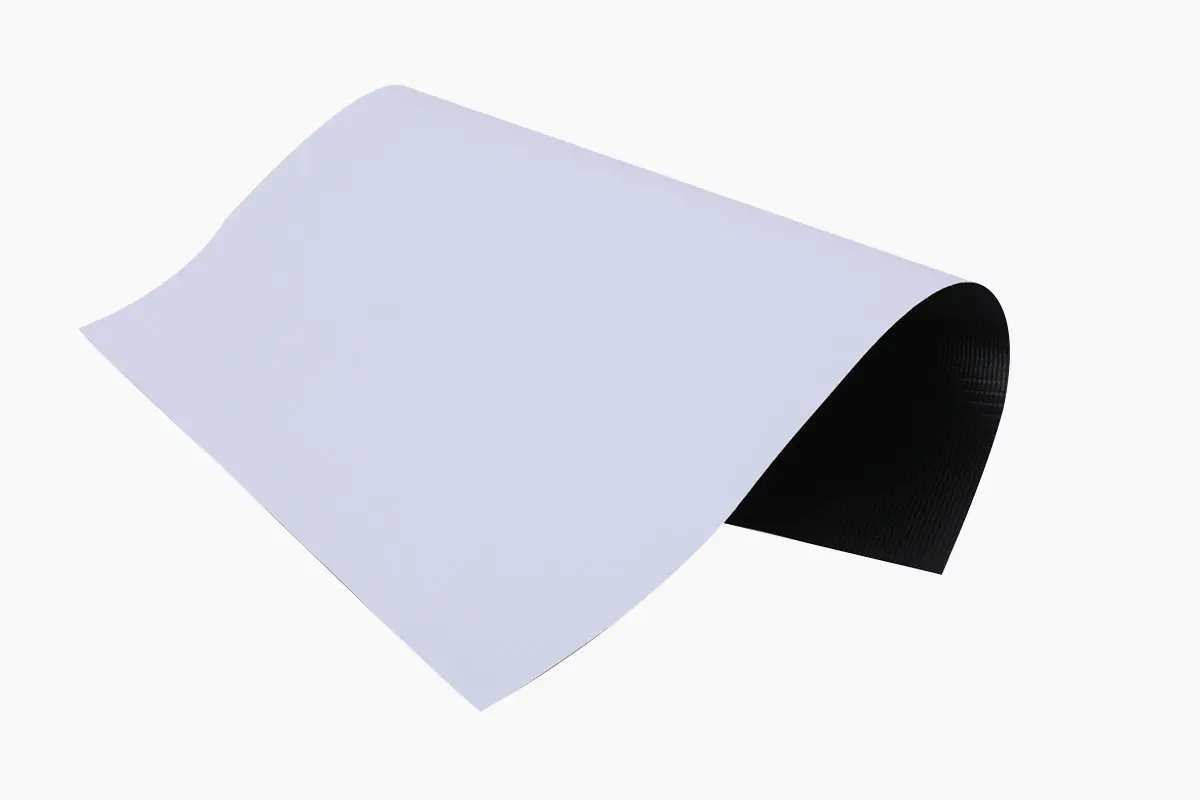 High-Resolution Durable PVC Flex Banner
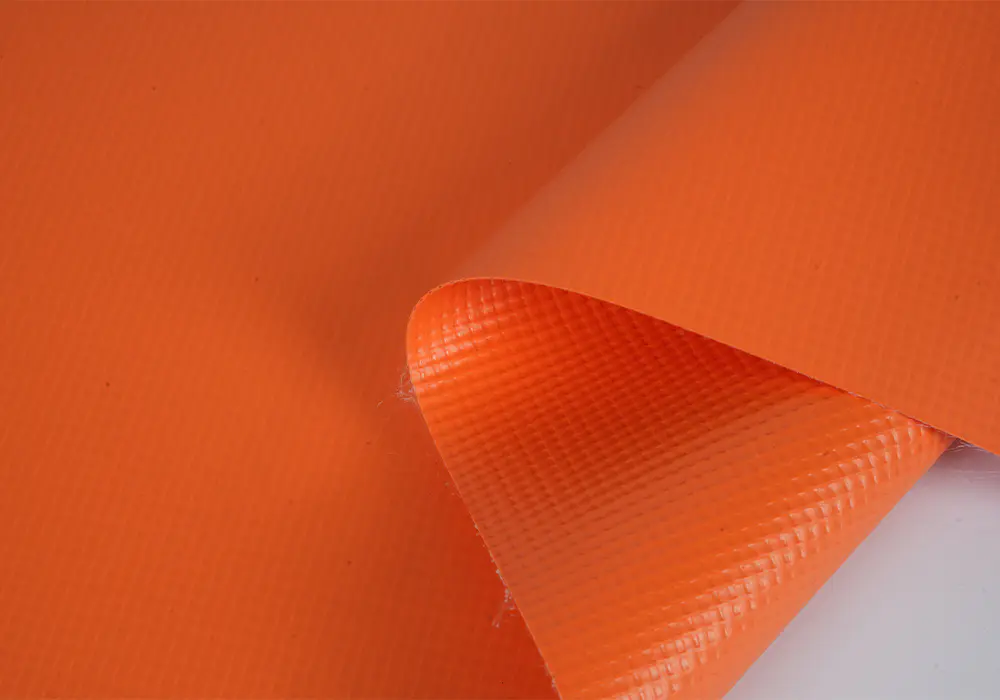 Flexible Wear Resistant PVC Tarpaulin For Luggage Bags
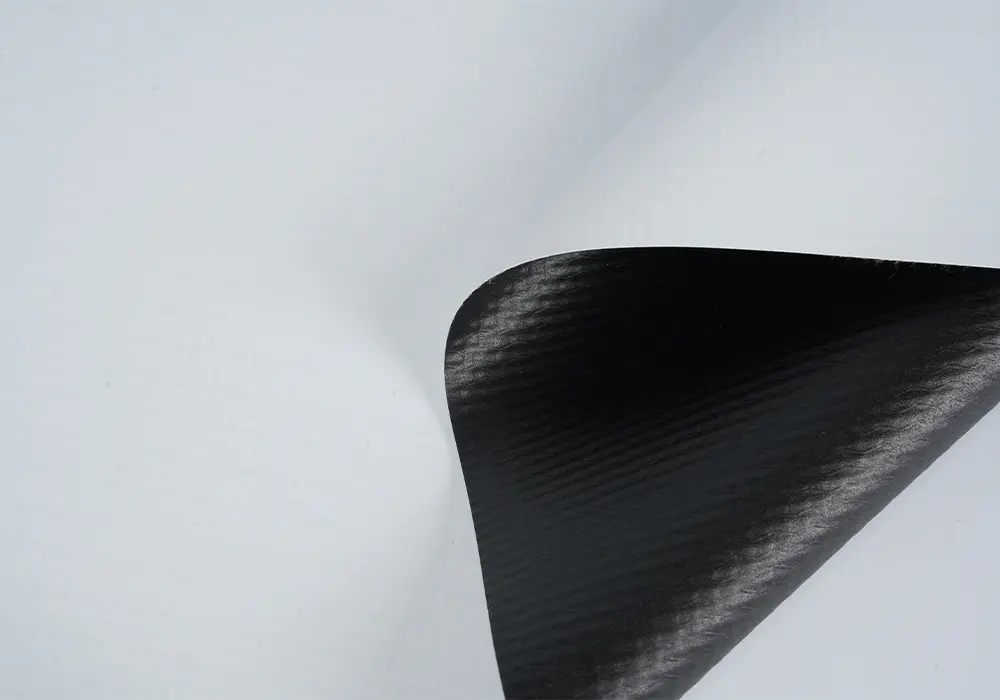 Blackback Light Block HD Printing Flex Banner Fabric
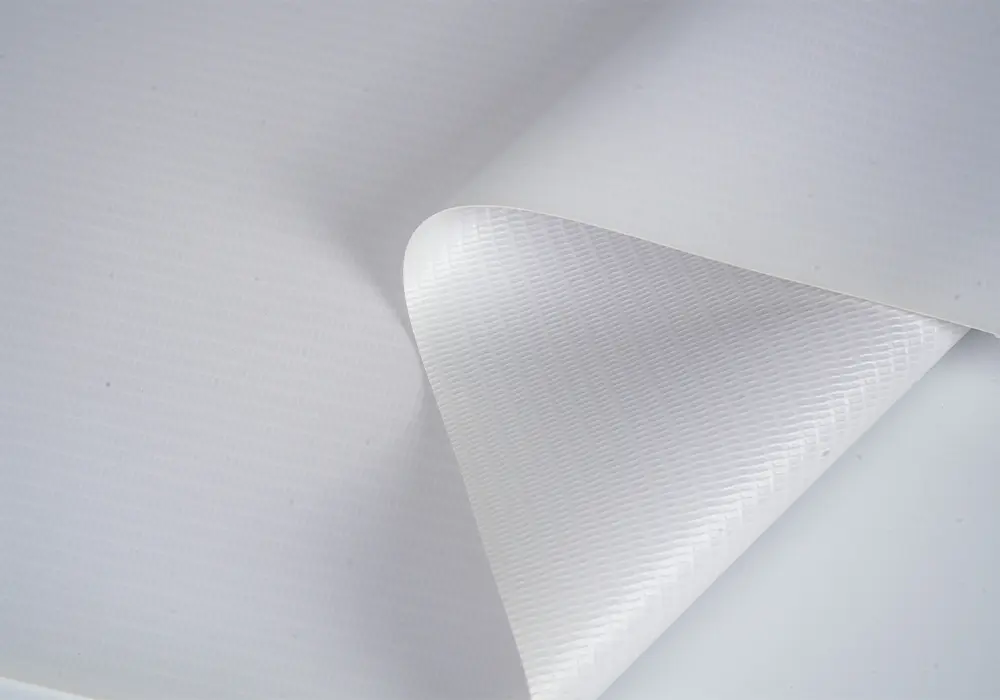 Thick Vivid Color Commercial Flex Banner Display Cloth
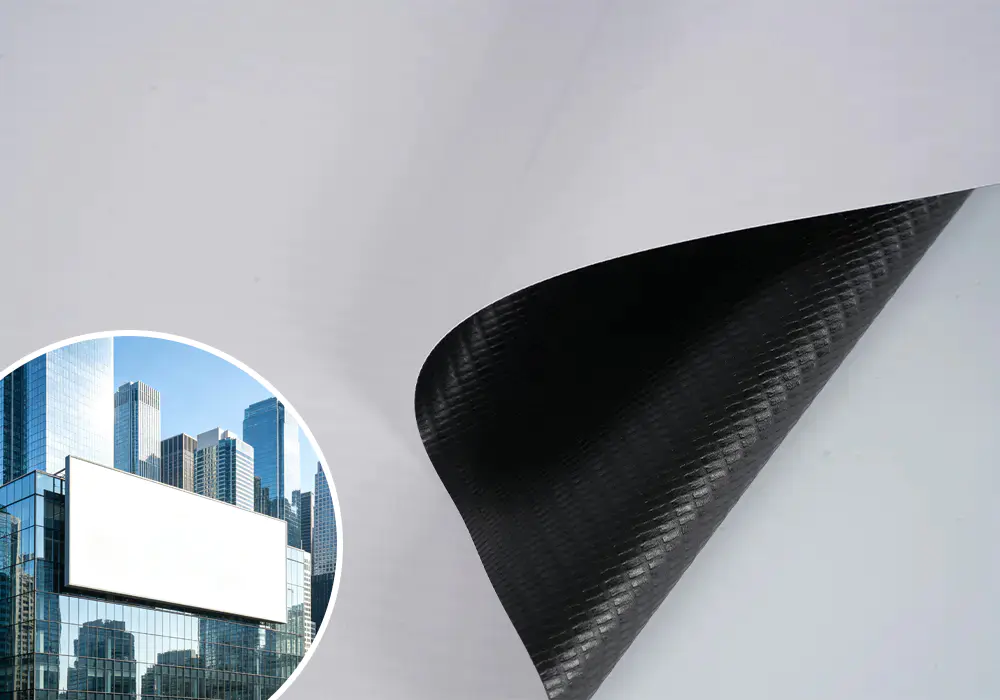 High Ink Absorption Blackback Commercial Promo Flex banner Material
 Large Format Transparent Lightweight inkjet cover Flex Banner
 Custom Digital Printing Fabric Manufacturers
 Previous