

 English
 中文简体
 Español
News
Home / News / Industry News / Why Heavy Duty Mesh Tarp Is the Smart Choice for High-Wind and Heavy-Use Sites


Content
A heavy duty mesh tarp is a woven tarpaulin with a regular pattern of small openings that lets air and some light pass through while still blocking debris, dust and most rain. For contractors, fleet managers and outdoor advertisers, that combination solves a problem that solid sheeting cannot: it keeps material covered without turning every gust of wind into a structural risk. This guide explains how the product works, where it performs best, which specifications matter when you compare options, and what to check before placing a bulk order.
The sections below are written for buyers who need practical answers. You will find comparisons, a specification overview, a short list of selection criteria and a set of frequently asked questions at the end.
Solid sheeting catches wind across its entire face. Once the wind pressure builds, the sheet can billow, tear at its grommets or pull on the frame behind it. A mesh structure lets a portion of the wind pass through the openings, which reduces the total load the frame and anchor points must carry. In practice, this is why mesh covers are widely specified for scaffolding, perimeter screening and elevated loads where wind exposure is high.
The right product depends on the job. The table below summarizes common use cases, the performance priority for each and the typical specification focus.
| Application | Main Priority | Typical Specification Focus |
|---|---|---|
| Construction scaffolding and debris netting | Wind reduction and fire safety | Flame retardant rating, reinforced grommets |
| Dump truck and trailer loads | Abrasion and cold resistance | Double-layer edges, low-temperature flexibility |
| Outdoor advertising | Print quality and wind stability | Printable surface, low wind load |
| Perimeter and sports venue screening | Visual privacy and durability | Dense weave, high shade ratio |
| Agricultural shade | UV stability and ventilation | UV resistance, breathable structure |
On active construction sites, mesh covers serve two roles at once. They hold back falling debris and dust from reaching public areas, and they reduce the wind force acting on temporary structures. Buyers in this segment usually ask for flame-retardant treatment and reinforced grommet spacing, because inspectors often review these details during site safety checks.
Trucks carrying sand, gravel or demolition waste face abrasion from loose material and repeated flexing during loading. A heavy duty mesh tarp used in this setting benefits from a reinforced perimeter and a fabric that stays flexible in cold weather, where some coatings become stiff and crack.
Large-format outdoor graphics are often printed on mesh because the open structure lowers the wind load on the billboard frame. Print quality depends on the coating and the ink system, so buyers should confirm compatibility with their printing method before ordering.
When two products look similar, the specification sheet usually reveals the difference. The following points are the ones experienced buyers check first.
Open weave reduces the load transferred to the frame compared with solid sheeting.
Reinforced edges and coated yarns resist tearing during repeated handling.
Flame retardant options support inspection requirements on many job sites.
Understanding the production path helps buyers plan lead times and avoid surprises. The flow below shows the usual stages for a custom order.
Tension is the most important variable. A cover that is too loose will flap and fatigue its edges, while one pulled too tight can overload grommets. Spread the load evenly across all anchor points and check tension after the first few days of exposure, since fabric settles.
Rinse off dust and grit with low-pressure water and a mild cleaner. Dry the cover completely before folding, and store it away from direct sunlight and chemicals. Folding a damp cover can cause mildew and weaken the coating over time.
| Interval | Check |
|---|---|
| Weekly on active sites | Anchor points, grommets and visible tears |
| After storms or high wind | Edge stitching, frame contact points and tension |
| Monthly in storage | Moisture, pests and fold stress |
It is used wherever a cover must stay in place under wind or heavy handling while still allowing air to pass through. Common uses include construction debris netting, scaffolding screens, truck loads, outdoor advertising and shade structures.
A mesh structure reduces the wind force acting on the cover and its frame. This lowers the chance of tearing and anchor failure, although solid sheeting may still be preferred where full waterproofing is required.
Yes, many mesh products accept digital printing for banners and signage. Print results depend on the coating and ink type, so request a sample before placing a large order.
Flame retardant versions are commonly produced for construction and public venue applications. Ask for the specific test standard and certificate that your project requires.
Key factors include fabric weight, coating type, size, edge reinforcement, printing requirements and order quantity. Clear specifications at the start make quotations faster and more accurate.
If you are comparing options for a project, you can review detailed product information and submit your requirements on the heavy duty mesh tarp page. Sharing your application, dimensions and target climate helps the supplier recommend a suitable material and estimate lead time.
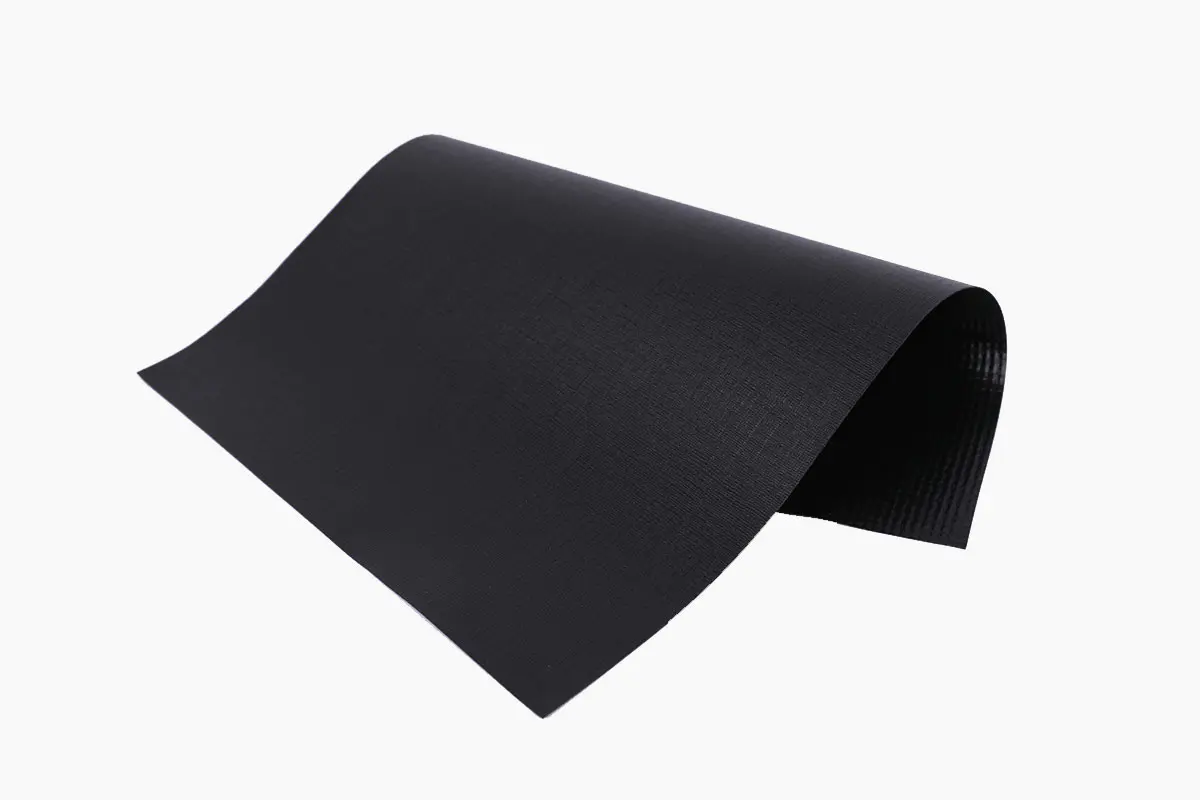 Heavy-Duty High-Performance Camouflage-Printed Tarpaulin
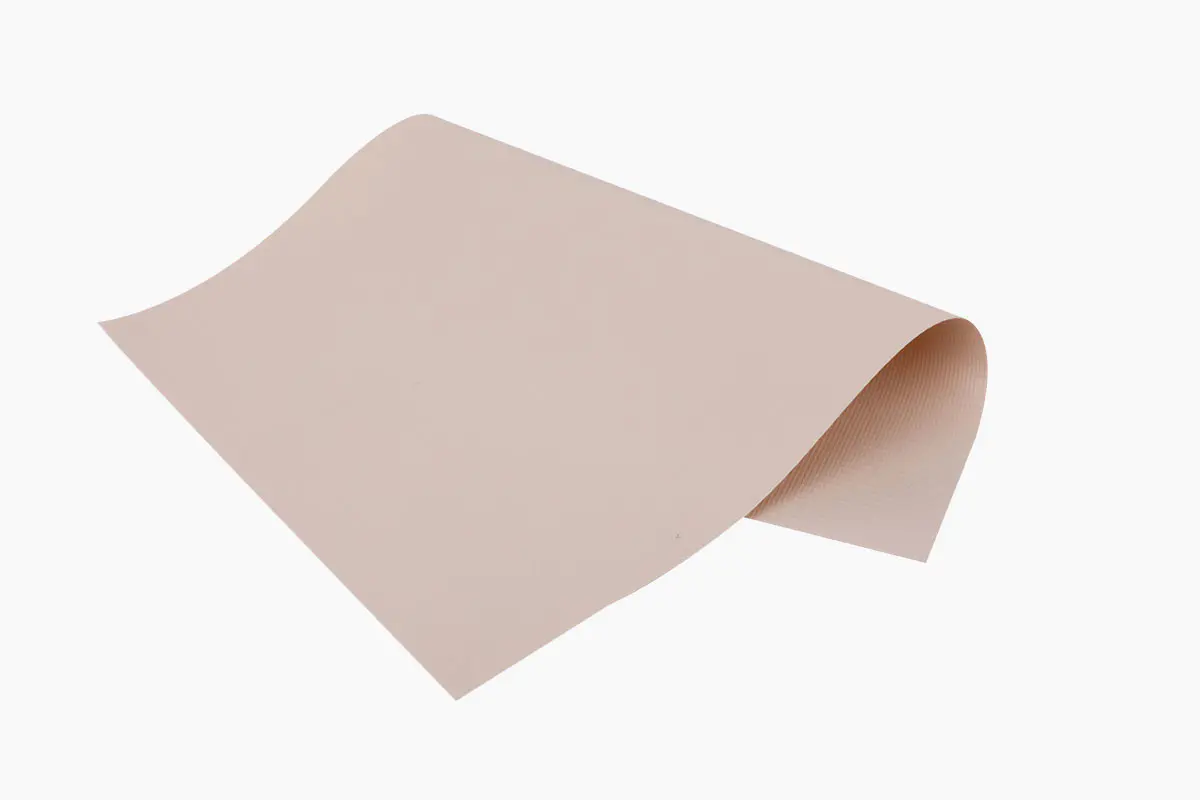 Heavy-Duty Reinforced Waterproof Tarpaulin
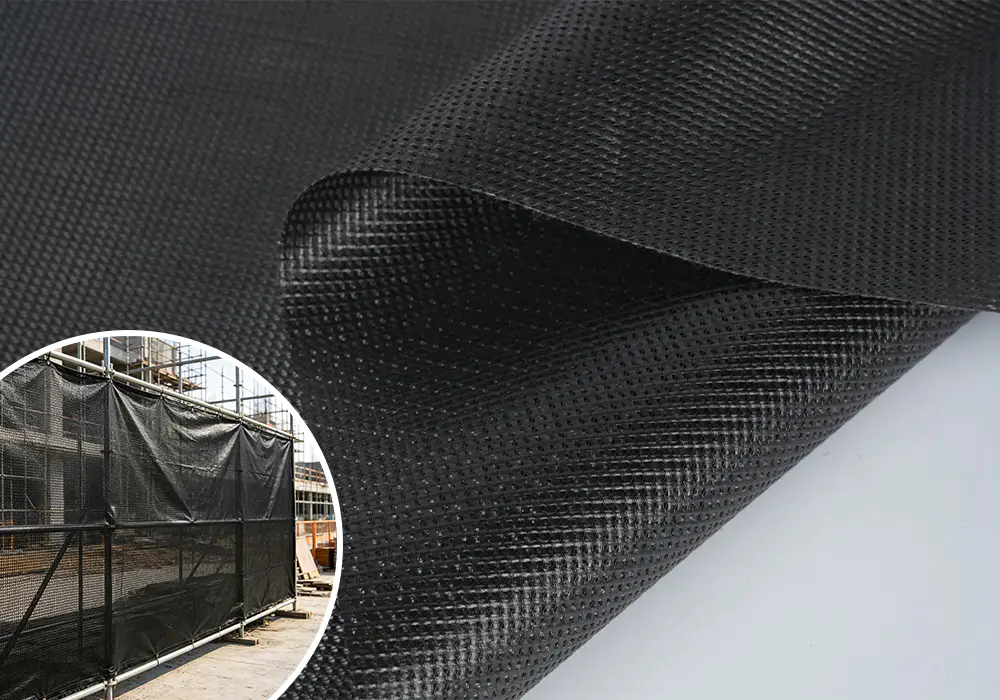 All Weather Heavy Duty Mesh Tarpaulin for Barrier Fencing
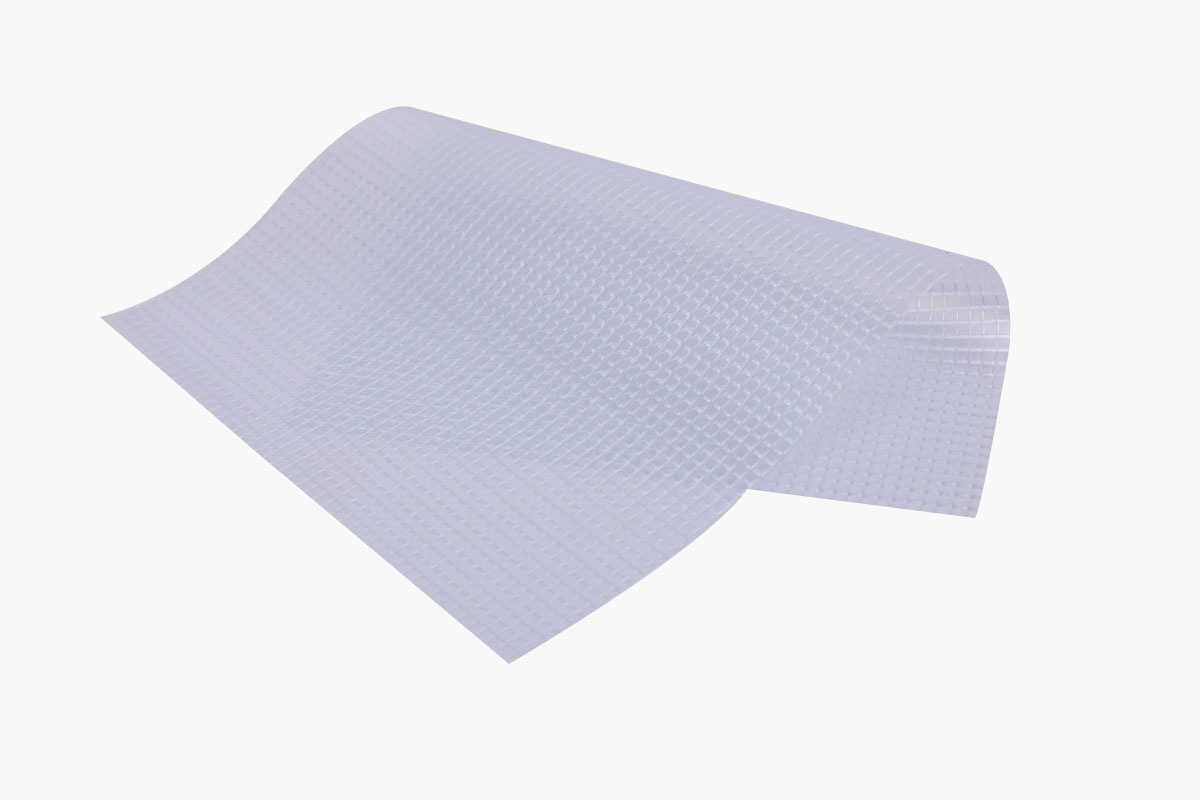 Heavy-Duty Waterproof Clear Tarpaulin
 Heavy Duty Printable UV Block Tarpaulin For RV Awning
 Heavy Duty Waterproof Tarpaulin For Truck Side Curtain
 Custom Digital Printing Fabric Manufacturers
 Previous