

 English
 中文简体
 Español
News
Home / News / Industry News / Why Mesh Tarpaulin Beats Solid Banners in High-Wind Outdoor Advertising: A Buyer’s Guide


Content
Wind, not rain, is the biggest threat to a large outdoor banner. A solid print that catches air can tear, detach from its frame, or fall onto the street. Choosing the right mesh tarpaulin specification is the most effective way to protect both the campaign and the people nearby.
Large outdoor advertising, such as building wraps, construction hoardings, and high-level billboards, operates in environments where wind speed rises with height and exposure. A banner that looks perfect on the printer can behave very differently at forty meters above a busy road. This guide explains how to match fabric, mesh pattern, ink, and finishing to the wind conditions and viewing distance of your event, so you can request a quote with confidence.
A solid vinyl banner acts like a sail. Once wind pressure builds, every square meter of surface pushes against the mounting points, and the load concentrates at the grommets and seams. Mesh changes this equation because the small openings let air pass through rather than building pressure behind the panel.
Because the surface is perforated, the banner experiences less flapping, less shock loading, and far fewer tear initiation points. For that reason, mesh is widely specified for any location where gusts are frequent, including coastal areas, rooftops, bridges, and open squares.
Mesh is not the right answer for every application. Its perforations are visible at close range, and the material is not fully opaque, so a viewer standing near a shopfront may see the building behind the graphic. Indoor light boxes, storefront fascia within about three meters of the viewer, and detailed product photography are better served by solid print.
Two mesh banners can look nearly identical in a catalog and still differ dramatically in price and service life. The following four parameters explain most of that difference.
Do not select on the word "mesh" alone. Outdoor-grade products normally use a high-tenacity polyester base, often in the 500D to 1000D range, coated with PVC on both faces. The base determines tensile strength, while the coating determines weather resistance and surface stability.
Hole size controls both airflow and image sharpness. Coarser perforations allow more air through and suit coastal sites, wind corridors, and high-rise installations. Finer perforations hold more detail and are a better match for hoardings where pedestrians read the graphic at closer distances.
| Mesh Type | Typical Use | Wind Performance | Image Detail |
|---|---|---|---|
| Coarse mesh | Building wraps, high banners | Excellent | Moderate |
| Medium mesh | General outdoor signage | Good | Good |
| Fine mesh | Construction hoardings | Fair | Excellent |
Ink chemistry is one of the clearest dividing lines between a short-lived banner and a reliable one. Standard solvent inks on mesh often begin to fade and chalk within about six months of outdoor exposure. UV-curable inks, combined with a properly formulated coating, commonly maintain color for two to three years under normal conditions. Ask suppliers for their UV exposure test data and the expected service period in your climate.
Even the best fabric fails at a weak edge. Confirm that the hem is reinforced with a rope or strap, that grommets are heavy-duty and spaced appropriately, and that the corners are double-stitched or welded with added reinforcement. A useful check is to ask the supplier how many grommets per meter the product includes and what load rating those grommets are designed for.
The fastest way to narrow the specification is to identify your application first. The table below summarizes the most common scenarios.
Scenario A
Heavy-weight coarse mesh with reinforced edges, heavy-duty grommets, and UV-stable ink. Safety and compliance take priority.
Scenario B
Fine or medium mesh for sharp graphics, with a flame-retardant option where the banner is close to crowds.
Scenario C
Lightweight mesh to reduce the load on suspension points and simplify installation inside venues.
Mesh pricing varies widely, and the lowest unit price is rarely the lowest total cost. A polyethylene mesh at a very low price per square meter may look attractive, but it tends to become brittle in sunlight, lose print sharpness, and need replacement within a single season. Advertising-grade PVC mesh costs more because the value sits in the base fabric density, the coating system, and the ink. Those same factors determine how many months the banner will hold its appearance, which is the figure that matters for a campaign budget.
To receive an accurate recommendation, share your display size, local wind exposure, and campaign duration. A qualified supplier can then calculate the appropriate weight and mesh pattern and return a detailed quote.
Yes, double-sided printing is possible, but it requires careful alignment and a sufficiently dense mesh so that the image from one side does not show strongly through the other. For double-sided use, ask for ink formulations designed for two-sided exposure.
Lifespan depends mainly on ink type, coating, and climate. A solvent-printed banner may last only a few months outdoors, while a UV-printed PVC mesh typically lasts between one and three years with proper installation.
Use elastic cords or ties rather than hard, fixed lines. Maintain even tension across the banner and avoid pulling one corner harder than the others, since uneven stress is a common cause of edge failure.
Selecting the right mesh comes down to balancing wind load against image quality. Start with the wind environment and viewing distance, then specify weight, mesh size, ink, and finishing to match. A well-chosen mesh banner stays safe, looks sharp, and delivers value for the full campaign.
Ready to specify your next outdoor campaign? Get a quote for mesh tarpaulin and share your display size, wind zone, and duration for a tailored recommendation.
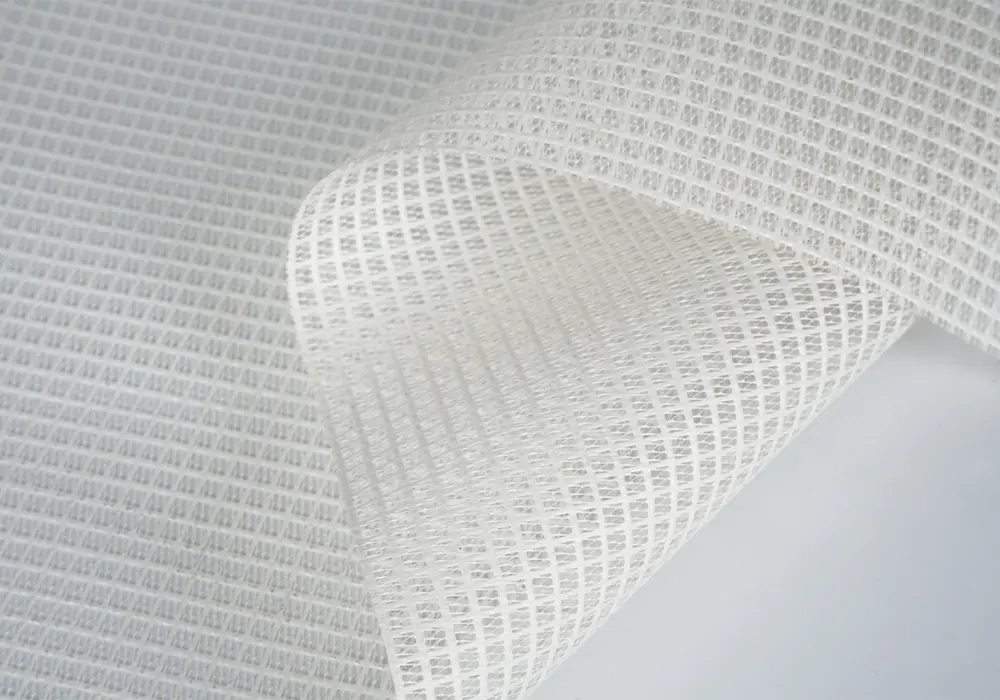 Breathable Wind Resistant Mesh Tarpaulin for Advertising
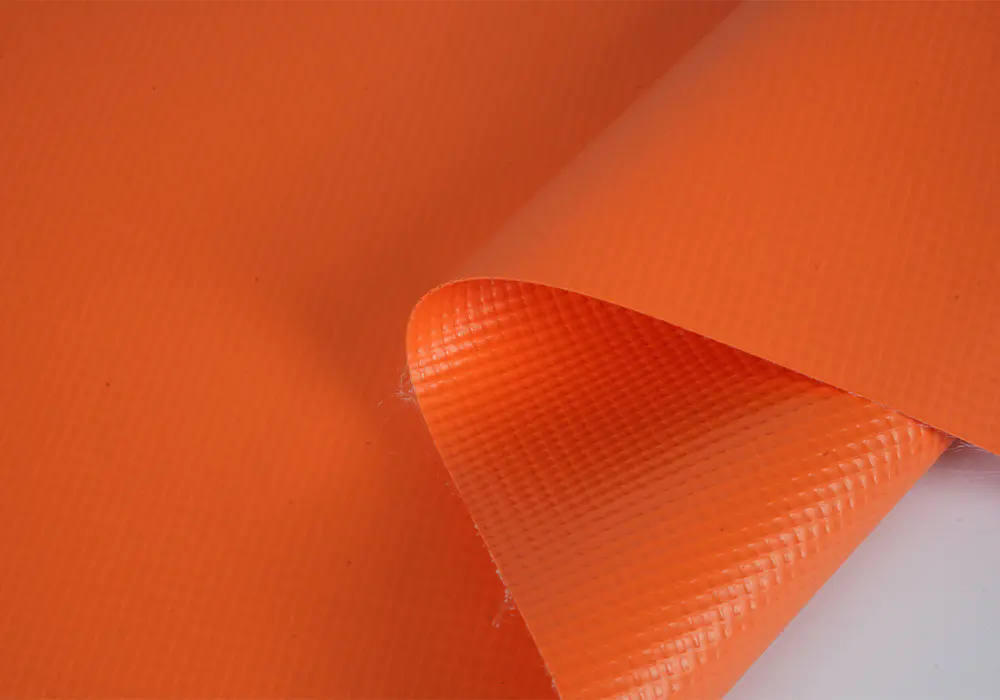 High Strength Wind Resistant Tarpaulin For Air Duct Wind Sleeve
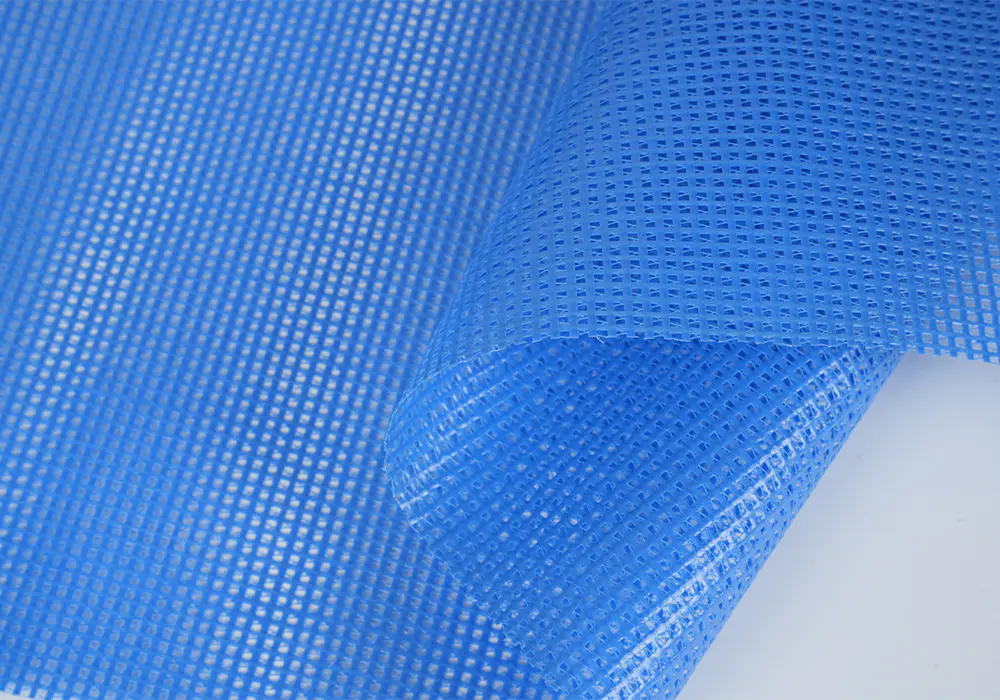 High Tensile Tear Proof Large Format Mesh Tarpaulin
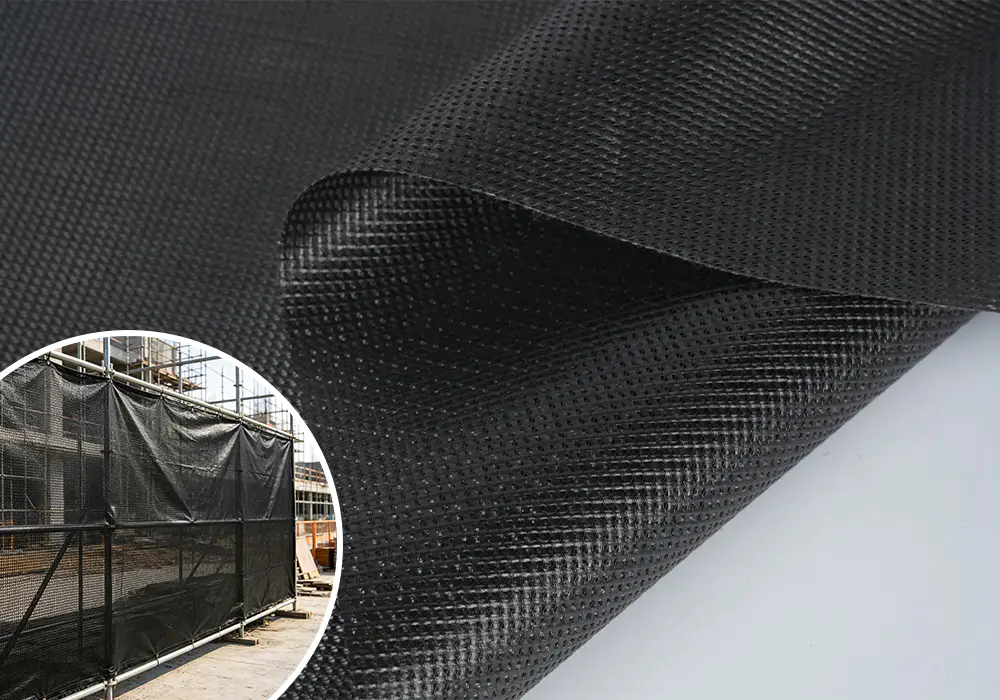 All Weather Heavy Duty Mesh Tarpaulin for Barrier Fencing
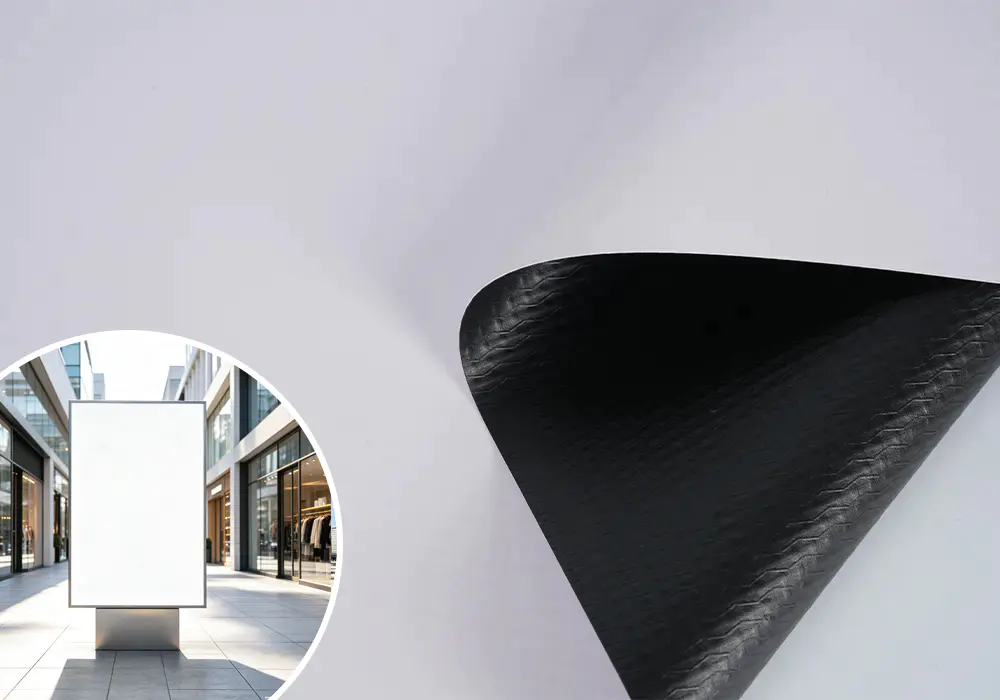 Anti UV Long Lasting Blackback Outdoor flex Banner Fabric
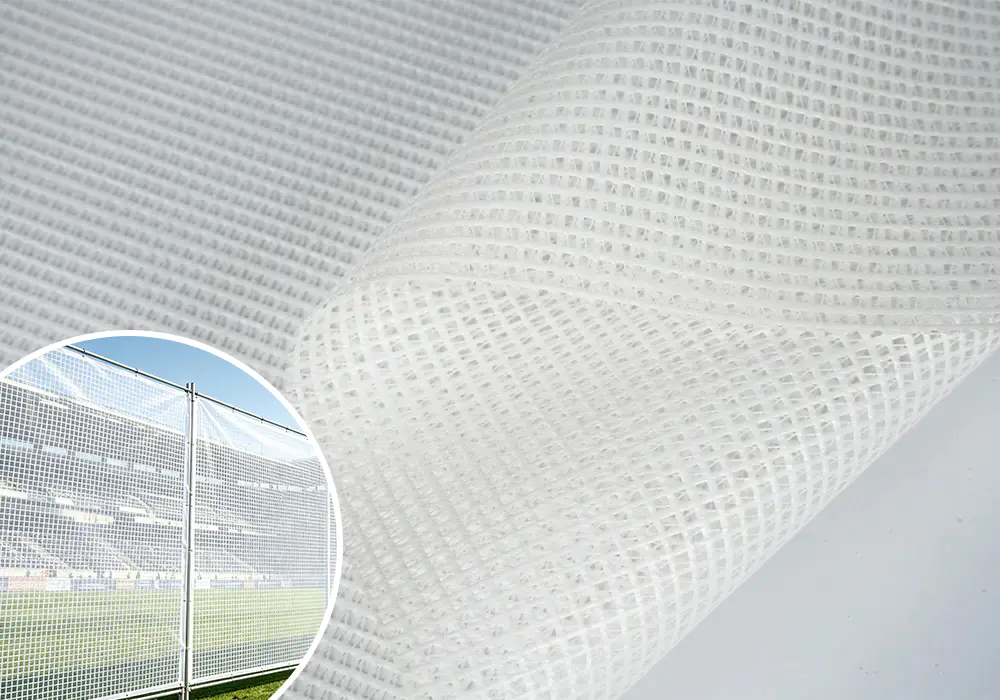 Lightweight Foldable Mesh Tarpaulin for Event Promotion
 Custom Digital Printing Fabric Manufacturers
 Previous