

 English
  中文简体
中文简体  Español
News
Content
Choosing the right clear tarpaulin comes down to matching three variables to the job: material type (PVC or TPU), thickness against expected mechanical stress, and UV stabilization against expected sun exposure time. Getting any one of these wrong shows up as premature yellowing, tearing, or leakage well before the material should have failed.
1 2 Primary materials: PVC and TPU
2 6+ Specs to compare across suppliers
3 0 Light blocked when installed correctly
What Clear Tarpaulin Is Built From
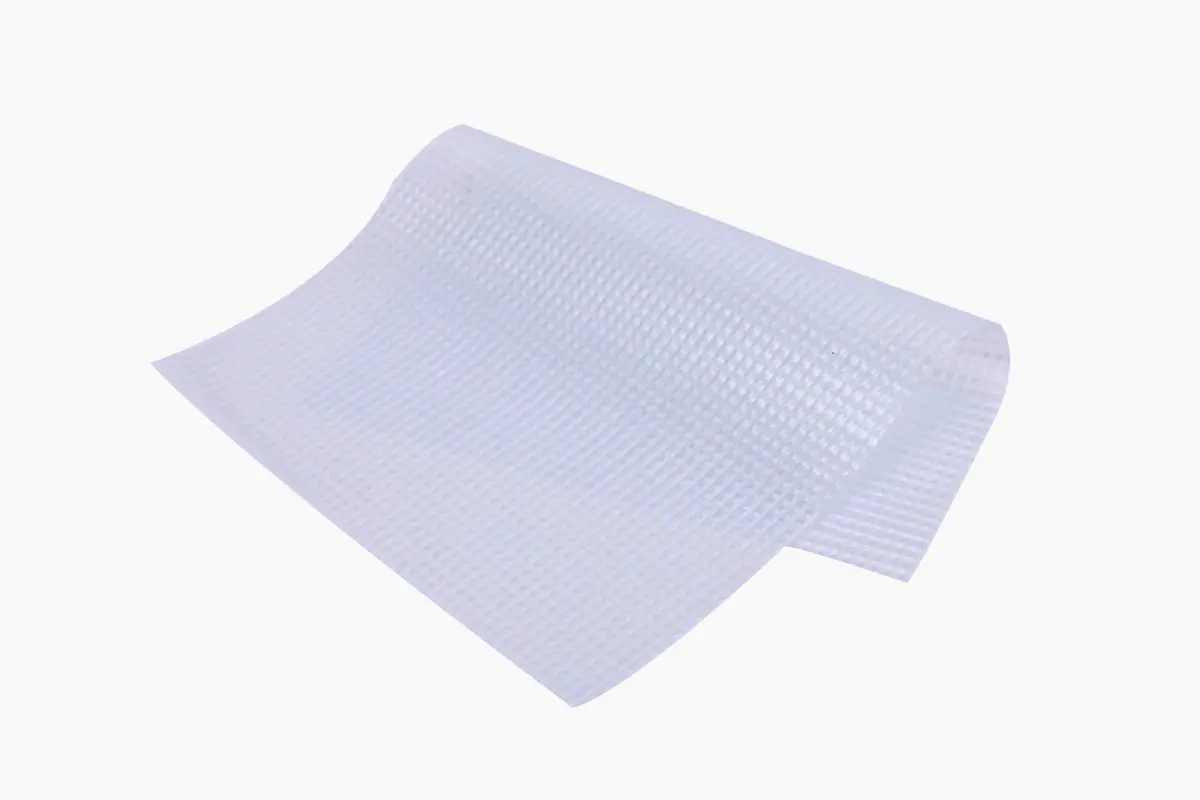
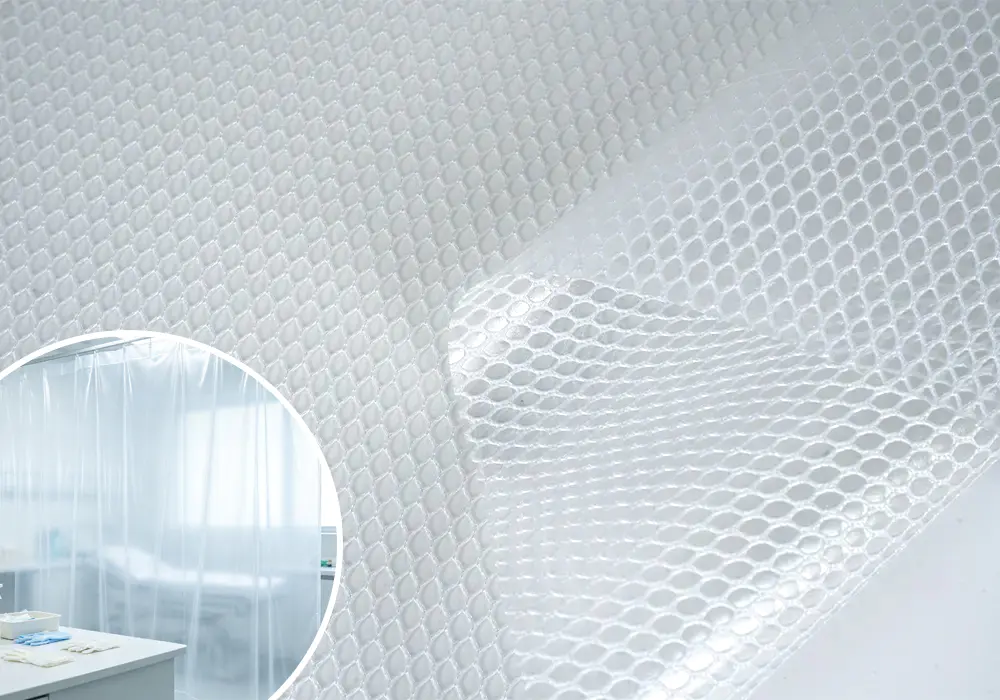
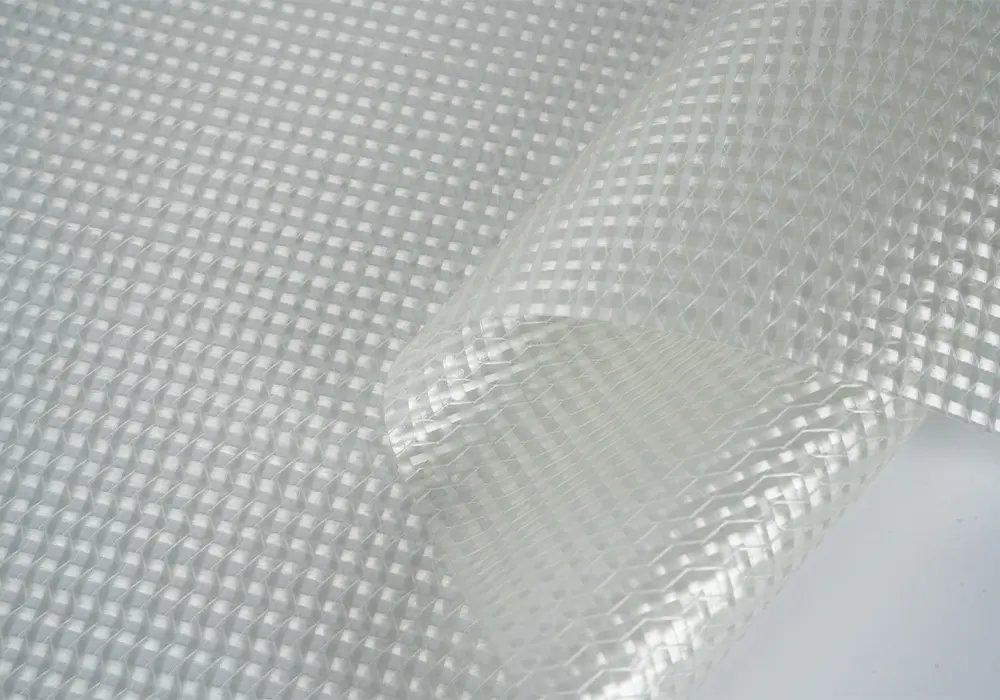
A clear tarpaulin is a transparent flexible sheet, most commonly PVC or TPU, engineered to block water and wind while still transmitting light through the covered area. Unlike opaque tarps, it lets a crew see stored equipment, monitor a covered structure, or let sunlight reach crops without removing the cover, which is why it has become standard in applications where visibility during protection matters as much as the protection itself.
PVC vs TPU: Which Material Fits the Job
The base material of a clear tarpaulin determines how it ages, how flexible it stays in cold weather, and how it performs under repeated folding.
PVC Clear Tarpaulin
- Lower material cost for large-area coverage
- Good general-purpose waterproofing
- Stiffens more in cold temperatures
- Best for construction and general storage covers
TPU Clear Tarpaulin
- Higher flexibility across temperature ranges
- Better tear and abrasion resistance
- Stronger resistance to repeated folding
- Best for frequently handled or rolled applications
Matching Thickness and Reinforcement to Use Case
| Application | Recommended Spec | Why |
| Greenhouse covering | Lighter gauge, high UV stabilization | Maximizes light transmission for crop growth |
| Truck and cargo covers | Polyester-reinforced, mid-to-high thickness | Withstands wind flex and repeated tie-down stress |
| Construction site shelters | Heavy gauge, reinforced edges with eyelets | Long-term outdoor exposure and wind loading |
| Workshop or warehouse curtains | Mid gauge, welded seams | Frequent movement and dust separation |
A clear tarpaulin rated for high tensile strength still fails early outdoors if its UV stabilizer package is weak, since sun exposure degrades the plastic long before mechanical stress does.
Clear Tarpaulin vs Traditional Opaque Tarpaulin
The choice between clear and traditional tarpaulin is really a choice about whether visibility adds value to the application.
- Visibility — clear tarpaulin allows monitoring without removing the cover; traditional tarpaulin blocks all sightlines
- Light transmission — clear material supports greenhouse and daylight applications that opaque material cannot
- Cost — traditional tarpaulin is generally cheaper per square meter for pure coverage needs
- Durability structure — both depend on fabric reinforcement and coating quality, not on transparency itself
Vetting a Clear Tarpaulin Supplier
Because clear tarpaulin performance varies significantly by formulation, supplier evaluation should go beyond price per roll.
1
Material Transparency Testing
Ask for documented light transmission and clarity retention data over time, not just a fresh-sample photo.
2
UV and Weather Test Results
Confirm accelerated aging test data covering the climate conditions of your actual installation site.
3
Customization Capability
Check available options for thickness, eyelet placement, edge reinforcement, and welded sizing.
4
Production and Export Capacity
Verify the supplier can hold consistent quality across the full order volume and meet your delivery timeline.
Frequently Asked Questions
How long does clear tarpaulin stay transparent outdoors?
Transparency retention depends on the UV stabilizer package in the material; higher-grade formulations resist yellowing far longer than basic PVC exposed to continuous direct sunlight.
Is TPU clear tarpaulin better than PVC in every case?
TPU generally offers better flexibility and tear resistance, but PVC remains a cost-effective choice for large-area, lower-stress covering needs where budget matters more than repeated handling durability.
What thickness of clear tarpaulin do I need for a truck cover?
Truck covers typically need polyester-reinforced material at a mid-to-high thickness to withstand wind flex and tie-down points, rather than the lighter gauge used for static greenhouse covers.
Can clear tarpaulin be custom sized and welded for a specific structure?
Yes, manufacturers can weld panels to custom dimensions and add eyelets or edge reinforcement matched to the exact structure being covered.
 Previous