

 English
  中文简体
中文简体  Español
News
Content
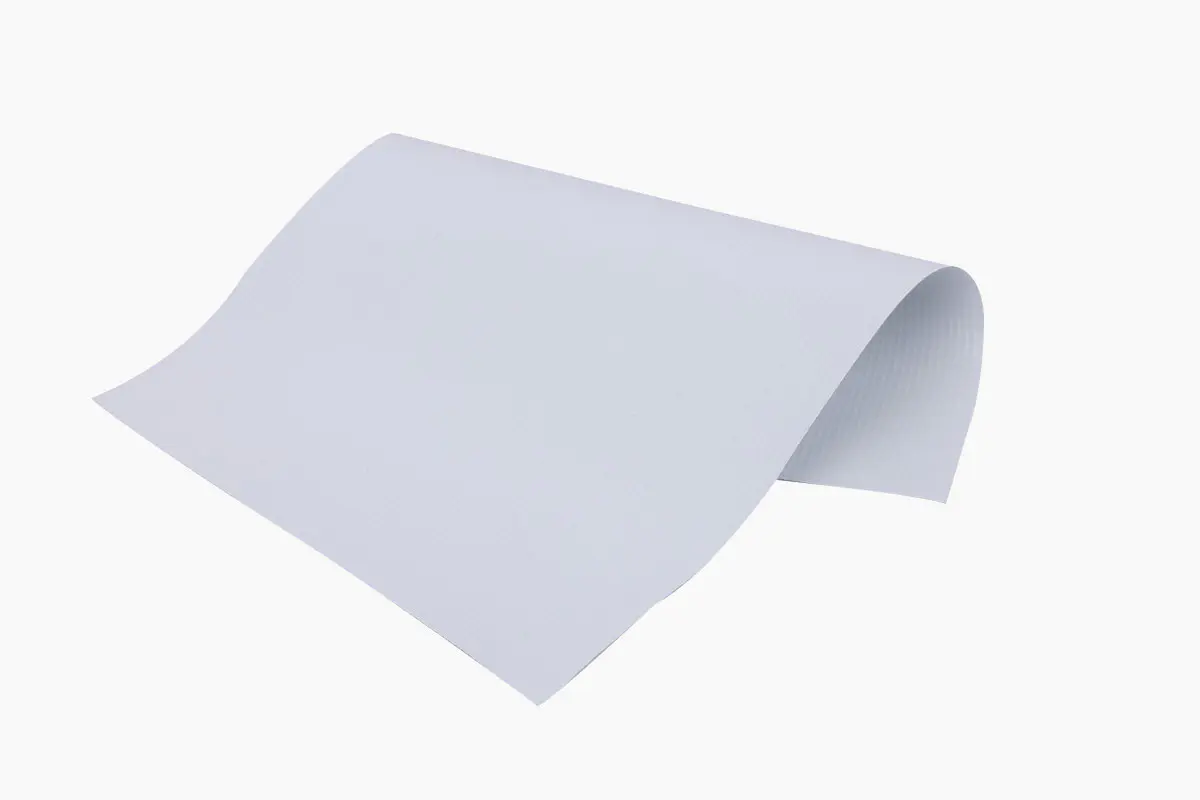
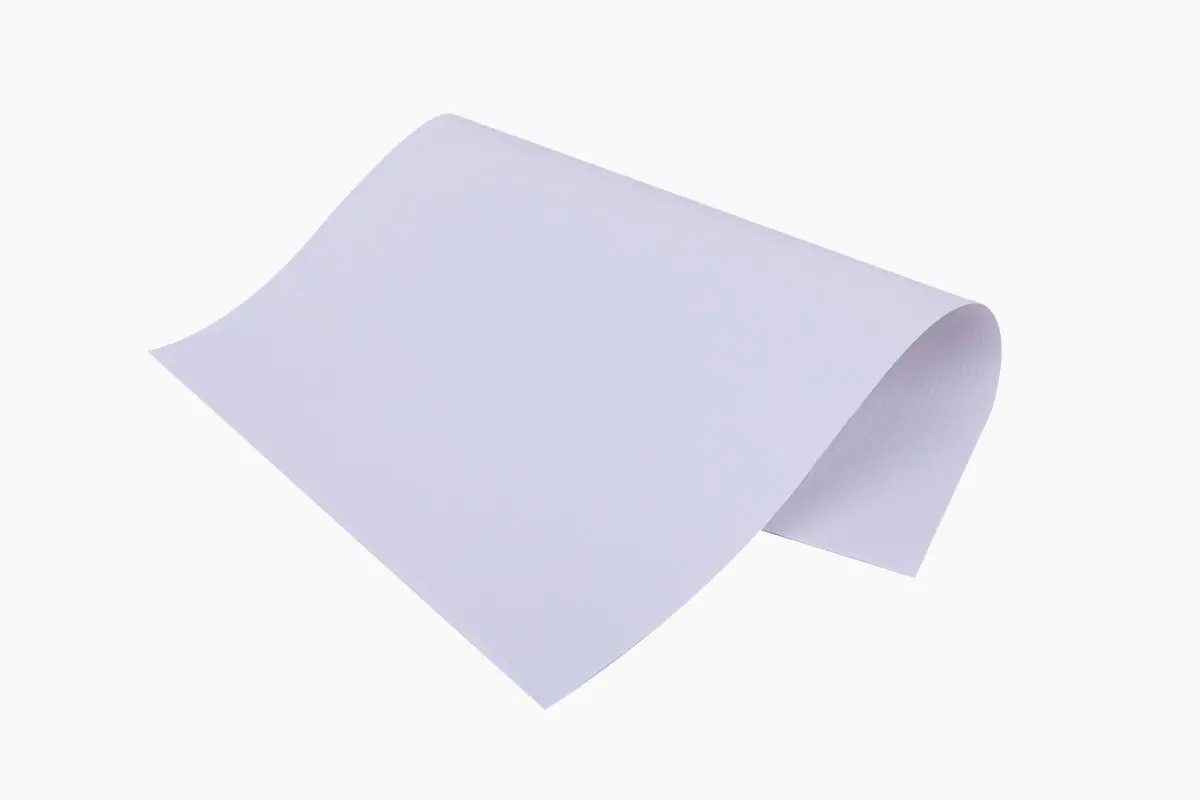
A PVC flex banner is the workhorse material behind most outdoor advertising you walk past today, printing clearly and holding up under sun, rain, and wind long after cheaper materials fade or tear. Choosing the right roll comes down to matching thickness, reinforcement, and printing compatibility to how long the banner needs to survive outdoors.
Thickness GSM Rated
Printing Solvent / UV / Latex
Exposure UV & Weather Rated
What Is a PVC Flex Banner?
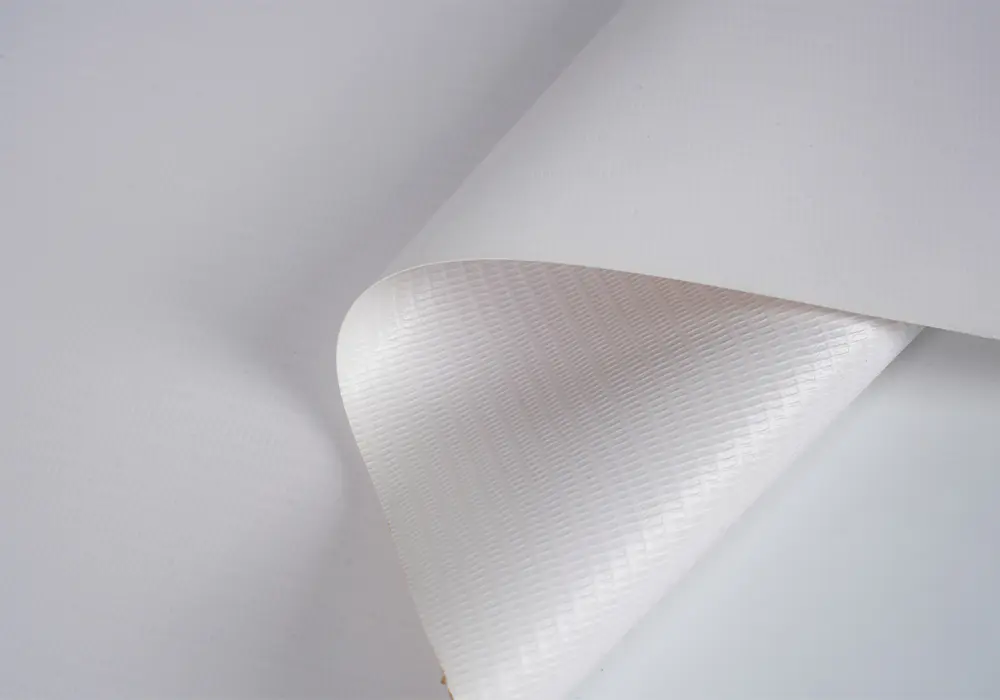
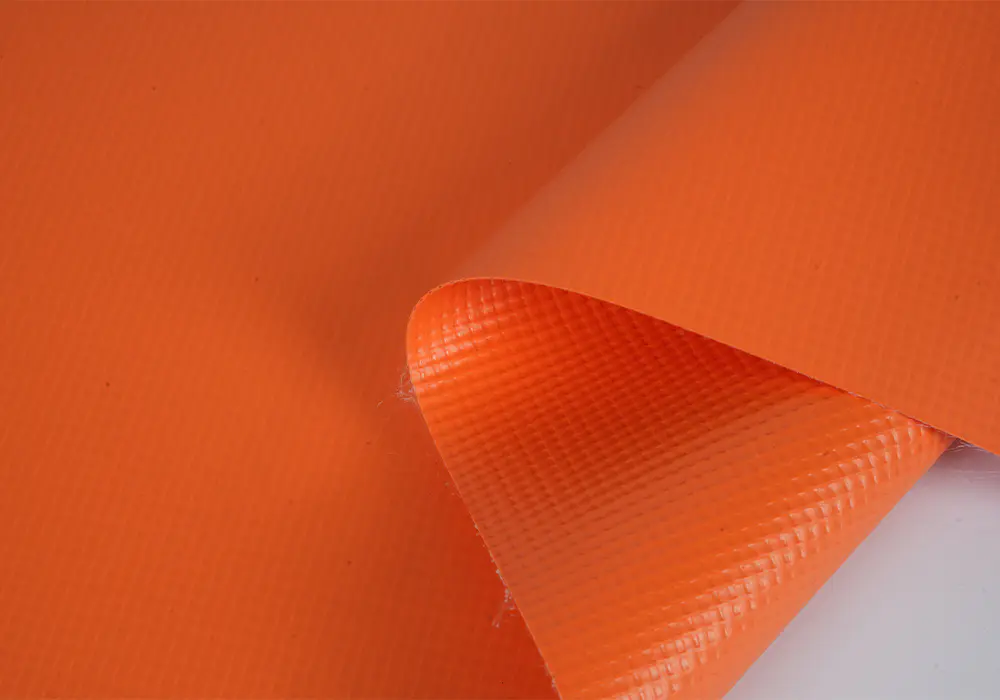
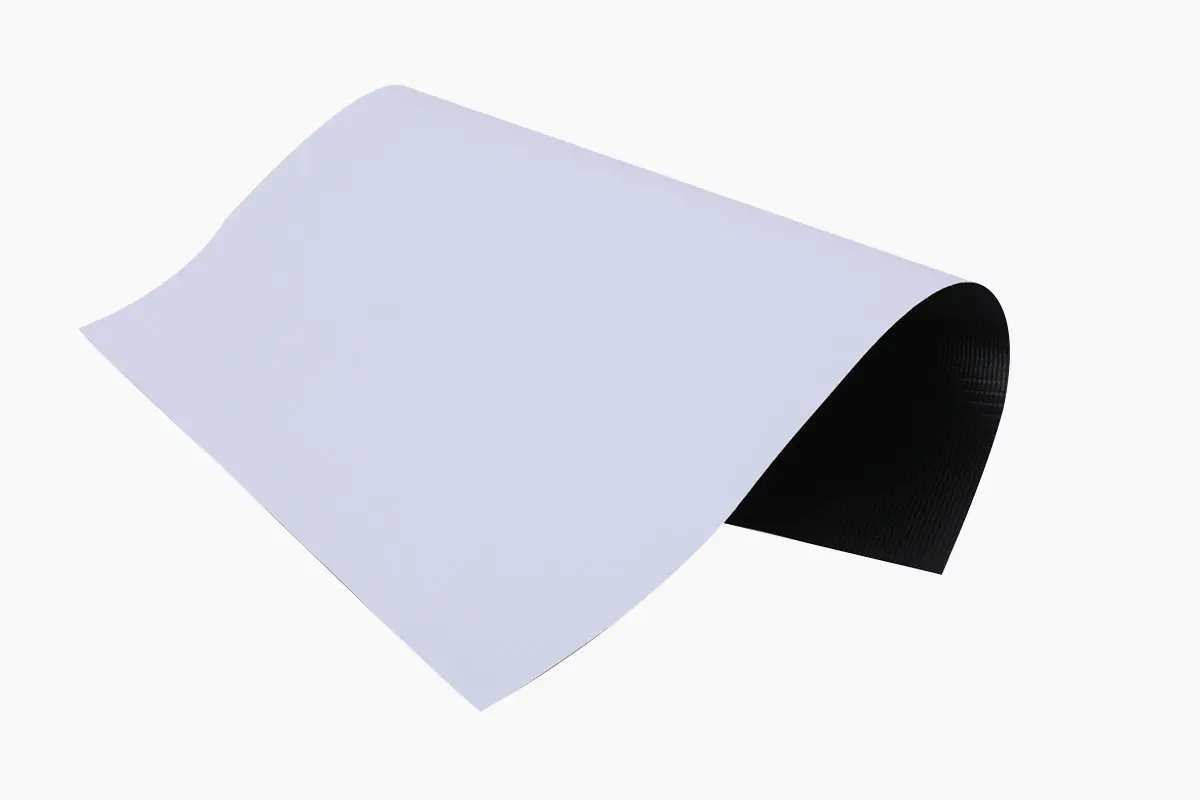
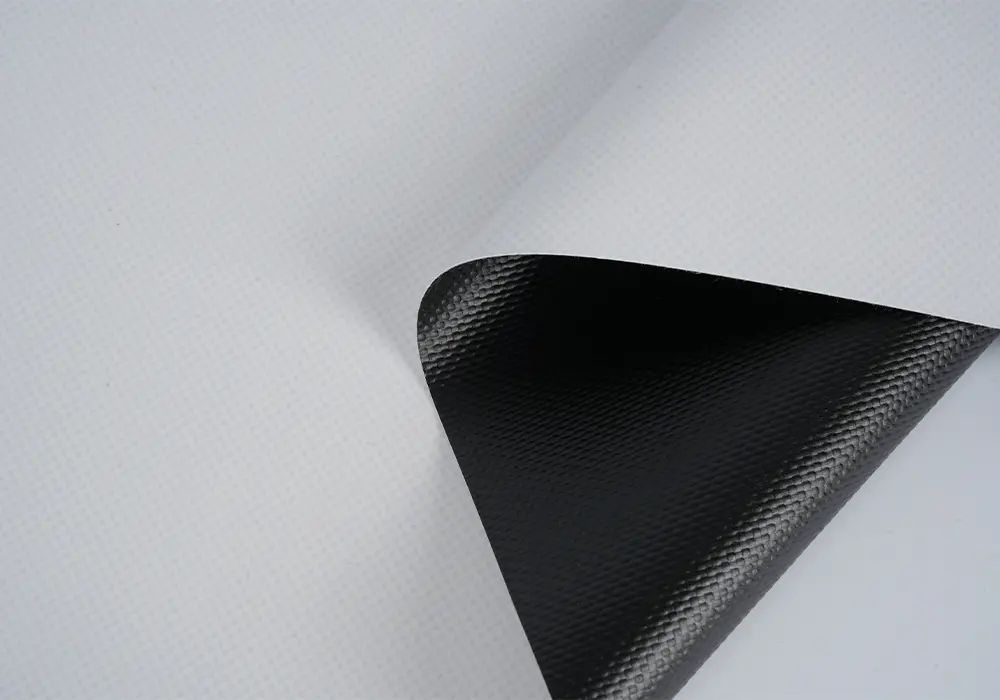
A PVC flex banner is a flexible synthetic display material built primarily from polyvinyl chloride, engineered for large-format printing and outdoor display use. Its structure layers a PVC film over a reinforcement mesh fabric, finished with a surface coating that improves printing adhesion and weather resistance. Common product structures include frontlit banners for standard outdoor graphics, backlit banners for illuminated signage, blockout banners that prevent light bleed-through, and mesh banners built for windy, high-exposure locations.
Compared with other large-format printing materials, a PVC flex banner combines flexibility for easy installation with tensile strength that holds up against wind load, which is why it remains the default choice across billboard, exhibition, and construction-site signage.
What Makes a Good PVC Flex Banner
- Excellent outdoor durability against sunlight, rain, wind, and temperature swings
- High printing compatibility across solvent, UV, eco-solvent, and latex printing methods
- Flexible structure that allows easy cutting, folding, and hanging on site
- Reinforced tensile and tear strength for large-format, wind-exposed installations
Selection tip: match GSM weight and reinforcement mesh density to display duration first — a banner rated for a one-week event doesn't need the same tear strength as one meant to last two outdoor seasons.
Where PVC Flex Banners Get Used
Outdoor advertising campaigns rely on flex banners for billboard graphics and promotional displays that need to survive weeks or months of weather exposure. Retail and commercial spaces use lighter-weight banners for store promotions and shopping center displays, while exhibition and event organizers favor the material's light weight and quick installation for temporary trade show booths.
Construction and Transportation Uses
Construction sites use weather-resistant flex banners for safety signage and project information boards that stay legible through months of exposure, and transportation advertising applies the same durable printing surface to vehicle graphics and transit signage that must handle constant movement and weather.
PVC Flex Banner vs Alternative Printing Materials
| Feature | PVC Flex Banner | Alternative Printing Material |
| Durability | Strong weather and tear resistance | Often lower outdoor durability |
| Processing | Easy large-format production | May require more complex processing |
| Cost | Cost-effective for large-area displays | Frequently higher for comparable use |
| Maintenance | Easy cleaning and replacement | Varies by material characteristics |
How to Choose the Right Banner
Match It to the Use Case
Decide indoor or outdoor use, expected display duration, and printing method before comparing suppliers, since these three factors narrow the field faster than any spec sheet alone.
Check the Numbers That Matter
Confirm thickness, weight, tensile strength, tear resistance, and UV resistance rating against your display duration, then verify the supplier's production capacity and customization ability for width, finish, and fire-retardant requirements where applicable.
Key Takeaways
The right PVC flex banner balances printing quality, outdoor durability, and cost against how long the display needs to last and where it will hang. Getting GSM weight, reinforcement, and printing compatibility right up front avoids the most common failure: a banner that fades, tears, or curls before the campaign ends.
 Previous