

 English
  中文简体
中文简体  Español
 News
Home / News / Industry News / Heavy Duty Tarpaulin: Redefining Durability and Protection in Industrial and Outdoor Applications


Content
The demand for high-performance protective coverings has grown significantly across multiple sectors, from construction and logistics to agriculture and outdoor recreation. Among the various solutions available, the heavy duty tarpaulin has emerged as an indispensable material, combining strength, versatility, and reliability. Its ability to withstand harsh environmental conditions while protecting valuable goods has made it a cornerstone in industrial and outdoor applications.
The primary characteristic that defines a heavy duty tarpaulin is its exceptional durability. Designed to resist tearing, puncturing, and abrasion, these tarpaulins are manufactured using reinforced materials such as PVC, polyethylene, and canvas blends. This robustness ensures that they can endure repeated handling, prolonged exposure to sunlight, and adverse weather conditions, making them a cost-effective solution for long-term protection.
Durability is closely linked to the fabric’s weight and construction. Heavier tarpaulins, often categorized as “heavy duty,” provide resistance against mechanical stresses and environmental degradation. These features make heavy duty tarpaulins suitable for applications ranging from cargo coverage on trucks to ground covers in industrial sites.
Another pivotal feature of heavy duty tarpaulin is its waterproof property. Many tarpaulins are treated with waterproof coatings or manufactured from inherently water-resistant materials. This ensures that sensitive goods, equipment, and agricultural products remain dry even during torrential rains or high humidity conditions. The waterproof feature also extends the life of the tarp itself by preventing water absorption, which would otherwise cause mold or weaken the material.
In addition to waterproofing, these tarpaulins are often UV resistant, fire retardant, and mildew resistant. These additional protective characteristics allow them to be used in diverse environments without compromising performance.
A concise understanding of the materials and their benefits is crucial for selecting the appropriate heavy duty tarpaulin. The table below summarizes common materials, their applications, and inherent properties:
| Material Type | Features and Benefits | Common Applications |
|---|---|---|
| PVC | Waterproof, UV resistant, durable, tear-resistant | Industrial covers, truck tarps, warehouses |
| Polyethylene (PE) | Lightweight, cost-effective, water-resistant | Agriculture, camping, temporary shelters |
| Canvas | Breathable, strong, reusable, mildew-resistant | Outdoor events, construction, storage |
| Laminated Blends | Enhanced durability, reinforced edges | Cargo protection, heavy machinery covers |
This structured approach highlights the versatility of heavy duty tarpaulins, offering tailored solutions based on operational needs and environmental challenges.
In construction and industrial sectors, heavy duty tarpaulins serve as protective barriers for equipment, raw materials, and machinery. They help prevent damage from dust, debris, and precipitation, reducing maintenance costs and operational downtime. Additionally, the reinforced edges and grommets facilitate secure fastening, ensuring the tarpaulin remains stable even in windy conditions.
For transportation, heavy duty tarpaulins are essential for covering goods on trucks, trailers, and shipping containers. Their waterproof and tear-resistant properties protect products during transit, ensuring safety and minimizing losses. Adjustable sizes and customizable materials make them adaptable for different cargo types, from industrial machinery to agricultural produce.
In agricultural applications, these tarpaulins provide reliable ground covers, crop protection, and shelter for livestock. Their ability to resist UV exposure and moisture ensures that crops remain healthy, while livestock shelters maintain a dry and safe environment. Outdoor enthusiasts also use heavy duty tarpaulins for camping, temporary shelters, and recreational setups, valuing their durability and multifunctional use.
Modern heavy duty tarpaulins incorporate several technological enhancements to improve performance:
Reinforced Edge Technology: Strengthened hems prevent fraying and increase the lifespan of the tarpaulin.
Grommet Placement: Strategically positioned metal or plastic grommets allow for easy anchoring and tie-downs.
Coatings and Laminates: Specialized coatings improve water resistance, UV protection, and fire retardancy.
Lightweight Heavy Duty Materials: Advanced polymers provide high strength without increasing weight, facilitating easier handling and deployment.
Selecting the appropriate heavy duty tarpaulin requires evaluating several factors:
Material Composition: Ensure the material matches the environmental conditions and intended use.
Weight and Thickness: Heavier tarps generally provide better durability but may be harder to handle.
Size and Coverage: Accurate measurements prevent overhangs and ensure complete protection.
Additional Features: Consider UV resistance, fire retardancy, and reinforced edges depending on the application.
As industries increasingly emphasize sustainability, manufacturers of heavy duty tarpaulins are adopting eco-friendly materials and production methods. Recyclable polymers, biodegradable coatings, and energy-efficient manufacturing processes reduce the environmental footprint of tarpaulins while maintaining high-performance standards.
Using durable heavy duty tarpaulins also contributes to sustainability by minimizing waste. Their long lifespan reduces the frequency of replacement, cutting down material consumption and associated environmental impact.
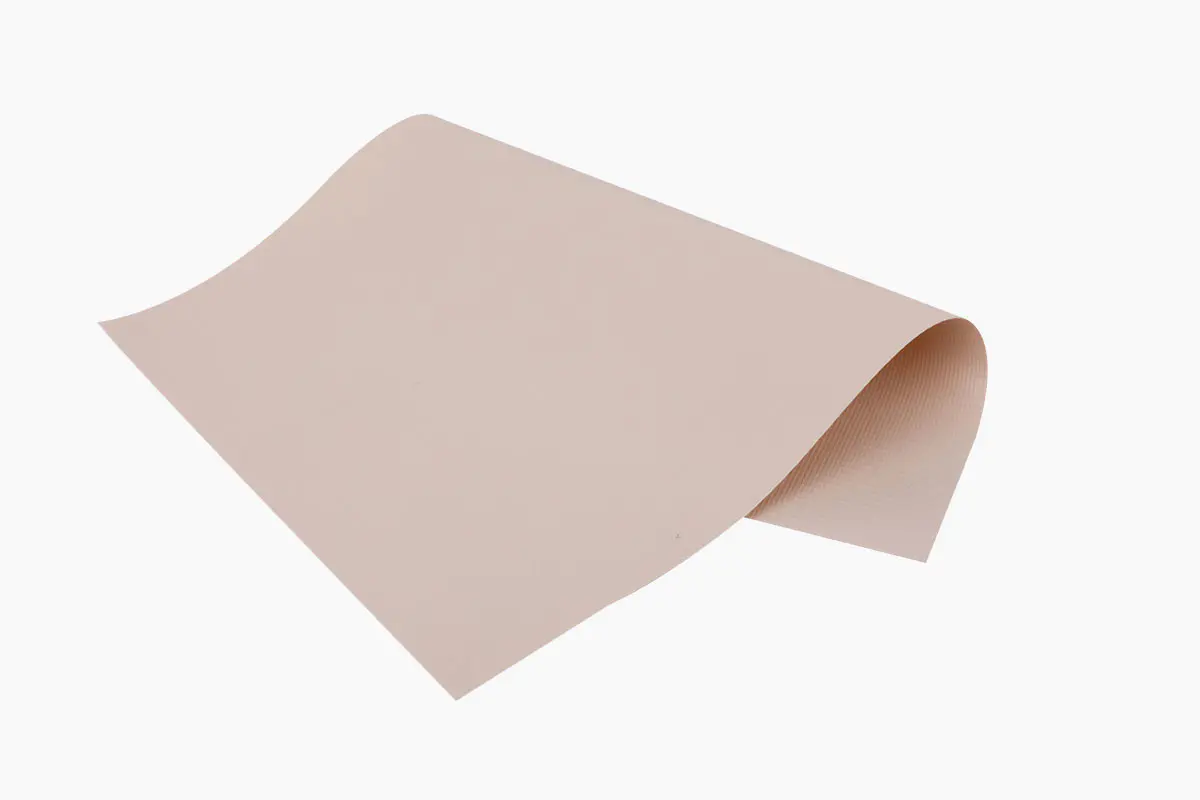 Heavy-Duty Reinforced Waterproof Tarpaulin
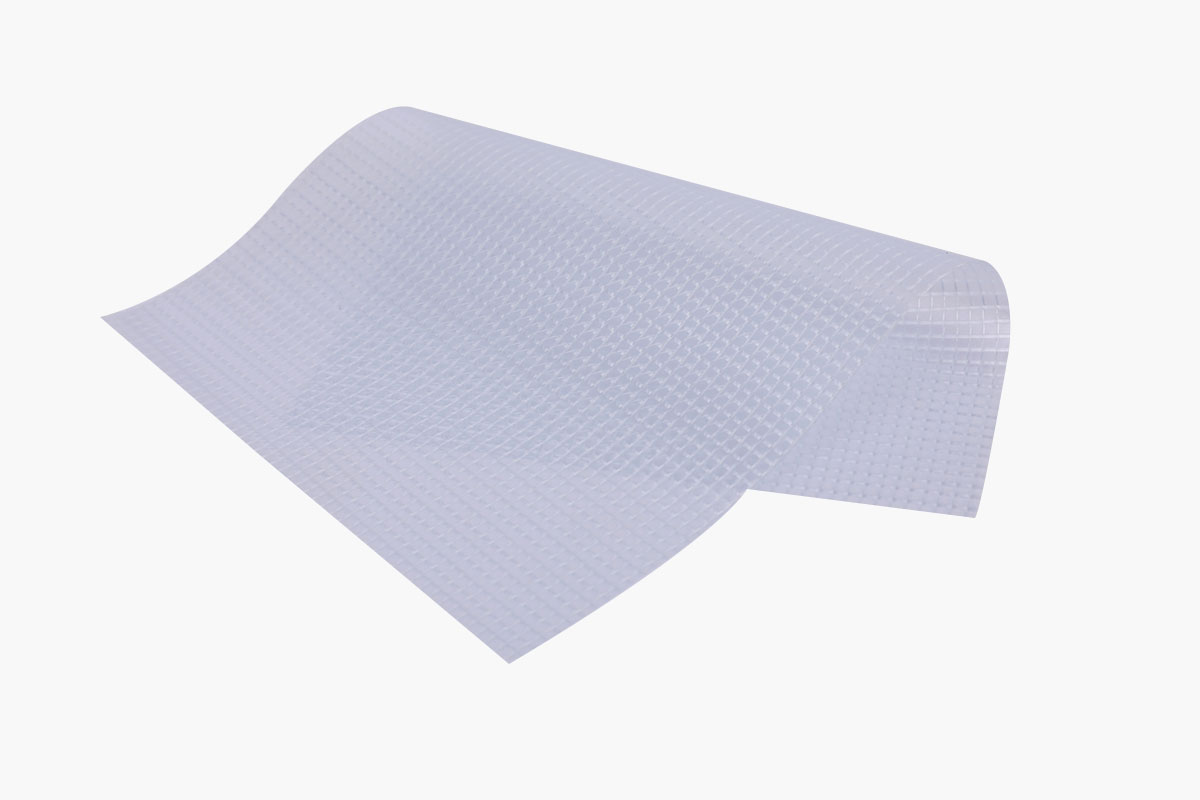 Heavy-Duty Waterproof Clear Tarpaulin
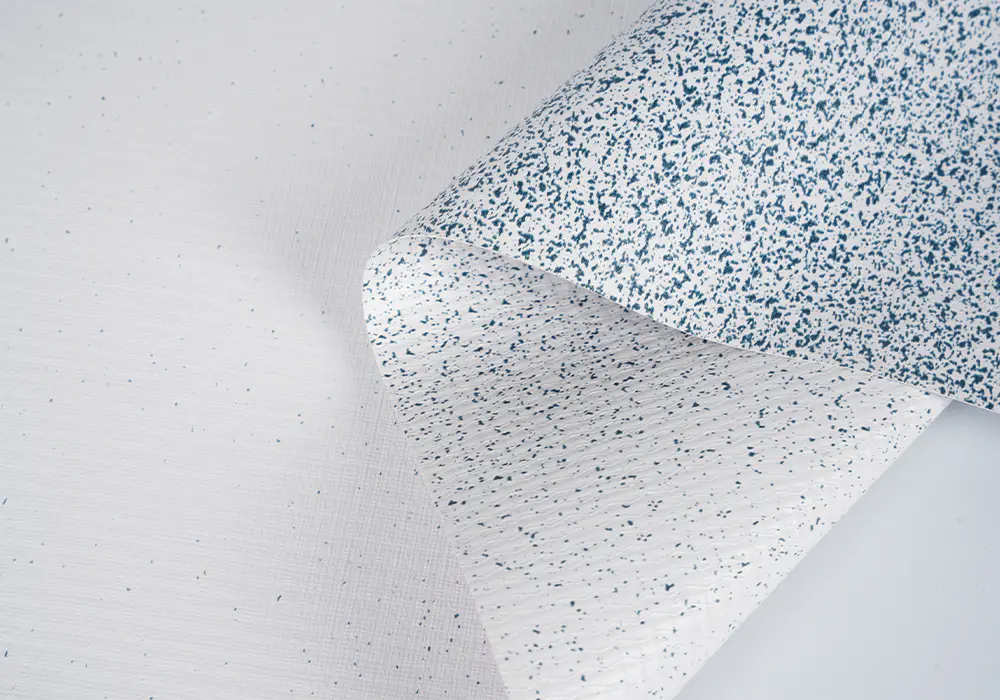 Heavy Duty Printable UV Block Tarpaulin For RV Awning
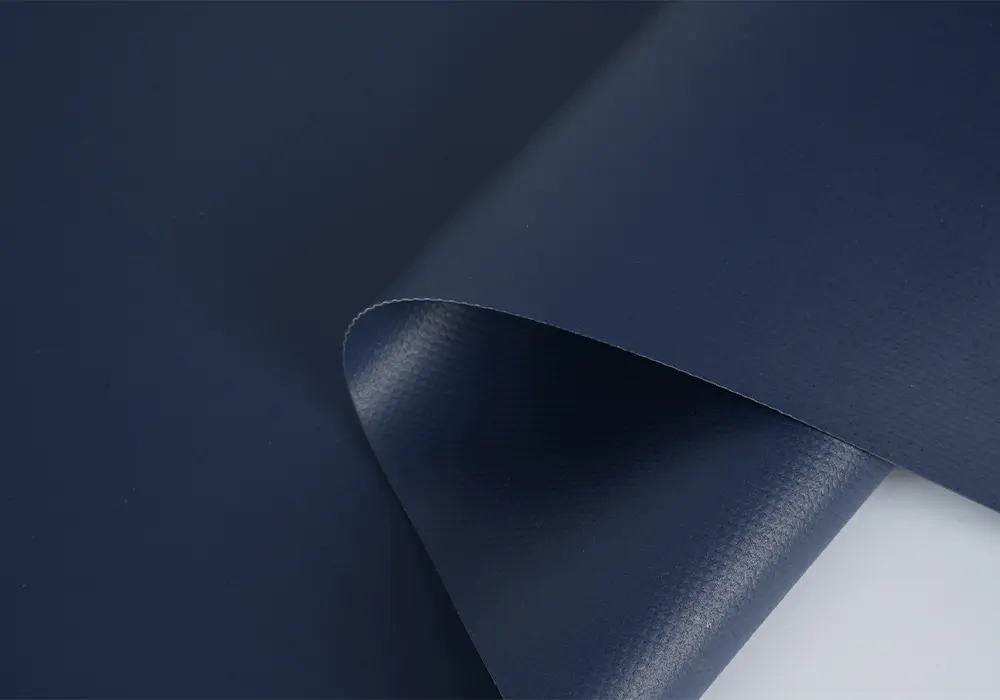 Heavy Duty Waterproof Tarpaulin For Truck Side Curtain
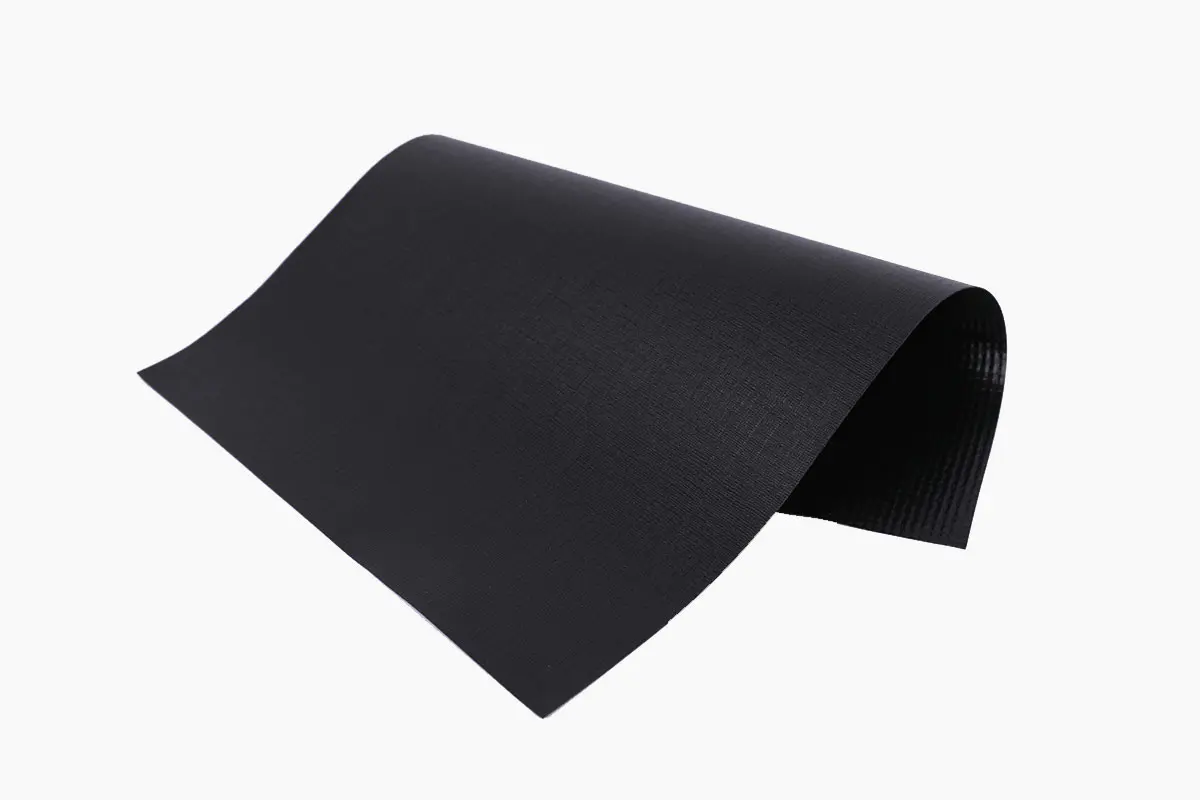 Heavy-Duty High-Performance Camouflage-Printed Tarpaulin
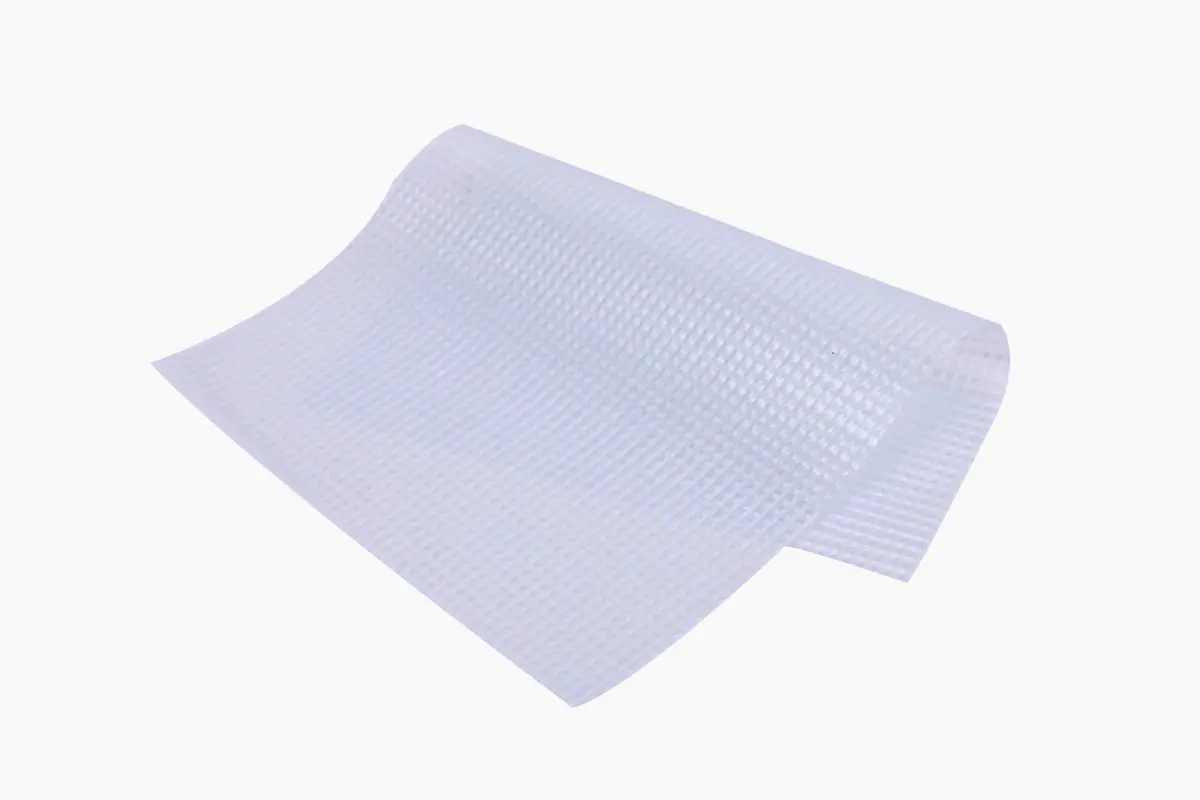 Industrial-Grade Reinforced UV-Resistant Clear Tarpaulin
 Custom Digital Printing Fabric Manufacturers
 Previous