

 English
  中文简体
中文简体  Español
 News
Home / News / Industry News / The Rising Significance of Heavy Duty Waterproof Tarpaulin in Modern Industries


Content
In recent years, the global demand for tarpaulin film has witnessed a steady increase, driven largely by industries seeking reliable, durable, and versatile covering solutions. Among the multiple attributes of tarpaulin films, waterproof and heavy-duty performance has emerged as a defining factor influencing both industrial and commercial adoption. As industries face challenging environmental conditions, from unpredictable weather to rigorous outdoor operations, the role of heavy duty waterproof tarpaulin has become increasingly indispensable.
The primary appeal of tarpaulin film lies in its ability to provide robust protection against water, dust, and other external elements. In construction, transportation, agriculture, and even event management, safeguarding valuable goods and infrastructure is critical. The heavy-duty nature of modern tarpaulins ensures that they can withstand mechanical stresses while maintaining their waterproof integrity.
Whether used as temporary roofing during construction projects or as protective covers for vehicles and machinery, tarpaulin films offer a practical solution. Their resistance to tearing and puncturing, coupled with enhanced water-repelling properties, ensures long-term reliability. This combination of strength and water resistance is particularly valuable in industries where frequent exposure to rain, snow, or moisture is unavoidable.
The evolution of tarpaulin film materials has significantly contributed to its heavy-duty waterproof characteristics. Traditional polyethylene (PE) tarpaulins have long been favored for their affordability and basic water resistance. However, advancements in polymer processing and coating technologies have resulted in enhanced versions that deliver tensile strength, UV resistance, and fire-retardant properties.
Manufacturers now offer reinforced tarpaulin films, which incorporate woven fibers or multi-layer constructions to improve durability without compromising flexibility. These innovations ensure that tarpaulins remain resistant to environmental wear and mechanical stress, extending their service life and reducing the need for frequent replacements.
One of the key reasons for the growing adoption of heavy duty waterproof tarpaulin is its versatility. In agriculture, tarpaulin films protect crops from excessive rainfall while preventing soil erosion. In logistics and shipping, they safeguard cargo during transit, ensuring that goods remain dry and intact despite harsh weather conditions. Outdoor events and exhibition setups benefit from tarpaulins as temporary shelters that combine portability with robust protection.
Moreover, modern tarpaulin films are available in various thicknesses, finishes, and colors, allowing users to select solutions tailored to specific operational requirements. The transparent or semi-transparent films are increasingly utilized in greenhouse applications to optimize light penetration while maintaining waterproofing and durability.
Sustainability has become a critical consideration in manufacturing and material selection. The industry is responding by developing eco-friendly tarpaulin films that are recyclable and less dependent on virgin plastics. These environmentally conscious alternatives maintain the core benefits of heavy-duty waterproof performance while minimizing ecological impact.
Eco-friendly tarpaulins, combined with longer lifespan and enhanced durability, not only reduce waste but also offer a cost-effective solution for businesses seeking sustainable operational practices. By investing in high-quality tarpaulin film, companies can achieve both performance reliability and environmental responsibility.
Safety is another dimension where tarpaulin film proves invaluable. Covering equipment and workspaces with heavy-duty waterproof tarpaulins reduces the risk of accidents caused by exposure to moisture or debris. For outdoor labor, temporary shelters made from robust tarpaulins provide safe and dry working conditions, directly contributing to operational efficiency and employee well-being.
In addition, the fire-retardant and UV-resistant properties available in certain tarpaulin films further enhance safety and durability. By preventing degradation under sunlight or exposure to heat, these features ensure that tarpaulins maintain their protective capabilities even in conditions.
The global demand for tarpaulin film continues to rise, particularly in sectors requiring heavy-duty waterproof solutions. As industries expand operations into regions with challenging environmental conditions, the need for robust and reliable tarpaulins will intensify. Innovations in material science, such as multi-layer laminates, advanced polymer coatings, and recycled materials, are expected to define the next generation of tarpaulin films.
Additionally, growing awareness of sustainability and eco-friendly practices will push manufacturers to develop tarpaulins that combine performance, durability, and environmental responsibility. The ongoing trend toward customization, offering varied thicknesses, coatings, and reinforcements, will allow businesses to select tailored tarpaulin film solutions that meet specific operational demands.
The evolution of heavy duty waterproof tarpaulin represents a significant advancement in the global tarpaulin film industry. Its combination of durability, water resistance, and versatility positions it as an essential solution for modern industrial, agricultural, and commercial applications. As material technologies continue to advance, these tarpaulin films will become increasingly efficient, reliable, and environmentally conscious, ensuring that businesses worldwide can protect assets, maintain operations, and embrace sustainable practices.
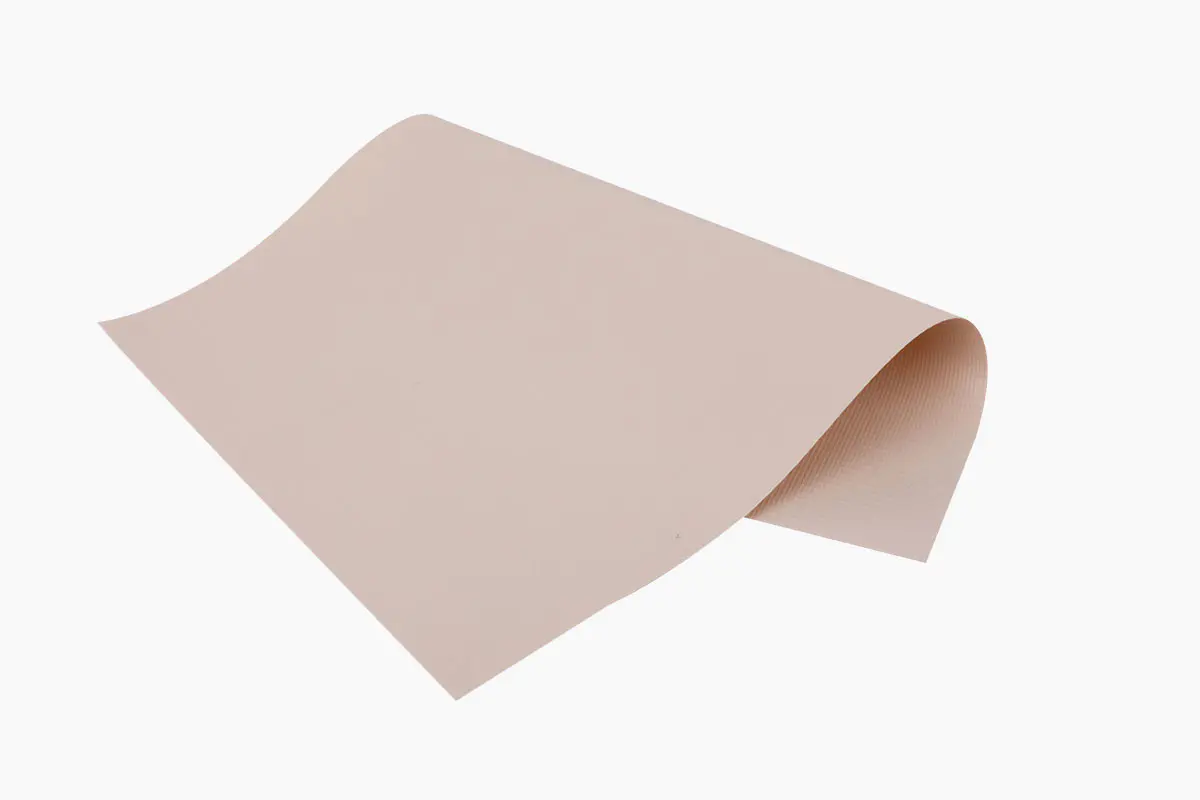 Heavy-Duty Reinforced Waterproof Tarpaulin
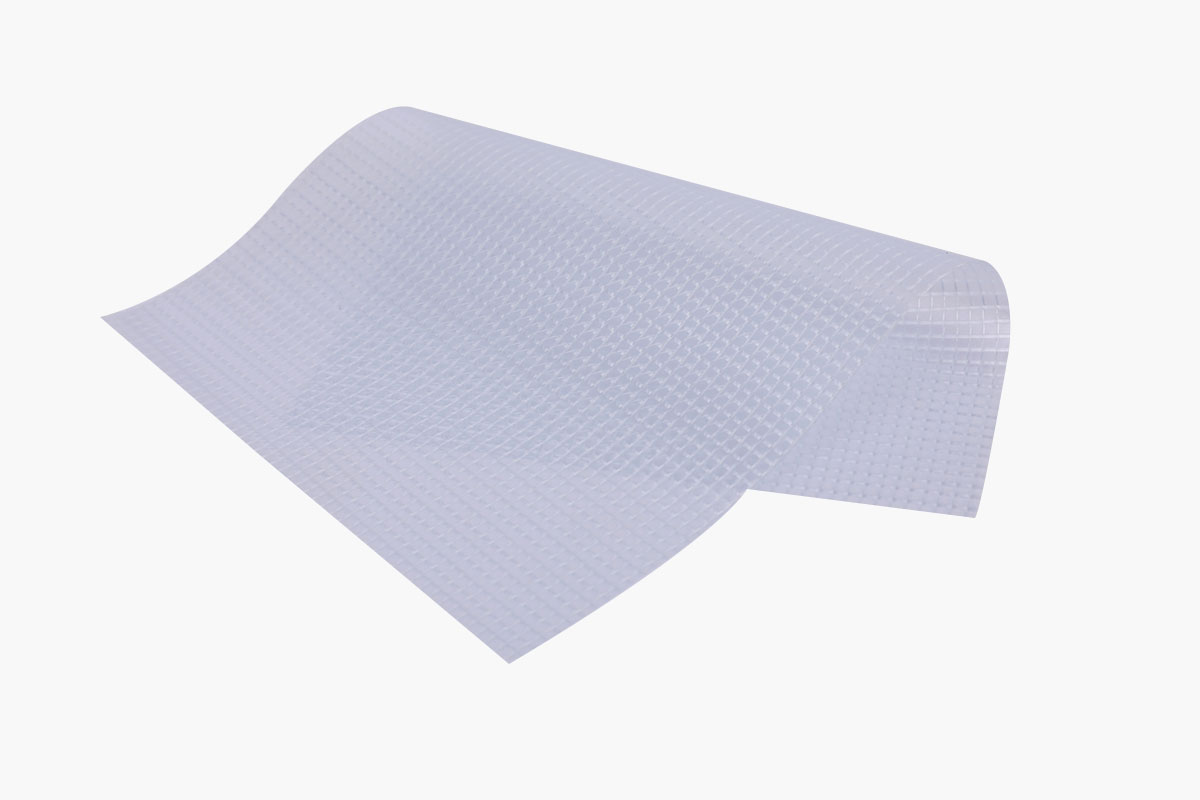 Heavy-Duty Waterproof Clear Tarpaulin
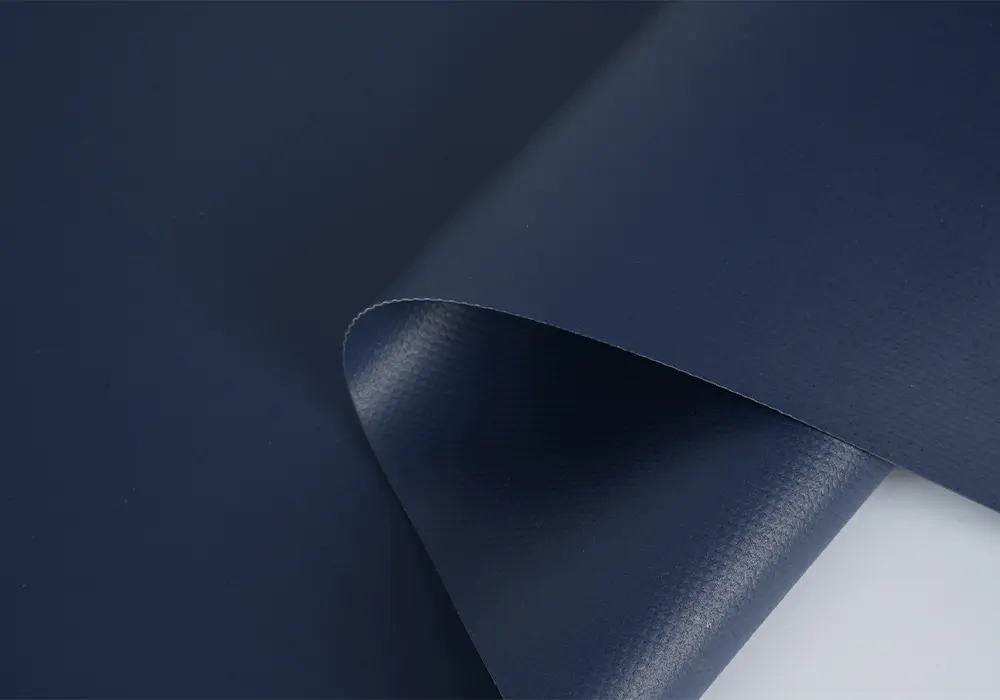 Heavy Duty Waterproof Tarpaulin For Truck Side Curtain
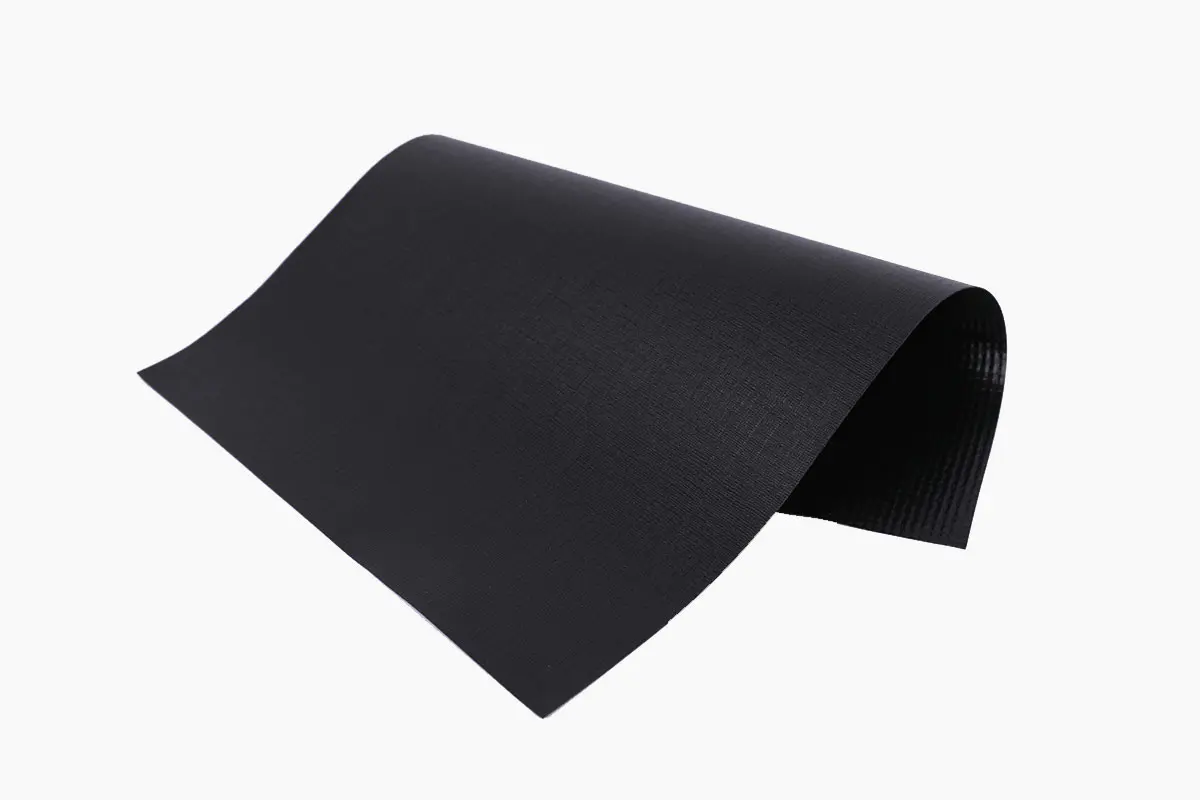 Heavy-Duty High-Performance Camouflage-Printed Tarpaulin
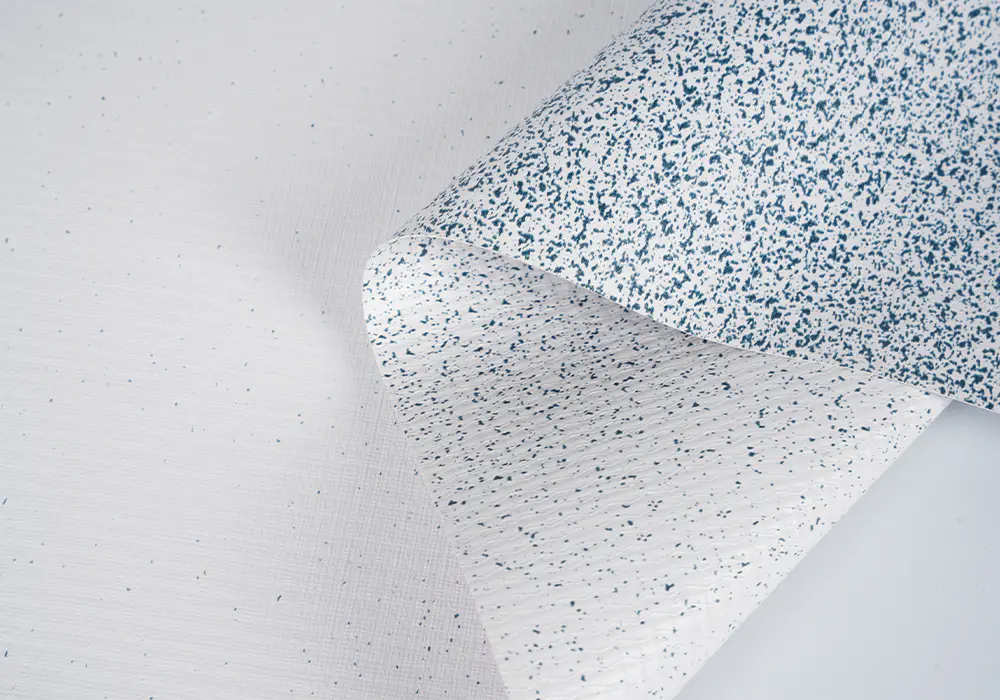 Heavy Duty Printable UV Block Tarpaulin For RV Awning
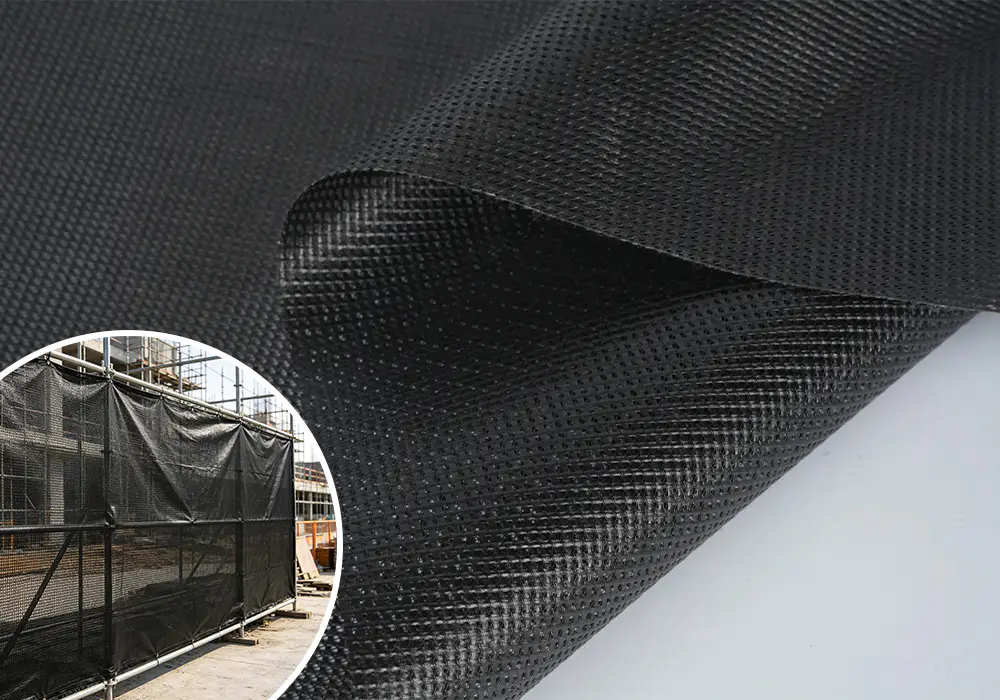 All Weather Heavy Duty Mesh Tarpaulin for Barrier Fencing
 Custom Digital Printing Fabric Manufacturers
 Previous