

 English
  中文简体
中文简体  Español
 News
Home / News / Industry News / How Does Heavy Duty Tarpaulin Protect Your Equipment from Harsh Weather Conditions?


Content
The integrity of high-value industrial equipment and outdoor assets is constantly challenged by the unpredictable elements of nature. From the scorching heat of the sun to the relentless assault of heavy rain and snow, environmental factors can premature degradation, corrosion, and mechanical failure. To mitigate these risks, the deployment of heavy duty tarpaulin has become a standard industry practice. This specialized protective textile is engineered to provide a robust barrier, ensuring that equipment remains operational and structurally sound regardless of atmospheric conditions.
The efficacy of heavy duty tarpaulin lies in its sophisticated material composition. Unlike standard domestic covers, industrial-grade tarpaulins are typically constructed from high-density polyethylene (HDPE), polyvinyl chloride (PVC), or heavy-duty canvas. These materials are chosen for their high tensile strength and resistance to tearing.
At the core of the fabric is a woven scrim, which provides the primary structural strength. This scrim is then laminated or coated with waterproof layers that prevent moisture penetration. The density of the weave, often measured by the count of threads per square inch, determines the tarpaulin’s ability to withstand mechanical stress and puncture. By focusing on a high-denier base fabric, manufacturers ensure that the heavy duty tarpaulin can handle the physical demands of construction sites, agricultural fields, and logistics hubs.
The primary function of a heavy duty tarpaulin is to act as a shield against climatic extremes. Each environmental threat requires a specific defensive property within the fabric.
Moisture is perhaps the persistent enemy of metal equipment. Rain, sleet, and high humidity can oxidation and rust. Heavy duty tarpaulin utilizes hydrophobic coatings that cause water to bead and roll off the surface immediately. Furthermore, the heat-sealed seams of these covers ensure that there are no needle holes through which water can seep, providing a waterproof environment for the equipment underneath.
Extended exposure to ultraviolet (UV) radiation can cause many materials to become brittle and crack. Industrial tarpaulins are infused with UV stabilizers during the manufacturing process. These chemical additives absorb or reflect harmful UV rays, preventing the polymer chains in the fabric from breaking down. This not only extends the life of the cover itself but also prevents the equipment from overheating or suffering from sun-induced surface damage.
In high-wind environments, a flimsy cover can act like a sail, potentially damaging the equipment it is supposed to protect or tearing away entirely. Heavy duty tarpaulin is designed with weight and wind-load in mind. Reinforced edges, often containing a perimeter rope, provide the necessary strength to resist flapping and tearing under high pressure.
To better understand the value of investing in high-quality protection, it is useful to compare the physical attributes of heavy duty tarpaulin against standard-grade alternatives.
| Feature | Standard Tarpaulin | Heavy Duty Tarpaulin |
|---|---|---|
| Material Base | Low-density Polyethylene | High-density PE or Reinforced PVC |
| Water Resistance | Water-resistant (may leak over time) | Waterproof (hydrophobic) |
| UV Protection | Minimal or None | Integrated UV Stabilizers |
| Edge Reinforcement | Folded plastic | Rope-reinforced hems / Triple-layer corners |
| Expected Lifespan | 3 - 6 Months | 3 - 5 Years (depending on exposure) |
| Grommet Strength | Aluminum (prone to bending) | Solid Brass or Stainless Steel |
Heavy duty tarpaulin is not a one-size-fits-all solution; it is a versatile tool that can be adapted to various industrial contexts.
In the construction sector, heavy duty tarpaulin is used to cover raw materials like cement and timber, as well as heavy machinery. Here, the abrasion resistance of the fabric is critical. The movement of equipment and the rough edges of building materials would easily shred a standard cover. The heavy-duty variant’s resistance to punctures ensures that the barrier remains intact even in high-friction environments.
In the agricultural industry, these covers protect seasonal harvests and expensive harvesting machinery. The breathability of certain canvas-based heavy duty tarpaulin options is essential here, as it prevents the buildup of condensation which could mold or rot in organic materials, while still providing a shield against rain.
Protection is not solely about the fabric; it is also about how that fabric is secured. Heavy duty tarpaulin is equipped with heavy-duty grommets or eyelets spaced at frequent intervals. These grommets allow for a tight, custom fit around irregular equipment shapes. When a cover is properly tensioned using industrial bungees or tie-downs, it minimizes the air gap between the equipment and the cover, reducing the chance of internal condensation and preventing wind from getting underneath the fabric.
While heavy duty tarpaulin is designed for durability, its ability to protect equipment is also dependent on proper maintenance. Regular inspections for small tears or worn eyelets can prevent minor issues from becoming major failures. Cleaning the surface of the tarpaulin to remove bird droppings, chemicals, or abrasive dirt also helps in preserving the integrity of the UV-resistant coating. By maintaining the cover, the user ensures that the equipment underneath remains in a pristine, “ready-to-use” state.
The use of heavy duty tarpaulin is an essential strategy for any operation that relies on outdoor equipment. By providing a multi-layered defense against moisture, UV rays, wind, and physical impact, these covers significantly reduce maintenance costs and extend the operational life of industrial assets. Investing in high-grade protection is not merely a purchase of a plastic sheet; it is a commitment to the preservation of the tools and machinery that drive industrial productivity.
1. What makes a tarpaulin “heavy duty” compared to a regular tarp?
A heavy duty tarpaulin is defined by its GSM (grams per square meter), which indicates a thicker, denser material. It also features a stronger internal weave (scrim), reinforced corners, and specialized coatings for UV and water resistance that are not present in standard consumer-grade tarps.
2. Can heavy duty tarpaulin withstand freezing temperatures?
Yes. Most industrial-grade tarpaulins are engineered to remain flexible in sub-zero temperatures. Unlike cheaper plastics that become brittle and crack in the cold, these materials are treated to resist “cold-crack,” ensuring protection during harsh winters.
3. Is a heavy duty tarpaulin completely fireproof?
Not all are, but many are manufactured to be flame retardant. If your equipment is located near heat sources or welding areas, you should specifically look for a heavy duty tarpaulin that meets recognized fire safety standards.
4. How do I choose the right size for my equipment?
It is recommended to measure the equipment’s length, width, and height. The tarpaulin should be large enough to cover the top and sides completely, with enough overlap to be secured at the base. Note that “cut size” is the size of the fabric before hems are sewn; always check for the “finished size” to ensure a proper fit.
5. How does the weight of the tarpaulin affect its performance?
Higher weight usually correlates with higher durability and better wind resistance. A heavier tarpaulin is less likely to be displaced by gusts and provides a more substantial physical barrier against hail or falling debris.

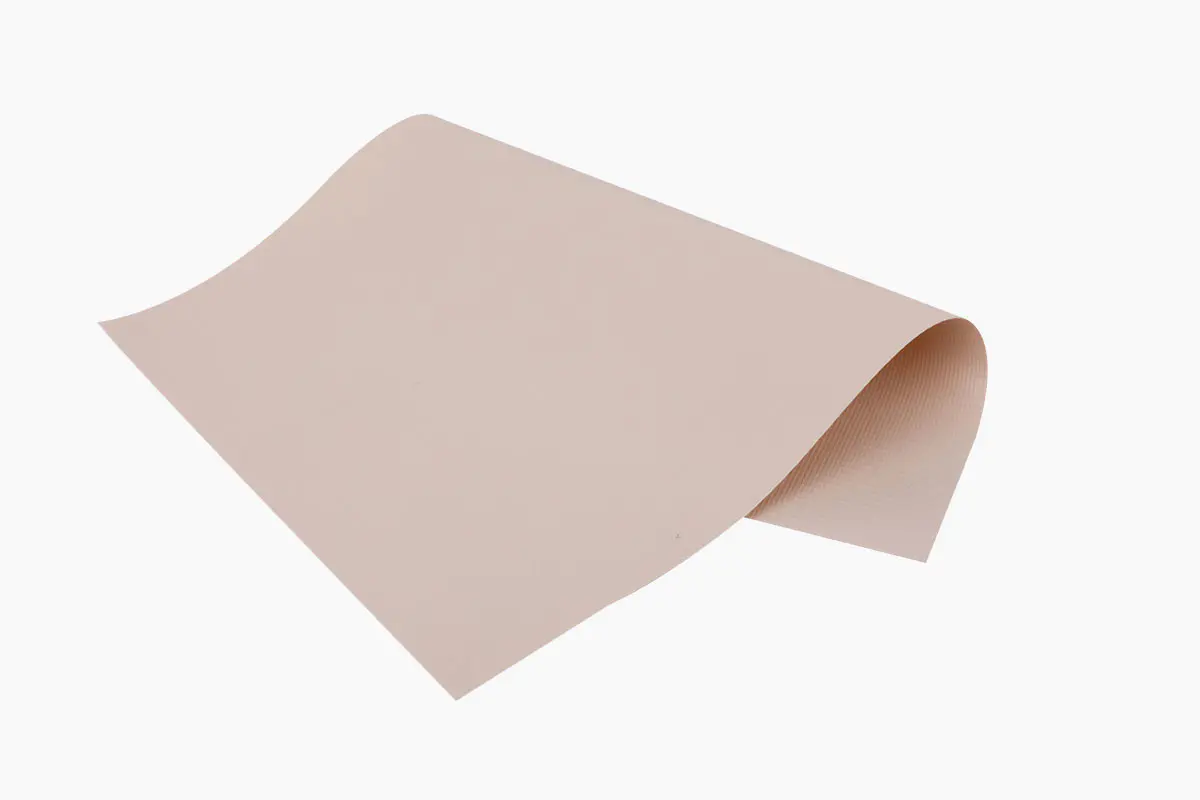 Heavy-Duty Reinforced Waterproof Tarpaulin
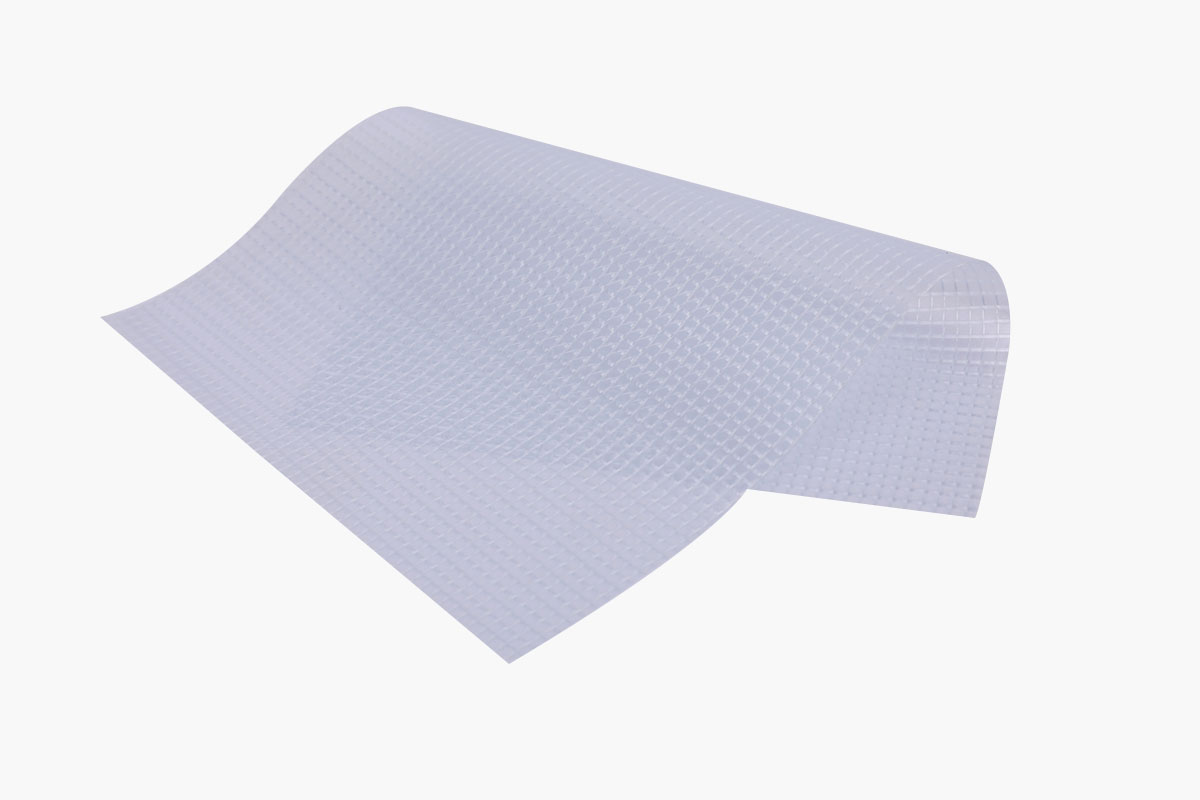 Heavy-Duty Waterproof Clear Tarpaulin
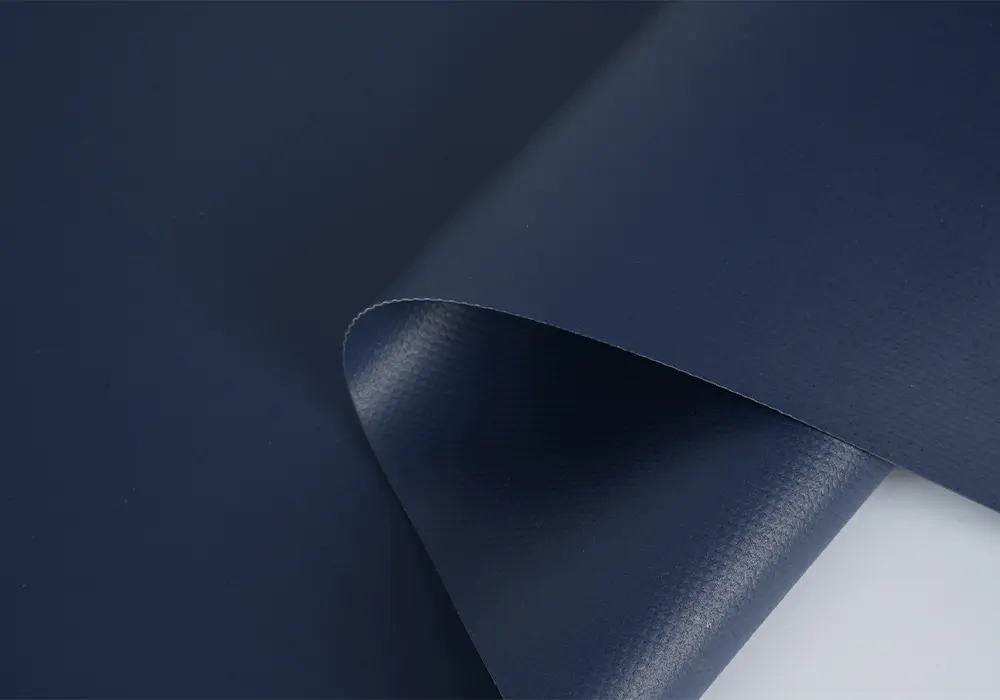 Heavy Duty Waterproof Tarpaulin For Truck Side Curtain
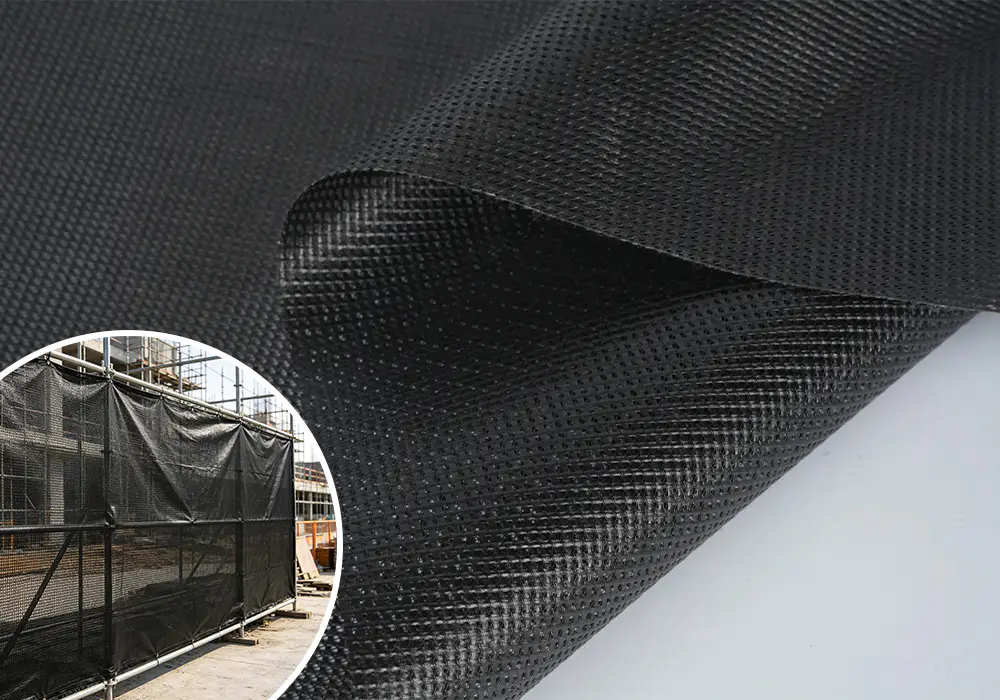 All Weather Heavy Duty Mesh Tarpaulin for Barrier Fencing
 Heavy Duty Printable UV Block Tarpaulin For RV Awning
 Heavy-Duty High-Performance Camouflage-Printed Tarpaulin
 Custom Digital Printing Fabric Manufacturers
 Previous