

 English
  中文简体
中文简体  Español
 News
Home / News / Industry News / Why is PVC Flex Banner the Ideal Choice for Large-Scale Print Advertising?


Content
In the fast-paced world of outdoor marketing and brand communication, large-scale print advertising demands materials that combine durability, visual impact, and cost efficiency. Among the myriad options available, one product has consistently proven its supremacy: the PVC flex banner. From towering billboards along highways to building wraps in bustling city centers, this material has become the backbone of the outdoor advertising industry.
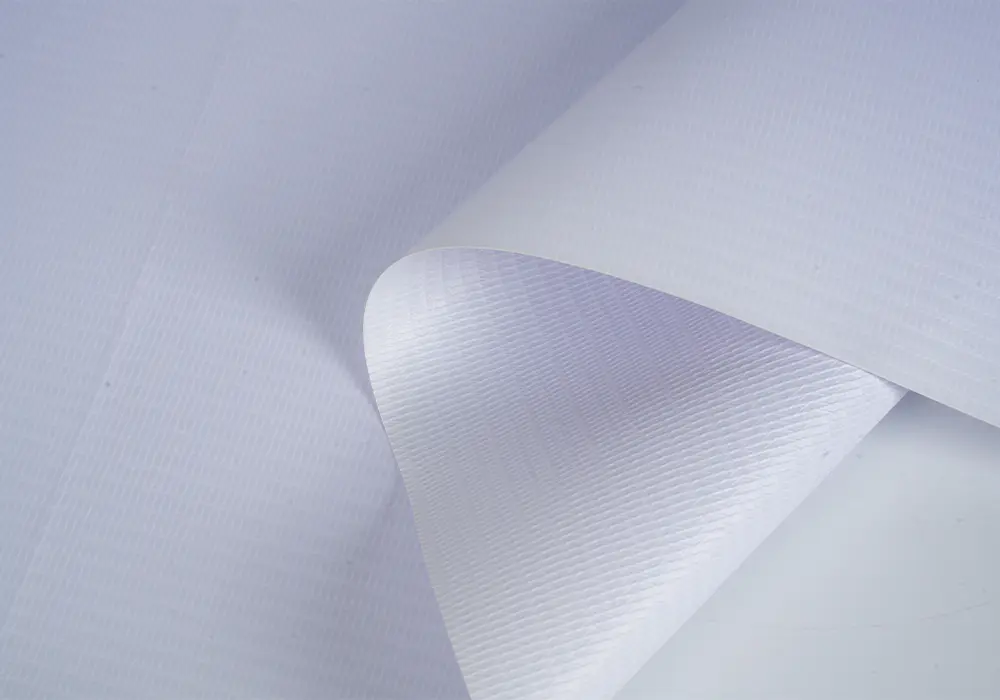
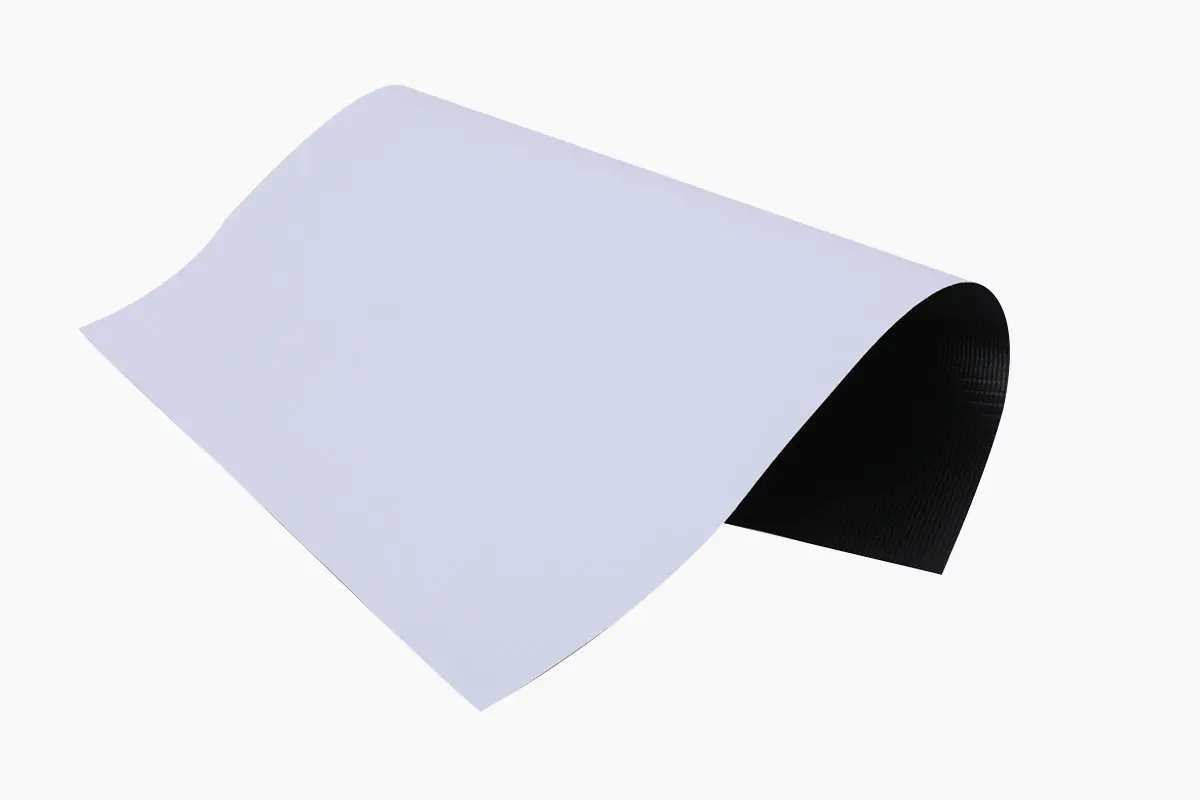
A PVC flex banner is a flexible, reinforced material made from polyvinyl chloride (PVC) combined with a polyester mesh or fabric scrim. This construction gives it exceptional tensile strength while retaining the flexibility needed for easy handling and installation. The surface is typically coated or laminated to receive high-quality inkjet printing, making it compatible with solvent, eco-solvent, UV, and latex printing technologies.
The following table summarizes the key physical properties that make PVC flex banner stand out for large-scale applications:
| Property | Description | Benefit for Large-Scale Advertising |
|---|---|---|
| Tensile strength | High tear resistance due to polyester scrim | Withstands strong winds and handling stress |
| Flexibility | Remains pliable even at low temperatures | Easy to roll, transport, and install on curved surfaces |
| Surface smoothness | Uniform coating for sharp image reproduction | Produces vibrant, high-resolution graphics |
| Weight | Typically 280–510 g/m² (light to medium) | Reduces shipping costs and structural load on frames |
| Opacity | Excellent light-blocking ability | Prevents show-through, ideal for double-sided prints |
| UV resistance | Stabilized against solar radiation | Maintains color fidelity for months outdoors |
These inherent characteristics directly address the major challenges of outdoor advertising: weather exposure, visual clarity, and long-term reliability.
Large-scale print advertising refers to any printed graphic intended to be viewed from a distance, covering areas from 10 square meters to over 500 square meters. Common examples include roadside billboards, giant banners on building facades, construction site hoardings, sports stadium panels, and exhibition backdrops. These applications place unique stresses on the printing substrate:
Weather exposure: Rain, snow, UV radiation, temperature fluctuations, and humidity.
Mechanical loads: Wind pressure, tension from mounting systems, and occasional impacts.
Visual requirements: High resolution at close inspection (e.g., trade show graphics) or strong readability from afar (e.g., highway billboards).
Logistics: Large rolls require efficient shipping, storage, and installation without creasing or tearing.
Many materials have been tried – paper, woven fabric, vinyl without reinforcement, and rigid panels – but each falls short in one or more critical areas. The PVC flex banner, by contrast, delivers a balanced performance profile that no other single material can match. Its reinforced structure ensures that even banners spanning 20 meters in width remain taut and tear-resistant. Its coated surface accepts ink with minimal dot gain, producing sharp edges and true colors – a must for brand logos and fine text.
Let us examine the specific reasons why print providers and advertising agencies consistently choose PVC flex banner over alternatives.
Outdoor advertising is a war against the elements. A banner that fades, cracks, or tears within weeks represents wasted investment and damaged brand reputation. PVC flex banner is engineered for long-term outdoor service. The PVC formulation includes UV stabilizers and plasticizers that resist photodegradation and retain flexibility. The polyester scrim provides structural integrity, preventing the material from stretching or sagging under its own weight or wind load.
Typical outdoor durability ranges from one to three years for standard banners, while premium grades can last five years or more. Even in coastal areas with salt spray or in high-altitude regions with intense UV, PVC flex banner maintains its mechanical properties. Moreover, the material is waterproof and resistant to mildew, rot, and chemicals. This robustness translates into fewer replacement cycles and lower total cost of ownership for advertisers.
When covering hundreds of square meters, material cost per square meter becomes a decisive factor. PVC flex banner is remarkably economical compared to rigid substrates like aluminum composite panel (ACP) or acrylic, and even competitive against woven polyester fabrics. The raw materials – PVC resin, plasticizers, and polyester scrim – are widely available, and the manufacturing process (calendering or spread coating) achieves high throughput with low waste.
Additionally, the lightweight nature of PVC flex banner reduces shipping expenses. A 50-meter roll weighing under 50 kg can be shipped by standard courier, whereas rigid panels of the same area would require specialized freight. Installation costs are also lower: two workers can easily handle and tension a large banner, whereas rigid signage often requires scaffolding and heavy lifting equipment.
Modern large-format printers achieve resolutions up to 1440 dpi or higher, but the final output is only as good as the substrate. PVC flex banner features a specially formulated top coating that promotes rapid ink absorption and bonding. This coating minimizes “bleeding” (spreading of ink beyond intended dots) and provides a smooth, matte or gloss finish depending on the product variant. The result is crisp text, vivid photographs, and smooth gradients – essential for high-impact advertising.
Furthermore, the banner’s white point (brightness) is calibrated to industry standards (typically CIE whiteness index above 140), ensuring that printed colors match the designer’s intent. Compatibility with multiple ink types – solvent, eco-solvent, latex, UV-curable – gives printers flexibility to use their existing equipment without investing in new consumables.
For large-scale advertising, ease of installation can make or break a project timeline. PVC flex banner can be seamed (heat-welded or glued) to create custom sizes without bulky frames. Grommets (metal eyelets) can be installed every 30–50 cm along the edges for rope or zip-tie mounting. The material’s flexibility allows it to wrap around corners, curve over building edges, or be tensioned on a billboard structure without cracking.
When the campaign ends, removal is equally straightforward. The banner can be cut down, rolled, and disposed of or recycled. Many print shops offer take-back programs for used PVC flex banners, turning old advertising into raw material for new products (e.g., industrial flooring or roofing membrane). This circular approach is gaining traction as sustainability becomes a purchasing criterion.
Unlike some vinyl products that become brittle below freezing or soften excessively in high heat, PVC flex banner performs reliably from -20°C to +70°C (-4°F to 158°F). In cold climates, the plasticizer formulation prevents cracking during installation or wind flapping. In hot desert conditions, the material does not become so limp that it sags or wrinkles. This thermal stability means one standardized product can serve global advertising campaigns without regional modifications.
To appreciate the dominance of PVC flex banner, it helps to compare it against other common substrates used in large-scale print advertising. The table below outlines how it stacks up against paper-based banners, woven fabric, mesh, and rigid boards.
| Material | Durability | Print Quality | Cost per m² | Weight | Ease of Installation | Weather Resistance |
|---|---|---|---|---|---|---|
| PVC flex banner | High (1–5 years) | Excellent | Low to moderate | Low | Very easy | Excellent |
| Coated paper | Very low (weeks) | Good | Very low | Very low | Easy (but fragile) | Poor |
| Polyester fabric (no coating) | Moderate (tearing risk) | Moderate (ink bleed) | Moderate | Low | Moderate | Moderate |
| Mesh banner (PVC/fiberglass) | High (3–5 years) | Fair (lower opacity) | Moderate | Low | Easy (wind passes through) | Very good (wind resistant) |
| Rigid PVC board (Foamex) | High (3–5 years) | Excellent | High | High | Difficult (needs fasteners) | Good |
| Aluminum composite | Very high (5–10 years) | Excellent | Very high | Very high | Very difficult | Excellent |
As the table illustrates, no alternative matches the combination of durability, print quality, and cost-effectiveness that PVC flex banner delivers. Mesh banners may be for extremely windy locations because they allow air passage, but their lower opacity and coarser print detail limit their use for high-resolution graphics. Rigid boards offer longevity but are impractical for large areas due to weight and shipping constraints. Woven fabrics, while eco-friendly in some cases, often lack the necessary ink holdout and tensile strength.
The versatility of PVC flex banner enables its use across virtually every segment of outdoor advertising. Below are the prominent applications where this material shines.
Along highways, drivers have only a few seconds to absorb a message. Bold colors, large typefaces, and high contrast are essential. PVC flex banner delivers the required opacity (so that backlighting is even, or so that no structure shows through) and the durability to withstand high-speed wind gusts. Billboards are typically changed every few months, and the banner’s easy seaming allows custom sizing for any frame.
Architectural wraps transform construction sites into advertising opportunities. These massive graphics – sometimes spanning entire skyscrapers – must resist wind, rain, and UV while maintaining a taut, professional appearance. PVC flex banner’s lightweight nature reduces the load on scaffolding, while its flexibility allows it to conform to irregular surfaces. Perforated versions (with tiny holes) are also available for window wraps, enabling one-way visibility.
In stadiums, banners are subject to impact from balls, cleaning equipment, and thousands of spectators. PVC flex banner’s tear resistance and easy cleanability (most inks are resistant to mild detergents) make it ideal for repeated use. Moreover, the material can be fire-retardant treated to meet stadium safety codes.
For indoor use, PVC flex banner offers a wrinkle-free surface that can be tensioned on portable frames. High-gloss versions deliver striking photographic quality for brand pavilions. The ability to roll and transport banners in a padded bag makes them reusable for multiple shows.
Perimeter fences at construction sites are prime real estate for real estate developers and advertisers. PVC flex banner withstands dust, mud splashes, and occasional impacts. Its UV stability ensures that the advertisement does not fade before the project completion date.
While the material itself is forgiving, proper installation extends its life and improves appearance. The following tips are standard in the industry:
Even tensioning: Avoid over-stretching, which can cause edge tear. Use a tension meter for very large banners.
Reinforced hems: Fold and heat-weld a 20–30 mm hem along each edge before adding grommets. This doubles the material thickness at stress points.
Grommet spacing: For standard 15 oz banner (approx. 510 g/m²), place grommets every 30 cm. For lighter banners, every 40–50 cm is acceptable.
Wind relief cuts: In areas with high winds, small vertical slits (5–10 cm) can be cut in the banner to allow air passage without tearing.
Storage: Roll, never fold, the banner for temporary removal. Store in a cool, dry place away from solvents.
A common concern about PVC-based products is their environmental footprint. While PVC production does involve chlorine chemistry, modern manufacturing has reduced emissions, and the material’s long life actually lowers its per-use environmental impact compared to short-lived alternatives. More importantly, PVC flex banner is recyclable. Specialized recyclers grind the banners into granules, remove the fabric scrim, and reprocess the PVC into new products such as industrial flooring, shoe soles, or even new banner backings. Some print shops now offer closed-loop take-back programs, encouraging advertisers to return used banners for recycling.
Advertisers looking to improve their green credentials can choose PVC flex banner variants made with bio-based plasticizers or with a higher percentage of recycled content. Additionally, water-based or latex printing eliminates solvent emissions, further reducing the overall impact.
The large-format printing industry continues to innovate, and PVC flex banner is evolving alongside it. Key trends include:
Lighter-weight banners: Reducing material thickness while maintaining strength, lowering shipping carbon footprint.
Backlit optimized banners: Enhanced light diffusion for illuminated billboards, reducing the number of LEDs required.
Anti-graffiti coatings: Clear topcoats that allow cleaning of spray paint from the banner surface.
Biodegradable additives: Research into additives that allow PVC to break down in landfill after a specified service life, though recycling remains the preferred end-of-life.
Digital direct-to-banner printing: Faster, more energy-efficient printers that reduce waste and setup time.
Despite these advances, the core attributes of PVC flex banner – strength, printability, and cost – will likely keep it at the forefront for many years.
For large-scale print advertising, no other material combines durability, print quality, cost efficiency, and ease of handling as effectively as PVC flex banner. From the harsh environment of a highway billboard to the demanding visibility of a sports stadium, this reinforced vinyl substrate consistently delivers professional results. Its ability to accept high-resolution prints, withstand weather, and be installed with minimal effort makes it the go-to choice for advertising agencies, print service providers, and brand managers worldwide. While sustainability concerns exist, recycling programs and greener formulations are steadily mitigating the environmental impact. For your next outdoor advertising campaign, the evidence is clear: choose PVC flex banner for reliability, impact, and value.
Q1: How long does a PVC flex banner typically last outdoors?
A: Standard PVC flex banner lasts 1 to 3 years outdoors, depending on UV intensity, temperature range, and wind conditions. Premium grades with enhanced UV stabilizers can last up to 5 years or longer. For semi-permanent installations, periodic inspection (every 6 months) is recommended.
Q2: Can PVC flex banner be used for both frontlit and backlit applications?
A: Yes. Frontlit banners have a white, opaque surface ideal for reflected light. Backlit (lightbox) banners are specially formulated with higher translucency to allow even light diffusion. Always specify your lighting condition when ordering.
Q3: Is PVC flex banner recyclable, and how should I dispose of used banners?
A: Yes, PVC flex banner is recyclable. Contact specialized PVC recyclers or inquire with your print provider about take-back programs. Do not send banners to regular municipal recycling unless accepted. Avoid incineration, as it releases harmful gases.
Q4: What printing technologies are compatible with PVC flex banner?
A: PVC flex banner works with solvent, eco-solvent, UV-curable, and latex inks. It is not compatible with water-based inks (unless a special coating is applied). Always check with your ink supplier for profile settings to achieve adhesion and scratch resistance.
Q5: How can I prevent PVC flex banner from tearing at the grommets in high winds?
A: Use reinforced hems (folded and welded edges) and increase the number of grommets (e.g., every 20 cm instead of 30 cm). For extremely windy sites, consider switching to a mesh banner that allows airflow, or add wind slits to the standard PVC flex banner.

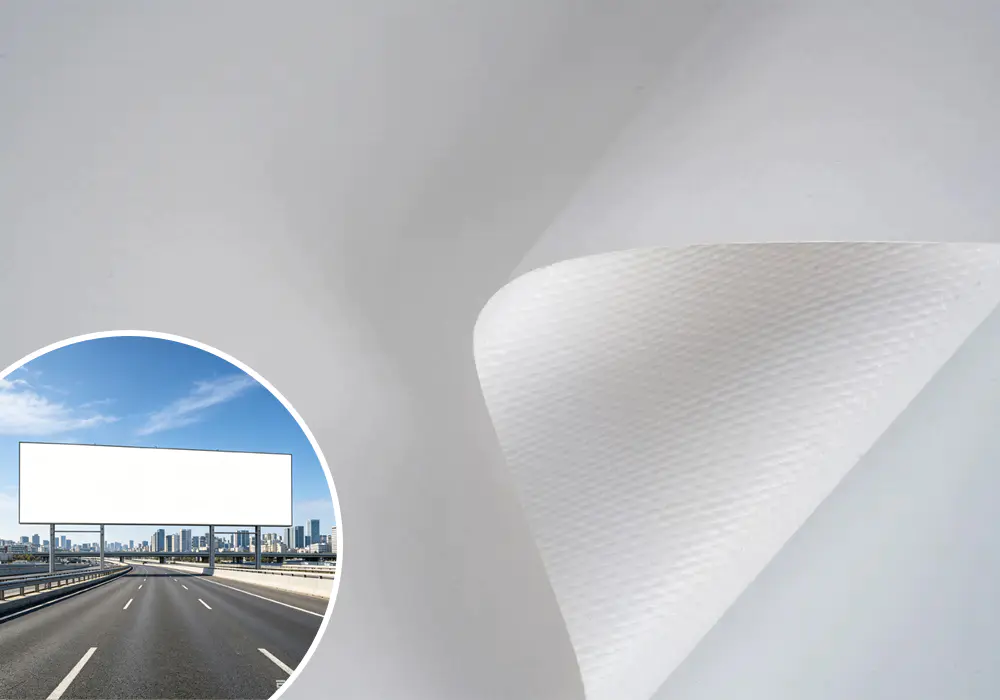 Tear Resistant Large Outdoor Flex Banner Print Cloth
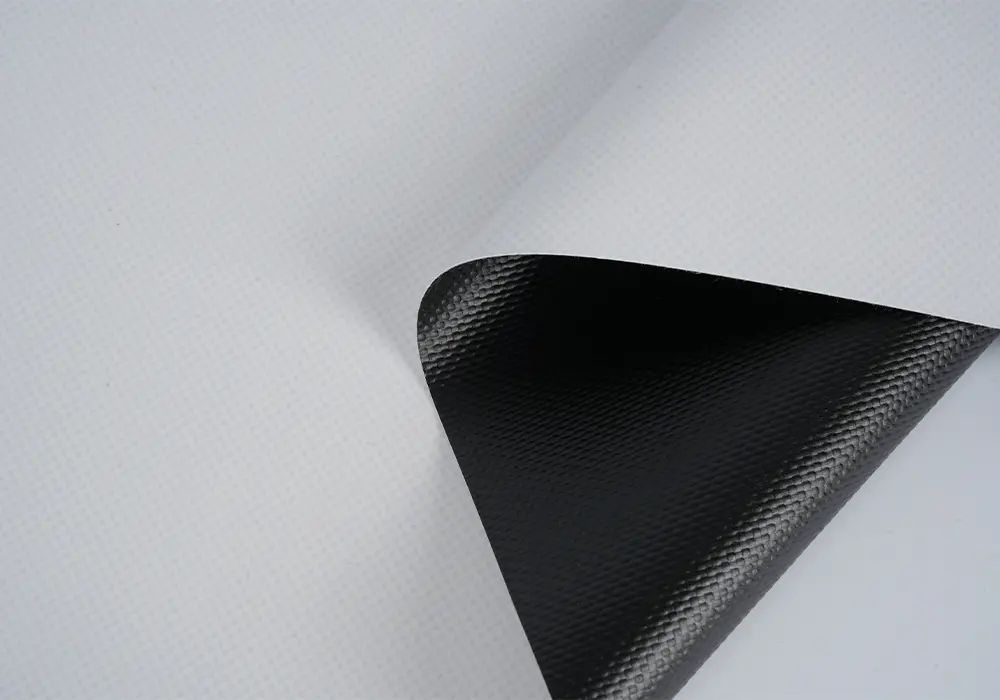 Weatherproof Blackback Opaque Advertising Flex Banner
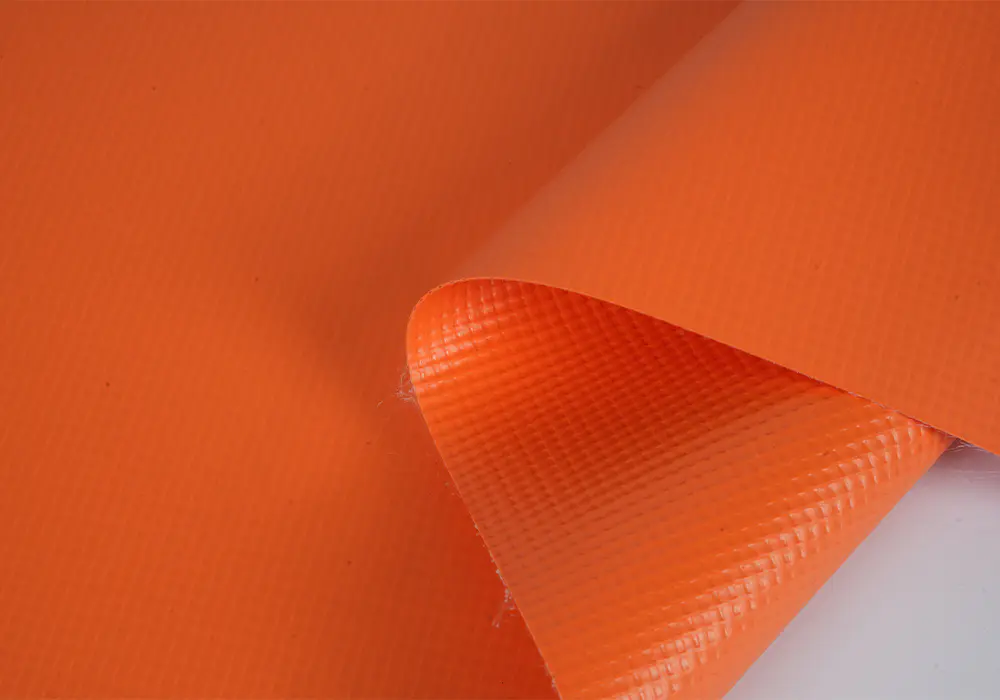 Flexible Wear Resistant PVC Tarpaulin For Luggage Bags
 Large Format Transparent Lightweight inkjet cover Flex Banner
 Light Flexible Light Transmitting Flex Advertising Banner
 High-Resolution Durable PVC Flex Banner
 Custom Digital Printing Fabric Manufacturers
 Previous