

 English
  中文简体
中文简体  Español
 News
Home / News / Industry News / The invisible armor of industrial civilization: decoding the technological genes and survival philosophy of "heavy-duty waterproof canvas"


When a 12-level typhoon tears off the temporary roof of a construction site, when strong acid raindrops hit the precision equipment in an open-pit mine, when the containers on the deck of a multinational cargo ship experience the day and night erosion of the Atlantic salt spray - have you ever wondered what material stands like a loyal guard? The answer is hidden in a seemingly ordinary name: heavy-duty waterproof canvas. Behind these five words is a deep dialogue between material science and industrial needs.
1. The evolution of canvas: from waxed linen to molecular-level protective shield
The origin of waterproof canvas can be traced back to the waxed linen of the sailing age, but today it has already completed genetic mutations. The core of modern heavy-duty canvas is the precise dance of polymer materials in the laboratory: high-density polyethylene (HDPE) occupies the mass market with low cost and high weather resistance; polyvinyl chloride (PVC) mesh structure becomes the first choice for engineering with its steel-like toughness; polyester fiber base fabric gives the overall anti-deformation ability like a skeleton. When these materials are coated with PE double-sided armor or pressed PVC sealing layer, a piece of canvas has the initial capital to fight against the wrath of nature. Are you curious about why those giant roofs covering football fields have not been broken for ten years? The secret lies in the molecular bonding at the nano level.
2. "Heavy Duty" Certification: The Extreme Survival Test in the Industry
"Heavy Duty" is not a marketing gimmick, but a set of survival standards cast with data. Imagine a hydraulic press applying 1500 Newtons of force (equivalent to the instantaneous impact of a 150 kg weight) to the surface of the canvas - this is an entry-level test of tear strength; a sharp drop hammer falls from a height of three meters to test the life and death line of puncture resistance; and the tensile strength of more than one ton of pressure per square meter allows it to remain calm when hoisting 10,000 tons of steel. In the environmental laboratory, the continuous impact of 5000 mm of water column (five-story water pressure) without leakage is the true definition of waterproof; the surface layer with UV swallower added must be exposed to the simulated equatorial sun for five years without brittleness. Even more stringent is the flame retardant laboratory: when an open flame licks the edge of the canvas, it must extinguish itself like asbestos rather than support combustion. These numbers are the confidence that it dares to cover chemical plants and tank trucks.
3. Structural code: multi-layer composite "biomimetic"
If you cut open a piece of heavy canvas, you will be amazed at its "anatomical structure": the criss-crossing polyester fiber grid in the PVC interlayer is similar to the fascia tissue of the human body, which evenly disperses the external force to every square centimeter; at the seams of high-frequency heat welding, the molecules are re-blended at a high temperature of 800℃, completely eliminating the possibility of pinhole leakage; TPU sealing strips are covered twice like a Band-Aid, even if the welds are aged, there is still double insurance. The double-layer seams at the edges are combined with brass eyelets, as if the canvas is inlaid with bronze armor. The version used on ocean-going cargo ships is even coated with a "self-cleaning" nano-coating on the surface - imitating the hydrophobic principle of lotus leaves, so that salt frost and oil stains cannot adhere. Does this structural wisdom remind you of the toughest crustaceans in nature?
IV. Extreme battlefield: When canvas becomes a barrier to the survival of civilization
Its battlefield is everywhere in human transformation of nature:
At the Alaska oil pipeline maintenance site, in the cold wind of minus 50℃, cold-resistant PVC canvas wraps the welding points to prevent the steel from breaking cold and brittle - temperature adaptability is related to engineering safety at this moment;
In the photovoltaic power station on the edge of the Sahara Desert, the silver-coated canvas reflects 90% of the sun's radiation, cooling the equipment while reducing sandstorm wear - UV resistance and wear resistance are superimposed here;
In the Amazon rainforest temporary hospital, the canvas tent with antibacterial and anti-mildew treatment resists the 80 mm per hour rainstorm, but the internal surgical lamp is still stable - hydrostatic pressure protection protects life here;
Even a country's space agency uses customized canvas to build a rocket assembly clean room, and the static dissipation layer prevents precision components from being destroyed by tiny sparks - the functional derivative has broken through the boundaries of imagination. When the typhoon passes, only a granary covered with canvas can save the food of the victims. At this moment, is it more humane than steel?
5. Future: Smart materials reconstruct the definition of "flexible protection"
The next generation of canvas in the laboratory is subverting cognition:
Some prototypes are embedded with perovskite solar film on the surface, which absorbs sunlight and converts it into electricity during the day, and automatically lights up the edge LED warning strip at night - a piece of canvas has become an independent power supply unit;
The version with temperature-sensitive coating will suddenly change from blue to glaring red when the ambient temperature exceeds 70℃, just like a built-in fire warning system;
More cutting-edge is programmable deformable canvas: after the current is passed, the shape memory alloy fiber shrinks and automatically tightens the slack part, completely saying goodbye to manual rope pulling;
The bio-based environmentally friendly canvas uses corn starch derivative coating, which degrades naturally within six months after being abandoned, resolving the environmental dilemma of traditional PVC. When the inflatable three-dimensional canvas dome automatically props up the shelter three minutes after the disaster, are we witnessing a historical turning point in which flexible materials replace reinforced concrete?
The story of heavy waterproof canvas has never been limited to a piece of waterproof cloth. It is the result of chemists' molecular chain preparation, engineers' answer to simulating natural structures, and a flexible declaration of human beings to expand their survival frontiers in extreme environments. The next time you see a blue shed on a construction site in a strong wind or a silver armor on equipment in the desert, you will no longer see a simple covering, but a layer of breathing technological skin.
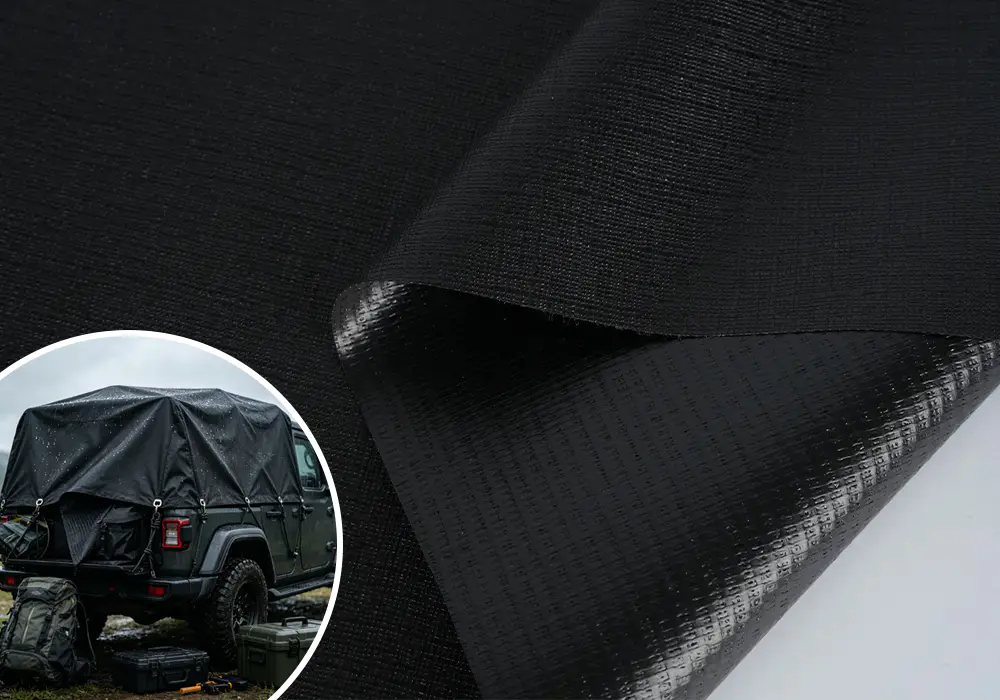 Weatherproof Printable Waterproof Tarpaulin For Camper RV
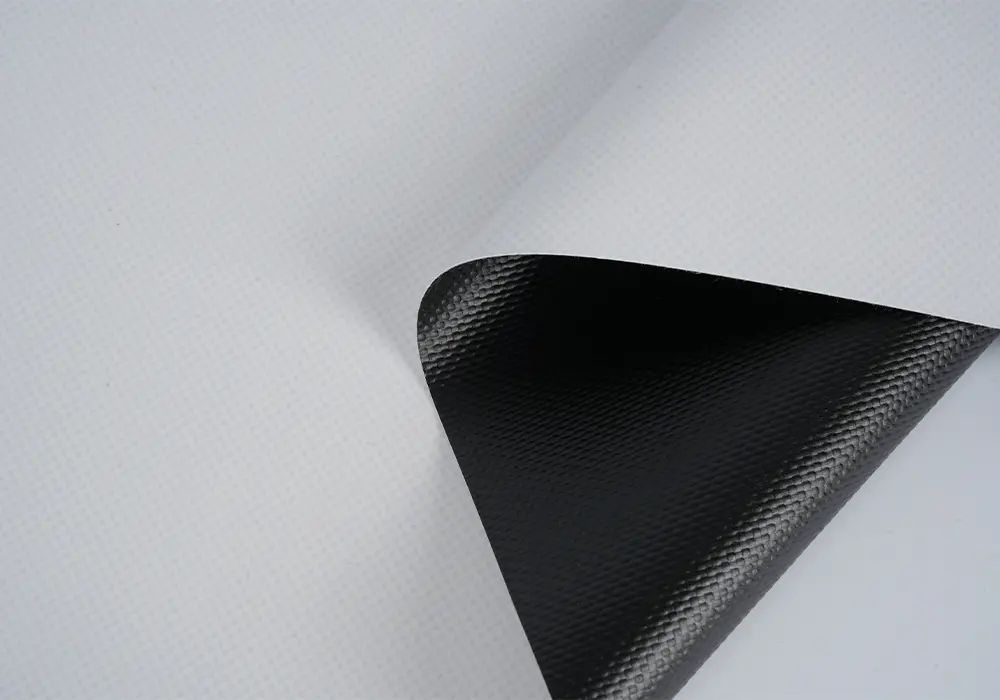 Weatherproof Blackback Opaque Advertising Flex Banner
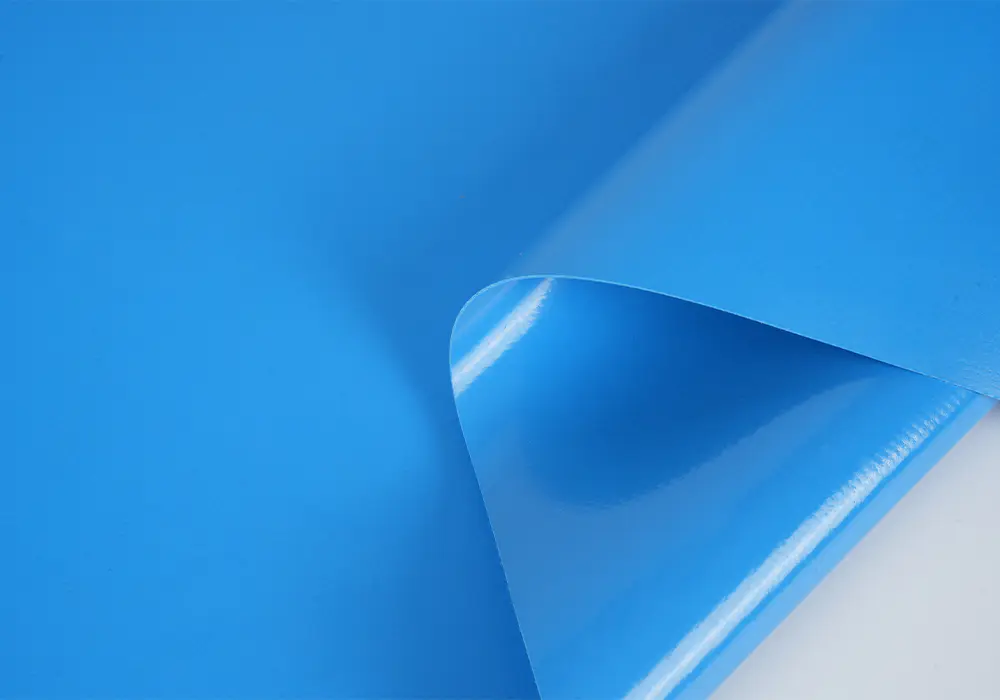 Anti Fouling Weatherproof Tarpaulin For Swimming Pool Cover
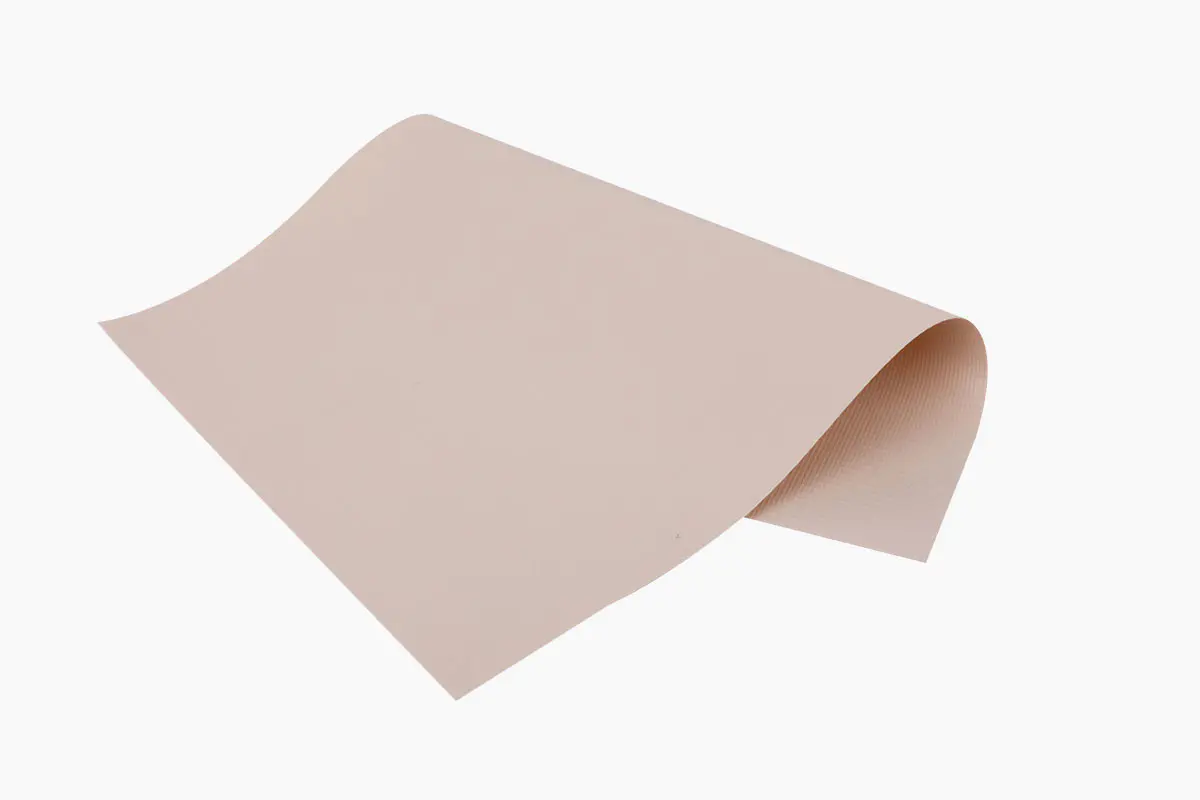 Heavy-Duty Reinforced Waterproof Tarpaulin
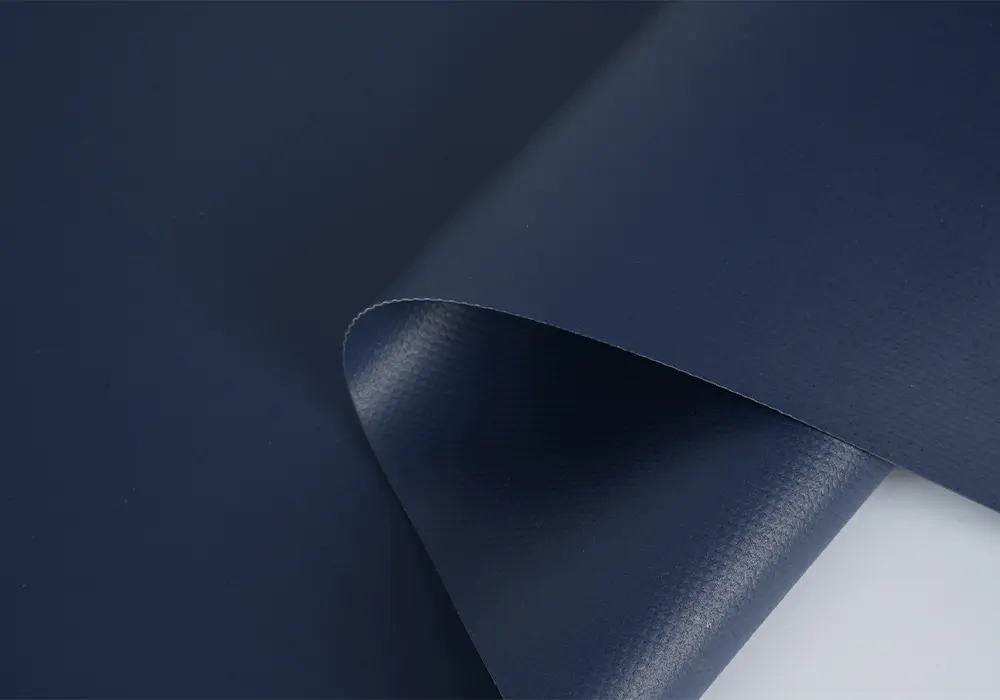 Heavy Duty Waterproof Tarpaulin For Truck Side Curtain
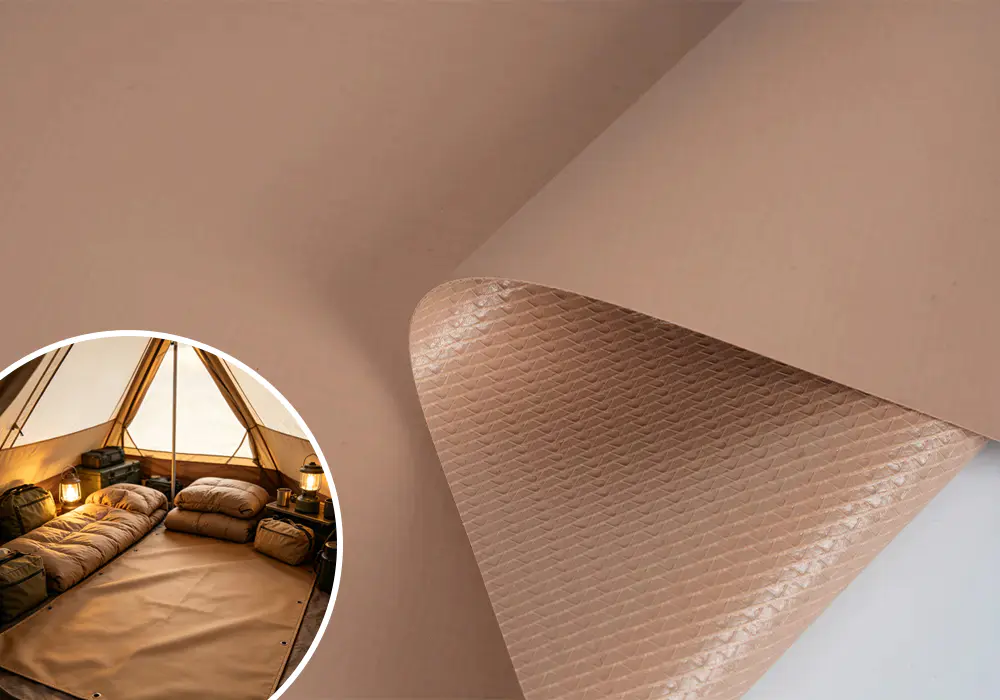 Moisture Proof Wear Resistant Tarpaulin For Tent Floor Mat
 Custom Digital Printing Fabric Manufacturers
 Previous