News
Home / News / Industry News / Can a heavy-duty tarpaulin withstand extreme weather conditions such as high winds and heavy rain?


Can a heavy-duty tarpaulin withstand extreme weather conditions such as high winds and heavy rain?
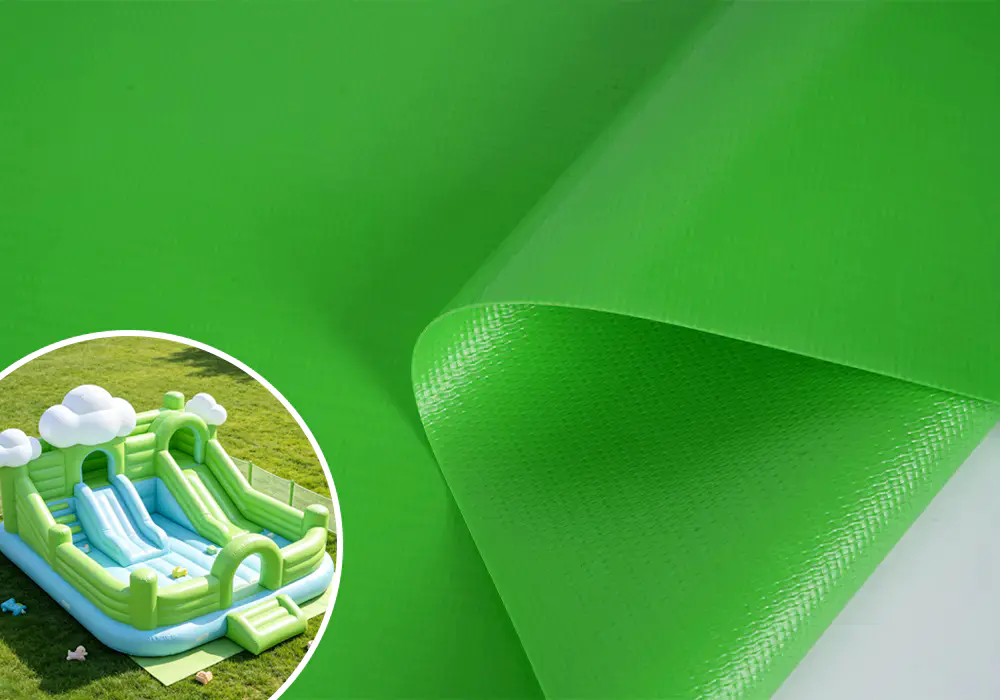
A heavy-duty tarpaulin is specifically designed to withstand extreme weather conditions, including high winds and heavy rain. These tarps are made from durable materials and are manufactured using advanced techniques to ensure their strength and durability.
One of the main factors that determine the ability of a tarpaulin to withstand extreme weather conditions is the quality of the material used in its construction. Heavy-duty tarps are typically made from materials such as polyethylene or PVC, which are known for their durability and resistance to harsh weather elements. These materials are also treated to be UV resistant, further enhancing their strength and longevity.
To withstand high winds, heavy-duty tarps are often reinforced with grommets, which are small metal rings that are inserted into the tarp's edges or corners. These grommets allow the tarp to be securely tied down and anchored, preventing it from being blown away by strong winds. The grommets are typically made from materials such as brass or stainless steel, which are resistant to rust and corrosion.
In addition to grommets, heavy-duty tarps may also feature reinforced edges or hems. These reinforced areas are made by folding the tarp's material over and sewing it to create a double layer of fabric. This not only strengthens the tarp but also prevents it from fraying or tearing in high wind conditions.
When it comes to heavy rain, the material used in heavy-duty tarps is often waterproof or water-resistant. This means that the tarp is capable of repelling water and preventing it from seeping through to the covered area. Waterproof tarps are particularly useful in areas with frequent or heavy rainfall, as they can provide a reliable shelter and protect valuable items.
Moreover, heavy-duty tarps may also have additional features to improve their water resistance, such as heat-sealed seams. Heat-sealing involves using high temperatures to melt the tarp's material, creating a waterproof bond between the two surfaces. This technique ensures that no water can penetrate through the seams, providing an extra level of protection during heavy rain conditions.
While heavy-duty tarps are designed to withstand extreme weather, it is important to ensure proper installation and maintenance. It is recommended to securely anchor the tarp using strong ropes or bungee cords, ensuring that it is tightly stretched to minimize the risk of wind damage. Regular inspections and repairs, such as patching any tears or holes, are also essential to maintain the tarps' effectiveness.
In conclusion, heavy-duty tarps are specifically manufactured to withstand extreme weather conditions, including high winds and heavy rain. These tarps are made from durable materials, such as polyethylene or PVC, and are reinforced with grommets and strong seams to enhance their strength and longevity. Being waterproof or water-resistant, heavy-duty tarps prove to be reliable in extreme weather scenarios. However, proper installation and regular maintenance are necessary to ensure the durability and efficiency of these tarps.