News
Home / News / Industry News / Waterproof clear tarpaulin balances light transmittance and functionality


Waterproof clear tarpaulin balances light transmittance and functionality
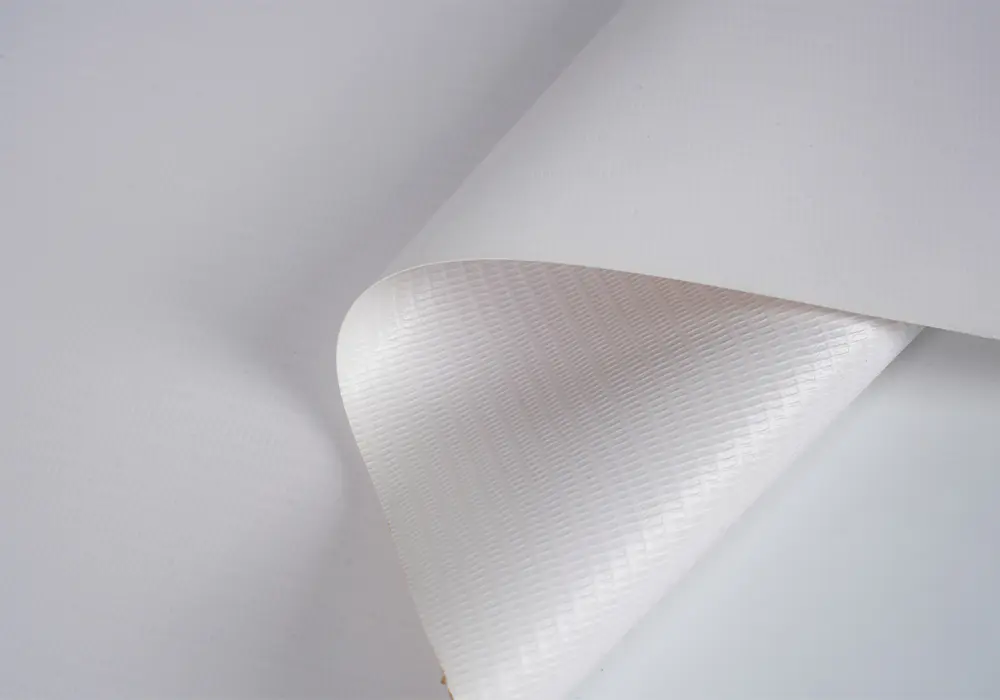
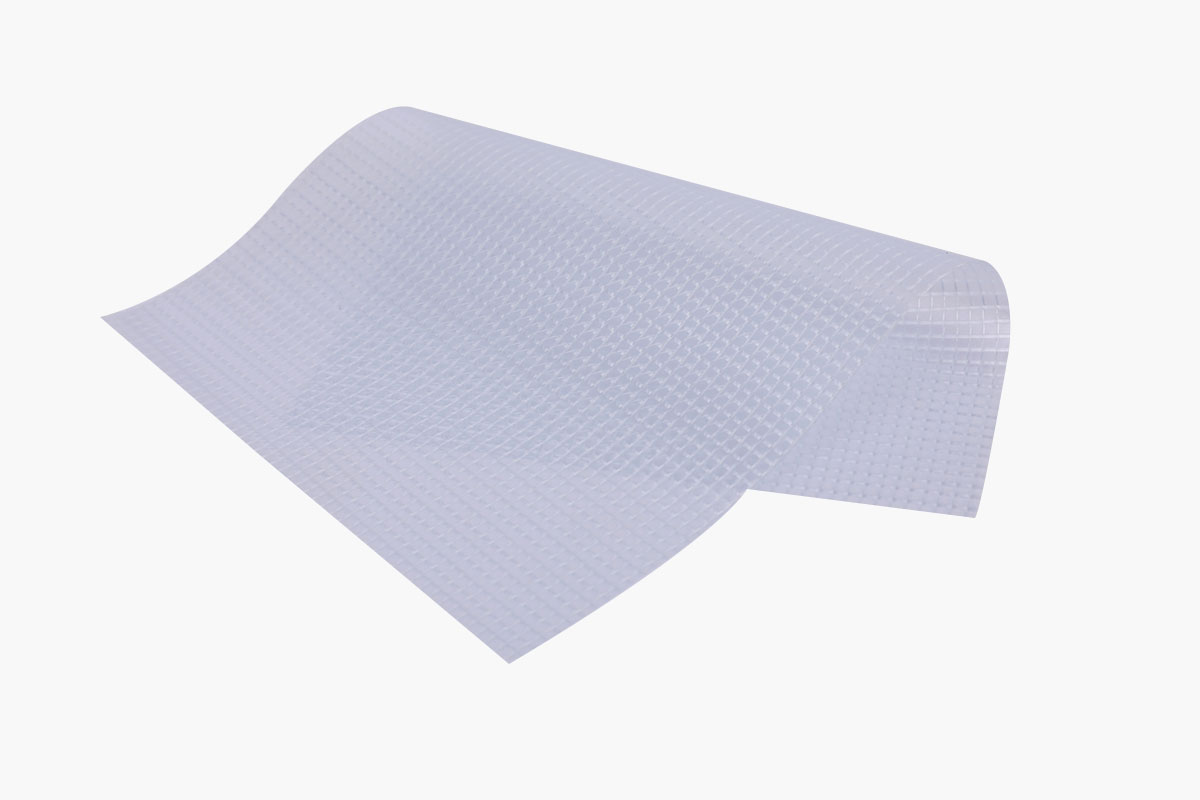
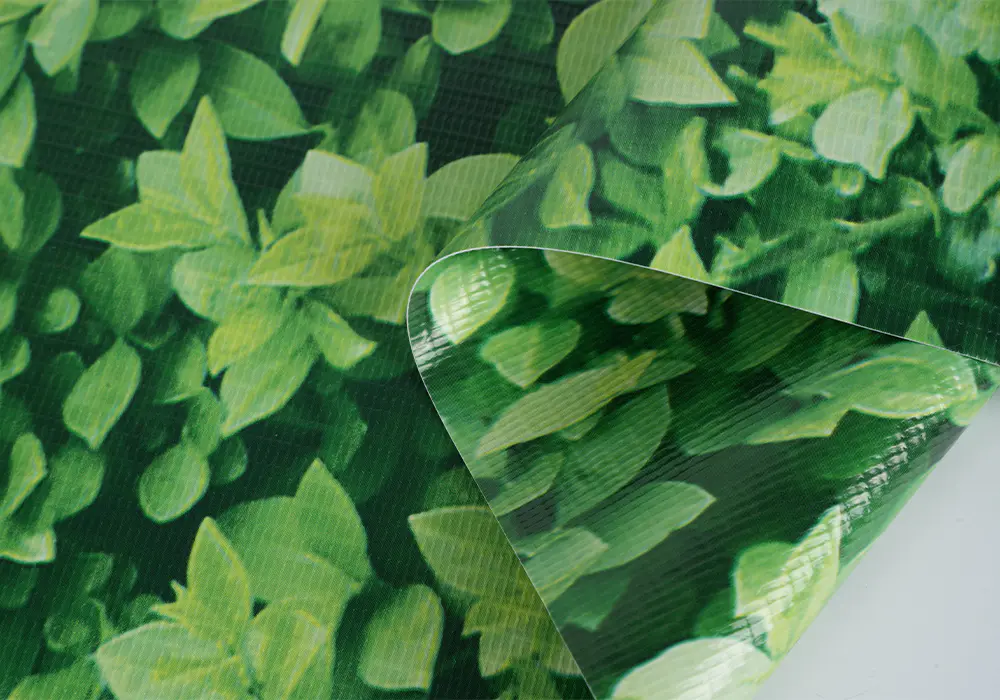
Waterproof clear tarpaulin is a tarpaulin material that features both waterproof functionality and light transmittance. When used outdoors, it can provide protection against rain, dust, and other elements while allowing light to pass through, maintaining brightness in the covered area. However, transparency is a critical factor that determines the tarpaulin's light transmittance performance and can be affected by its thickness and light transmittance properties.
The thickness of the tarpaulin has a direct impact on its transparency. Generally, thinner tarpaulins exhibit higher transparency. This is because light encounters less resistance when passing through a thinner tarpaulin compared to a thicker one, allowing for better penetration. The high transparency of thin tarpaulins allows for the preservation of indoor brightness, facilitating activities within the covered area. On the other hand, thicker tarpaulins impede light penetration due to their increased thickness, resulting in relatively lower transparency. Therefore, when selecting a tarpaulin, it is crucial to consider the required transparency based on the intended application and choose the appropriate thickness accordingly.
The light transmittance properties of the tarpaulin also play a significant role in determining its transparency. These properties are influenced by the manufacturing materials and specific processing techniques employed. Certain specialized materials can enhance the light transmittance of the tarpaulin, facilitating easier passage of light. Tarpaulins with superior light transmittance properties exhibit higher transparency. Additionally, processing techniques are another key factor affecting light transmittance. Advanced processing technologies can improve the light transmittance of the tarpaulin, such as enhancing its uniformity and the light diffusion effect.
The transparency of a waterproof clear tarpaulin is influenced by both its thickness and light transmittance properties. Thinner tarpaulins generally offer higher transparency due to reduced resistance to light penetration, while thicker tarpaulins have relatively lower transparency. Moreover, light transmittance properties are another important factor, and the choice of tarpaulin materials and processing techniques can significantly impact these properties. Therefore, when selecting a waterproof clear tarpaulin, it is crucial to carefully consider the actual requirements and application scenarios, and make a comprehensive assessment of the tarpaulin's thickness and light transmittance properties to achieve the optimal transparency effect.