

 English
  中文简体
中文简体  Español
News
Content
PVC flex banners are one of the popular materials used for outdoor and indoor advertising. Known for their durability, versatility, and ability to hold vibrant prints, PVC flex banners serve a variety of purposes, from street signs to trade show displays. To achieve high-quality results that stand the test of time, it’s essential to follow the practices in printing.
Understanding PVC Flex Banners
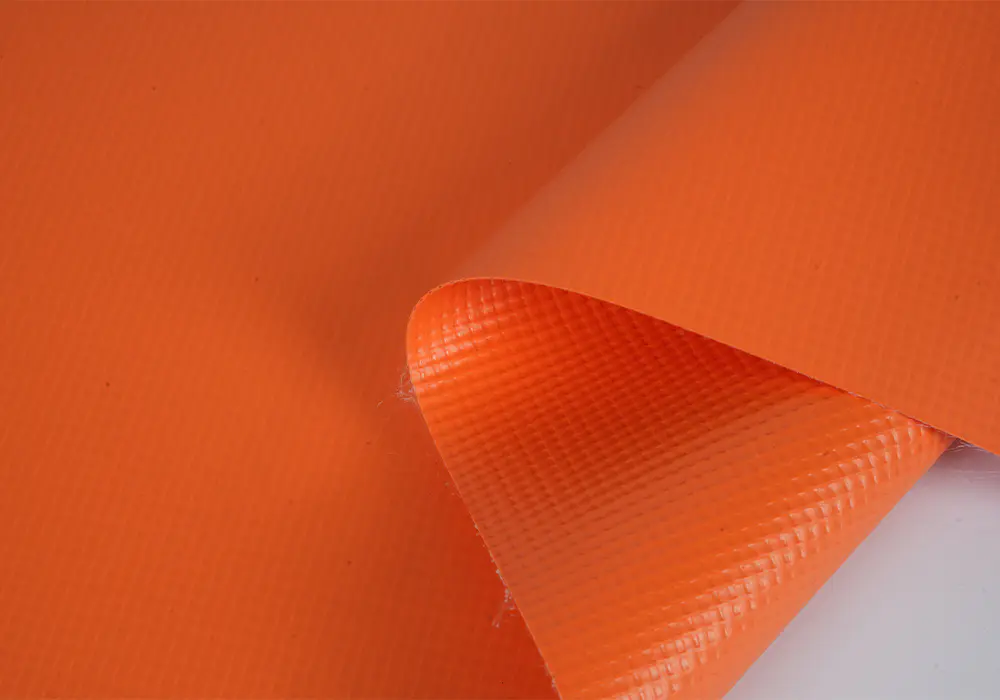
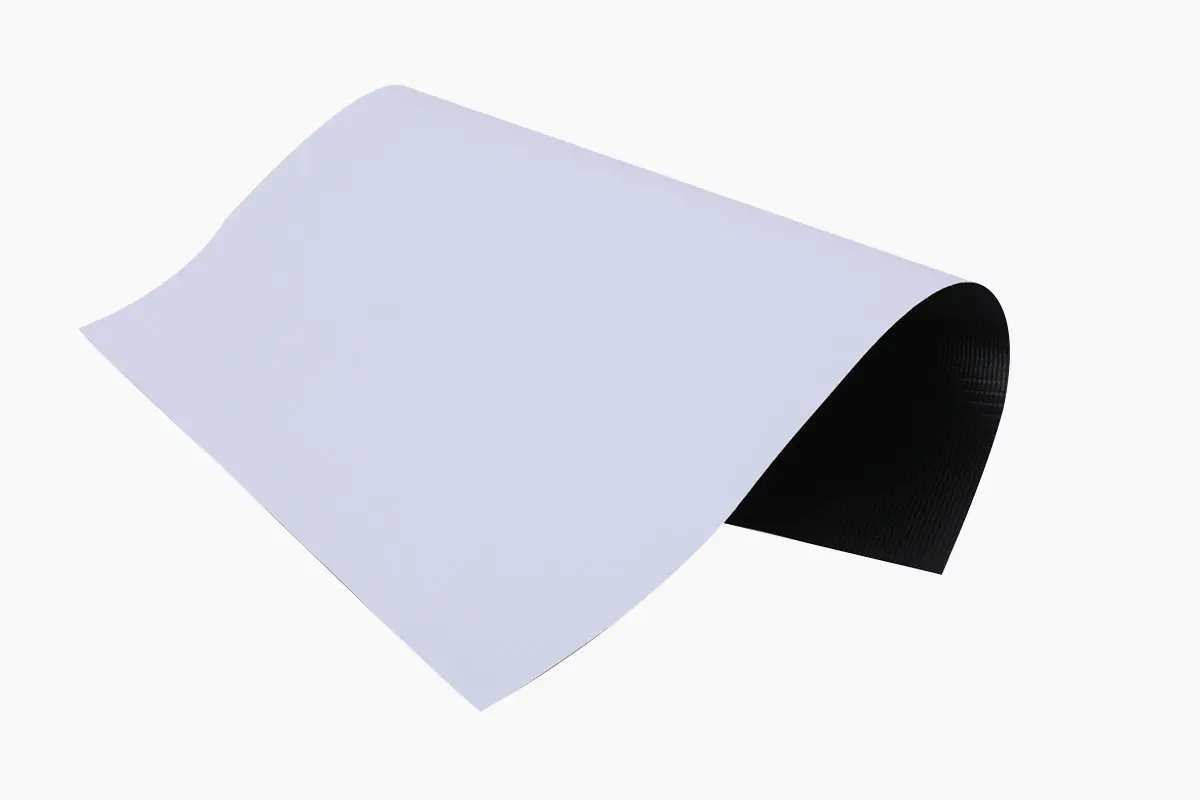
Before diving into the practices, it’s important to understand what a PVC flex banner is and why it’s so commonly used. PVC (polyvinyl chloride) flex banners are made of a flexible material coated with a layer of PVC, which makes them resistant to wear and tear, UV rays, and moisture. These banners come in various thicknesses and finishes, such as matte and glossy, depending on the desired final appearance.
PVC flex banners are commonly used in a wide range of industries, including retail, event marketing, and sports advertising. Their ability to display high-quality prints with bold colors and crisp details makes them ideal for various advertising needs.
Key Considerations Before Printing
Surface Texture and Finish
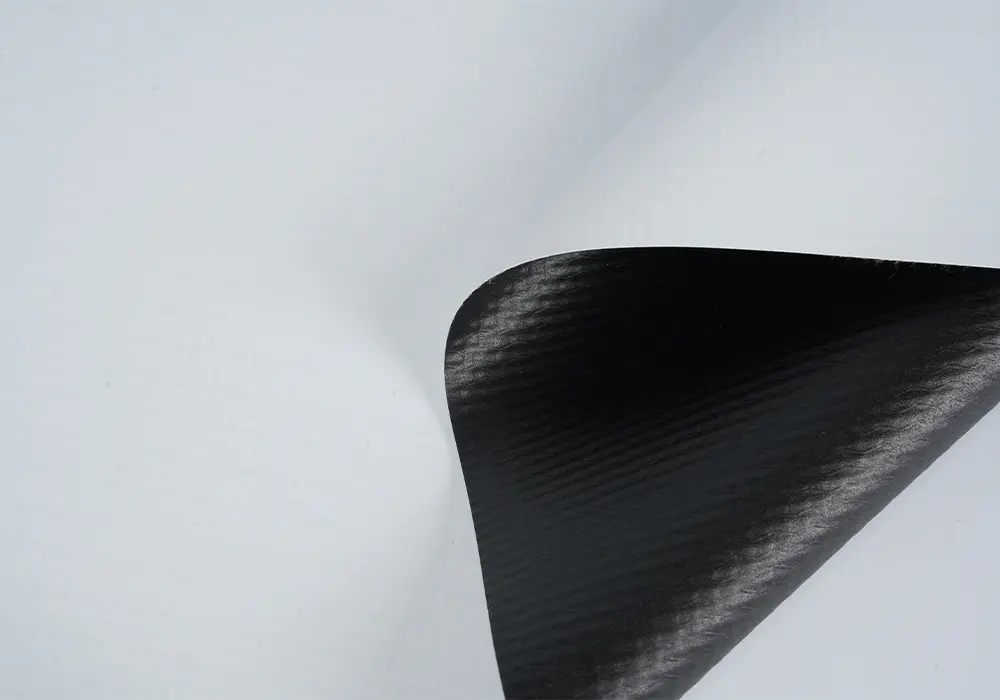
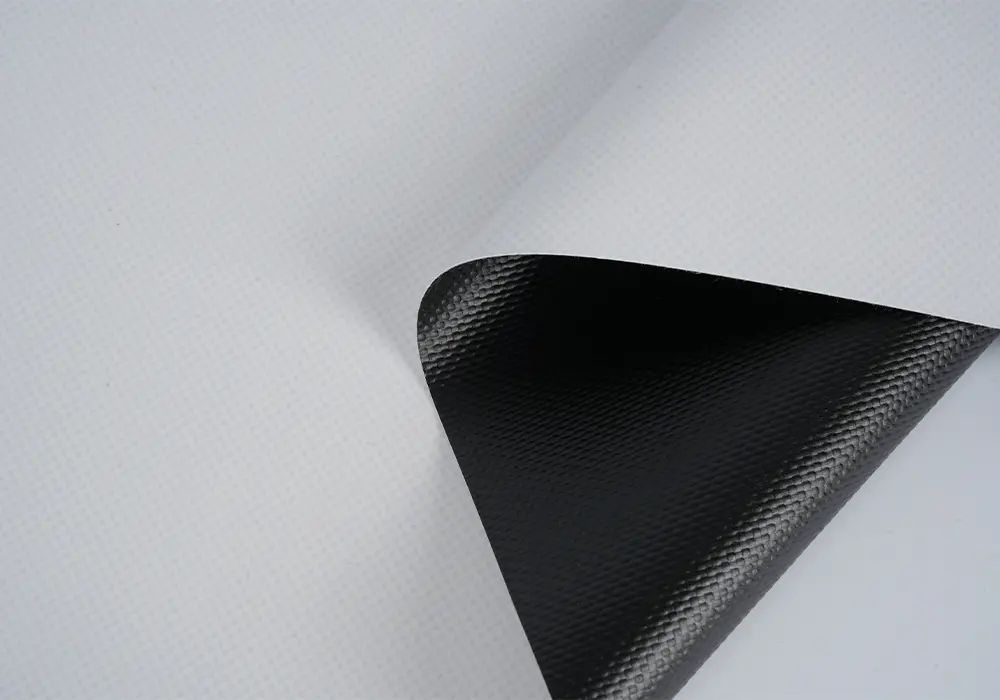
The surface of a PVC flex banner plays a crucial role in determining the final output quality. PVC banners come in different finishes: matte, glossy, and satin. Each finish will absorb ink differently and produce a unique visual effect.
Matte finish is ideal for outdoor usage as it minimizes glare and provides a sophisticated, subdued look.
Glossy finish enhances colors and vibrancy, but it can reflect light, which may affect readability in some cases.
Satin finish strikes a balance between matte and glossy, providing a sleek look without too much reflection.
Choosing the Right Ink
Selecting the right ink is essential to achieving vibrant, long-lasting prints. Two main types of ink are used for PVC flex banner printing:
Solvent-based inks: These are resistant to water and UV rays, making them ideal for outdoor applications. They also provide a rich color payoff and can be used on various materials, including PVC flex banners.
UV inks: Cured by ultraviolet light, UV inks offer durability and color accuracy, making them suitable for both indoor and outdoor applications.
Resolution and Image Quality
The resolution of the artwork is a key determinant in the clarity and quality of the printed banner. For PVC flex banners, a resolution of 720 DPI (dots per inch) is recommended for large-format prints. Higher resolutions (1440 DPI and above) may be needed for fine details or smaller prints, ensuring that the image remains crisp and clear when viewed up close.
Color Calibration
Ensuring accurate color reproduction is crucial for maintaining brand integrity. Many PVC flex banner printers come with color management systems that can match the printer’s output with the colors on screen. Calibrate the monitor to the printer’s color profile and ensure that the colors in the design file are consistent with the printing process.
Best Practices for Printing PVC Flex Banners
Pre-Printing Preparation
The pre-printing stage is critical in ensuring that your PVC flex banner prints correctly the time. Here’s what you should do before hitting print:
Proof the design: Always create a proof of the final design and examine it for any potential issues. This includes checking for typos, resolution issues, or misaligned elements.
Check the banner size: Ensure that the dimensions of your design match the dimensions of the banner material. If you’re printing large banners, make sure to account for hem allowances, grommet placements, and other edge treatments.
Test with a small sample: Before running the full print job, test a small sample to check the quality of the colors, resolution, and overall finish.
Printing Process
The printing process itself is an important step in ensuring the quality result. Follow these tips to get the output:
Print in a controlled environment: Make sure the printing area has controlled temperature and humidity to prevent issues like ink bleeding or warping of the PVC material.
Proper media handling: Handle the PVC flex banner material with care. Ensure it is rolled up tightly and kept free of dust and moisture.
Use the correct printer settings: Always use the printer’s recommended settings for PVC flex banners. This includes adjusting the print head height, ink density, and curing settings (for UV printing).
Post-Printing Finishing
Once the banner is printed, the finishing process is crucial to enhancing its durability and presentation. Key steps include:
Drying and curing: Ensure the print is properly dried or cured (depending on the type of ink used) to avoid smudging or fading.
Cutting and trimming: If necessary, trim the banner to the correct dimensions. Use a straight-edge or cutting plotter to ensure clean, straight cuts.
Lamination: To further enhance durability, consider laminating the PVC flex banner. This protective layer can prevent damage from UV exposure, dirt, and scratches.
Mounting and Installation
Once the banner is printed and finished, the next step is to mount and install it in its intended location. PVC flex banners can be mounted using grommets, ropes, or frames. Ensure the banner is securely fastened to prevent wind or weather from causing it to loosen or tear.
Common Mistakes to Avoid
While printing on PVC flex banners can be straightforward, there are some common mistakes to watch out for:
Incorrect file formats: Always use vector-based files (like AI or EPS) for crisp lines and logos. Raster files (like JPEGs) can lose quality when scaled.
Not accounting for bleed: Leave adequate bleed areas around the design to avoid cutting off important elements during the trimming process.
Poor color management: Failing to properly calibrate the printer and monitor can discrepancies between the digital design and the final print.
Overexposure to UV: While UV ink is durable, excessive exposure to UV light during storage can cause fading over time. Store banners in a cool, dry place.
Conclusion
Printing on PVC flex banners can yield impressive results when done correctly. By understanding the material, selecting the right inks, and following practices, you can produce high-quality prints that are both durable and vibrant. Whether you’re creating outdoor advertising, event displays, or promotional materials, following these steps will help ensure your PVC flex banners make a strong visual impact.
FAQ
1. What type of printer is for printing on PVC flex banners?
UV printers and solvent-based printers are both choices for printing on PVC flex banners. UV printers offer durability and color fidelity, while solvent-based printers provide a rich color payoff and are ideal for outdoor applications.
2. How can I prevent my PVC flex banner from fading in the sun?
To prevent fading, use UV-resistant inks and consider laminating the banner for additional protection. Regular cleaning and proper storage when not in use can also prolong the life of your banner.
3. Can PVC flex banners be used for indoor displays?
Yes, PVC flex banners are versatile and can be used for both indoor and outdoor displays. The type of finish you choose (matte, glossy, or satin) will affect how it looks in different environments.
4. How long do PVC flex banners last?
PVC flex banners are known for their durability and can last several years, especially when used for outdoor purposes. Proper installation, maintenance, and the use of UV-resistant inks can extend their lifespan.
5. Can PVC flex banners be recycled?
PVC is a non-biodegradable material, but it can be recycled. However, recycling options for PVC flex banners are limited, so it’s important to follow local recycling guidelines.
 Previous