

 English
  中文简体
中文简体  Español
 News
Home / News / Industry News / What Are the Key Features to Look for When Choosing Heavy Duty Tarpaulin?


Content
Heavy duty tarpaulins, or tarps, serve a critical role in a wide range of industries, from construction and agriculture to outdoor events and transportation. As versatile and durable as they are, selecting the right heavy-duty tarpaulin can be daunting due to the variety of factors to consider.
The material of a tarpaulin directly impacts its performance and longevity. Heavy duty tarps are typically made from materials like polyethylene, PVC, or canvas. Each material has its own strengths depending on the environment in which it will be used.
Polyethylene Tarpaulins: These are lightweight and resistant to water and UV rays. They are commonly used for outdoor purposes such as covering vehicles, boats, and equipment.
PVC Tarpaulins: Known for their strength and resistance to harsh weather, these are commonly used in construction and other heavy-duty applications where resistance to wear and tear is crucial.
Canvas Tarpaulins: Though heavier, canvas tarps are highly durable and breathable, making them suitable for storage and protection of goods that need airflow.
| Material Type | Strengths | Ideal Use Case |
|---|---|---|
| Polyethylene | Lightweight, waterproof | General outdoor use, vehicle covers |
| PVC | Strong, resistant to UV and chemicals | Construction sites, machinery covers |
| Canvas | Durable, breathable | Storage, outdoor events |
One of the important features to look for is the tarpaulin’s ability to withstand varying weather conditions. Waterproofing is crucial, especially in regions prone to rain, snow, or high humidity.
Waterproofing: Heavy duty tarps should offer full waterproofing to protect against water damage. The seams should be sealed properly, as unsealed seams are vulnerable to leaks.
UV Protection: Exposure to UV rays can degrade tarp materials over time. Choosing a tarp with UV-resistant coatings will prolong its lifespan and prevent it from becoming brittle or faded.
Temperature Resistance: Consider the temperature range the tarp will endure. Some materials, like PVC, perform well in heat or cold, while polyethylene may become brittle in freezing temperatures.
The thickness and weight of a tarpaulin are directly tied to its durability and the type of protection it can offer. Heavy-duty tarps typically range from 8 to 20 mils in thickness, with thicker options being more durable.
Thin Tarps (8-10 mils): Suitable for lighter-duty protection where exposure to severe weather is less likely.
Thick Tarps (12-20 mils): Ideal for heavy-duty uses where the tarp will face significant stress, such as covering machinery or construction equipment.
Reinforced edges and high-quality stitching add another layer of strength and longevity to heavy duty tarps. Look for tarps that feature reinforced hems, grommets, and corners to prevent tearing or fraying.
Grommets: The presence of strong grommets around the edges allows for easy securing of the tarp. These grommets should be rust-resistant and placed at regular intervals.
Double Stitching: Double-stitched seams add to the tarp’s overall strength, preventing it from unraveling at the edges when subjected to high tension.
Heavy-duty tarps come in various sizes and are often customizable to suit specific needs. It’s important to consider the exact dimensions required to ensure a proper fit for your intended use.
Standard Sizes: Many tarps come in standard sizes, but it’s important to verify that they fit your needs before purchase.
Custom Tarps: For specialized applications, custom tarps that match specific size and material requirements are available. Customization options also extend to color and additional features like flame resistance.
| Size Options | Common Applications |
|---|---|
| Standard (6’x8’, 10’x12’) | General use, vehicle covers |
| Custom Sizes | Machinery covers, storage |
Heavy-duty tarpaulins are often exposed to rough surfaces or sharp objects. A good quality tarp should be puncture-resistant and capable of handling abrasive conditions.
Abrasion Resistance: Tarps made from materials like PVC are ideal for environments with rough surfaces. They can withstand continuous friction without showing significant wear.
Puncture Resistance: Check the construction of the tarp. Multiple layers or a thicker material can help prevent punctures from sharp objects.
While heavy-duty tarpaulins are built to last, proper maintenance ensures their longevity. Consider the ease of cleaning and storing the tarp after use.
Cleaning: Polyethylene and PVC tarps are easy to clean with a hose or mild detergent, while canvas tarps might require more effort.
Storage: When not in use, heavy-duty tarps should be rolled or folded and stored in a dry, cool place to avoid mold or mildew buildup.
The price of heavy-duty tarpaulins can vary significantly depending on material, size, and features. While higher-quality tarps may come at a premium, they often provide durability, longer lifespan, and better protection, making them more cost-effective in the long run.
Choosing the right heavy-duty tarpaulin involves a balance of factors such as material strength, weather resistance, thickness, and durability. By paying attention to these features, you can ensure that the tarp you choose meets your specific needs and provides long-lasting protection.
1. What is the difference between PVC and polyethylene tarpaulins?
PVC tarpaulins are stronger and more resistant to chemicals and weather conditions, while polyethylene is lighter and more flexible but may not withstand harsh conditions as well.
2. How do I know what size tarpaulin I need?
Measure the area you need to cover and select a tarpaulin that offers extra coverage to account for overlaps and securing.
3. Can I use a heavy-duty tarpaulin for long-term outdoor storage?
Yes, as long as it is UV-resistant and properly secured, a heavy-duty tarpaulin can protect items from long-term exposure to the elements.
4. Are there fire-resistant tarpaulins available?
Yes, fire-resistant tarps are available, especially for industrial applications where fire safety is a concern.
5. How should I store my heavy-duty tarpaulin when not in use?
Store your tarpaulin in a cool, dry place, ensuring it is clean and dry to prevent mold and mildew buildup.
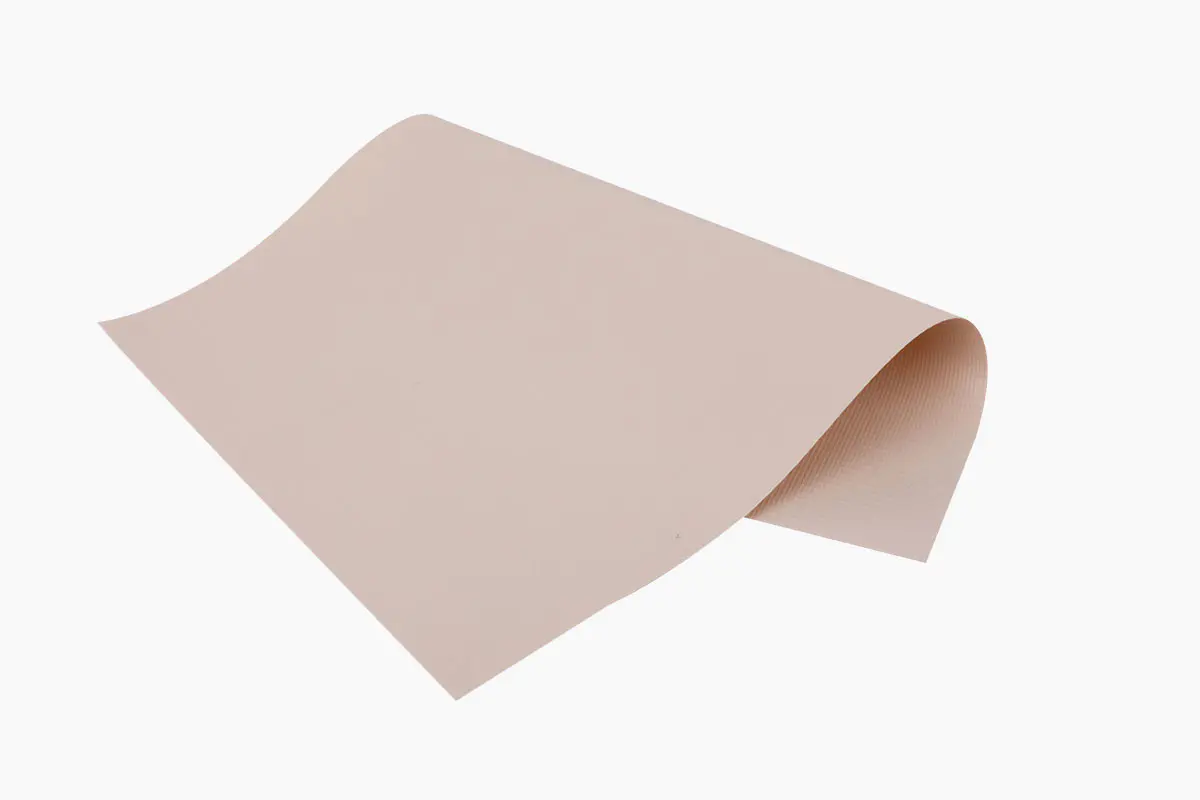 Heavy-Duty Reinforced Waterproof Tarpaulin
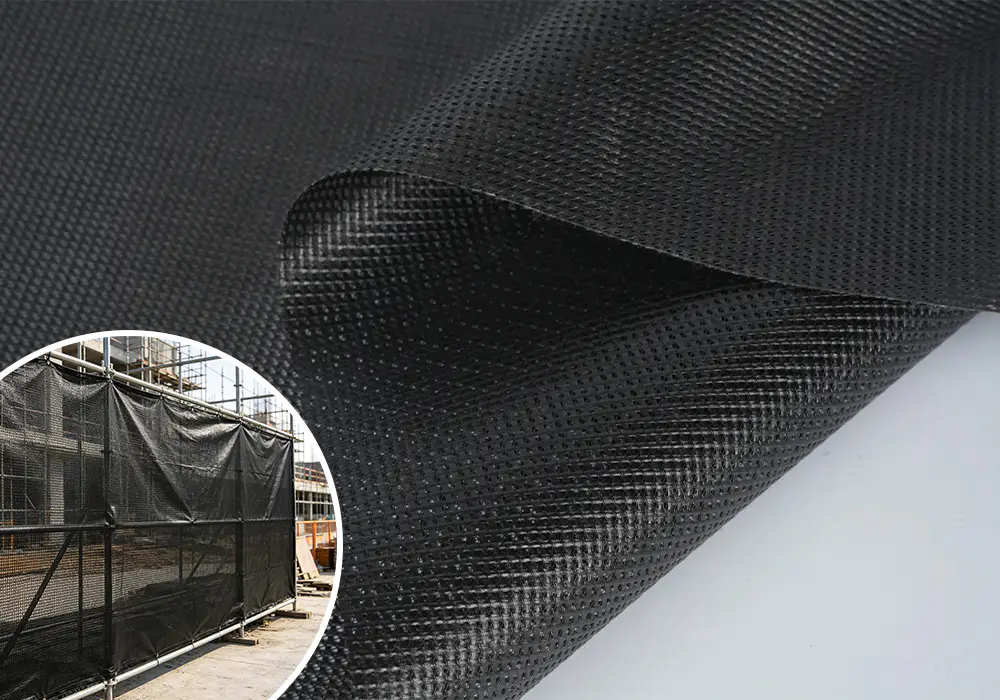 All Weather Heavy Duty Mesh Tarpaulin for Barrier Fencing
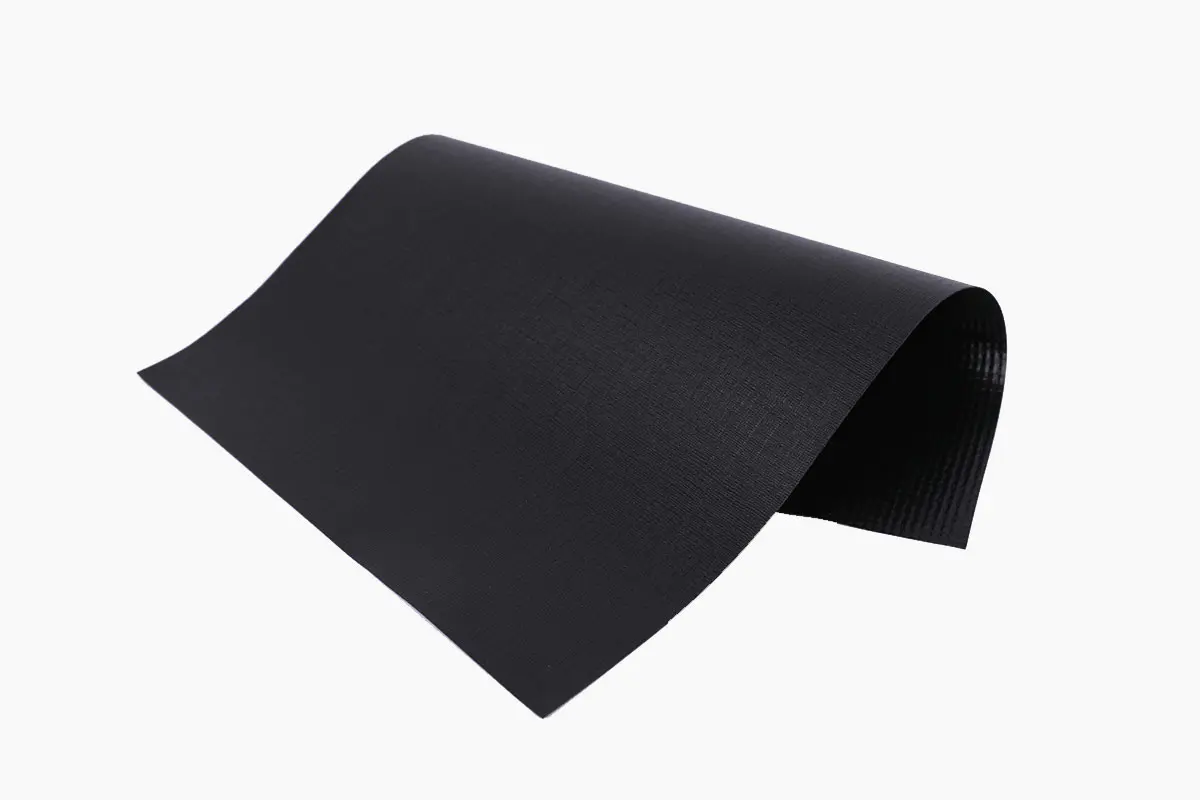 Heavy-Duty High-Performance Camouflage-Printed Tarpaulin
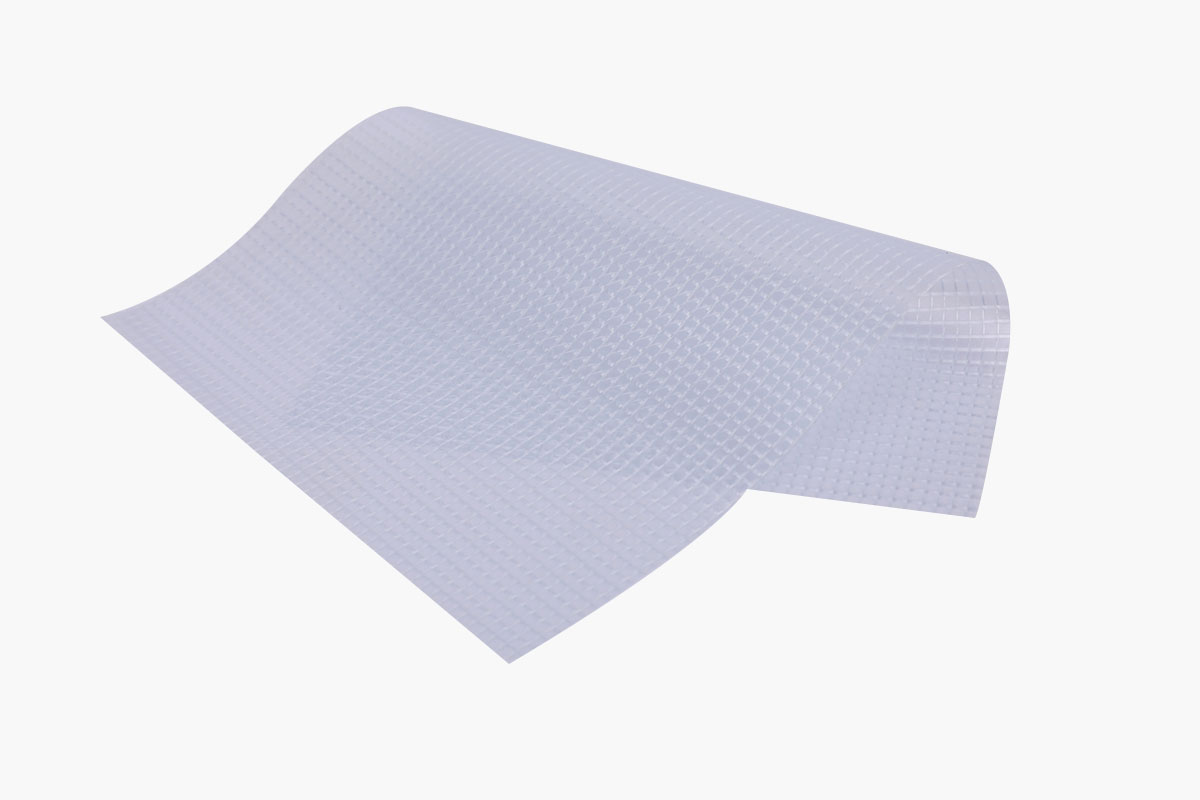 Heavy-Duty Waterproof Clear Tarpaulin
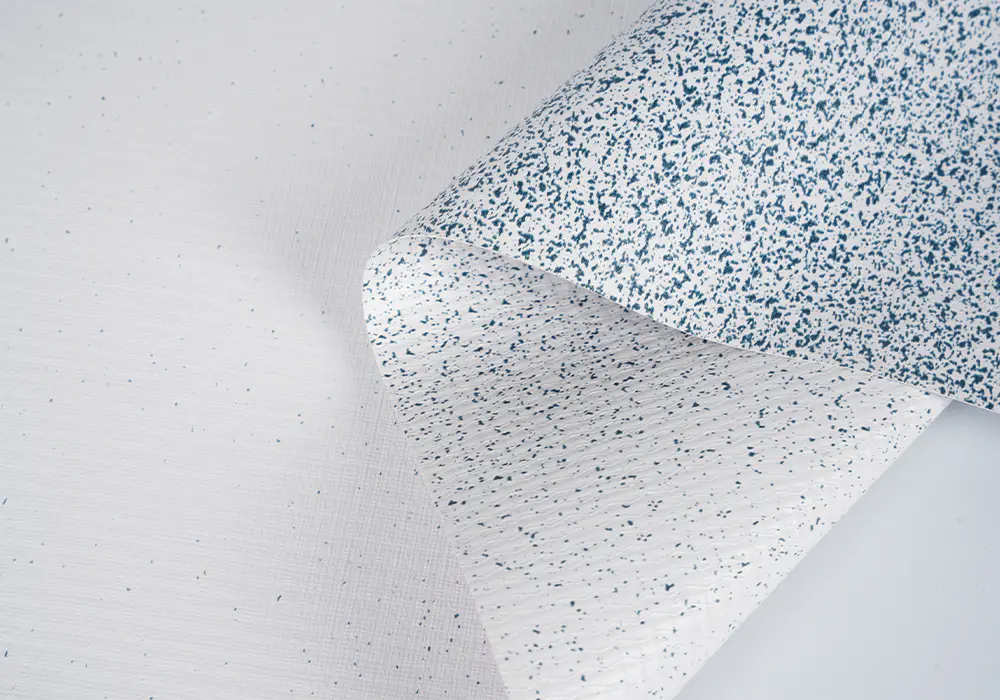 Heavy Duty Printable UV Block Tarpaulin For RV Awning
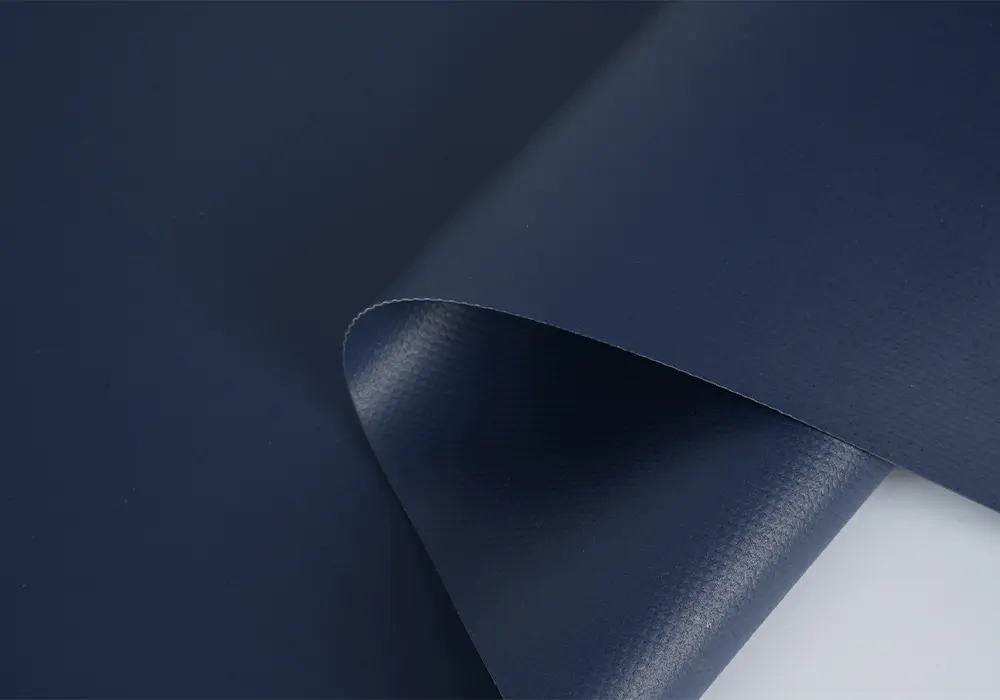 Heavy Duty Waterproof Tarpaulin For Truck Side Curtain
 Custom Digital Printing Fabric Manufacturers
 Previous