

 English
  中文简体
中文简体  Español
News
Content
- 1 Direct Answer: What Is a Cover Banner?
- 2 Core Construction & Material Science
- 3 Key Performance Metrics & Empirical Data
- 4 Classification & Application Scenarios
- 5 Practical Selection Guide – How to Choose the Right Cover Banner
- 6 Maintenance & Longevity Optimization
- 7 Quick Reference: Cover Banner Specifications
- 8 Manufacturing Workflow (From Scrim to Finished Banner)
- 9 Frequently Asked Questions (FAQ)
Direct Answer: What Is a Cover Banner?
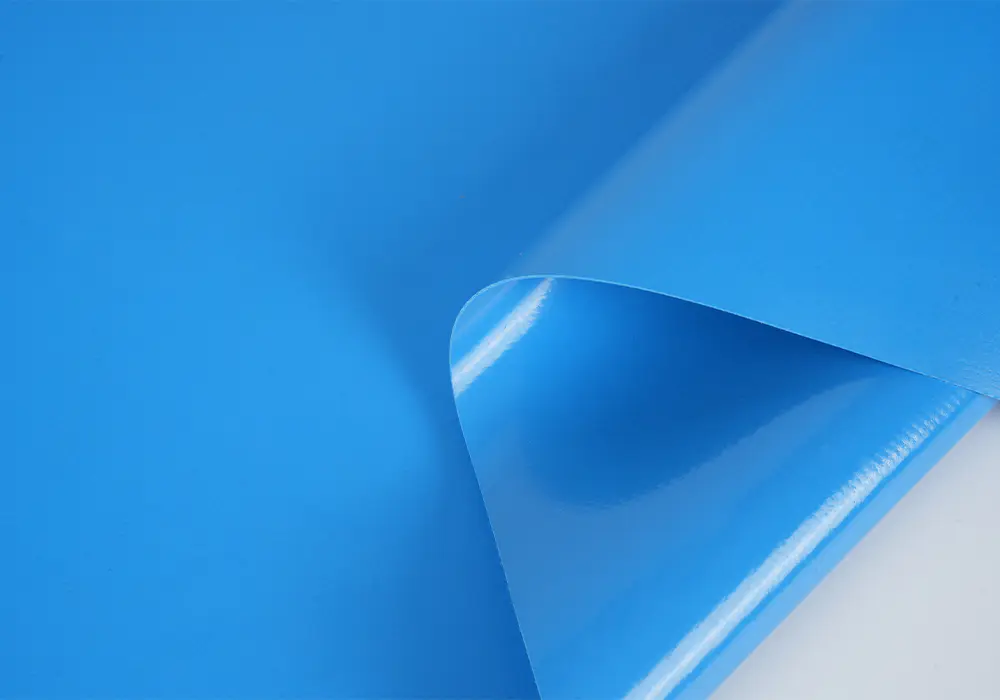
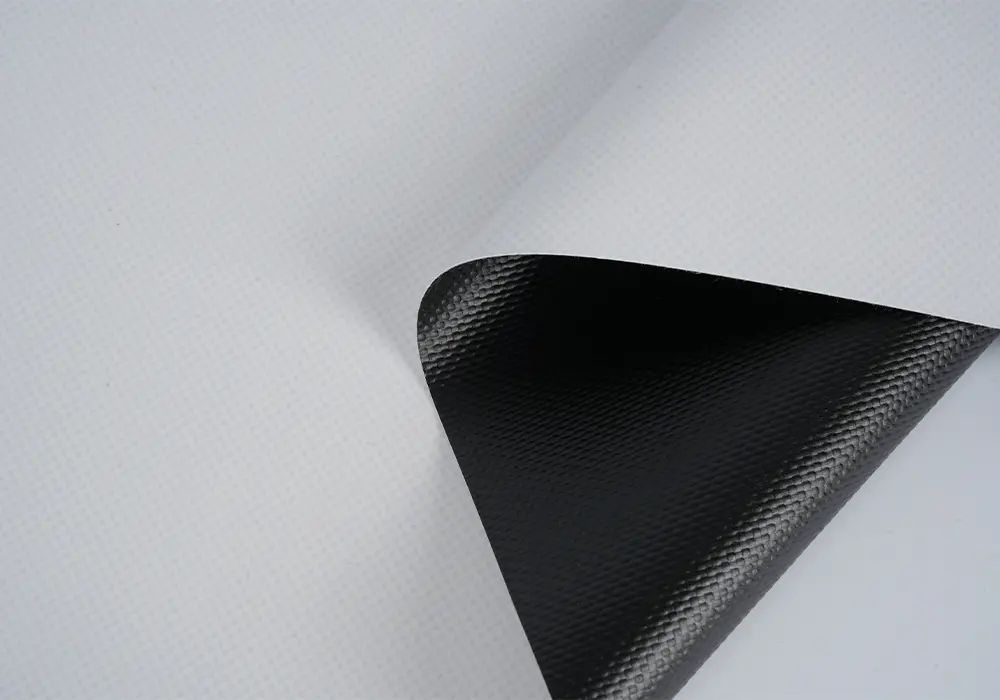
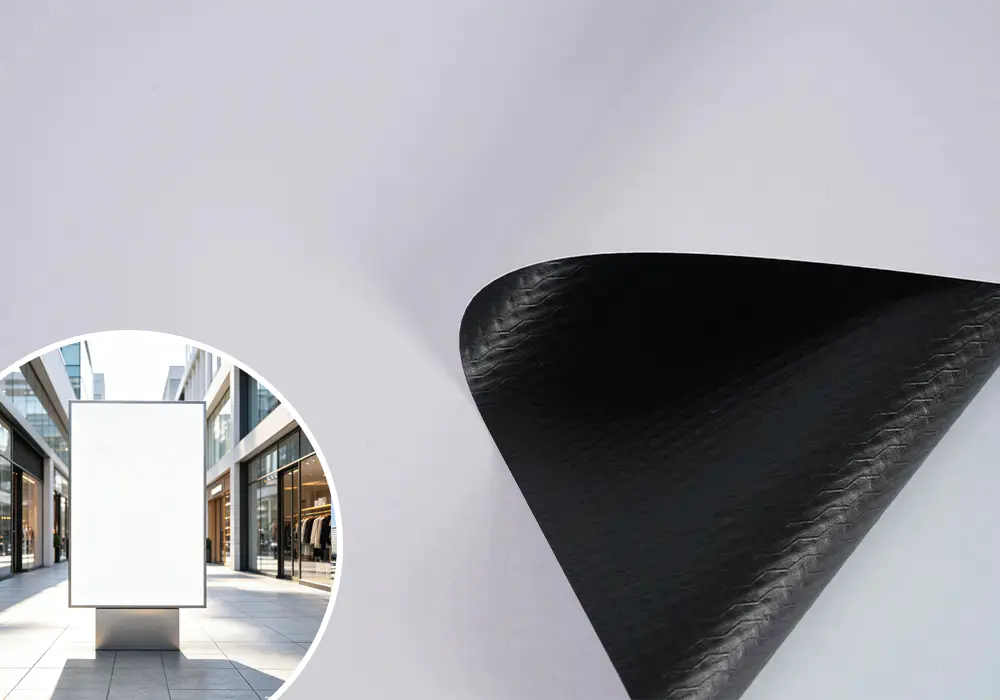
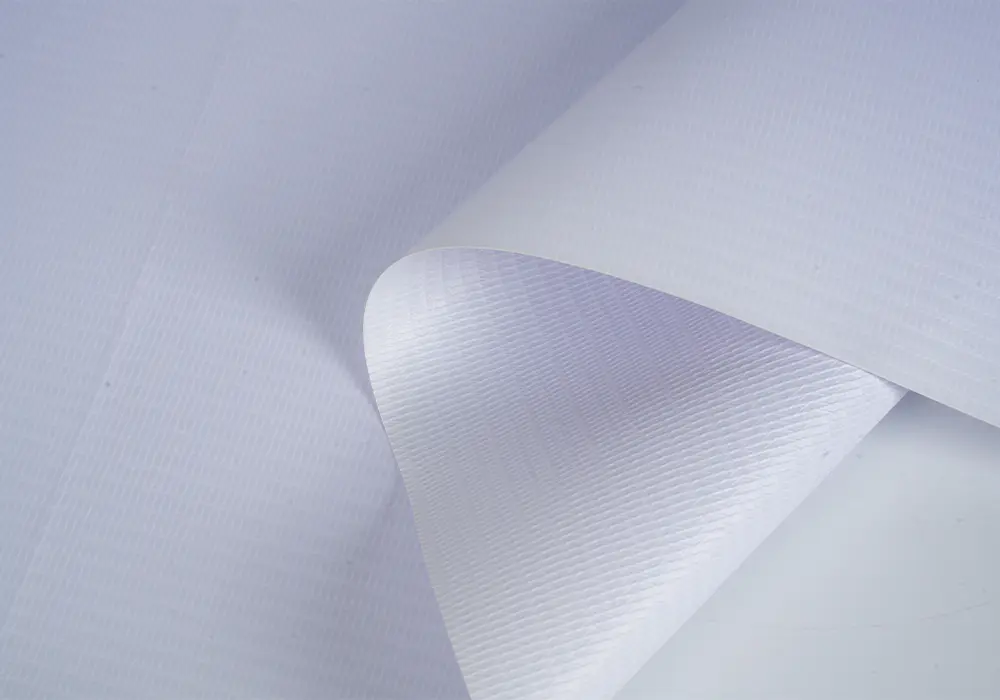
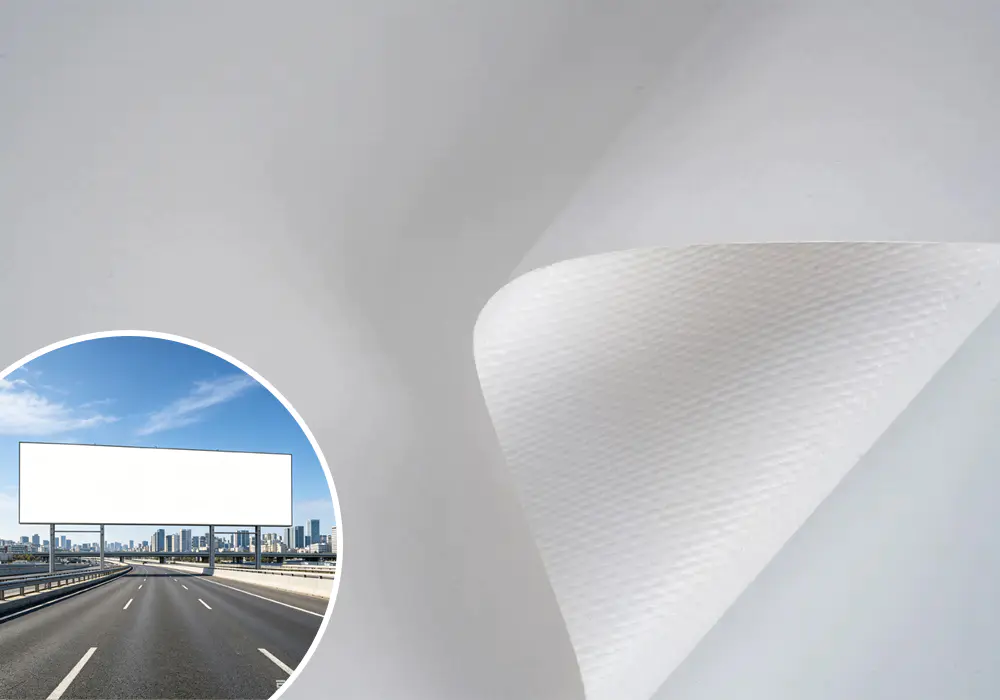
A cover banner is a high-strength, flexible signage material made by coating a woven polyester scrim with liquid polyvinyl chloride (PVC) on both sides. This composite structure delivers an exceptional balance of tensile strength, dimensional stability, and environmental resistance. In short: it is the industry-standard substrate for outdoor advertising, construction site hoardings, and large-format event graphics because it withstands wind, rain, UV radiation, and mechanical stress far better than paper or uncoated textiles.
For professionals specifying banners, the defining characteristics are weight (g/m²), tear strength (N), and coating adhesion. A typical high-quality cover banner uses 1000–1500 denier polyester yarns and a PVC coating thickness of 0.3–0.6 mm, resulting in a product that can endure up to 18–24 months of continuous outdoor exposure without significant fading or structural degradation.
Core Construction & Material Science
Understanding the layered anatomy of a PVC-coated polyester cover banner is essential for making informed purchasing decisions.
1. Base Fabric – High-Tenacity Polyester Scrim
The foundation is a woven polyester scrim, typically in a plain or basket-weave pattern. Polyester is chosen for its low elongation at break (10–15%), which prevents the banner from stretching or sagging under its own weight. The yarn count directly influences tensile strength: a 1000×1000 denier scrim offers a warp/weft tensile strength of approximately 3500–4000 N/5cm, making it suitable for most scaffolding and billboard applications.
2. PVC Coating – Dual-Layer Lamination
Liquid PVC plastisol is applied to both faces via a knife-over-roller or calendar-coating process. The top coat often contains UV stabilizers (e.g., benzophenone derivatives) and pigments (titanium dioxide for white opacity). The bottom coat may incorporate anti-microbial agents to resist mold in humid climates. Total coating weight typically ranges from 300 to 600 g/m², accounting for 60–70% of the final product's mass.
Key Performance Metrics & Empirical Data
Specifiers should rely on quantifiable data rather than vague claims. Below are the critical parameters that define a durable cover banner.
- Breaking Strength (Warp/Weft): ≥ 2800 N/5cm ensures resistance to high wind loads (up to Beaufort scale 10).
- Tear Propagation Resistance: ≥ 250 N (trouser tear method) prevents small punctures from expanding.
- Coating Adhesion: ≥ 80 N/5cm (peel test) guarantees that the PVC film does not delaminate from the scrim.
- Flame Retardancy: Complies with DIN 4102 B1 or NFPA 701 when additives are used.
- Lightfastness: Blue Wool Scale rating ≥ 6–7 for 12-month outdoor use in moderate climates.
For instance, a 510 g/m² cover banner with a 1100×1100 denier scrim typically offers 20–25% higher tear strength compared to a 440 g/m² variant, making it the preferred choice for coastal or high-altitude regions.
Classification & Application Scenarios
PVC-coated polyester banners are not a single product but a family of materials tailored to specific use cases.
By Surface Finish
- Matte / Anti-Glare: Ideal for photography backdrops and high-end retail displays, reducing unwanted reflections.
- Glossy / High-Brightness: Enhances color saturation for backlit lightboxes and illuminated billboards.
- Textured / Canvas-like: Mimics artist canvas for indoor decorative panels and exhibition booths.
By Application Environment
- Construction Hoardings: Heavy-weight variants (≥ 600 g/m²) with reinforced selvedges.
- Event & Stage Backdrops: Medium-weight with high print resolution (up to 1440 dpi).
- Roller Blinds & Tension Fabric Systems: Lightweight (≤ 400 g/m²) with low elongation to maintain flatness.
Data from field studies indicate that matte finishes have 15% lower surface temperature under direct sunlight compared to glossy ones, reducing internal heat buildup when used as shade structures.
Practical Selection Guide – How to Choose the Right Cover Banner
Selecting the optimal cover banner involves matching technical specifications to your project's mechanical and environmental demands.
Step 1: Assess Wind Load & Span
For spans exceeding 5 meters, choose a banner with tensile strength ≥ 3500 N/5cm and consider reinforcing edge hems with rope pockets.
Step 2: Evaluate Print Quality Requirements
If using UV or solvent inkjet printing, ensure the coating has been corona-treated (surface tension ≥ 42 dynes/cm) to achieve optimal ink adhesion and dot gain control.
Step 3: Check Environmental Certifications
Look for phthalate-free plasticizers and heavy-metal-free pigments if the banner will be used near food stalls or children's play areas.
A straightforward rule: lighter fabrics (≤ 450 g/m²) suit short-term indoor events, while heavier fabrics (≥ 550 g/m²) are mandatory for permanent outdoor architectural applications.
Maintenance & Longevity Optimization
Even the most robust cover banner requires proper care to maximize its service life. Routine cleaning with mild soap (pH 6–8) and soft bristle brushes removes air pollutants and bird droppings that can degrade PVC plasticizers over time. For storage, roll the banner loosely around a 10 cm core and keep it in a dry, shaded area with temperatures between 5°C and 30°C. Applying a UV-protective clear coat every 12 months can extend colorfastness by an additional 6–8 months in equatorial regions.
Quick Reference: Cover Banner Specifications
| Property | Light-Duty | Standard | Heavy-Duty |
| Weight (g/m²) | 280 – 380 | 420 – 510 | 550 – 650 |
| Tensile (N/5cm) | 1800 – 2200 | 2800 – 3400 | 3800 – 4500 |
| Tear (N) | 180 – 220 | 250 – 320 | 350 – 420 |
| Typical Lifespan (Outdoor) | 6 – 10 months | 12 – 18 months | 20 – 28 months |
Note: Actual performance depends on UV index, humidity, and mechanical tensioning. Always request batch-specific mill test certificates.
Manufacturing Workflow (From Scrim to Finished Banner)
1. Weaving
Polyester scrim → 2. Heat-Setting
Dimensional stabilization → 3. Coating
PVC plastisol + additives → 4. Gelation
Fusion at 180–200°C → 5. Calendering
Surface smoothing → 6. Winding
Quality inspection
Polyester scrim → 2. Heat-Setting
Dimensional stabilization → 3. Coating
PVC plastisol + additives → 4. Gelation
Fusion at 180–200°C → 5. Calendering
Surface smoothing → 6. Winding
Quality inspection
During the gelation stage, the PVC resin melts and crosslinks with the polyester fibers, creating a molecular bond that delivers exceptional peel strength (> 90 N/5cm) in premium grades.
Frequently Asked Questions (FAQ)
Q1: How does PVC-coated polyester compare to vinyl-coated nylon?
Polyester has 20–30% lower elongation than nylon, meaning it resists sagging better under tension. Nylon may be more flexible, but it absorbs moisture, which reduces its tensile strength by up to 15% in humid conditions. Polyester is the preferred choice for stable, long-term banners.
Q2: Can cover banners be recycled?
Yes, mechanical recycling is feasible. The PVC coating can be separated using solvent-based methods, and the polyester fibers can be repolymerized. However, municipal recycling streams often lack this infrastructure; consult specialized industrial recyclers for post-consumer banners.
Q3: What is the maximum width available for seamless cover banners?
Most production lines offer widths up to 5.1 meters (16.7 feet) without seams. For wider applications (e.g., building wraps), panels are welded using high-frequency (RF) welding, which maintains ≥ 85% of the base material's strength at the joint.
Q4: Does the color of the scrim affect the final banner's opacity?
Absolutely. A white or opaque-gray scrim enhances brightness and prevents light bleed-through in backlit applications. Dark-colored scrims are used for non-illuminated banners where cost is prioritized over visual whiteness.
Final Takeaway: PVC-coated polyester cover banners combine textile engineering with polymer chemistry to deliver a versatile, dependable medium for visual communication. By focusing on tensile data, coating adhesion, and environmental additives, specifiers can confidently select a product that balances performance, printability, and longevity—without over-engineering or inflating project costs.
 Previous