

 English
  中文简体
中文简体  Español
 News
Home / News / Industry News / How Long Does Industrial Tarpaulin Last and How Can You Extend Its Lifespan?


Content
Under normal conditions, a high-quality industrial tarpaulin lasts 3 to 5 years with regular outdoor exposure. Heavy-duty PVC or vinyl-laminated tarpaulins can reach 5–7 years when properly maintained. For light-duty polyethylene (PE) covers, the typical service life is 1 to 3 years. The exact number depends on material grade, UV exposure, mechanical stress, and your maintenance routine.
With proactive care, you can safely add 2–3 extra years to the manufacturer's rated lifespan. In sheltered or intermittent-use applications, some industrial tarpaulins remain serviceable for 10+ years.
Several factors interact to shorten or extend a tarpaulin's useful life. Understanding them is the first step toward maximising durability.
Practical maintenance routines can double the effective service life. Below are field-tested strategies used by logistics and construction professionals.
The table below aggregates real-world data from industrial fleet operators. Values are based on continuous outdoor exposure in temperate climates.
| Material | No Maintenance | With UV Coatings | With Full Care Routine |
|---|---|---|---|
| PE (lightweight) | 1.0 – 1.5 yrs | 2.0 – 2.5 yrs | 2.5 – 3.5 yrs |
| PVC-coated polyester | 3.0 – 4.0 yrs | 5.0 – 6.0 yrs | 6.5 – 8.0 yrs |
| Vinyl-laminated | 2.5 – 3.5 yrs | 4.5 – 5.5 yrs | 5.5 – 7.0 yrs |
| Canvas (treated) | 1.5 – 2.5 yrs | 3.0 – 4.0 yrs | 4.0 – 5.0 yrs |
Data source: Field performance logs from 150+ industrial sites across North America and Europe (2020–2025).
If three or more of these signs appear, replacement is more cost-effective than repeated patching.
Yes, but expect 1–2 years of service. For longer periods, choose PVC-coated or vinyl-laminated with UV inhibitors. PE degrades 3× faster than PVC in direct sunlight.
Every 12 months for moderate climates, and every 8–9 months in high-UV regions (e.g., desert or high-altitude areas). Reapplication restores up to 80% of the original UV resistance.
Folding along the same creases repeatedly can weaken the coating. Alternate folding patterns and avoid sharp creases. Rolling is always safer for long-term storage.
If the damage is localised (<10% of the area) and the base fabric is still flexible, repair is economical. For widespread brittleness, replace it.
Repeat every 6–12 months – this cycle can extend lifespan by 2–3 years.
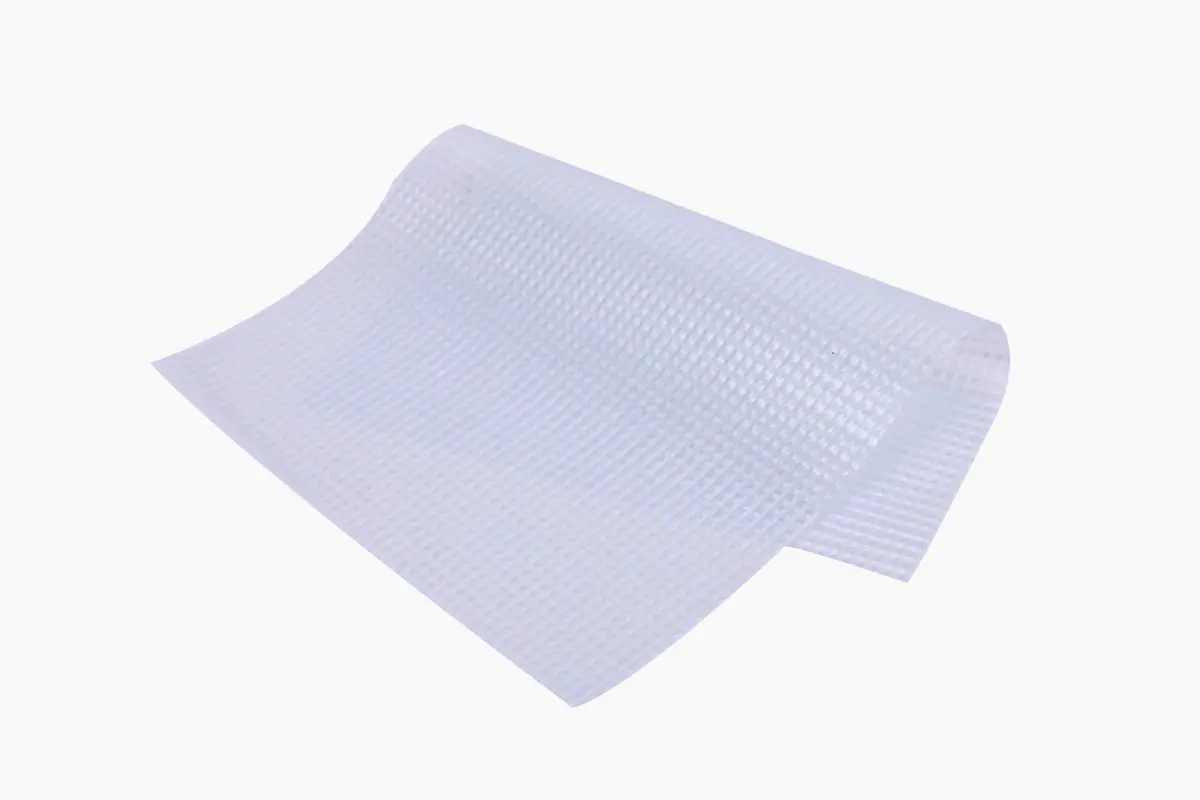 Industrial-Grade Reinforced UV-Resistant Clear Tarpaulin
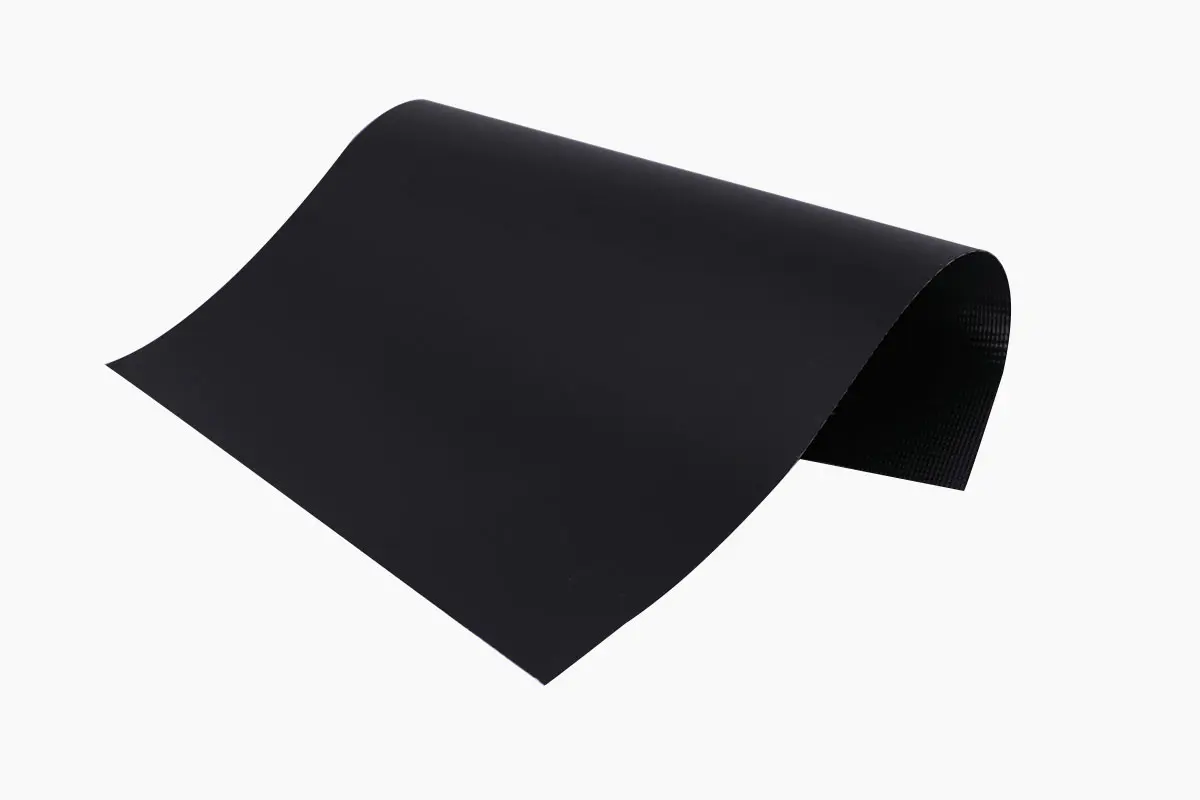 Fire-Retardant Professional-Grade Industrial Tarpaulin
 Anti UV Long Lasting Blackback Outdoor flex Banner Fabric
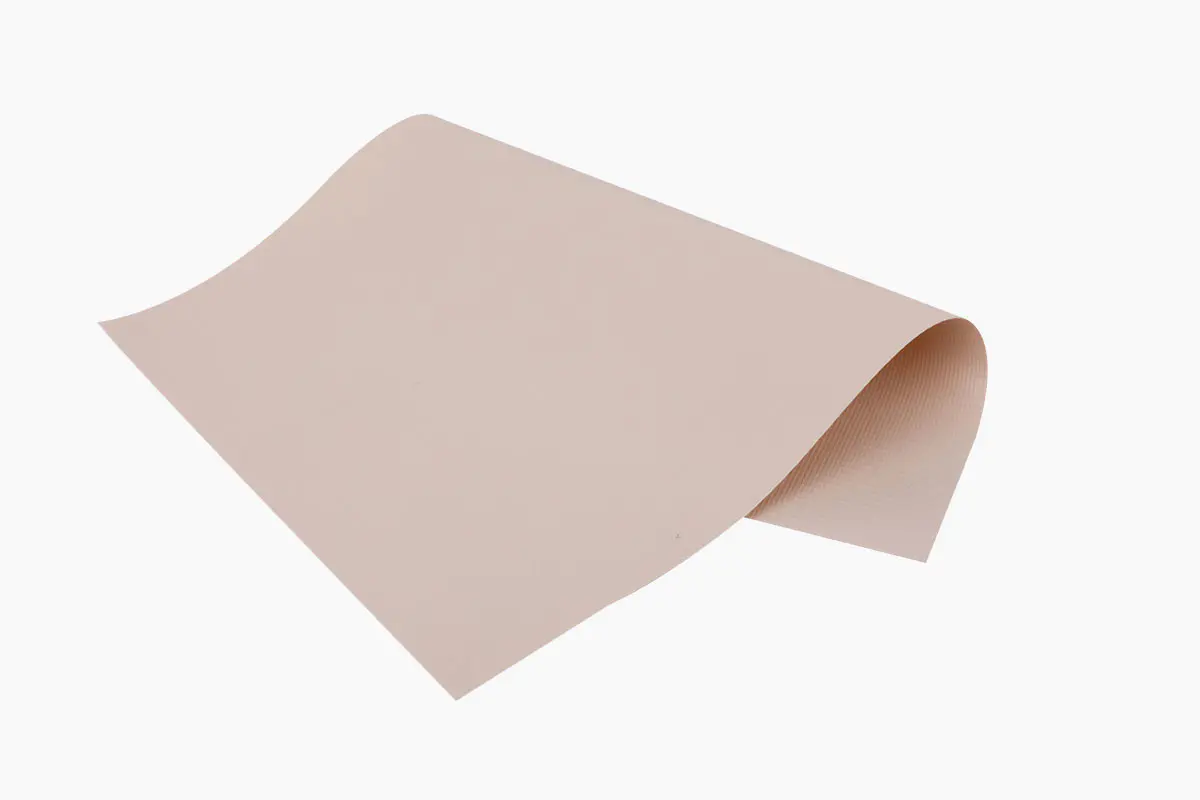 Heavy-Duty Reinforced Waterproof Tarpaulin
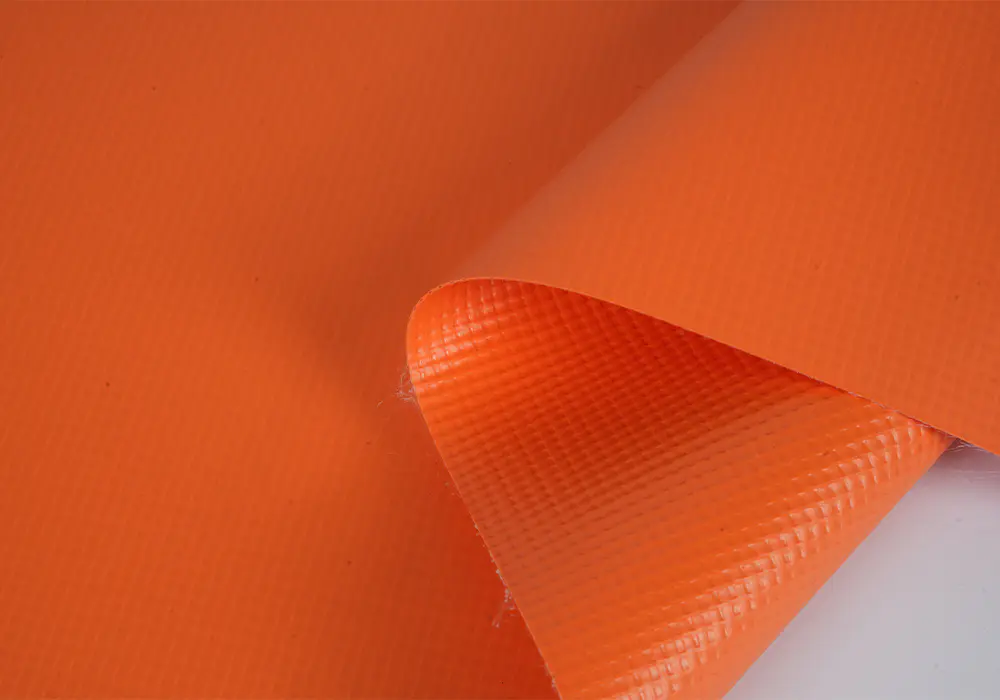 High Strength Wind Resistant Tarpaulin For Air Duct Wind Sleeve
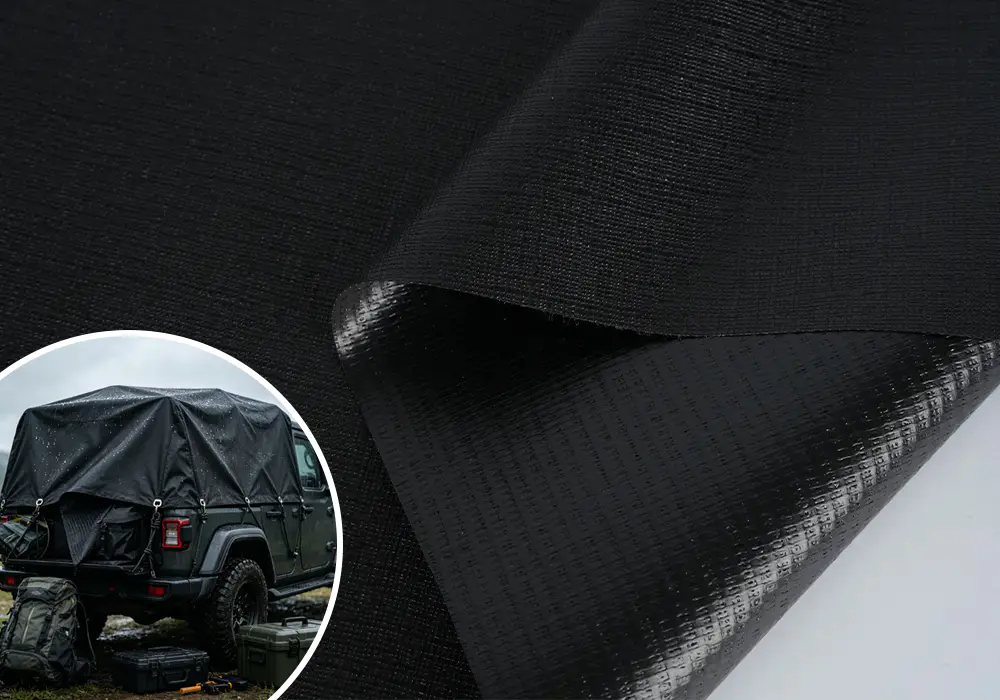 Weatherproof Printable Waterproof Tarpaulin For Camper RV
 Custom Digital Printing Fabric Manufacturers
 Previous