

 English
  中文简体
中文简体  Español
 News
Home / News / Industry News / What is the best tarp for outdoor use?: Practical Applications, Selection, Performance


Content
Outdoor tarpaulins protect equipment, materials, and structures from sun, rain, wind, and contamination across construction, agriculture, logistics, and event management. There is no universal answer to the question of what is the best tarp for outdoor use; the correct product is the one whose material composition, weight, and finishing treatments match the conditions it will face. This guide explains the technical criteria behind tarp selection, compares the main material families, and outlines the design details that determine long-term outdoor performance.
Evaluating tarps on the basis of a single feature, such as thickness or price, leads to poor purchasing decisions. Four interconnected criteria define the actual performance of a tarp in outdoor service: the base fabric, the coating system, the finishing treatments, and the mechanical construction. Each criterion needs to be assessed in relation to the others.
The base fabric carries the mechanical load of the tarp. It resists tearing, puncture, and stretching forces caused by wind and handling. In industrial-grade tarps, GSM is the standard measure of material density. Tarps below 120 GSM are intended for light indoor or very short-term outdoor jobs. The 180 to 220 GSM range covers most general construction and agricultural uses. Products exceeding 250 GSM are engineered for continuous outdoor exposure and repeated handling.
The coating is the barrier between the base fabric and the environment. A quality coating system bonds to the fabric, seals the surface, and prevents water from wicking through the yarns. The coating must remain flexible when the tarp is folded repeatedly, resist cracking in cold temperatures, and hold its integrity under rain pooling and UV radiation. Poor coating adhesion leads to flaking, water ingress, and rapid material failure.
Ultraviolet radiation is the primary degradation factor for outdoor textiles. A tarp without UV stabilization will lose strength, stiffen, fade, and eventually crack within a single season. Properly formulated tarps contain light stabilizers in the coating and film layers that protect the polymer structure. Thermal resistance must also match the climate: hot environments demand coatings that avoid softening, while cold climates require materials that do not become brittle and crack during winter handling.
The points where tarps connect to structures are frequent failure locations. Durable tarps feature folded reinforced hems, corrosion-resistant grommets, and stress patches at corners. When tension is applied through ropes or straps, the load passes from the grommet into the fabric. If this transition area is not reinforced, the first strong wind gust can tear the grommet straight out of the panel.
Four material families dominate the outdoor tarp market. Each family offers a distinct combination of strength, weight, waterproofing, UV performance, and cost. The comparison table below provides a starting point for shortlisting suitable products.
| Parameter | Polyethylene | PVC-Coated Polyester | Canvas | Mesh |
|---|---|---|---|---|
| Typical Weight (GSM) | 80 - 220 | 300 - 1000 | 200 - 500 | 100 - 250 |
| Waterproofing | Good for short-term use | Excellent for long-term use | Moderate after treatment | Not waterproof |
| UV Resistance | Moderate | Excellent | Good after treatment | Good |
| Primary Applications | Budget covers, temporary protection | Construction, logistics, permanent covers | Breathable shade, painting screens | Wind-pass shade, debris containment |
Polyethylene tarps offer the lowest acquisition cost and adequate performance for short-term projects. PVC-coated polyester tarps provide the highest durability under continuous UV exposure and mechanical stress, making them the preferred choice for industrial and export applications. Canvas tarps allow air exchange and are used where breathability is important. Mesh tarps reduce wind load while providing shade, which is valuable for scaffolding enclosures and storage yards.
Technical datasheets use terms that can be confusing. The following definitions clarify the most relevant metrics for comparing tarps from different suppliers.
When requesting technical documentation, check whether the declared values refer to the finished coated material or only to the base fabric. The coating contributes significantly to the final strength and waterproofing, so this distinction matters in real performance.
The selection process becomes more straightforward once the intended use is defined. Below are the most common outdoor applications and the tarp characteristics that matter most in each context.
Construction sites use tarps to weatherproof scaffolding, protect fresh concrete, cover building materials, and contain dust during renovation work. These conditions demand high tear resistance, dense tie-down points, and consistent waterproofing. Heavy polyethylene tarps between 180 and 220 GSM suit temporary works. Long-term construction scheduling, extending beyond a single season, merits the additional cost of PVC-coated products.
Agricultural tarps cover silage piles, protect hay and grain storage, suppress weeds, and shield crops from frost or excessive sunlight. Black tarps are effective where complete light blocking is required. White or silver-coated tarps reflect sunlight and reduce heat accumulation. Because agricultural tarps are often deployed for months at a time, UV stability and puncture resistance are essential selection criteria.
Freight covers must hold their shape at highway speeds, survive constant tie-down pressure, and protect cargo from rain, road spray, and wind-blown debris. Dimensional stability prevents the cover from stretching and flapping during transit. PVC-coated polyester is frequently selected for this sector because of its low elongation, excellent weather resistance, and ease of washing between loads.
Emergency response programs require tarps that can be transported in large quantities, erected quickly, and withstand severe weather in the regions where they are deployed. Lightweight polyethylene tarps in the 120 to 150 GSM range balance portability with protective performance. For semi-permanent shelters, flame-retardant certification and UV stabilization are mandatory specifications.
Coating formulations can be adjusted during manufacturing to improve specific aspects of outdoor performance. These treatments are factory-applied and should be specified at the time of ordering.
A technically correct tarp specification always considers environmental stressors together. A flame-retardant tarp without UV stabilization will fail prematurely in a sunny climate, while a cold-flexible material without anti-mold protection will suffer in a tropical monsoon season.
The way a tarp is manufactured is as important as the fabric itself. The following construction features separate premium industrial tarps from short-lived economy products.
Buyers should ask suppliers for a cut sample to inspect these details before committing to a large order. The difference in workmanship is usually visible at the seam edges and the grommet reinforcement area.
Bulk buyers frequently operate in use cases that do not align with standard catalog sizes. Custom manufacturing resolves these mismatches by adjusting every parameter of the tarp to the exact requirements of the project. The most common customization options include:
When ordering from a manufacturing supplier, request the technical datasheet and a pre-production sample before the final batch is released. A sample allows verification of seam strength, coating adhesion, waterproofing performance, and overall dimensional accuracy under real-world installation conditions.
No material performs forever, but proper maintenance can substantially extend a tarp's useful life and protect the financial investment it represents. The following practices apply equally to polyethylene and PVC-coated tarps.
Under continuous outdoor exposure, a UV-stabilized PVC-coated polyester tarp typically lasts 5 to 10 years depending on regional sunlight intensity and wind conditions. High-grade polyethylene tarps generally last 1 to 3 seasons, after which UV degradation and flex cracking begin to appear.
For long-term outdoor use, PVC-coated polyester offers the best balance of tear strength, waterproofing, UV resistance, and dimensional stability. Polyethylene is a viable option for short-term budgets, while canvas and mesh serve specialized needs such as breathable shade or wind-pass protection.
PE tarps use a woven polyethylene mesh laminated with a protective film. They are lightweight and economical but lose flexibility as UV exposure increases. PVC tarps are built from a polyester scrim coated on both sides with a PVC compound. The result is heavier, stronger, and much more resistant to weather and mechanical wear.
The choice depends on whether light blocking or heat reflection is the priority. Black tarps absorb light and are preferred for weed control, privacy screens, and situations requiring complete darkness. White or silver-coated tarps reflect solar radiation and help keep covered spaces cooler in hot climates.
Yes. Small punctures and torn grommet areas can be patched using compatible adhesive patches or by stitching and sealing with seam tape. The repair surface must be clean and dry before application. Prompt attention prevents a localized defect from expanding under wind pressure.
Provide dimensions, material type, fabric weight in GSM, coating requirements, color, edge finishing preference, grommet type and spacing, and any regulatory or flame-retardant certification needs. Describing the expected exposure conditions also helps the manufacturer recommend the appropriate construction for your application.
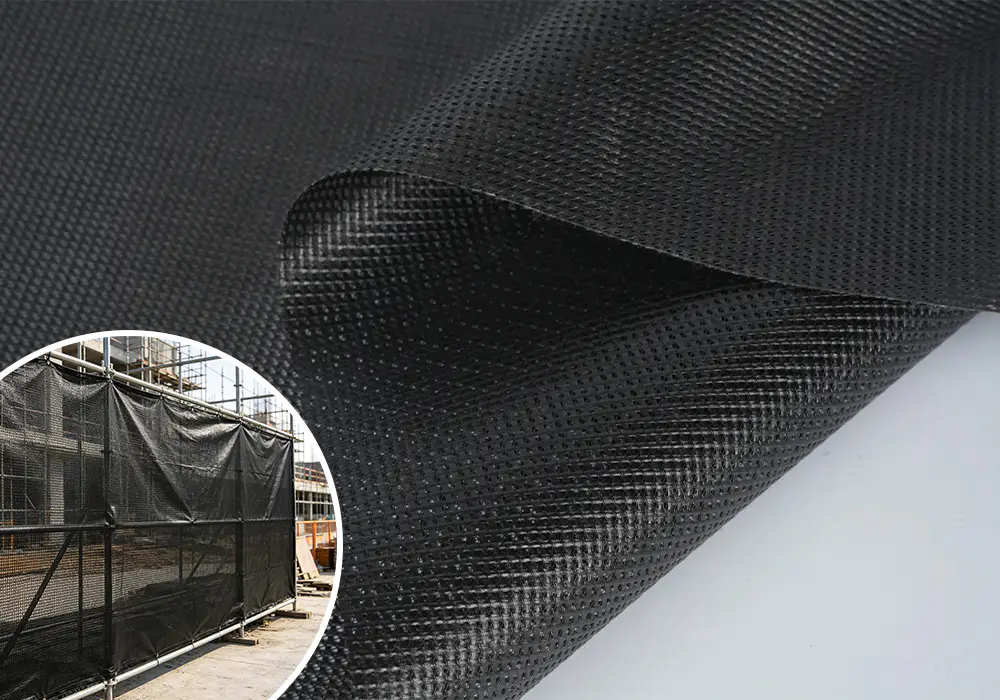 All Weather Heavy Duty Mesh Tarpaulin for Barrier Fencing
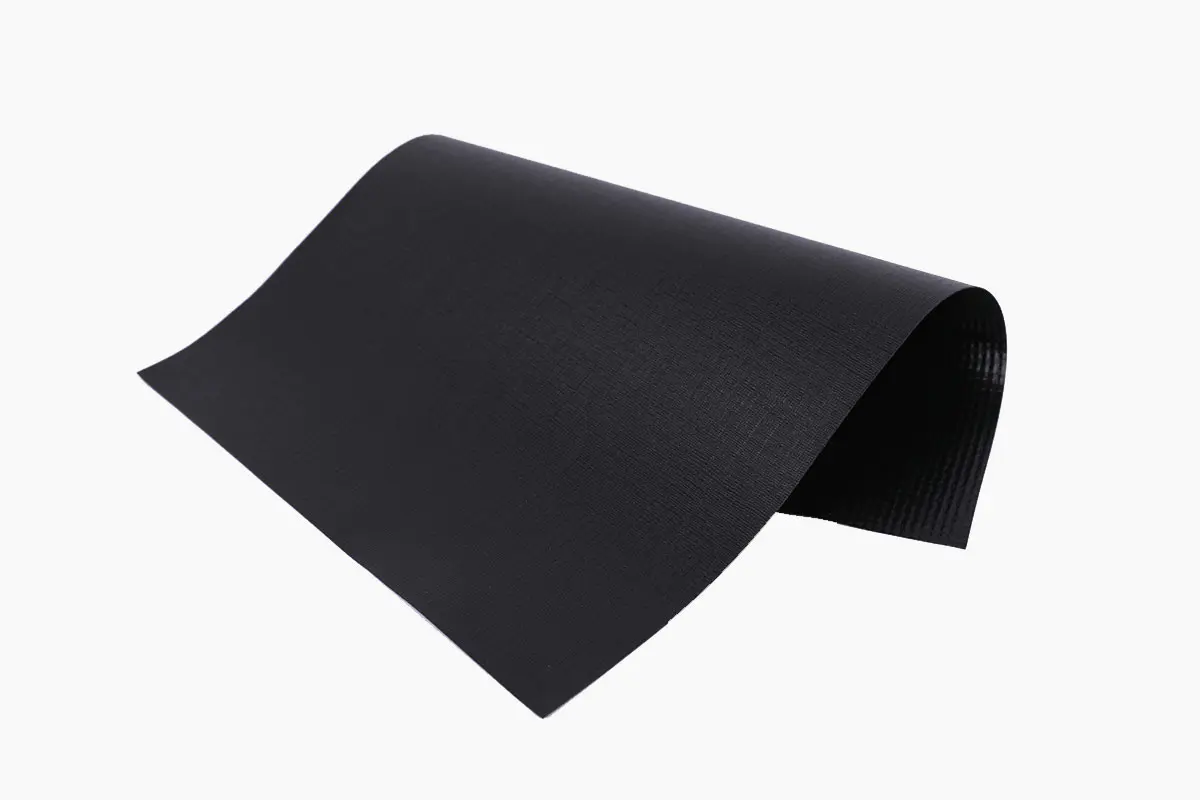 Heavy-Duty High-Performance Camouflage-Printed Tarpaulin
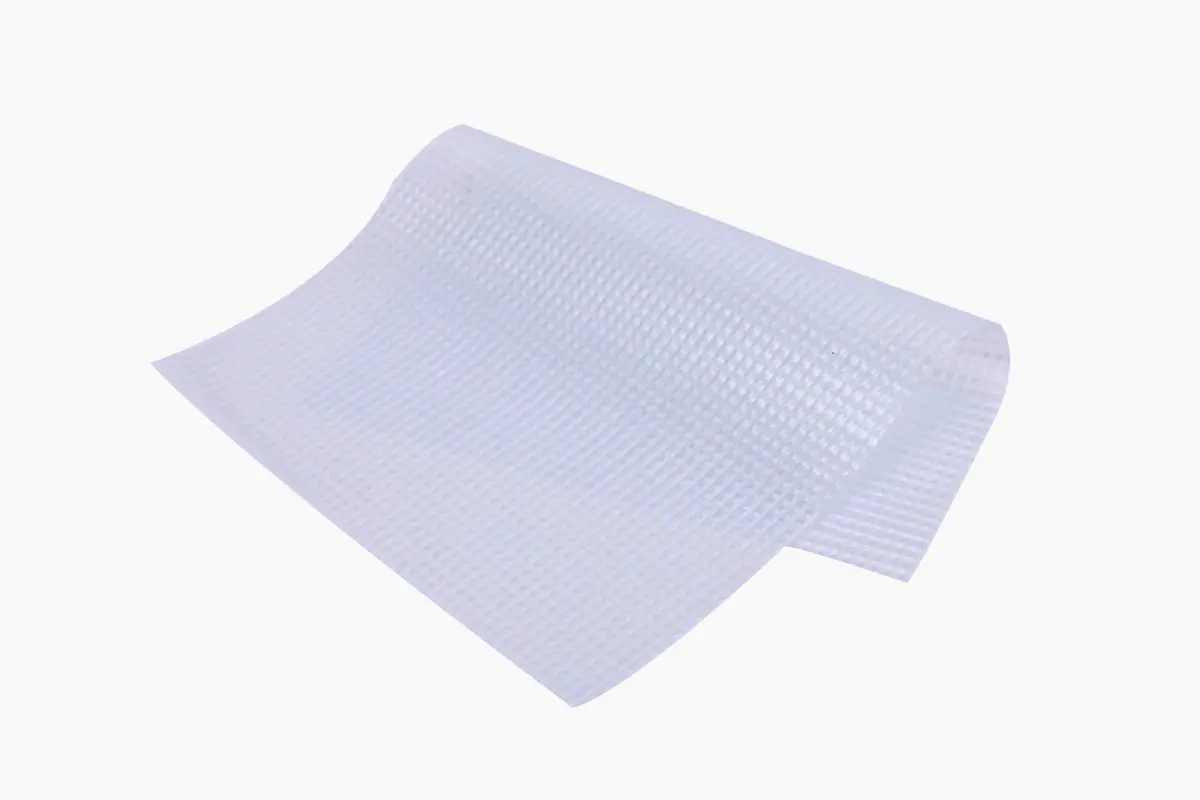 Industrial-Grade Reinforced UV-Resistant Clear Tarpaulin
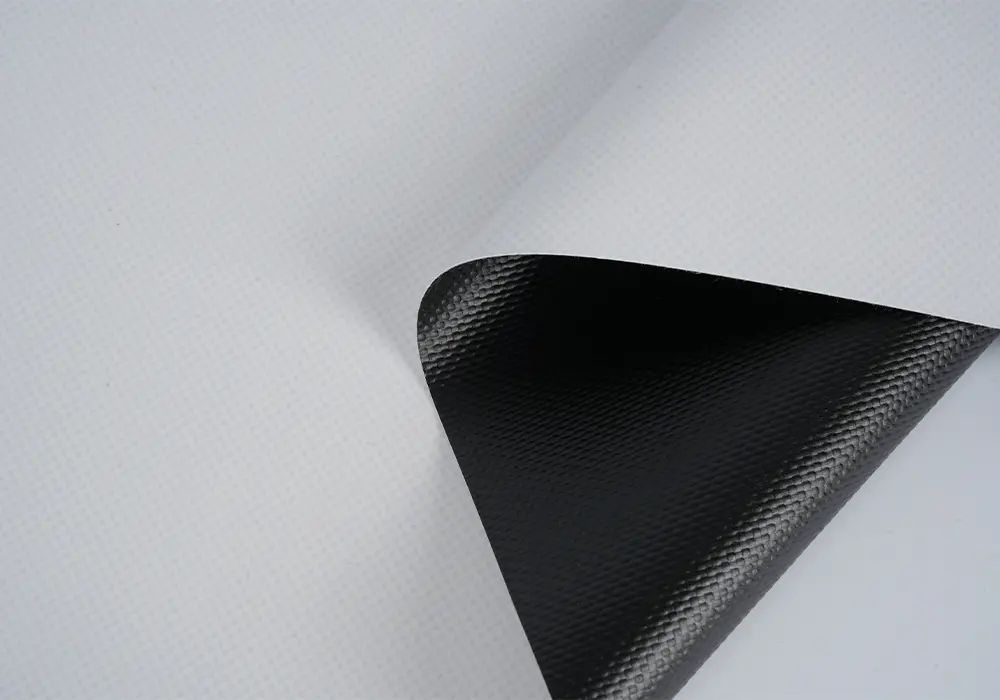 Weatherproof Blackback Opaque Advertising Flex Banner
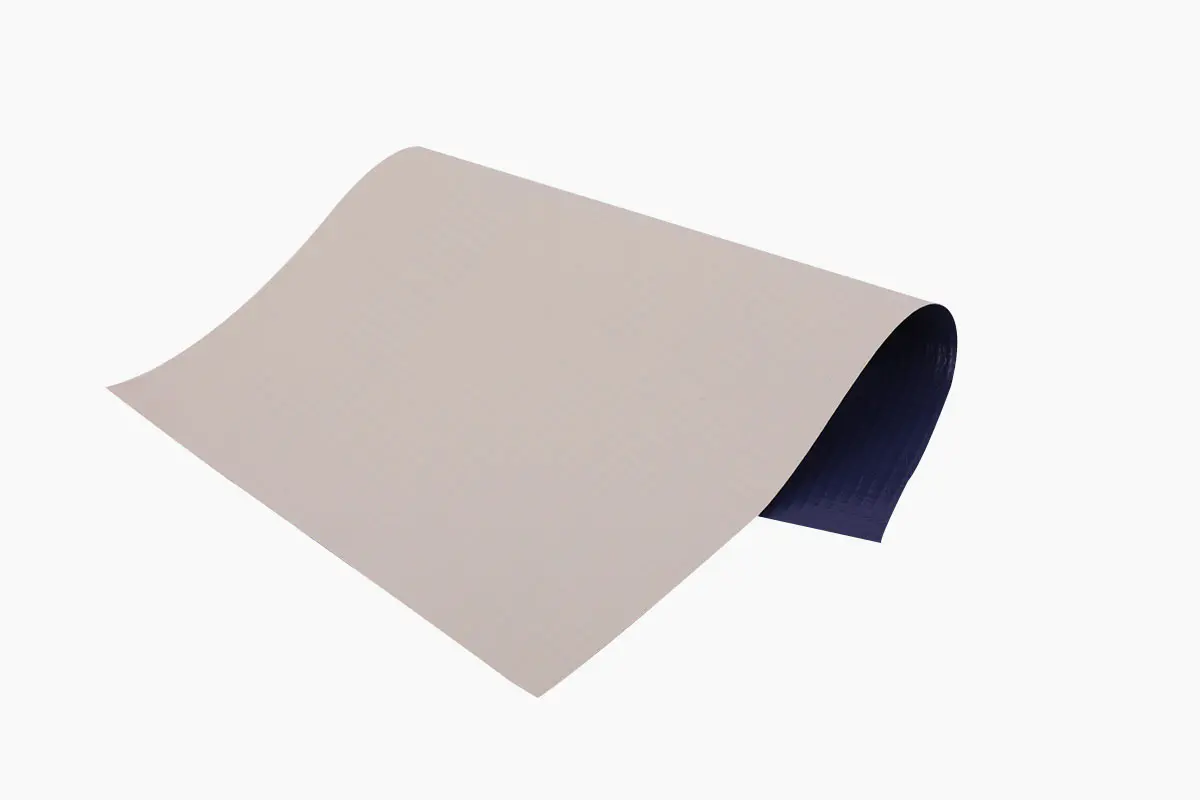 Premium Tear-Resistant All-Weather UV-Resistant Tarpaulin Fabric
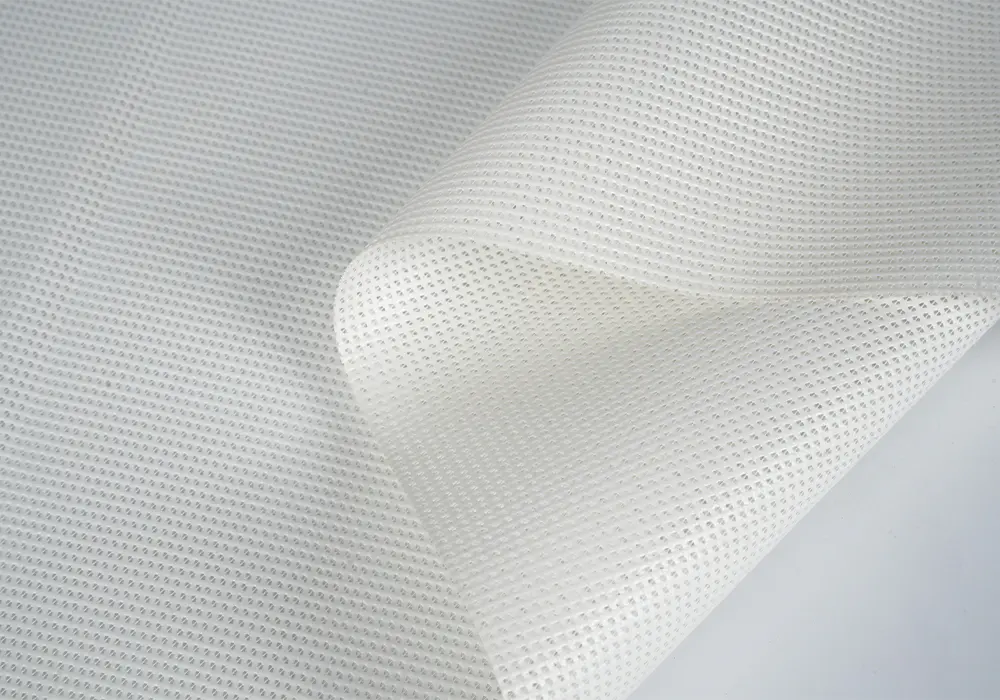 Dense Weave Light Block Mesh Tarpaulin for Commercial Display
 Custom Digital Printing Fabric Manufacturers
 Previous