

 English
  中文简体
中文简体  Español
 News
Home / News / Industry News / PE vs PVC vs Canvas Tarpaulin: The Ultimate Buyer’s Guide to Choosing the Right Material


Content
Meta Title: How to Choose Tarpaulin Material: PE vs PVC vs Canvas Guide Keywords: tarpaulin, PE tarpaulin, PVC tarpaulin, canvas tarpaulin, heavy duty tarpaulin, industrial tarpaulin, tarpaulin material guide Meta Description: Learn how to choose the right tarpaulin material for your application. Compare PE, PVC, and canvas, understand specs like GSM and coatings, and find a reliable supplier. H1: How to Choose the Right Tarpaulin: PE vs PVC vs Canvas – A Complete Technical Guide
At first glance, a tarpaulin appears to be a simple sheet of material. However, the differences in material composition, weight, coating technology, and edge reinforcement directly determine how long the cover will perform and what it will cost over its lifetime. Many buyers fall into the trap of focusing solely on the purchase price while ignoring technical specifications that dramatically affect durability and total cost of ownership.
This guide is structured to help you move from a vague requirement to a confident purchasing decision. You will learn how to define your application needs, decode material specifications, compare PE, PVC, and canvas objectively, and evaluate suppliers based on consistency and quality control. By the end, you will understand why a low-priced tarpaulin often becomes the most expensive option in the long run.
Do not start by researching GSM or thickness. Begin with the end use. The physical demands of each application dictate which material characteristics are non-negotiable and which are secondary. The same tarpaulin that works perfectly for a weekend garden project will fail within weeks on a construction site.
Critical guidance: For each scenario, list the top three performance requirements. For truck covers, that might be tear strength, UV resistance, and abrasion resistance. For agricultural storage, breathability, water resistance, and UV stability take priority. This list becomes your specification checklist when evaluating materials.
The market offers three primary material families, each with distinct performance profiles. Do not be misled by generic labels such as "heavy duty" or "waterproof" – these terms have different meanings depending on the manufacturer's standards.
| Material | Advantages | Best Applications | Limitations |
|---|---|---|---|
| PE / Poly | Lightweight, low cost, decent water resistance for short-term use | Temporary covers, DIY projects, budget-sensitive jobs | Poor UV stability, tears easily under wind stress, limited lifespan outdoors |
| PVC Coated Polyester | Superior waterproofing, weldable seams, UV-resistant options, long service life | Truck covers, industrial shielding, long-term outdoor storage | Higher initial cost, heavier, requires proper seam welding for full performance |
| Canvas | Breathable, reusable, natural feel, good for moisture-sensitive goods | Equipment covers requiring airflow, wood protection, vintage applications | Absorbs water unless treated, needs regular maintenance, heavier when wet |
One of the most common errors is substituting PE for PVC in long-term outdoor scenarios. While both materials are waterproof in a laboratory test, PE degrades rapidly under UV exposure – typically losing 50% of its tensile strength within 3-6 months of continuous sunlight. PVC-coated polyester, with proper UV stabilizers, retains over 80% of its initial strength after 24 months of outdoor exposure in similar conditions.
Understanding technical specifications is the key to comparing products from different suppliers. Here is what each spec actually means in real-world performance.
Supplier specification checklist: When requesting quotes, always ask for the following: 1) Exact GSM and tolerance range, 2) Base fabric yarn denier and weave count, 3) Coating type and thickness in microns, 4) UV stabilizer type and expected service life in your region, 5) Seam weld strength test results, 6) Grommet pull-out force rating.
Consistency is the hallmark of export-quality production. A reliable supplier does not simply deliver one good batch – they reproduce the same quality parameters across every order. This repeatability is what separates professional manufacturers from occasional traders.
Total cost of ownership calculation: Consider a 500 GSM PE tarp priced at 1.2 per square meter with a 6-month replacement cycle versus a 650 GSM PVC tarp at 3.8 per square meter with a 36-month service life. Over three years, the PE option costs 1.2 x 6 replacements = 7.2 per square meter, while the PVC option costs 3.8 x 1 replacement = 3.8. The premium material delivers a 47% cost saving over the same period.
PE (polyethylene) tarpaulins are lightweight, low-cost covers made from woven polyethylene with a laminated coating. They are suitable for temporary applications but degrade under UV exposure. PVC-coated polyester tarpaulins use a woven polyester base with a liquid PVC coating applied via knife coating or lamination. They offer superior waterproofing, weldable seams, and significantly longer outdoor service life, at a higher initial cost.
Service life depends on material, UV stabilizers, and environmental conditions. A standard PE tarp without special UV protection typically lasts 3-6 months in direct sunlight. A PVC-coated polyester tarp with high-performance UV inhibitors can last 3-5 years under similar conditions. Canvas tarpaulins treated with water repellent and UV protectants may last 2-4 years but require periodic re-treatment.
For truck side curtains and flatbed covers, a GSM range of 550 to 750 is typical for standard-duty applications. Heavy-duty transport, such as logging or steel coil covering, often requires 900 to 1200 GSM with additional reinforcement. Always balance GSM with base fabric strength – a 600 GSM tarp with a high-denier scrim can outperform a 750 GSM tarp with a weak base.
Yes, most industrial suppliers offer custom sizing. Specify the length, width, hem type, grommet spacing, and seam configuration. For PVC materials, welded seams are preferred for custom sizes to maintain full waterproof integrity. Expect a minimum order quantity for custom productions, typically ranging from 500 to 1000 square meters depending on the supplier.
Export-quality refers to material produced to consistent, verifiable specifications that meet international standards. It implies rigorous quality control, batch traceability, and testing according to methods such as ISO or ASTM. Export-quality tarpaulins are characterized by tight GSM tolerances, reliable UV performance, and documented tensile strength values, ensuring predictable performance in demanding applications.
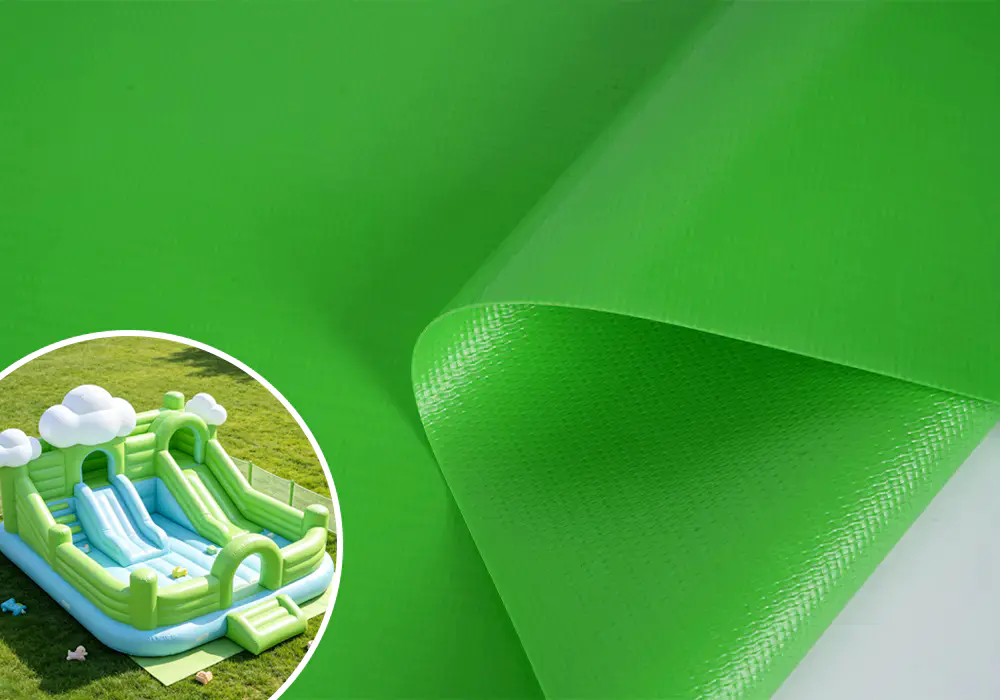 Soft Safe PVC Tarpaulin For Kids Inflatable Castle
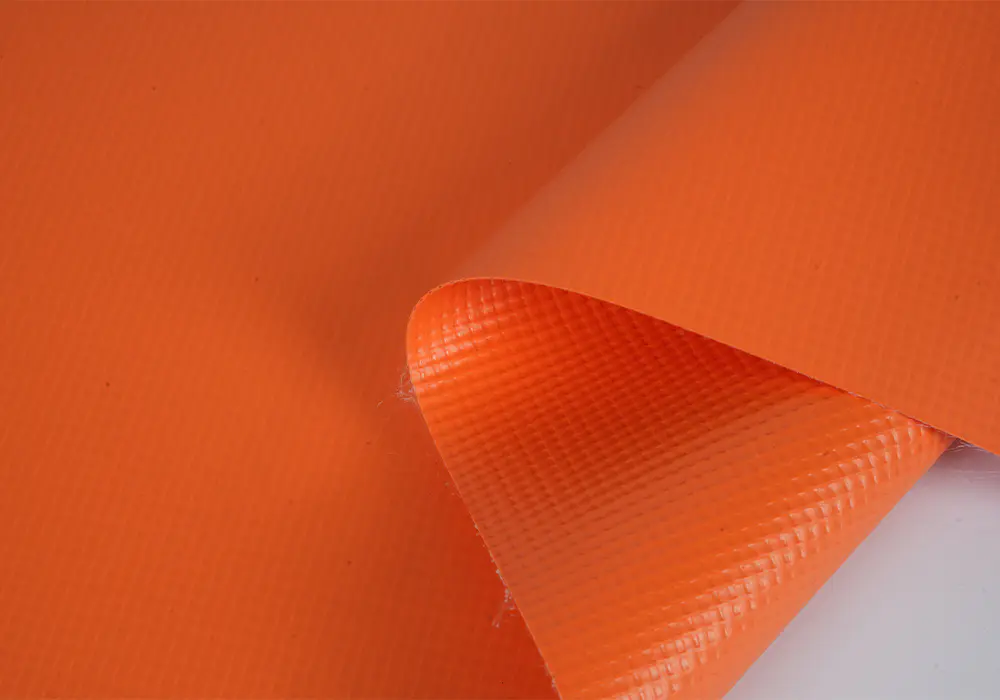 Flexible Wear Resistant PVC Tarpaulin For Luggage Bags
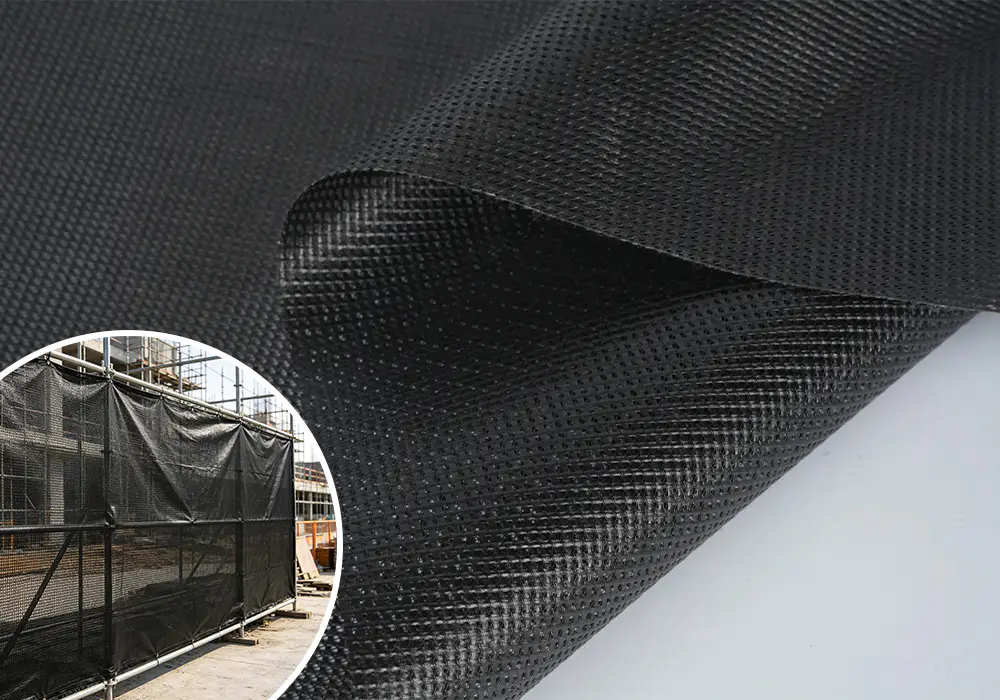 All Weather Heavy Duty Mesh Tarpaulin for Barrier Fencing
 Premium Tear-Resistant All-Weather UV-Resistant Tarpaulin Fabric
 Multi-Purpose Insulated Cold-Weather Tarpaulin
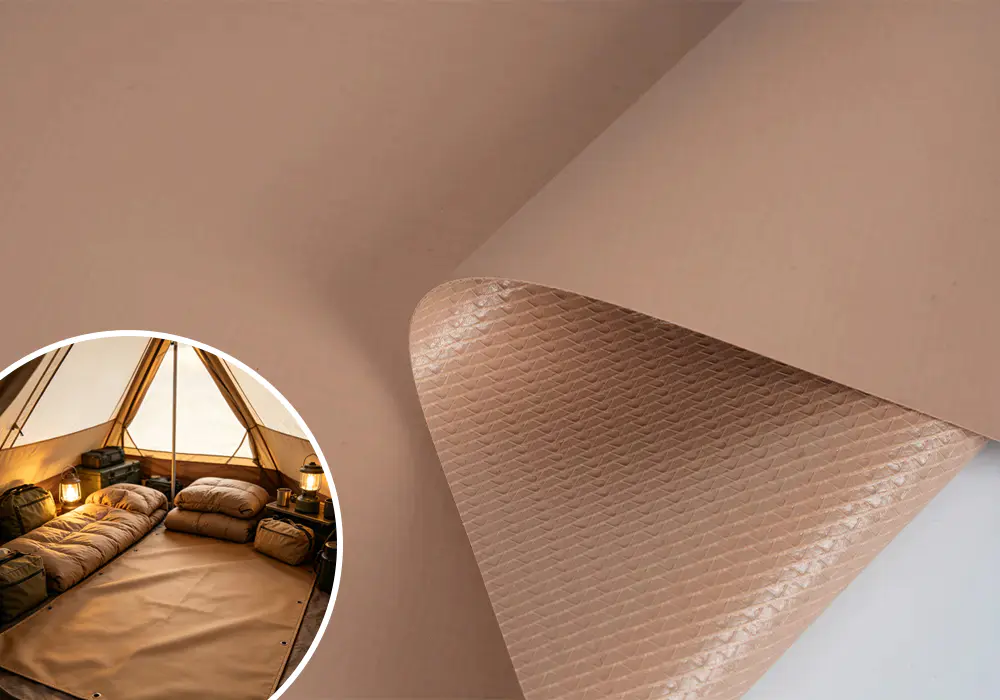 Moisture Proof Wear Resistant Tarpaulin For Tent Floor Mat
 Custom Digital Printing Fabric Manufacturers

 Previous