

 English
  中文简体
中文简体  Español
News
Content
- 1 What Is a PVC Flex Banner?
- 2 Types of PVC Flex Banners
- 3 Manufacturing Process and Quality Standards
- 4 Key Advantages of PVC Flex Banners
- 5 Primary Applications Across Industries
- 6 PVC Flex Banner vs Other Advertising Materials
- 7 How to Choose the Right PVC Flex Banner
- 8 Maintenance and Storage Guide
- 9 Future Trends
- 9.1 Eco-Friendly Materials
- 9.2 Improved Printing Technologies
- 9.3 Lightweight High-Strength Materials
- 9.4 What is the difference between frontlit and backlit PVC flex banners?
- 9.5 How long do PVC flex banners last outdoors?
- 9.6 Can PVC flex banners be recycled?
- 9.7 What printing methods are compatible with PVC flex banners?
- 9.8 How do I choose the right banner weight?
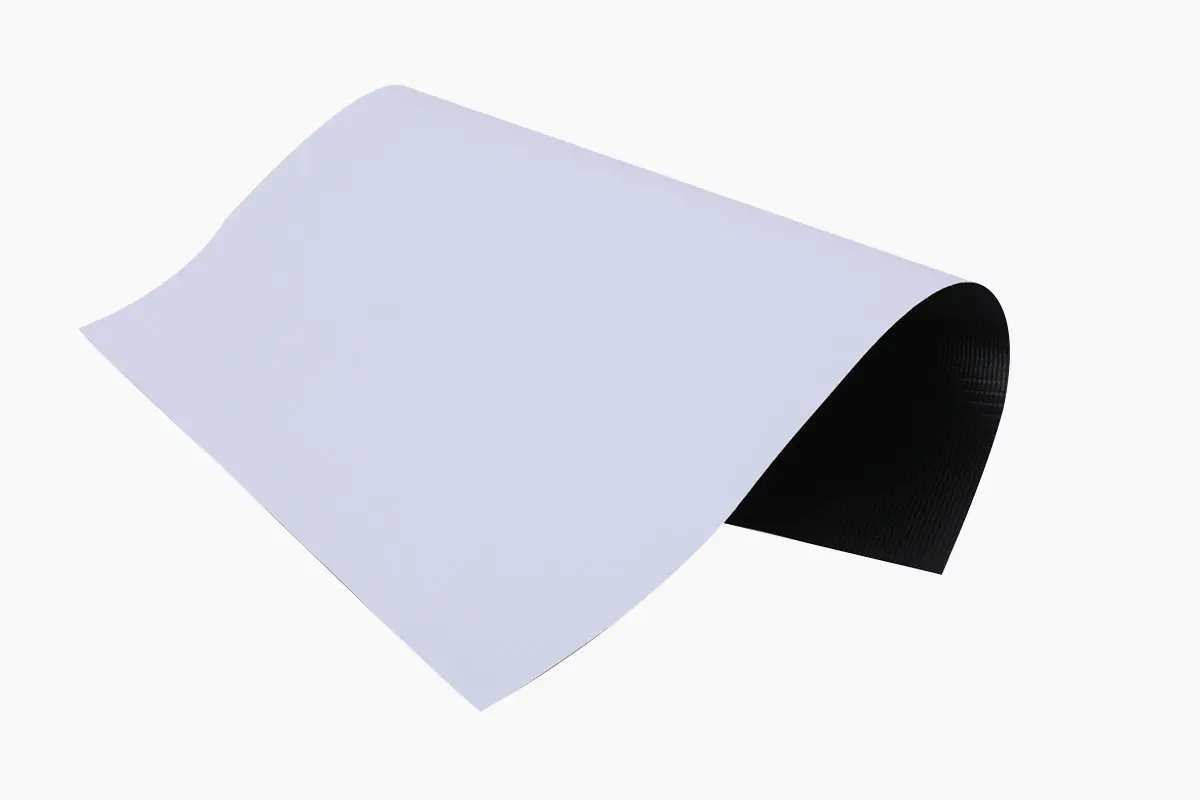
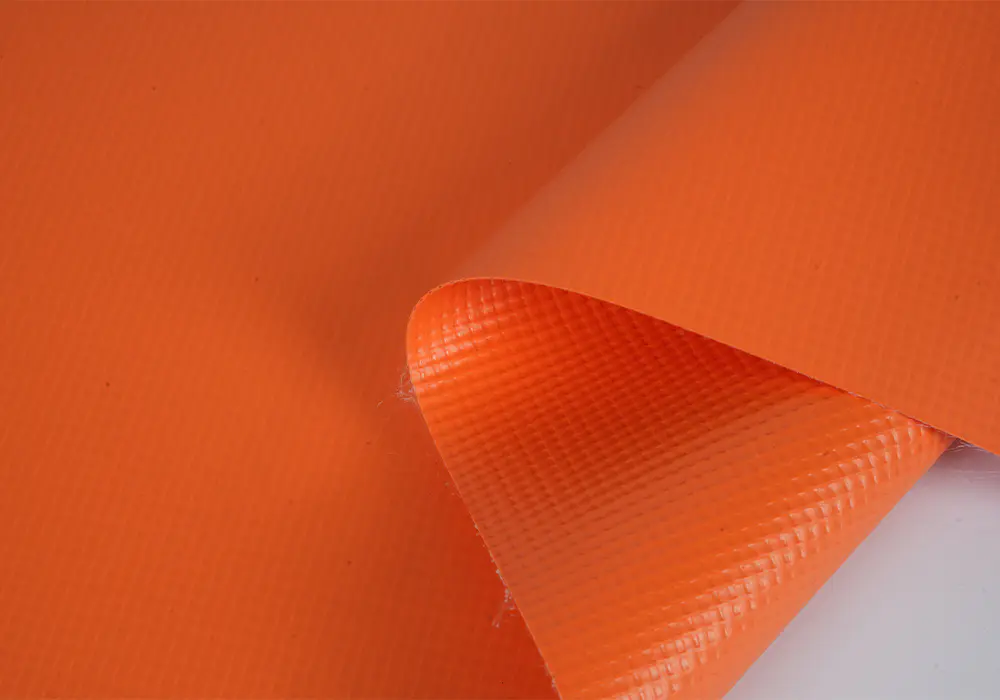
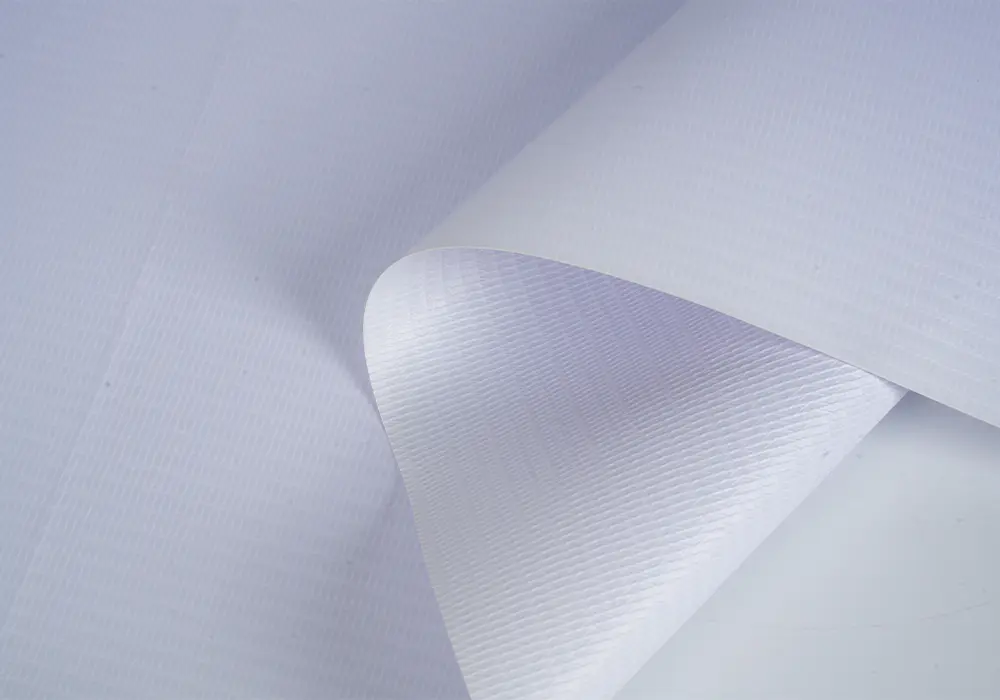
A PVC flex banner is a flexible advertising material made from PVC-coated fabrics designed for large-format printing, outdoor displays, and promotional applications. These versatile materials are essential in outdoor advertising, trade shows and exhibitions, retail promotions, event signage, building advertisements, and commercial branding projects. Advertising companies, printing service providers, signage manufacturers, and marketing distributors choose PVC flex banners for their excellent printability, weather resistance, flexible installation options, cost-effective performance, and large-scale display capability. PVC flex banner selection directly affects image quality, outdoor durability, advertising effectiveness, installation efficiency, and project cost control.
What Is a PVC Flex Banner?
A PVC flex banner is a flexible advertising sheet produced by combining polyester fabric reinforcement with PVC coating layers. Understanding the structure and components helps buyers evaluate quality and performance.
Structural Components and Their Functions
Every PVC flex banner consists of seven essential components working together to deliver advertising performance:
- PVC coating layer: Provides waterproof protection and a smooth printing surface for high-quality graphics.
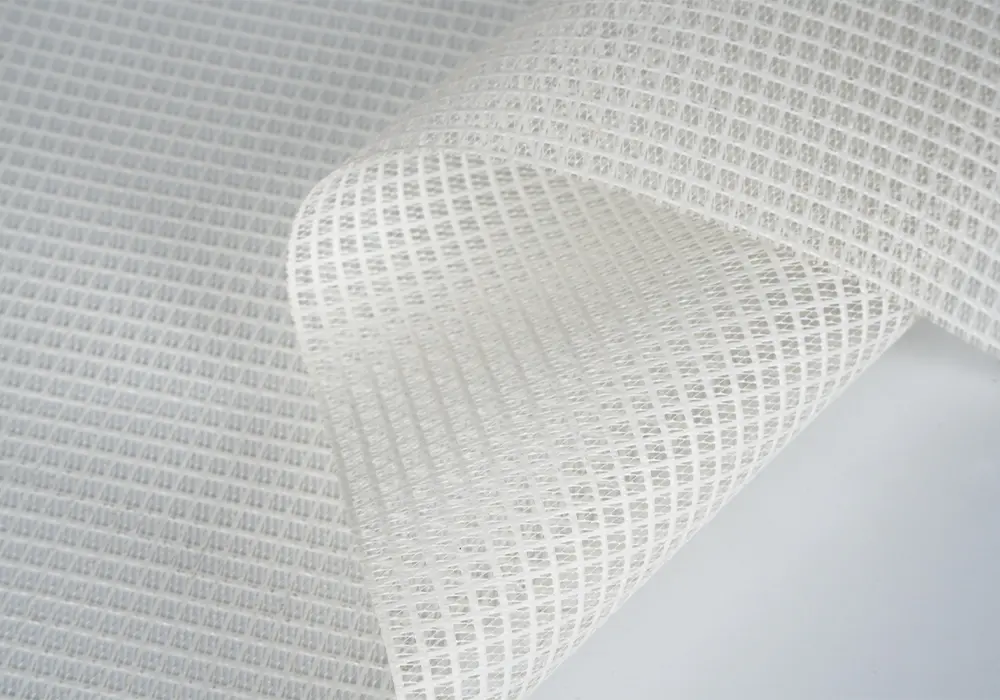
- Polyester mesh fabric: Improves tensile strength and dimensional stability, preventing stretching and deformation.
- Surface treatment layer: Enhances printing performance and ensures strong ink adhesion for long-lasting graphics.
- Adhesive layer: Enables bonding when required for specific applications and installation methods.
- Reinforced edges: Prevent tearing and extend the service life of the banner in outdoor conditions.
- Eyelets or mounting holes: Support secure installation on structures, buildings, and display frames.
- UV protective coating: Shields graphics from ultraviolet degradation, maintaining color vibrancy over time.
How PVC Flex Banners Work
The PVC surface receives printed graphics through digital or screen printing processes. Ink bonds with the coated surface for durable adhesion. The flexible structure allows folding for easy transportation and storage. Reinforced material supports outdoor display in various weather conditions. Key performance factors include print quality (resolution and color accuracy), ink adhesion (durability), tensile strength (resistance to stretching), waterproof capability (moisture protection), and UV resistance (sunlight durability).
1 Base fabric production
2 PVC coating & lamination
3 Surface treatment
4 Quality testing & inspection
Types of PVC Flex Banners
PVC flex banners are available in various configurations to suit different advertising applications, lighting conditions, and performance requirements.
| Banner Type | Key Features | Best Applications | Performance Characteristics |
| Frontlit | Smooth front surface, good color reproduction | Outdoor advertising, retail signs | Daylight viewing, vibrant colors |
| Backlit | Light transmission, illuminated display capability | Light boxes, shopping centers | Night visibility, glow effect |
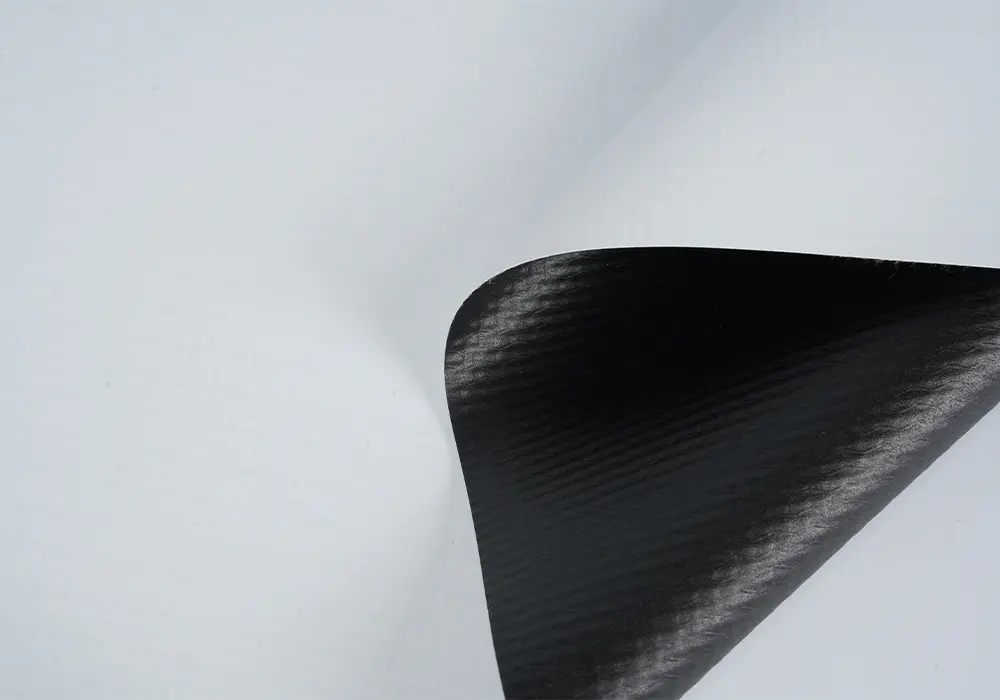
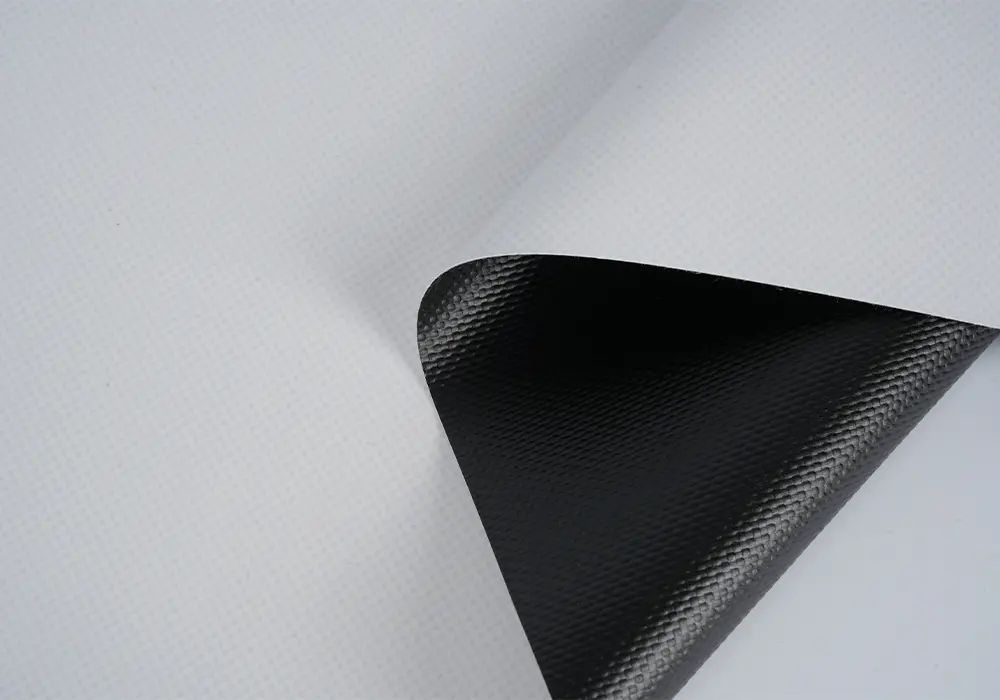
| Blockout | Black middle layer, light blocking | Hanging banners, exhibition displays | Double-sided printing, opacity |
| Mesh | Perforated structure, wind resistance | Building wraps, large outdoor advertising | Wind reduction, lightweight |
| Coated | Smooth surface, high durability | Commercial signage, promotional displays | Premium finish, long lifespan |
| Custom Solutions | Size, thickness, finish, fire retardant, UV coating | Large projects, OEM printing | Tailored specifications |
Select the right banner type based on your application requirements. Frontlit for standard outdoor advertising; backlit for illuminated displays; blockout for double-sided hanging banners; mesh for wind-resistant installations; coated for premium finishes; custom for specific project requirements.
Manufacturing Process and Quality Standards
PVC flex banners undergo a precision manufacturing process that ensures performance, durability, and printability. Understanding this process helps buyers evaluate supplier capabilities and product quality.
Base Fabric Production and Material Preparation
The manufacturing process begins with polyester yarn preparation and mesh weaving. Fabric inspection ensures quality before treatment. Common materials include polyester fiber (strength), PVC resin (durability), plasticizers (flexibility), and stabilizers (weather resistance). Fabric strength, flexibility, and dimensional stability are critical for banner performance.
PVC Coating and Lamination Process
Production methods include PVC coating (applying liquid PVC to fabric), laminating layers (bonding materials together), surface finishing (smoothing texture), and texture processing (creating specific surfaces). These processes deliver improved durability, better printing surfaces, and enhanced weather resistance.
Surface Treatment and Printing Preparation
Processes include surface smoothing (leveling irregularities), chemical treatment (improving adhesion), and printing compatibility enhancement (preparing for ink acceptance). Requirements include strong ink adhesion, high color accuracy, and smooth printing results for professional-quality graphics.
Quality Testing and Performance Inspection
PVC flex banners undergo comprehensive testing: tensile strength testing (fabric resistance), tear resistance testing (edge durability), printing performance testing (image quality), waterproof testing (moisture protection), and UV aging testing (sunlight durability). Quality requirements include stable performance, long outdoor lifespan, and consistent appearance across all production batches.
Key Advantages of PVC Flex Banners
The value proposition of PVC flex banners extends beyond basic signage — delivering critical benefits for advertising and promotion.
Printing Performance
Smooth printing surface enables high-resolution image reproduction and strong color expression — delivering clear advertising graphics and improved visual communication for brand messaging.
Weather Resistance
Waterproof coating, UV resistance, and temperature adaptability enable long-term outdoor use with reduced replacement frequency — protecting advertising investment.
Flexible Installation
Lightweight structure, easy cutting and folding, and convenient installation reduce transportation costs and enable faster project deployment for time-sensitive campaigns.
Cost Effectiveness
Affordable production, large display coverage, and reusable applications make PVC flex banners suitable for large advertising campaigns with better marketing budget efficiency.
Primary Applications Across Industries
The versatility of PVC flex banners makes them suitable for a broad spectrum of advertising and display applications.
- Outdoor advertising and billboard displays: Billboards, street advertisements, and building banners requiring weather resistance, high visibility, and long-term outdoor performance.
- Trade shows and exhibition displays: Exhibition booths, promotional backgrounds, and event decorations requiring easy installation, high-quality printing, and professional appearance.
- Retail and commercial promotion: Store promotions, shopping mall advertising, and seasonal campaigns requiring attractive graphics, fast production, and flexible sizes.
- Printing companies and advertising material distribution: Printing companies, signage manufacturers, and advertising agencies prioritizing material consistency, supply capacity, and printing compatibility.
PVC Flex Banner vs Other Advertising Materials
Making an informed decision requires understanding how PVC flex banners compare to alternative advertising materials.
PVC Flex vs Fabric Banner
PVC flex offers superior weather resistance, durability, and cost-effectiveness for outdoor use. Fabric banners provide better drape and aesthetics for indoor applications. Choose PVC flex for outdoor and durable signage; fabric for interior and premium displays.
Frontlit vs Backlit PVC Banners
Frontlit banners are designed for daylight viewing with vibrant colors. Backlit banners allow light transmission for illuminated displays with enhanced nighttime impact. Choose frontlit for standard outdoor use; backlit for light box applications.
PVC Flex vs Vinyl Film
PVC flex offers higher tensile strength and flexibility for large displays. Vinyl film provides excellent print quality for smaller applications. Choose PVC flex for large-format outdoor advertising; vinyl for detailed graphics and smaller signage.
How to Choose the Right PVC Flex Banner
Selecting the optimal PVC flex banner involves evaluating both the product and the manufacturer.
Key Manufacturer Evaluation Factors
For printing companies and advertising buyers, supplier selection is critical. Assess potential manufacturers on: manufacturing experience (proven track record), material quality (consistent performance), printing compatibility (ink acceptance), production capacity (volume and lead time), quality control (testing and certification), and customization capability (design flexibility).
Critical Technical Specifications
When comparing products, examine these key parameters: fabric weight (GSM — durability), thickness (strength), width (printing capacity), tensile strength (stretch resistance), tear strength (edge durability), printing compatibility (ink adhesion), UV resistance (fading protection), and fire resistance (safety compliance). Specification tables from reputable manufacturers provide essential data for informed decision-making.
Maintenance and Storage Guide
Proper care of PVC flex banners extends service life and maintains appearance.
Regular
- Clean surface with mild soap and water
- Inspect for tears or damage
- Check eyelets and edges
Storage
- Roll rather than fold to prevent creasing
- Store in cool, dry conditions
- Avoid sharp objects and abrasion
Protection
- Apply anti-UV coating if needed
- Reinforce edges for high-wind areas
- Inspect regularly during installation
Common Issues and Solutions
- Surface cracking: Usually caused by exposure to extreme cold or UV degradation — select appropriate material for the climate and consider protective treatments.
- Color fading: Results from prolonged UV exposure — use UV-resistant materials and coatings to protect graphics and maintain brand appearance.
- Ink peeling: Caused by poor ink adhesion or incompatible printing — verify printing compatibility and use appropriate inks and surface treatments.
- Tear damage: Occurs from wind stress or improper handling — reinforce edges, use appropriate grommets, and ensure proper installation tension.
Future Trends
The PVC flex banner industry continues to evolve with technological advances and changing market demands.
Eco-Friendly Materials
Recyclable PVC alternatives and sustainable production methods are becoming available. Eco-friendly banners with reduced environmental impact are being developed for environmentally conscious advertising and branding.
Improved Printing Technologies
Advanced digital printing with higher resolution and faster production enables more detailed and vibrant graphics. New ink technologies provide better adhesion, color accuracy, and environmental compliance.
Lightweight High-Strength Materials
New material formulations reduce weight while maintaining strength, enabling easier installation and reduced transportation costs. Improved durability extends service life and reduces replacement frequency.
Frontlit banners have a smooth front surface for printing and are designed for viewing under normal daylight conditions. Backlit banners have light transmission properties and are designed for illuminated displays with light sources behind them. Choose frontlit for standard outdoor advertising; backlit for light box applications.
With proper material selection and installation, PVC flex banners typically last 2-5 years in outdoor conditions. High-quality materials with UV protection can last 3-5 years, while standard materials may need replacement every 1-2 years. Location, weather conditions, and maintenance affect actual lifespan.
Recycling options for PVC flex banners are limited but improving. Some manufacturers offer take-back programs or recycling services. Eco-friendly alternatives including PVC-free materials and recyclable options are becoming available for environmentally conscious projects.
PVC flex banners are compatible with digital printing (solvent, UV, and latex), screen printing, and offset printing. Solvent printing is most common for outdoor durability. UV printing offers fast drying and good adhesion. Verify printing compatibility with your chosen material and printing equipment.
Banner weight (GSM) affects durability, opacity, and handling. Lightweight (200-300 GSM) is suitable for temporary indoor use. Medium weight (350-450 GSM) is standard for general outdoor advertising. Heavyweight (500+ GSM) is recommended for large displays, high-wind areas, and extended outdoor use.
 Previous