

 English
  中文简体
中文简体  Español
News
Content
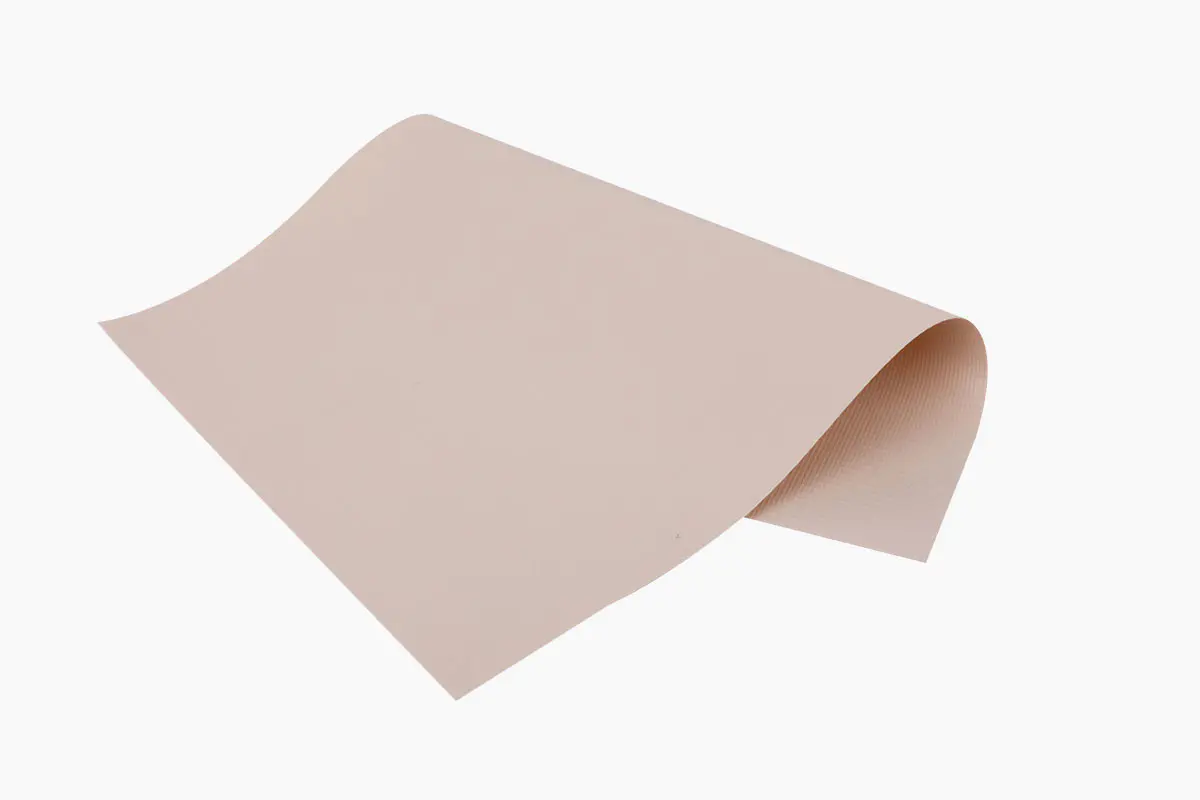
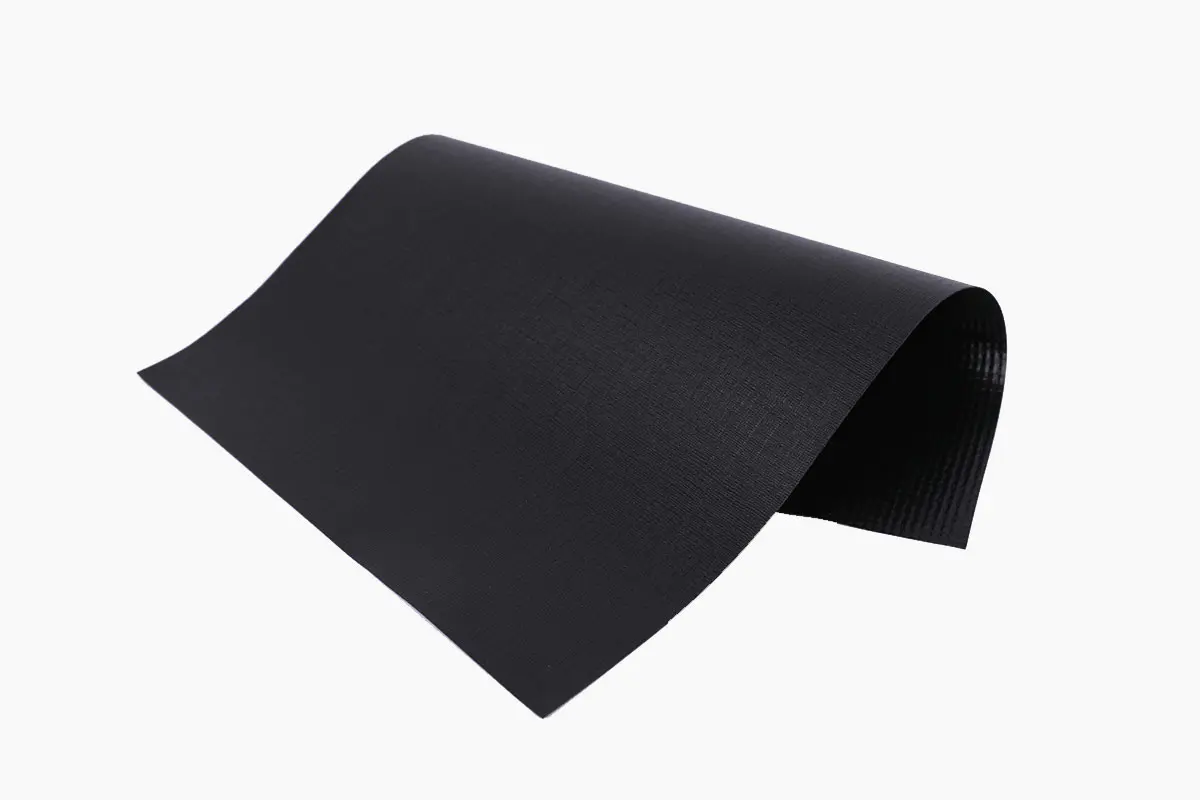
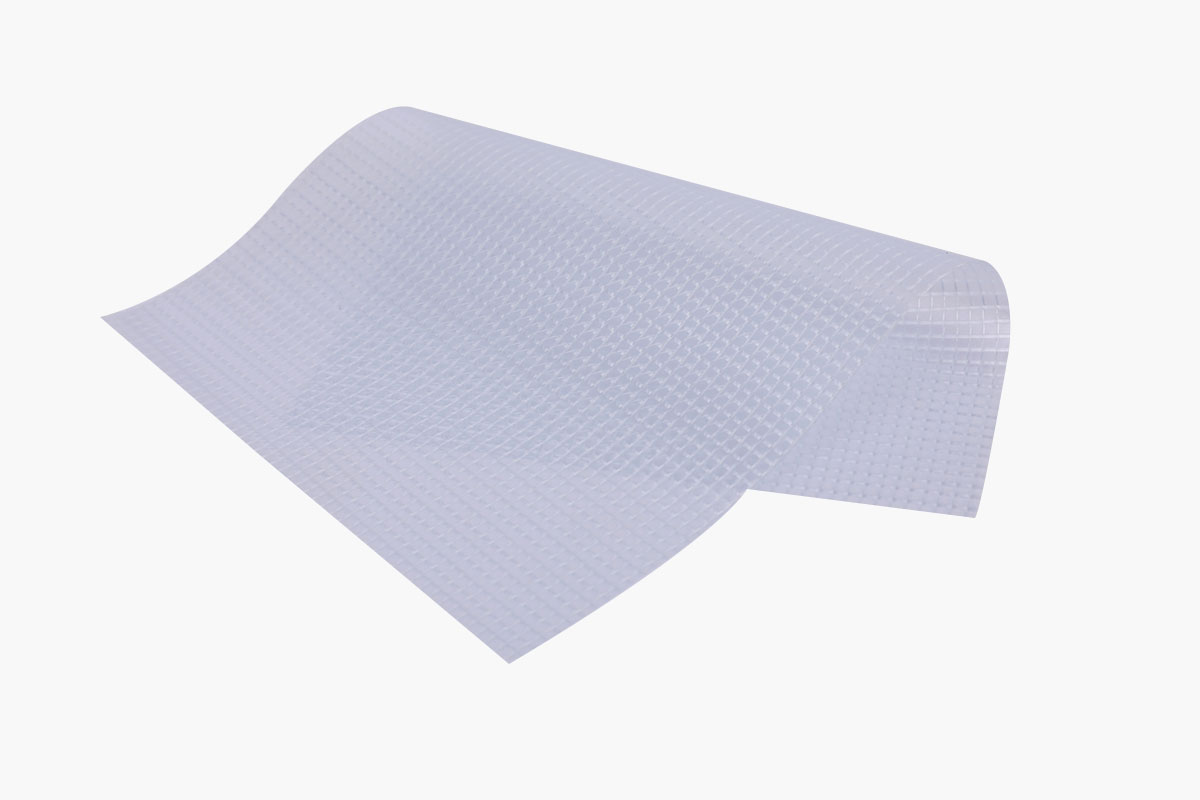
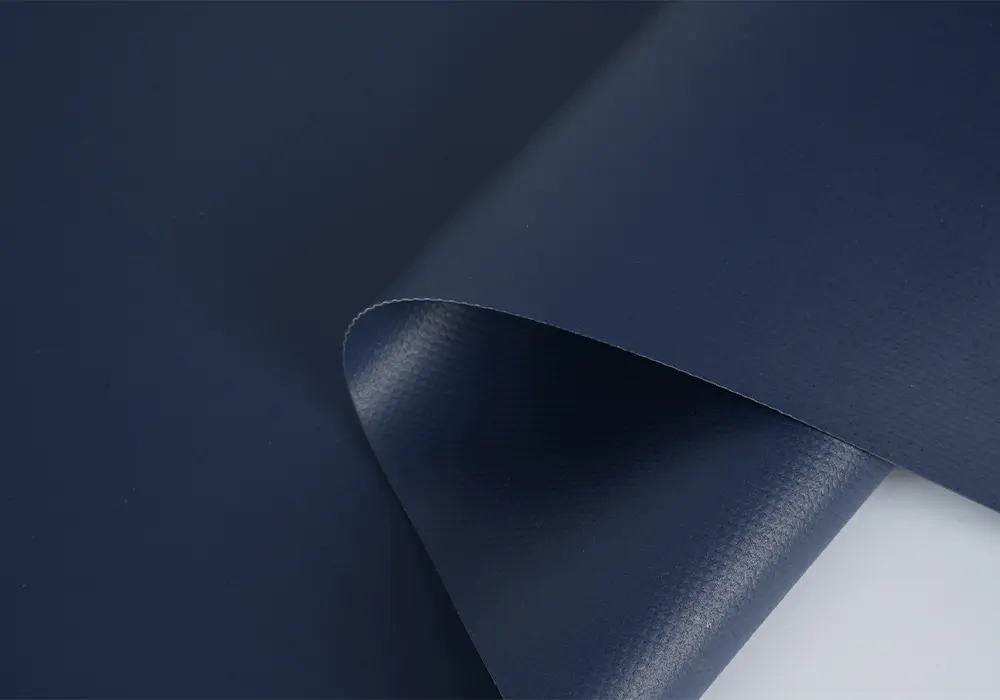
A heavy duty tarpaulin is a reinforced protective cover designed to withstand demanding outdoor and industrial environments. Manufactured from high-strength materials such as PVC, polyethylene, or canvas, these tarpaulins provide reliable waterproofing, tear resistance, and UV protection for construction sites, agricultural operations, transportation, and industrial storage. A quality heavy duty tarpaulin delivers long-term durability, weather resistance, and versatile protection for equipment, materials, and outdoor spaces.
Material types and performance
Heavy duty tarpaulins are manufactured from three primary materials, each offering distinct performance characteristics. PVC tarpaulins provide the highest durability — heavy-duty PVC-coated fabric delivers excellent waterproofing (typically 10,000+ mm water column), high tear strength, and resistance to chemicals, oils, and abrasion. These are the preferred choice for industrial applications, truck covers, and long-term outdoor storage. PE (polyethylene) tarpaulins are lighter and more cost-effective, offering good waterproof performance with reduced weight — ideal for agricultural covers, temporary shelters, and general-purpose protection. Canvas tarpaulins are breathable and durable, suitable for applications requiring air circulation while protecting against light moisture and debris. A heavy duty tarpaulin with PVC coating typically lasts 5–15 years outdoors, while PE tarpaulins provide 3–7 years of service depending on UV exposure and usage conditions.
PVC 10,000+ mm waterproof · 5–15 years Industrial
PE Lightweight · Cost-effective · 3–7 years General
Canvas Breathable · Durable · Traditional Specialty
Key performance specifications
Understanding technical specifications is essential for selecting the right heavy duty tarpaulin. Fabric weight, measured in GSM (grams per square metre), indicates material thickness and strength — 300–500 GSM for general use, 500–800 GSM for heavy-duty applications, and 800–1000+ GSM for extreme conditions. Tensile strength, measured in N/50mm, determines resistance to tearing under load — typical values range from 800–4000 N in both warp and weft directions. Waterproof rating, measured in mm water column, indicates resistance to water penetration — 5,000+ mm for general protection, 10,000+ mm for heavy rain and pressure washing. UV resistance is achieved through stabiliser additives that prevent polymer degradation from sunlight exposure. The eyelet spacing — typically 300–500 mm — affects secure fastening capability. Reinforced edges and heat-sealed seams prevent tearing at stress points.
Weight 300–1000 GSM
Tensile strength 800–4000 N/50mm
Waterproof 5,000–10,000+ mm
Eyelet spacing 300–500 mm
Reinforcement and edge construction
The durability of a heavy duty tarpaulin depends significantly on its edge and seam construction. Double-folded hems at the perimeter provide additional strength where the fabric is most vulnerable to tearing. Heat-sealed seams, created by welding the PVC coating at overlap points, prevent water ingress through needle holes — essential for waterproof applications. Reinforced corners — typically 200–300 mm of extra material at each corner — distribute stress more evenly and prevent tearing during installation. Eyelets (grommets) are installed at regular intervals along the reinforced edges; heavy-duty tarpaulins typically use brass or stainless steel grommets that resist corrosion. Eyelet reinforcement patches add strength around each grommet, preventing pull-through failure. These construction details significantly extend the useful life of the tarpaulin in demanding applications.
Application environments
◆
Construction Material protection · Shelters · Equipment covers
◆
Agriculture Crop covers · Hay storage · Livestock shelters
◆
Transportation Truck covers · Cargo protection · Logistics
◆
Industrial storage Warehouse covers · Equipment protection
Selection checklist
Define application environment and exposure conditions
Select material type (PVC, PE, or canvas)
Specify weight (GSM) based on durability requirements
Determine waterproof rating (5,000–10,000+ mm)
Verify UV resistance for outdoor applications
Confirm size and eyelet spacing requirements
Installation and maintenance
Proper installation and maintenance extend the service life of a heavy duty tarpaulin. When covering loads or equipment, ensure the tarpaulin is tensioned evenly to prevent flapping — excessive movement causes wear at stress points and eyelets. Use all available eyelets for secure attachment, with tie-down straps spaced no more than 500 mm apart. Avoid sharp contact points that could puncture or abrade the fabric. For storage, clean the tarpaulin with mild soap and water to remove dirt and debris that can damage the coating, allow it to dry completely to prevent mildew, and fold loosely (avoid sharp creases). Minor tears can be repaired using adhesive patches or heat-welding techniques, depending on the material. Regular inspection for wear, UV degradation, and seal integrity ensures continued protection. With proper care, a high-quality heavy duty tarpaulin provides reliable service for 5–15 years depending on the material and application.
Final guidance: Select a heavy duty tarpaulin by matching material to application — PVC for maximum durability and weather resistance, PE for lightweight cost-effective protection, and canvas for breathable specialty applications. Specify weight (GSM) based on required strength, waterproof rating for exposure conditions, and UV resistance for outdoor use. Verify edge reinforcement and eyelet construction for installation reliability. A well-chosen tarpaulin delivers dependable protection across demanding industrial and outdoor environments.
 Previous