

 English
  中文简体
中文简体  Español
 News
Home / News / Industry News / What Tarp Thickness Should I Choose? A Complete Mil Guide for Every Use


Content
Few tarpaulin specifications cause as much confusion as thickness. Ask five project managers how thick a cover should be, and you will hear answers from 5 mil to 20 mil, rarely with a clear reason behind the number. Thickness affects tear resistance, wind flapping, puncture protection, and UV aging, but it never works alone. Material type, scrim construction, coating quality, hem reinforcement, and grommet spacing decide whether a tarp survives its first season or fails in the first week. This guide explains how tarp thickness is measured, what the common mil ranges deliver, and which thickness fits the jobs that buyers most often face.
Another source of confusion is that the word "thickness" is used differently in the consumer market and the industrial supply chain. Retail tarps list a single mil value. Factory data sheets often separate film gauge, scrim thread count, coating weight, and finished thickness. When you move from buying a tarp off a shelf to sourcing covers in bulk, reading these layers becomes a procurement skill. This guide also explains which parts of a data sheet matter most.
Tarp thickness is expressed in mils in North American markets. One mil equals one thousandth of an inch, which is 0.0254 millimeters. In metric regions, manufacturers specify the same dimension in microns, and one mil equals 25.4 microns. A 12-mil tarp is therefore about 0.30 mm thick, while a 20-mil tarp is about 0.50 mm thick. Each additional mil adds measurable stiffness, weight, and resistance to punctures.
On a data sheet, thickness can describe different physical structures. A laminated polyethylene tarp contains a woven scrim sandwiched between two plastic films; the stated mil value includes the scrim and both films. A vinyl tarpaulin is usually a homogeneous PVC-coated polyester sheet, so the number describes a single layer. Purchasing teams that compare the two types by mil alone will make costly mistakes.
Two tarps with the same mil rating can behave very differently in service. Resin formula, coating uniformity, scrim weave density, seam strength, and edge construction vary from factory to factory. Thickness is the starting filter in a selection process, not the final proof of durability. A well-built 14-mil tarp often outperforms a poorly constructed 20-mil product in real-world exposure.
Weight increases with thickness. A 20-mil tarp of the same area can weigh nearly double a 10-mil tarp, which changes handling, shipping cost, and installation safety. If the crew cannot stretch and secure a heavy cover safely, a slightly thinner product is the better engineering choice.
Most manufacturers hold thickness within a tolerance of roughly 5 percent across the sheet. When quality control is weak, the edges can be noticeably thinner than the center, which explains premature failures along hems and grommet areas. If you inspect samples, always measure at the edge, in the center, and near the corners.
Most suppliers group tarps into four practical categories. The boundaries vary slightly between producers, but the following table provides a reliable starting reference for procurement.
| Category | Mil Rating | Typical Performance | Best Application |
|---|---|---|---|
| Light duty | 5 to 8 mil | Thin, flexible, tears easily on sharp edges | Dust covers, temporary shade, camping groundsheets |
| Medium duty | 10 to 12 mil | Balanced strength and folding convenience | Equipment covers, woodpiles, short construction tasks |
| Heavy duty | 14 to 18 mil | High tear and wind resistance | Roof protection, truck curtains, agricultural storage |
| Super heavy duty | 20 mil and above | Maximum puncture and abrasion resistance | Marine exposure, mining, industrial machinery |
These covers are inexpensive, lightweight, and compact when folded. They manage dust, light rain, and short-term shade. Pulled across a sharp building corner or exposed to gusts, they fail quickly. Reserve this range for predictable, low-stress jobs.
This is the default range for maintenance crews and farm operators. The material survives repeated folding and moderate abrasion while staying flexible enough to drape over irregular loads. A 10-mil tarp can serve for many months when edges are protected and the surface stays clean.
Contractors use this range for working tarps: roof repairs, scaffolding screens, and long-term storage covers that remain in place for a year or more. Added stiffness makes positioning harder, but resistance to wind and punctures from tools or debris is worth the effort.
This class serves marine, mining, and industrial environments. It endures saltwater spray, chemical contact, and heavy abrasion. Cost and handling effort are high, and reinforced hems plus large grommets are mandatory before installation.
Duration of exposure is the strongest predictor of required thickness. The following guidance covers the jobs that buyers most often ask about.
Polyethylene tarps dominate the market. Their strength depends largely on the woven scrim inside the film layers. A thick polyethylene film with an open or weak scrim may perform worse than a thinner product with a tight, high-density weave. When evaluating polyethylene, ask for weave count and coating weight in addition to thickness.
Vinyl tarps are denser and more puncture-resistant at the same mil rating. Correctly formulated vinyl remains flexible at low temperatures, resists many chemicals, and can be joined with welded seams that are stronger than stitched edges. Because vinyl is heavier, roof installations become more tiring. Choose vinyl for chemical resistance, long outdoor life, or very strong seams.
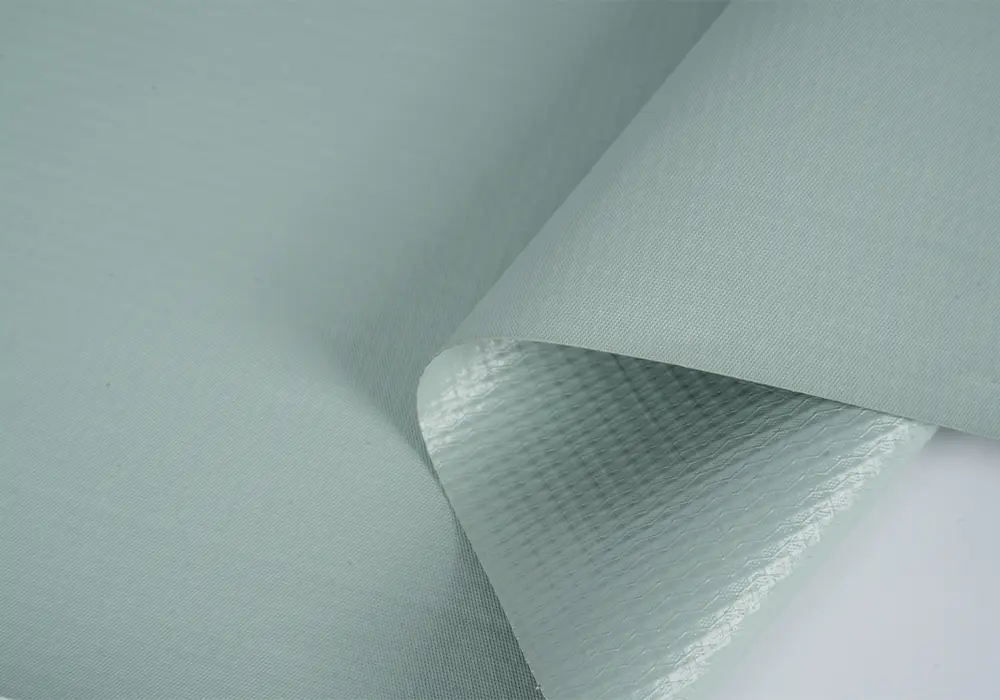
Some tarps combine a polyester scrim with a PVC coating on both faces. In these constructions, the total thickness includes the scrim plus the top and bottom coatings. The coating weight, often expressed in grams per square meter, directly affects abrasion resistance and water tightness. A higher coating weight generally means a more robust tarp even when the mil number stays the same.
Canvas is normally rated in ounces per square yard rather than mils. Uncoated canvas breathes, which keeps condensation away from stored furniture or machinery. Waxed or treated canvas becomes water-resistant but heavier. If your application needs breathability, treat canvas as a separate selection process rather than comparing it directly with poly or vinyl thickness.
Suppliers in different regions state thickness in mils, microns, or millimeters. Always confirm the unit before placing an order. A buyer who orders 0.30 mm and receives 0.30 mil instead will get a cover far thinner and weaker than intended.
The scrim is the skeleton of a polyethylene tarp. High-denier fibers woven at a tight density give tear resistance that thickness alone cannot provide. A 10-mil tarp with a dense scrim can outperform a 14-mil tarp with a loose scrim. Ask suppliers for the fabric construction data rather than accepting a marketing number.
Tarps tear from edges, not from their centers. A folded and stitched hem with an inserted rope distributes tension along the full side. Large grommets spaced closely handle higher wind loads without ripping. Before purchasing, inspect hem width, number of stitching rows, and grommet quality.
UV stabilizers, flame retardants, anti-mold additives, and cold-tolerant plasticizers change the effective service life without changing the mil number. A 12-mil tarp with advanced UV stabilization can outlast a 16-mil tarp without protection. Confirm which additive package is present for outdoor or sensitive applications.
Flame retardant additives are another variable. Many regions require certified flame retardant tarps for construction sites, tents, and public events. Flame retardant tarps may carry a slightly different surface texture and greater stiffness, but their thickness category remains unchanged. If fire resistance is a legal requirement, select the product family first and the thickness second. In bulk supply agreements, coating weight, weave density, and cold-flexibility data are often negotiable, and buyers who plan for multi-year service should put those items on the requirement list.
Use this five-step sequence to convert your conditions into a tarp thickness decision. Each step narrows the range shown in the category table.
The same workflow scales from a backpack to an industrial yard. A weekend camper who answers "one season" and "rocky campsites" will land on 10 mil with a dense scrim. A warehouse manager who answers "three years" and "coastal salt air" will land on 16 to 20 mil vinyl with welded seams.
Heavy duty generally starts at 14 mil. A 14 to 18 mil tarp resists wind, abrasion, and most punctures, making it a common choice for roof work and agricultural storage. A rating of 20 mil or more is classed as super heavy duty, which suits marine and industrial environments.
In snowy or windy climates, choose at least 14 to 16 mil. Confirm that the material stays flexible below freezing; many vinyl and premium polyethylene formulations include cold-resistant plasticizers. Reinforced hems and secure tie-downs are just as important as thickness when snow loads accumulate.
For a few weeks of moderate weather, a 10-mil tarp with a good scrim can work. For an unfinished roof that may stay exposed longer, step up to 12 to 16 mil. Roof edges and nails create concentrated stress, so edge reinforcement matters more than the exact mil value.
Use a micrometer to measure the total material at several points. Compare the reading with the supplier data sheet and check the unit: mils, microns, or millimeters. Also measure the weave density and examine a cut edge to see the layered structure.
Not automatically. UV protection comes from stabilizers in the polymer. A 10-mil tarp with strong UV additives can outperform a 16-mil tarp without them. Check the data sheet for UV stabilization and test reports, especially for applications in high-altitude or tropical regions.
There is no universal answer to the question of how thick a tarp should be, but there is a reliable method. Start with the intended duration, evaluate the environment and physical stress, choose a mil category, and then verify construction details with the supplier. For most general-purpose tasks, 10 to 12 mil provides a sensible baseline. For long-term outdoor exposure, 16 mil and above is safer. Revisit your selection every few seasons, because actual conditions on site often differ from the original plan. A tarp is a replaceable component in a larger system, and thickness is the most direct way to match its life cycle to your project budget.
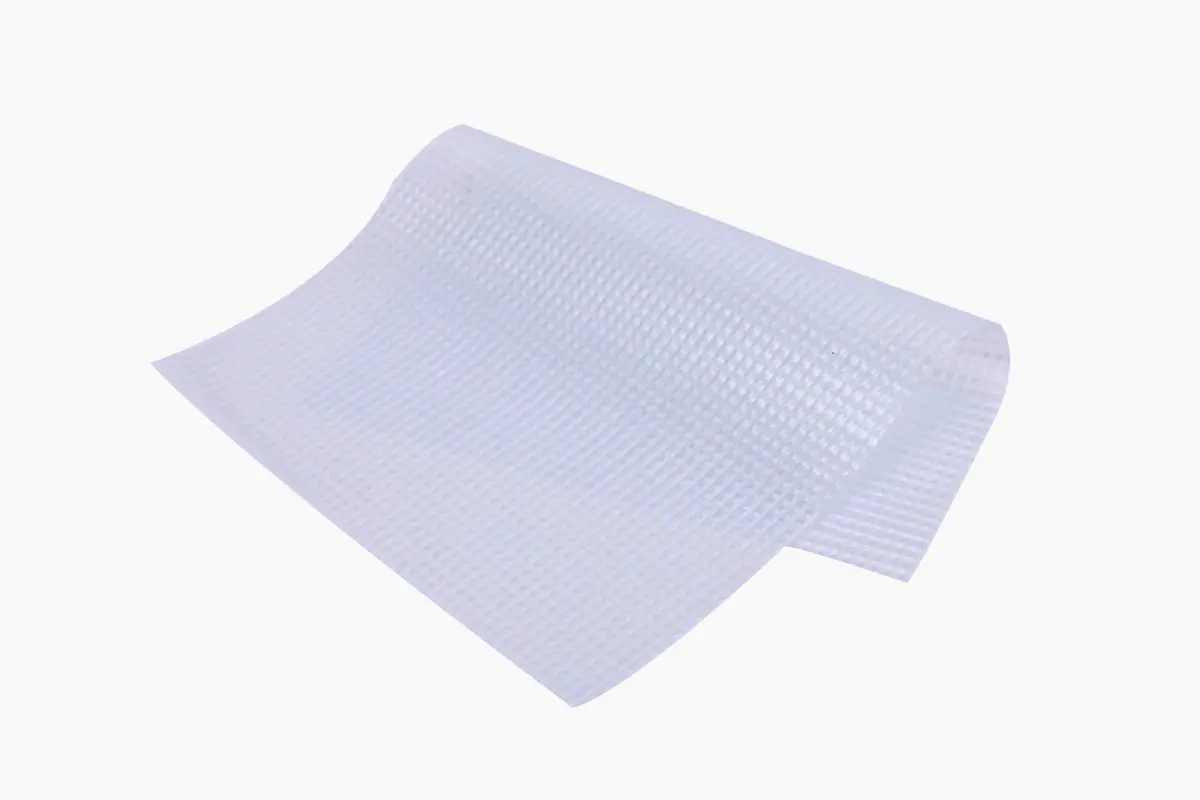 Industrial-Grade Reinforced UV-Resistant Clear Tarpaulin
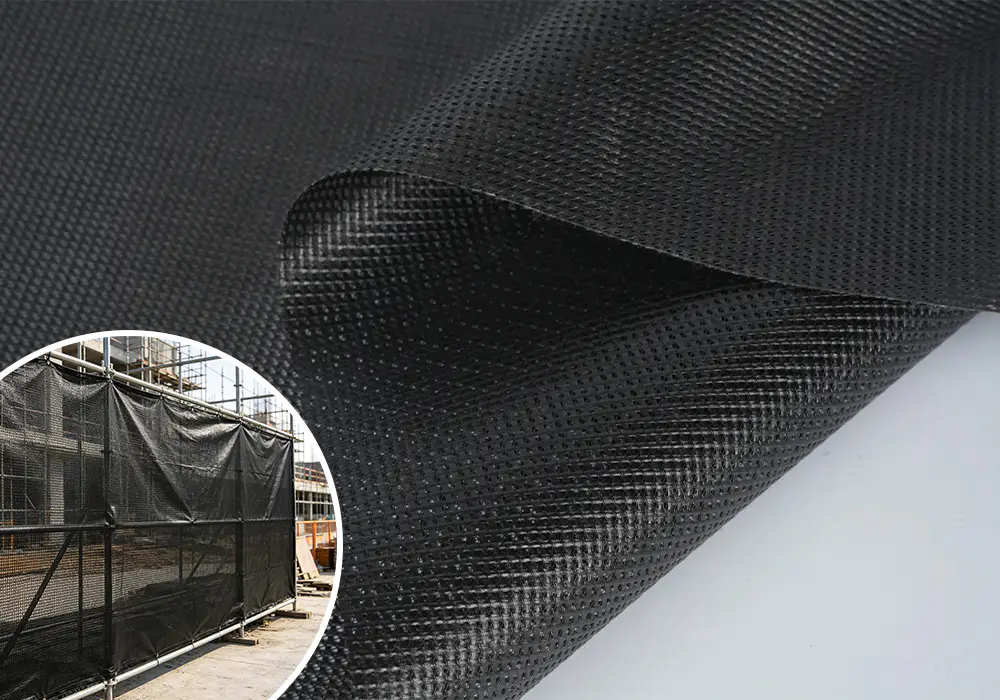 All Weather Heavy Duty Mesh Tarpaulin for Barrier Fencing
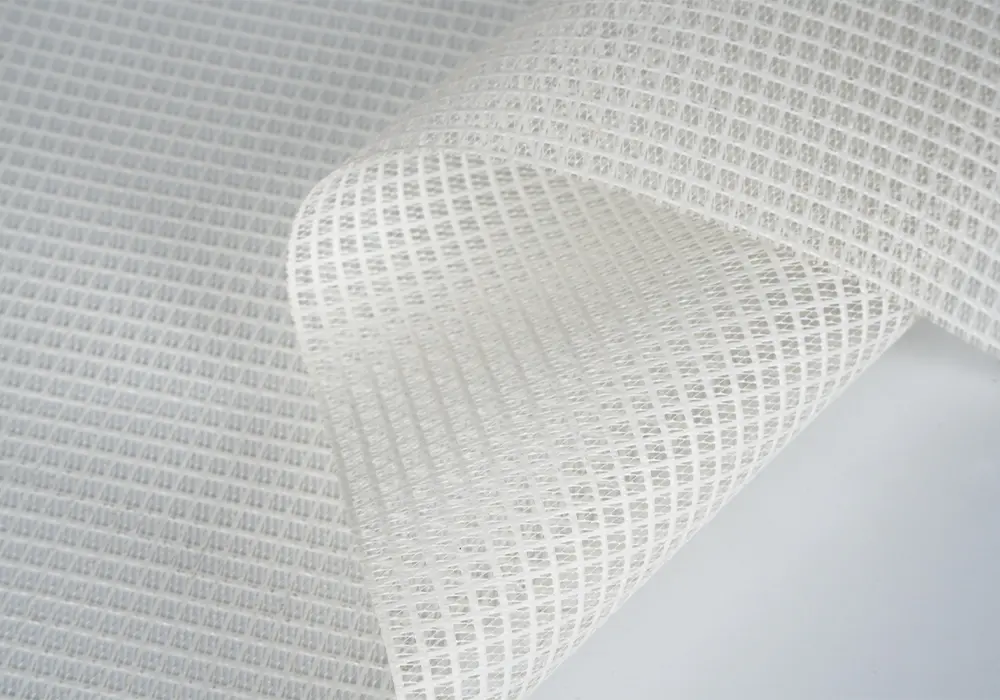 Breathable Wind Resistant Mesh Tarpaulin for Advertising
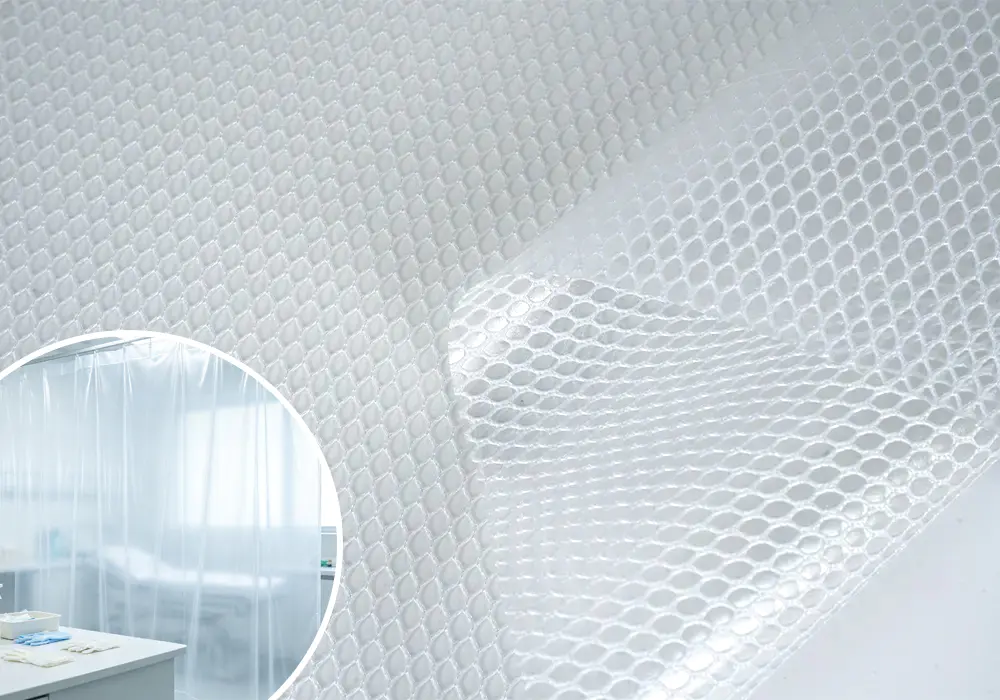 Clear Liquid Isolation Sterilizable Tarpaulin For Medical Application
 Liquid Barrier Anti Bedsore Tarpaulin For Medical Use
 Anti Fouling Weatherproof Tarpaulin For Swimming Pool Cover
 Custom Digital Printing Fabric Manufacturers
 Previous